
2 min walk
Saga Museum
- Must see
- Museum
Language · 11 published
Museum · Reykjavik
Víkin
Reviewed by Elena Voss · SSMTour Travel Editor
| Monday | 10:00 – 17:00 |
|---|---|
| Tuesday | 10:00 – 17:00 |
| Wednesday | 10:00 – 17:00 |
| Thursday | 10:00 – 17:00 |
| Friday | 10:00 – 17:00 |
| Saturday | 10:00 – 17:00 |
| Sunday | 10:00 – 17:00 |
Checked 2026-08-31 · Source
Read from the OpenStreetMap access tags; anything not listed has no tag recorded.
Set the group type to family in the planner and the day window contracts to about three quarters of a solo day.
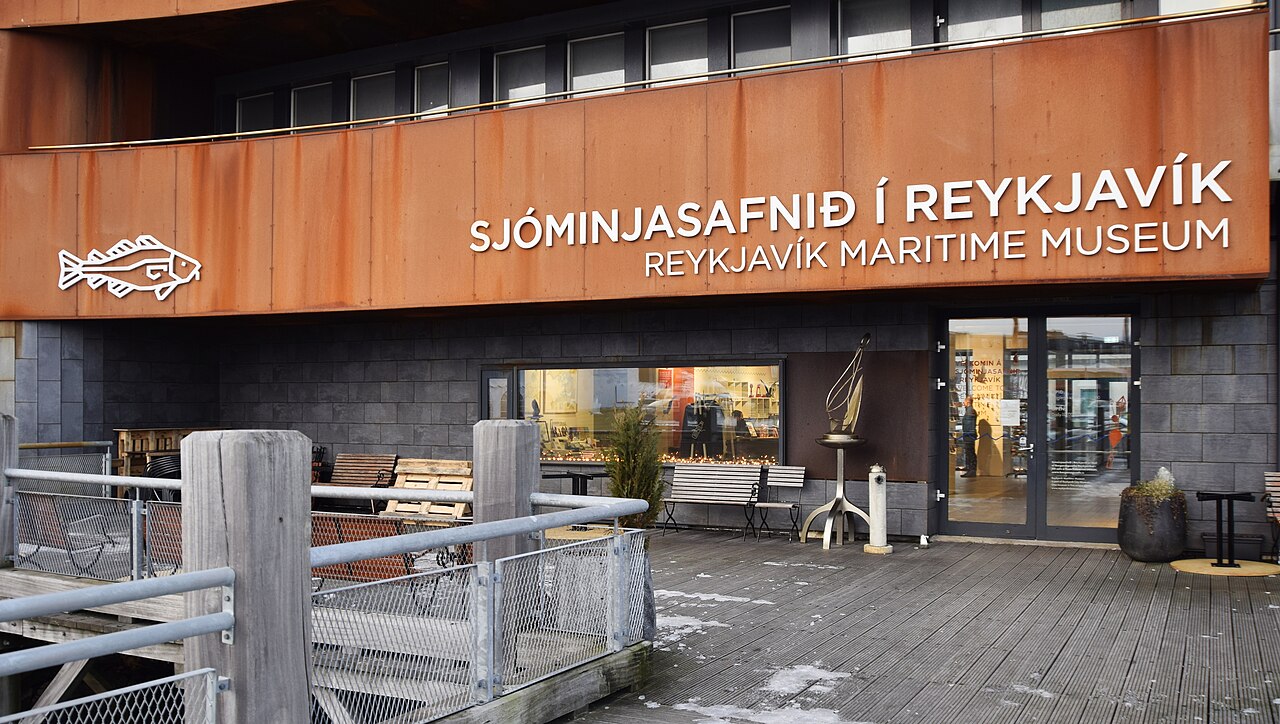
The Reykjavik Maritime Museum, known locally as Sjóminjasafnið í Reykjavík, is a museum dedicated to Iceland's seafaring heritage. It is located in the Grandi harbour district of Reykjavik. The museum occupies a former fish freezing plant, a building type integral to Iceland's industrial fishing history. Iceland's economy and culture have been profoundly shaped by maritime activities, particularly fishing, which remains a significant industry. The museum serves as a custodian of this heritage, preserving vessels, equipment, and documentation related to the nation's relationship with the surrounding North Atlantic waters.
Checked 2026-08-26
The museum's collections encompass fishing vessels, maritime artifacts, and historical equipment. Exhibits trace the development of Icelandic fisheries from small open boats to modern trawlers. The Coast Guard vessel Óðinn, a former flagship, is preserved at the museum and may be accessible for boarding depending on operational status. Displays address the cod wars, a series of twentieth-century disputes over fishing rights. The museum holds photographs, documents, and oral histories. Thematic presentations cover boat building, navigation, and the daily lives of fishermen. The industrial architecture of the building itself contributes to the interpretive environment.
Checked 2026-08-26
Visitors typically allocate between one and two hours for the museum's interior exhibitions. Those wishing to board the Óðinn vessel should allow additional time, as access procedures and the vessel's layout require patience. The harbour setting invites extended walking along the Grandi waterfront, where related maritime infrastructure and contemporary fishing operations remain visible. Combined with the surrounding district, a half-day excursion is feasible for visitors with strong interest in maritime history. Casual visitors may find ninety minutes sufficient for the core experience. Self-paced exploration is the standard mode of visitation.
Checked 2026-08-26
The museum operates seasonally with variable hours. Visitors should consult the museum's official communications or established tourist information services before planning attendance. Iceland's high-latitude location produces significant seasonal variation in daylight, with near-continuous summer illumination and restricted winter hours. The harbour location exposes visitors to wind and precipitation regardless of season. Appropriate outerwear is advisable year-round. The Grandi district has developed considerably, with restaurants and supplementary attractions now nearby, permitting flexible scheduling within a broader itinerary. Advance verification of accessibility is prudent. Check the operator's own site for the travel date before relying on a schedule or fare.
Checked 2026-08-26
Admission policies and pricing structures are subject to museum determination. The museum may participate in cultural pass schemes or combined ticketing arrangements with other Reykjavik attractions. Group rates, family provisions, and concession categories are common in Icelandic museum practice but require direct confirmation. The vessel Óðinn may involve separate access conditions or supplementary charges. Payment methods and currency should be verified in advance. Visitors are advised to reserve funds for potential admission costs without reliance on specific figures. Official museum channels provide definitive current information. Check the operator's own site for the travel date before relying on a schedule or fare.
Checked 2026-08-26
The museum occupies the Grandi harbour area, west of Reykjavik's central district. The walk from the city centre takes approximately twenty to thirty minutes along the waterfront. Public bus services connect to the Grandi area, with stops requiring modest additional walking. The route passes through or near districts with established tourist infrastructure. Taxis and ride services operate in Reykjavik and serve this destination. Cycling is feasible in favourable conditions, with some dedicated infrastructure. The harbour setting means the museum is proximate to whale watching departure points and other maritime activities, permitting efficient combination. Signage in the area assists pedestrian navigation.
Checked 2026-08-26
The museum's industrial building may present accessibility constraints for visitors with mobility limitations. Floors may be uneven, and the Óðinn vessel involves stairs and confined spaces. The harbour environment generates cold winds and rapid weather changes; inadequate clothing risks discomfort. The Grandi district's development means construction activity may affect access routes or sightlines. Photography policies within exhibitions should be observed. The vessel boarding experience may be suspended without notice due to maintenance or conditions. Visitors should respect operational boundaries on the working harbour. Language of presentation is predominantly Icelandic and English; other language support varies.
Checked 2026-08-26
The museum's harbour location offers substantial photographic interest. The Óðinn vessel presents exterior and potential interior subjects of documentary character. Industrial architecture and maritime equipment provide textural and historical imagery. The surrounding Grandi waterfront includes working harbour elements, mountain backdrops, and contemporary architectural interventions. Lighting conditions vary seasonally, with summer offering extended golden hours and winter presenting low-angle illumination. Interior exhibition spaces may have restricted lighting suitable for photography. Tripod use and flash policies should be confirmed with staff. The juxtaposition of preserved heritage and active industry creates compositional opportunities. Weather protection for equipment is essential given exposure to moisture and wind.
Checked 2026-08-26
Access to the Coast Guard vessel Óðinn depends on operational status, maintenance schedules, and conditions on the day of visit. Boarding cannot be guaranteed.
Not recorded. Visitors arriving by private vehicle should investigate parking options in the Grandi harbour district independently.
Not recorded. Self-paced exploration is standard. Visitors seeking guided experiences should inquire through official museum channels.
The vessel and industrial setting may engage children interested in ships, though content is primarily historical and documentary. Parental judgement advised.
Not recorded. The developed Grandi district surrounding the museum contains independent food and beverage establishments.
Seasonal operation with variable hours is indicated. Exact schedules are Not recorded pending review; official confirmation required.
Loading the interactive map…
The interactive map could not be loaded.


Last updated:
Source: OpenStreetMap contributors, Wikidata ·