
2 min walk
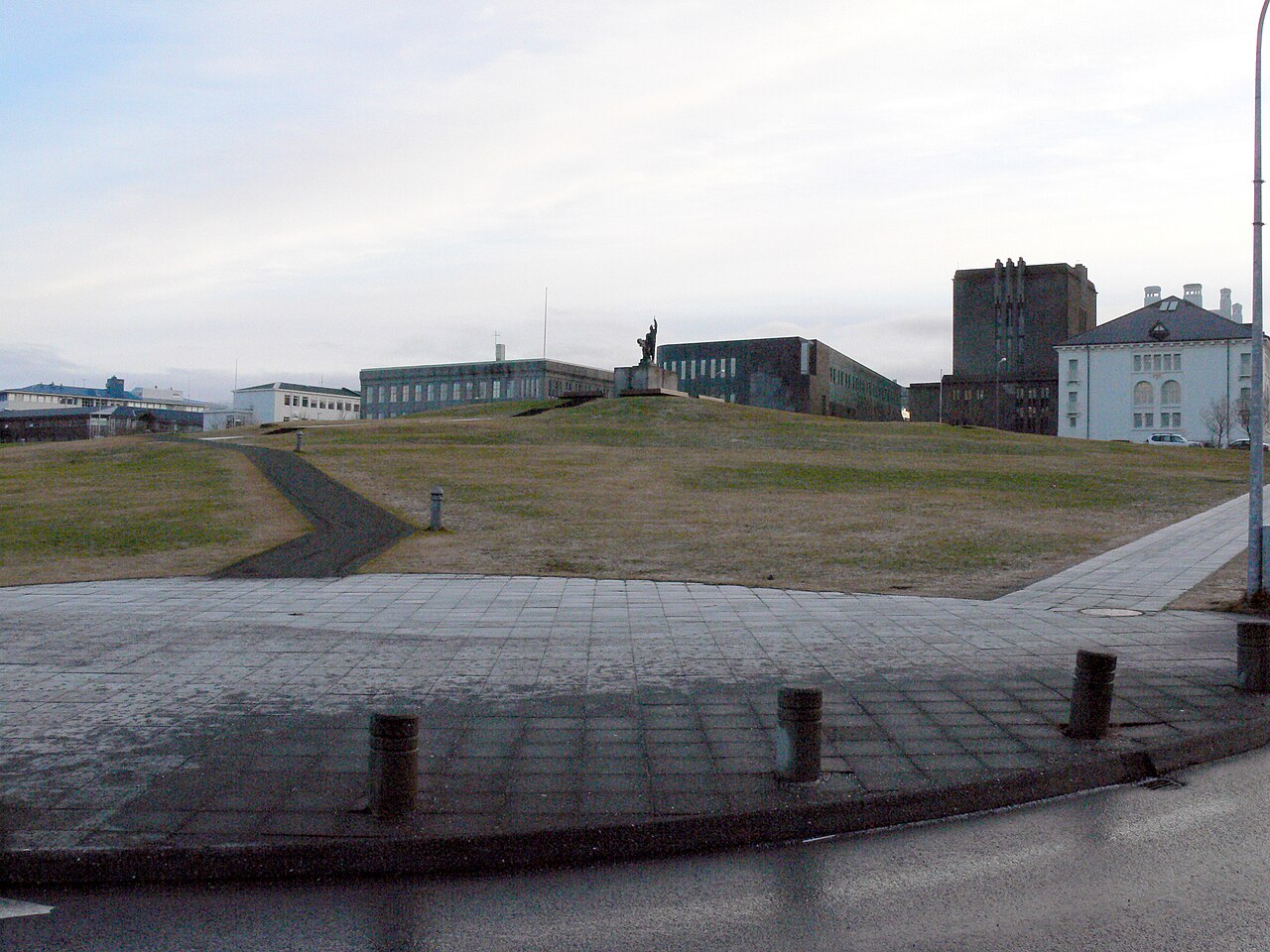
Arnarhóll
- Must see
- Nature site
Language · 11 published
Museum · Reykjavik
Safnahúsið

| Monday | 10:00 – 17:00 |
|---|---|
| Tuesday | 10:00 – 17:00 |
| Wednesday | 10:00 – 17:00 |
| Thursday | 10:00 – 17:00 |
| Friday | 10:00 – 17:00 |
| Saturday | 10:00 – 17:00 |
| Sunday | 10:00 – 17:00 |
Checked 2026-08-31 · Source
Read from the OpenStreetMap access tags; anything not listed has no tag recorded.
Set the group type to family in the planner and the day window contracts to about three quarters of a solo day.
The Culture House, or Safnahúsið, is a museum and cultural venue in central Reykjavík. It belongs naturally in a city day built around museums, historic streets and other central attractions. The building gives the visit an institutional setting, while its exhibitions and collections provide the reason to go inside. Choose it when you want a compact cultural stop that can sit between walks through the centre. Its value comes from curated presentation rather than a single outdoor landmark, making it useful in poor weather and for travellers who want Icelandic culture alongside Reykjavík’s streets and harbour atmosphere. Safnahúsið. Yes, it is retained as a ranked Reykjavik visitor place from the fact pack.
Checked 2026-08-26 · Source
Inside Safnahúsið, expect museum exhibitions and cultural displays arranged for public viewing. The visit is best approached as a curated sequence: read the introductory material, identify the themes that interest you and then spend time with the objects or displays that reward closer attention. Exhibition content can shape the exact route, so keep the experience open rather than chasing a fixed room order. The venue works well for visitors who enjoy cultural interpretation in a central setting, especially when paired with other museums or historic places within walking distance.
Checked 2026-08-26 · Source
Allow about one to two hours for a considered visit, adjusting the length to the scale of the exhibitions and your interest in reading. A focused visit can be shorter, while close attention to displays can fill a larger part of a cultural afternoon. Because the Culture House sits in central Reykjavík, combine it with nearby streets, museums or public spaces without giving every stop an inflexible end time. Include room for entry, movement through the galleries and a pause afterward to continue the day at an unhurried pace.
Checked 2026-08-26 · Source
The Culture House is a useful choice when Reykjavík’s weather makes a long outdoor route uncomfortable. Summer brings long daylight for combining the museum with central walks, while winter’s shorter days make an indoor cultural block especially practical. Rain, wind and cold can still affect the short journey between stops, so wear layers and leave a little margin. Exhibition changes may alter what you see on different visits. Plan the museum alongside other central attractions and let the indoor stop provide structure when the weather interrupts an outdoor schedule.
Checked 2026-08-26 · Source
Plan Safnahúsið as an admission-based museum stop and keep the entry part of the day’s practical budget. Ticket arrangements can affect whether you visit it alone or connect it with other cultural venues, so leave enough time for entering and moving through the exhibitions. The strongest use of the visit is to give the displays attention rather than treating the building as a brief photo stop. For groups, keep the meeting point and onward route clear so nobody is separated while the museum visit begins or ends.
Checked 2026-08-26 · Source
The Culture House is in Reykjavík’s central area, making it convenient for travellers staying downtown and for visitors moving between central museums. Walking is the simplest way to connect it with nearby attractions when wind, rain and icy pavements allow. Reykjavík’s bus network provides an alternative urban connection, while a car adds the usual central-city parking decisions. Organise the route around the museum’s central position: place it between nearby cultural stops, then continue on foot whenever conditions and energy make that comfortable.
Checked 2026-08-26 · Source
Exhibitions may change between visits, so let the current displays guide the time you spend inside. Follow signs around galleries and give other visitors space to read and move. Reykjavík’s weather can make even a central walk wet, cold or slippery, so keep a waterproof layer and suitable footwear close at hand. Treat the Culture House as an active museum rather than a static landmark: the day’s most useful sequence may change with the exhibitions, the weather and the other central places you want to visit.
Checked 2026-08-26 · Source
The Culture House offers architectural and exhibition photography in a central Reykjavík setting. The building works well as an exterior subject, while interior images should follow signs and staff directions within each display area. Avoid flash, tripods or filming when they interfere with other visitors or the presentation of objects. Keep entrances and circulation spaces open. Outside, protect equipment from wind and rain. A few thoughtful images of the building and permitted displays are enough to remember the visit without letting photography replace time spent with the cultural material.
Checked 2026-08-26 · Source
The Culture House is known locally as Safnahúsið.
You can see curated museum exhibitions and cultural displays arranged for public viewing in the central Reykjavík venue.
Allow about one to two hours for a considered visit, with a shorter focused stop or a longer visit for detailed reading.
It is useful as an indoor cultural stop during poor weather and as part of a central walking route in summer’s longer daylight.
Reach it on foot from central Reykjavík or connect through the city bus network; its central position makes it easy to pair with nearby museums and historic streets.
Photograph the building from outside and take interior images only where gallery rules permit, avoiding flash and equipment that blocks visitor movement.
Loading the interactive map…
The interactive map could not be loaded.


Last updated:
Source: OpenStreetMap contributors, Wikidata ·