Metropolitan Cathedral of Athens
Μητροπολιτικός Ναός Αθηνών
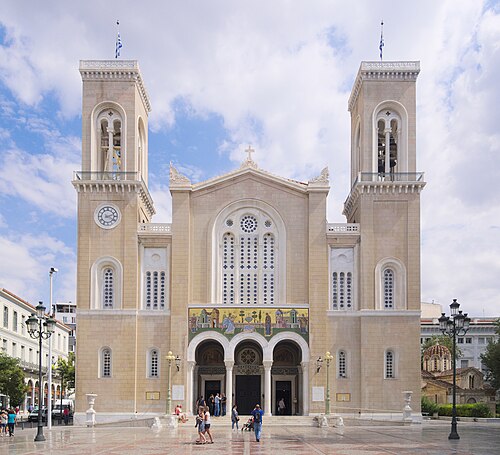
The Metropolitan Cathedral of Athens, also known as the Cathedral of the Annunciation, is the principal cathedral of the Church of Greece in the capital.
- Must see
- Place of worship
Language · 11 published
City guide · Greece
Athens combines an ancient pedestrian core with a much larger modern city. The Acropolis, Plaka, Monastiraki and the Ancient Agora form the central visitor cluster. Syntagma and Kolonaki extend east, while the National Archaeological Museum lies north and the coast runs far to the south. Piraeus is a separate port city within the wider urban area and needs its own journey.
Reviewed by Elena Voss · SSMTour Travel Editor
Set your days, your pace and the hours you actually want to be out. The planner works around closing days and travel time, and leaves room to eat.
Ranked by importance — sitelinks, pageviews and heritage status, not editor preference.
Μητροπολιτικός Ναός Αθηνών
The Metropolitan Cathedral of Athens, also known as the Cathedral of the Annunciation, is the principal cathedral of the Church of Greece in the capital.
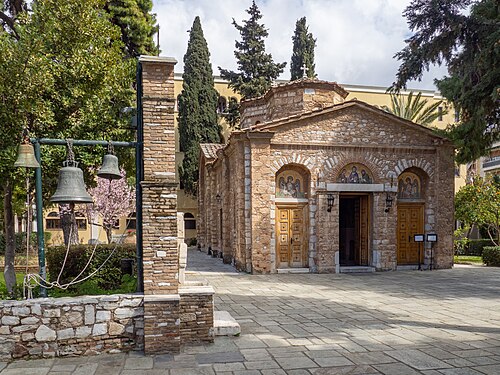
Παναγία Γοργοεπήκοος και Άγιος Ελευθέριος
Little Metropolis is a small Byzantine church situated in central Athens, near the Metropolitan Cathedral. The church is also known as the Church of St.
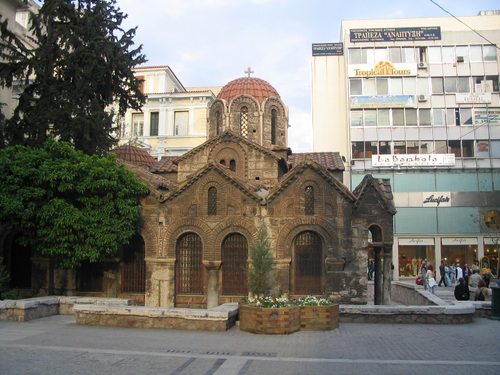
Παναγία Καπνικαρέα
The Church of Panagia Kapnikarea is a Byzantine-era church standing prominently on Ermou Street in central Athens. It dates to the 11th century, though portions may reflect earlier construction.
Άγιοι Απόστολοι
The Church of the Holy Apostles is a Byzantine-era church within Athens’s Ancient Agora archaeological site.
Ιερά Μονή Ασωμάτων - Πετράκη
Petraki Monastery is a working Orthodox religious site in central Athens, offering a quieter encounter with the city’s ecclesiastical life than the Acropolis and its archaeological monuments.
Source: OpenStreetMap contributors, Wikidata ·
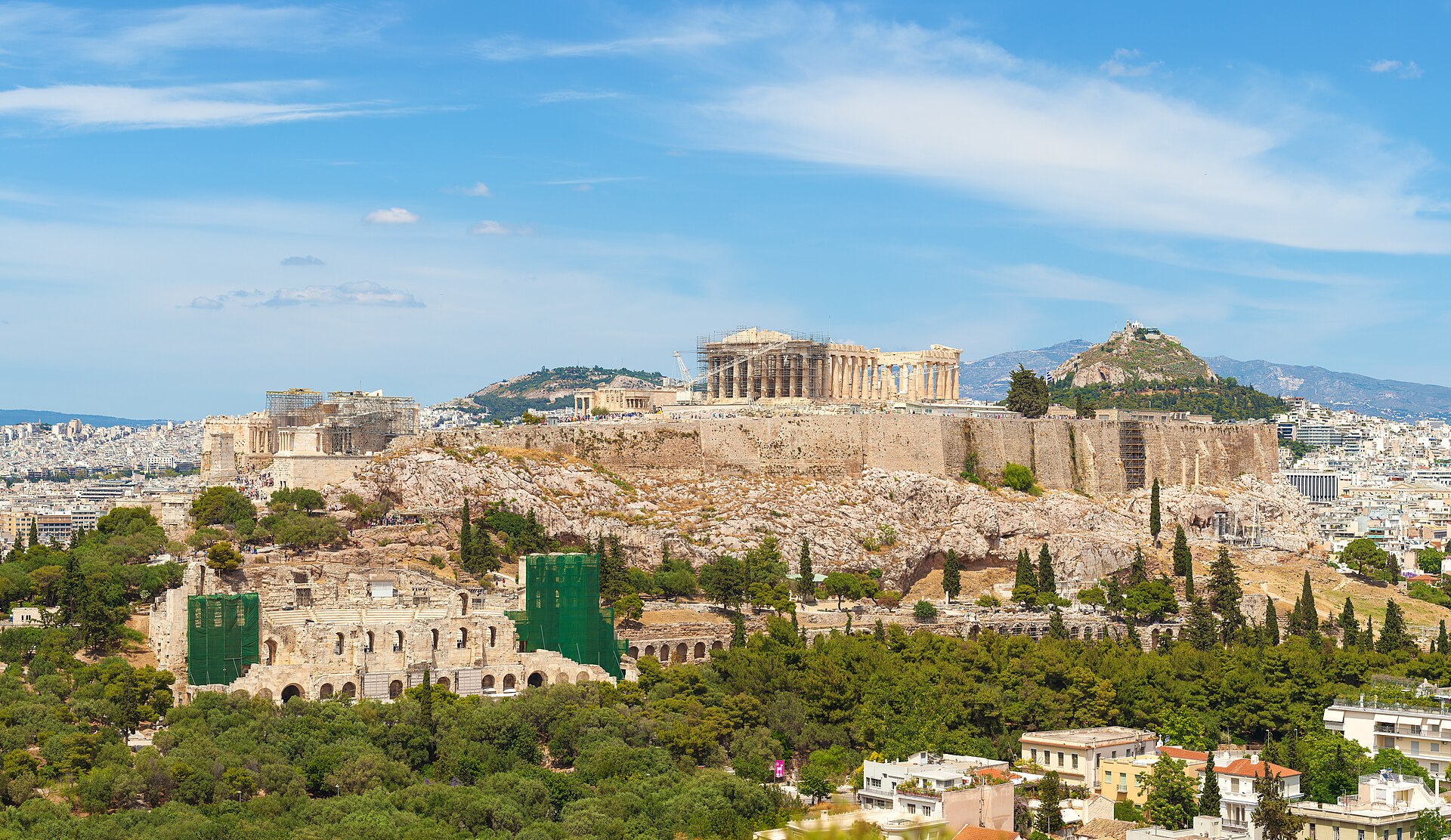
Use the Acropolis as the central landmark. Plaka and Anafiotika sit on its northern and eastern slopes, Monastiraki and the Ancient Agora lie northwest, and Syntagma stands farther east. The National Garden links Syntagma with the Olympic and museum zone. Exarchia and the National Archaeological Museum are north of the centre, while coastal districts and Piraeus require metro, tram or bus connections.
Checked 2026-08-26
Walk through the Acropolis-Plaka-Monastiraki core and use the integrated OASA network for longer journeys. Metro, tram, buses and trolleybuses cover Athens and its suburbs, with Line 3 connecting the airport and central city. The tram is useful for selected coastal routes, while Piraeus is best treated as a separate transport leg. Consult OASA for current routes and ticket products.
Checked 2026-08-26
A fixed duration is not recorded. Build the visit around the Acropolis core, central museums and neighbourhoods, then add the coast or Piraeus only when time permits.
Yes. The Acropolis, Plaka, Monastiraki and the Ancient Agora form a practical central walking area. Use transit for the National Archaeological Museum, coast and Piraeus.
The OASA network includes metro, tram, buses and trolleybuses. One integrated network connects the centre with suburbs, the airport corridor and major visitor districts.
OASA identifies Metro Line 3 and airport express buses as direct public transport options. Check the operator before travel because airport ticket products differ from ordinary urban journeys.
No. Piraeus belongs to the wider urban area but is a separate port destination. Give it a dedicated metro or bus journey rather than adding it to an Acropolis walk.