
16 min walk
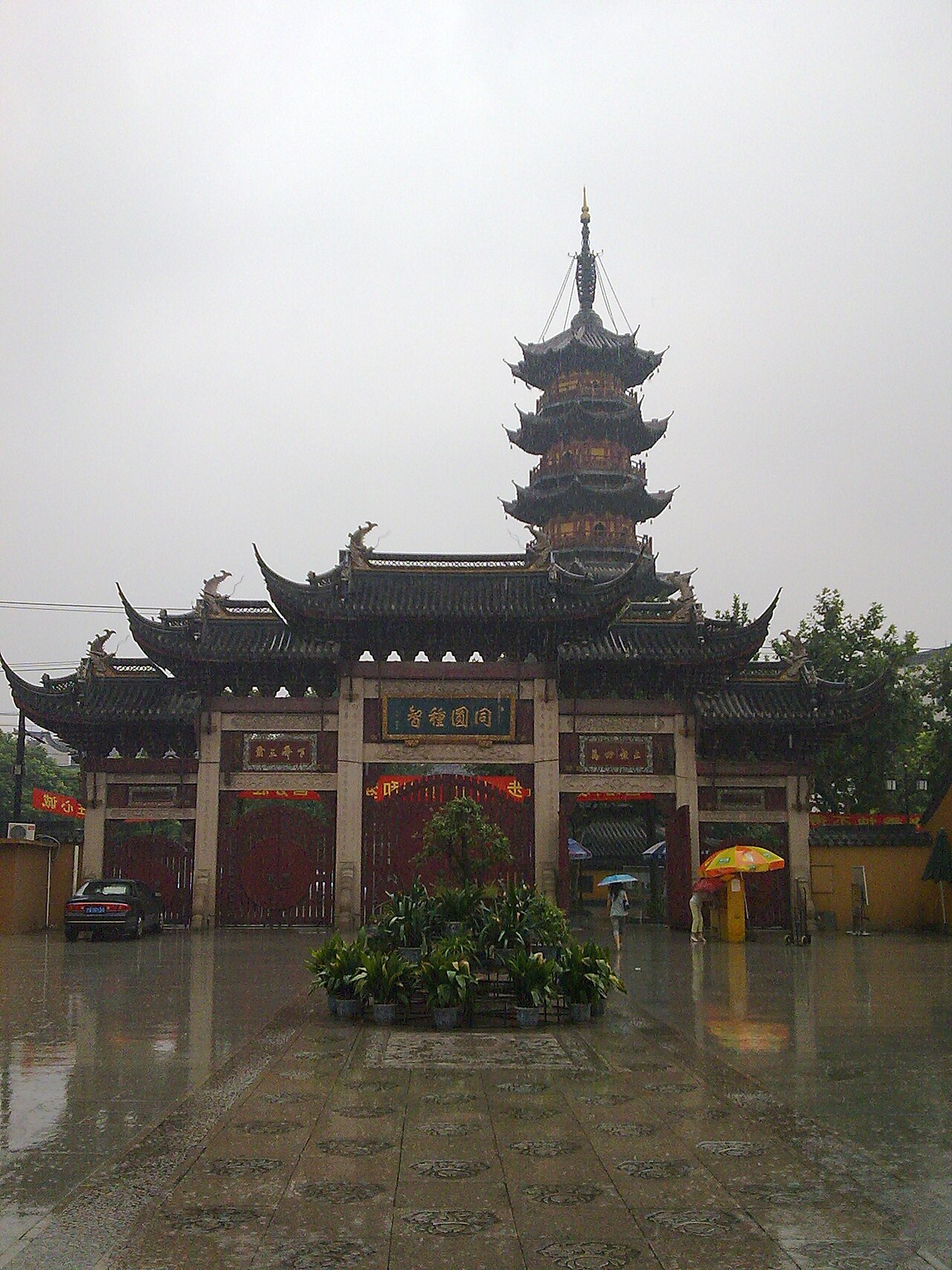
Longhua Temple
- Must see · Heritage site
- Place of worship
Language · 11 published
Museum · Shanghai
西岸艺术中心

West Bund Art Center is a contemporary exhibition venue on Shanghai’s Huangpu River waterfront in Xuhui District. Its setting reflects the West Bund’s change from an industrial riverside area into a cultural quarter. The building’s industrial character gives large exhibitions a spacious, textured backdrop. Visitors come for temporary art, design presentations, cultural events, and major installations rather than a single permanent collection. It works especially well as part of a wider walk along the West Bund, where several museums and galleries occupy the same developing arts corridor. West Bund Art Center is a contemporary cultural venue located along Shanghai's Huangpu River waterfront in the Xuhui District. No. West Bund Art Center is a distinct venue with separate programming. The West Bund area contains multiple cultural institutions including the West Bund Museum, Long Museum, Yuz Museum, and Tank Shanghai. Visitors should verify specific venue names when planning visits.
Checked 2026-08-26 · Source
Inside, broad exhibition halls and high ceilings provide room for installations that would feel cramped in a conventional gallery. The preserved raw surfaces contribute to the atmosphere, while flexible floor plans allow each temporary presentation to create a different visitor experience. The center belongs to a cluster that includes the Long Museum, Yuz Museum, and Tank Shanghai. A visit therefore offers both the exhibition itself and a useful introduction to West Bund’s wider cultural landscape. Plan around the current show, because the interior changes substantially between programmes.
Checked 2026-08-26 · Source
Allow about forty-five minutes to two hours for a focused exhibition visit, depending on the scale of the show and how closely you engage with the works. Large installations, events, or openings can hold attention longer. If you are already visiting the West Bund, add time for the riverside promenade and neighboring cultural venues. A half-day suits travelers who want several art stops without rushing. Those interested mainly in architecture and atmosphere can make the center a shorter stop within a longer waterfront walk.
Checked 2026-08-26 · Source
Spring and autumn are comfortable seasons for linking the center with a riverside walk, while Shanghai’s humid summer can make outdoor movement tiring. Winter is cooler but still practical for combining indoor exhibitions with the waterfront. Weekday mornings usually create a calmer rhythm than busy weekends, especially when the exhibition is popular. The venue’s temporary programme means the character of a visit changes with installations, openings, and events. Treat the art center as an indoor anchor and use the surrounding promenade to shape the rest of the outing.
Checked 2026-08-26 · Source
Admission depends on the exhibition or event being presented. Some programmes may be open without a charge, while major temporary exhibitions can use ticketed entry. Special openings may have separate access arrangements. Because the center does not offer one unchanging visitor experience, the relevant ticket is the one attached to the current programme. Include time in your plan for the exhibition rather than assuming that neighboring West Bund museums share the same admission arrangement. The center is a distinct venue with its own presentation schedule and entry conditions.
Checked 2026-08-26 · Source
The center lies in Shanghai’s West Bund cultural corridor, where riverside paths connect several arts destinations. Longhua Middle Road Station, served by Metro Lines 7 and 12, provides a route toward the area, followed by walking or a local connection. Buses, taxis, and ride-hailing services also serve Xuhui District. Once in West Bund, walking is useful for moving between venues and the Huangpu waterfront. The district is still easier to navigate with a map, particularly when entering from a metro station rather than a riverside approach.
Checked 2026-08-26 · Source
The industrial setting can include hard surfaces, large open halls, and changing layouts, so comfortable shoes help. Outdoor links between cultural venues expose you to sun, humidity, wind, or rain. Exhibition spaces may use security screening, and individual displays can set their own rules about bags, touching, or photography. Crowds are most noticeable around popular events and openings. The strongest plan is flexible: combine the center with the West Bund promenade, but leave enough time for the exhibition rather than treating it as a quick landmark photograph.
Checked 2026-08-26 · Source
The industrial exterior, broad interiors, and Huangpu River setting provide different photographic subjects within one visit. Outdoors, the West Bund promenade gives space for architectural and riverside compositions. Indoors, photography depends on the exhibition and the individual works; follow signs and staff directions, especially where flash or tripods could affect conservation or other visitors. The changing programme means the most distinctive images are tied to the current installation. When interior photography is restricted, the surrounding waterfront and industrial details still offer strong alternatives.
Checked 2026-08-26 · Source
No. West Bund Art Center is a separate venue from West Bund Museum. The same cultural quarter also contains the Long Museum, Yuz Museum, and Tank Shanghai, so keep the venue names distinct when planning an art walk.
It presents temporary contemporary art, design shows, cultural events, and large-scale installations in flexible exhibition halls. The industrial setting is part of the venue’s visual character.
Yes. The West Bund cultural corridor groups several museums and galleries near the Huangpu River, and the promenade makes them suitable for a multi-venue walking itinerary. Allow a half-day for a relaxed combination.
A focused exhibition visit can take about forty-five minutes to two hours. Add more time when the programme includes a large installation, opening, or event, and allow extra time for nearby venues.
The Huangpu River promenade runs through the West Bund cultural area and links the center with nearby museums, galleries, and other riverside spaces. It is a natural continuation of the visit.
Its repurposed industrial architecture, high ceilings, and flexible halls create a different setting from a purpose-built museum. Temporary exhibitions also mean the experience changes significantly from one visit to the next.
Loading the interactive map…
The interactive map could not be loaded.
Last updated:
Source: OpenStreetMap contributors ·