5 min walk
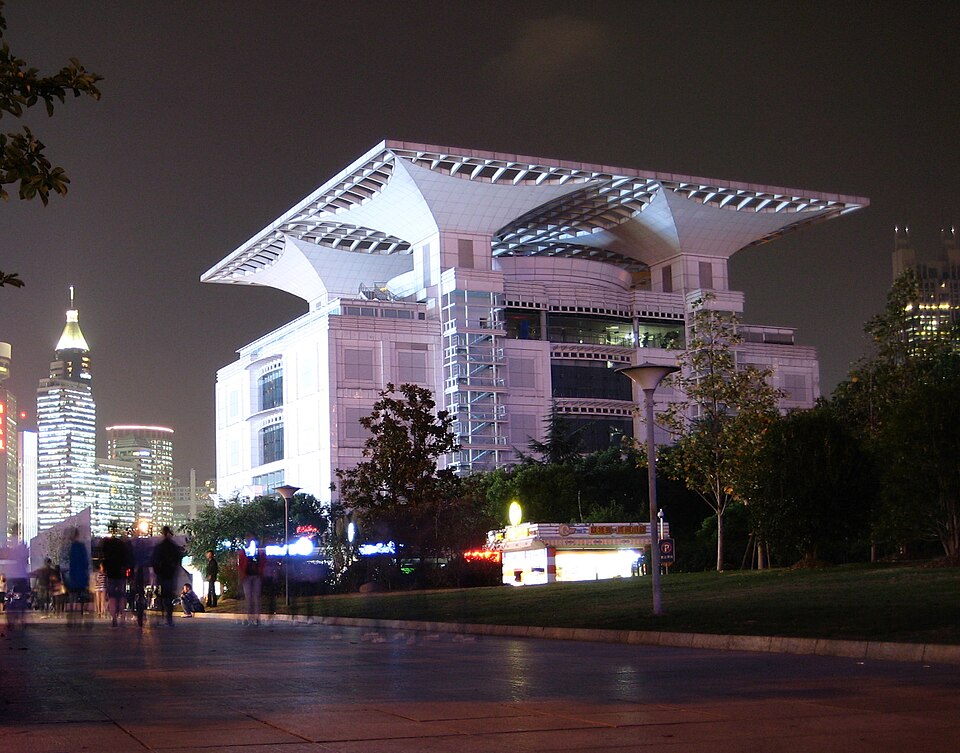
Shanghai Urban Planning Exhibition Center
- Must see
- Museum
Language · 1 published
Activity · Shanghai
南京路
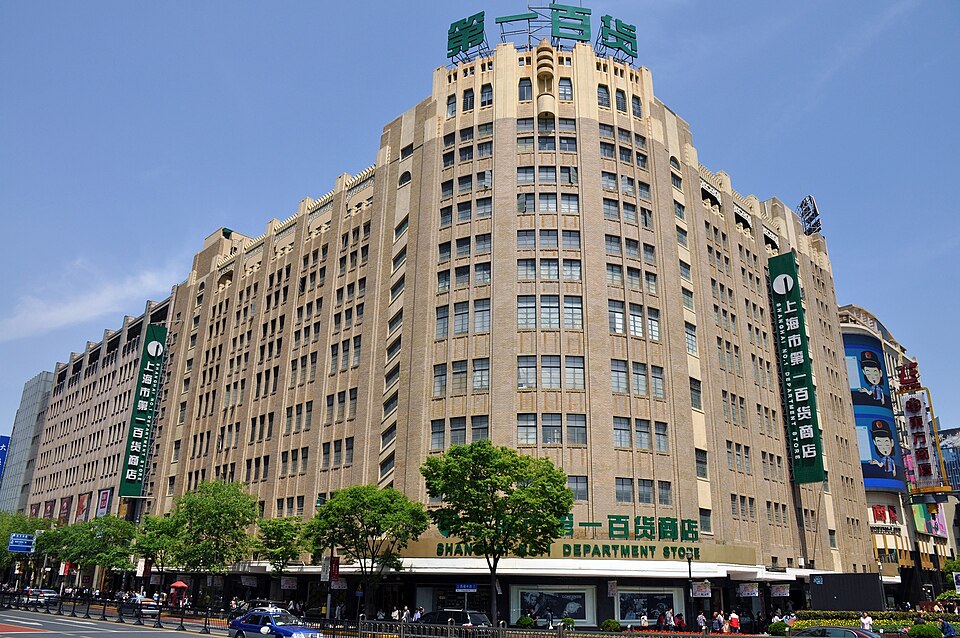
Nanjing Road is a major commercial thoroughfare in Shanghai, widely recognised as one of China's premier shopping streets. The road stretches west from the Bund and divides into Nanjing Road East and Nanjing Road West. It has served as a retail and commercial centre since the late 19th century, evolving from a colonial-era concession street into a modern pedestrianised zone. The eastern section, in particular, draws substantial visitor footfall due to its concentration of stores, restaurants, and historic architecture alongside contemporary developments.
Checked 2026-08-26
The street contains department stores, international brand outlets, specialist retailers, and dining establishments ranging from established Chinese restaurants to global fast-food chains. Historic buildings from the early twentieth century stand among newer commercial structures. The pedestrianised eastern section features decorative elements including a small sightseeing train. Large digital advertising screens illuminate portions of the road after dark. The western section extends toward Jing'an District with additional retail and commercial facilities, though with less concentrated visitor-oriented infrastructure than the eastern pedestrian zone.
Checked 2026-08-26
A straightforward walk along the pedestrianised eastern section requires approximately twenty to thirty minutes without stopping. Visitors typically allocate one to three hours depending on shopping intentions, dining plans, or architectural observation. Evening visits extend duration due to illuminated signage and increased crowd density. Those exploring both eastern and western sections, or entering multiple stores, should anticipate half a day. The area rewards repeated short visits rather than single extended periods, particularly given variable crowd conditions throughout the week. Nanjing Road also earns time in a shanghai itinerary because WIKIDATA_EDITORIAL reconciliation for the ranked entry; identity and coordinates were verified without a nearby fallback. Its value becomes clearer when the stop is compared with the surrounding streets and the other ranked places nearby.
Checked 2026-08-26
Nanjing Road operates as a public thoroughfare without controlled access hours. Individual shops and restaurants maintain independent schedules. Evening hours offer illuminated signage and active street atmosphere, though with elevated visitor density. Daytime visits provide easier pedestrian movement and clearer architectural observation. Weather conditions affect comfort significantly given limited shelter along the pedestrianised section. National holidays and festival periods generate exceptional crowding. Operator-confirmed hours for specific establishments are Not recorded pending review. Visitors should verify individual venue schedules through direct contact or official channels before planning dedicated shopping or dining.
Checked 2026-08-26
No admission fee applies to the pedestrianised street itself. Costs arise from purchases, dining, or optional services such as the small sightseeing train. Price ranges vary substantially across retail and food establishments from budget options to luxury positioning. The sightseeing train charges a separate fare. Operator-confirmed prices for any specific service, attraction, or establishment are Not recorded pending review. Visitors should carry multiple payment methods, as some vendors may prefer or require mobile payment systems common in China, while others accept international cards or cash with varying reliability.
Checked 2026-08-26
The eastern section connects directly to the Bund at its terminus. Multiple Shanghai Metro stations serve different portions: East Nanjing Road station intersects Lines 2, 10, and 12 near the Bund connection; People's Square station on Lines 1, 2, and 8 provides access to the central pedestrian zone; West Nanjing Road station on Lines 2, 12, and 13 serves the western extension. Numerous bus routes operate along parallel or crossing streets. Taxis and ride-hailing services access adjacent roads, though vehicle restrictions apply to the pedestrianised core.
Checked 2026-08-26
Crowd density reaches extreme levels during national holidays, weekends, and evening hours, creating mobility difficulties and elevated risk of separation from companions. Street promoters for various services operate in the area; visitors should exercise independent judgement regarding unsolicited approaches. Pedestrian traffic flows predominantly in both directions without lane discipline, requiring awareness of surrounding movement. Weather exposure is significant along the pedestrianised section with limited covered areas. Bag security warrants attention in dense conditions. The transition between pedestrianised and vehicle-accessible sections occurs without prominent demarcation in some locations.
Checked 2026-08-26
The illuminated signage and architectural mixture provide substantial photographic interest, particularly during twilight and early evening hours. Tripod use may obstruct pedestrian flow and should be exercised with consideration for crowd conditions. Large digital screens create challenging exposure conditions requiring camera adjustment. The Bund terminus offers contextual shots incorporating the Huangpu River skyline. Commercial signage photography raises no apparent restrictions, though individual stores may enforce interior photography limits. Early morning provides cleaner architectural documentation with reduced crowd interference. Night photography benefits from the extensive artificial lighting, though high contrast between bright signage and darker building facades demands technical attention.
Checked 2026-08-26
Only the eastern section is fully pedestrianised. The western section accommodates vehicle traffic.
Yes, the eastern section terminates at the Bund, permitting direct pedestrian connection.
Facilities exist within department stores and commercial buildings; standalone public facility locations are Not recorded pending review.
No, the train is optional. The entire pedestrianised section is walkable without charge.
Acceptance varies considerably. Mobile payment systems predominate in China; visitors should prepare multiple payment options.
The pedestrianised section is physically accessible, though extreme crowding during peak periods presents practical challenges for families with young children.
Loading the interactive map…
The interactive map could not be loaded.
Last updated:
Source: OpenStreetMap contributors, Wikidata ·