
8 min walk
Capital Museum
- Must see
- Museum
Language · 11 published
Place of worship · Beijing
| Monday | 08:30 – 16:30 |
|---|---|
| Tuesday | 08:30 – 16:30 |
| Wednesday | 08:30 – 16:30 |
| Thursday | 08:30 – 16:30 |
| Friday | 08:30 – 16:30 |
| Saturday | 08:30 – 16:30 |
| Sunday | 08:30 – 16:30 |
Checked 2026-08-31 · Source
Read from the OpenStreetMap access tags; anything not listed has no tag recorded.
Set the group type to family in the planner and the day window contracts to about three quarters of a solo day.
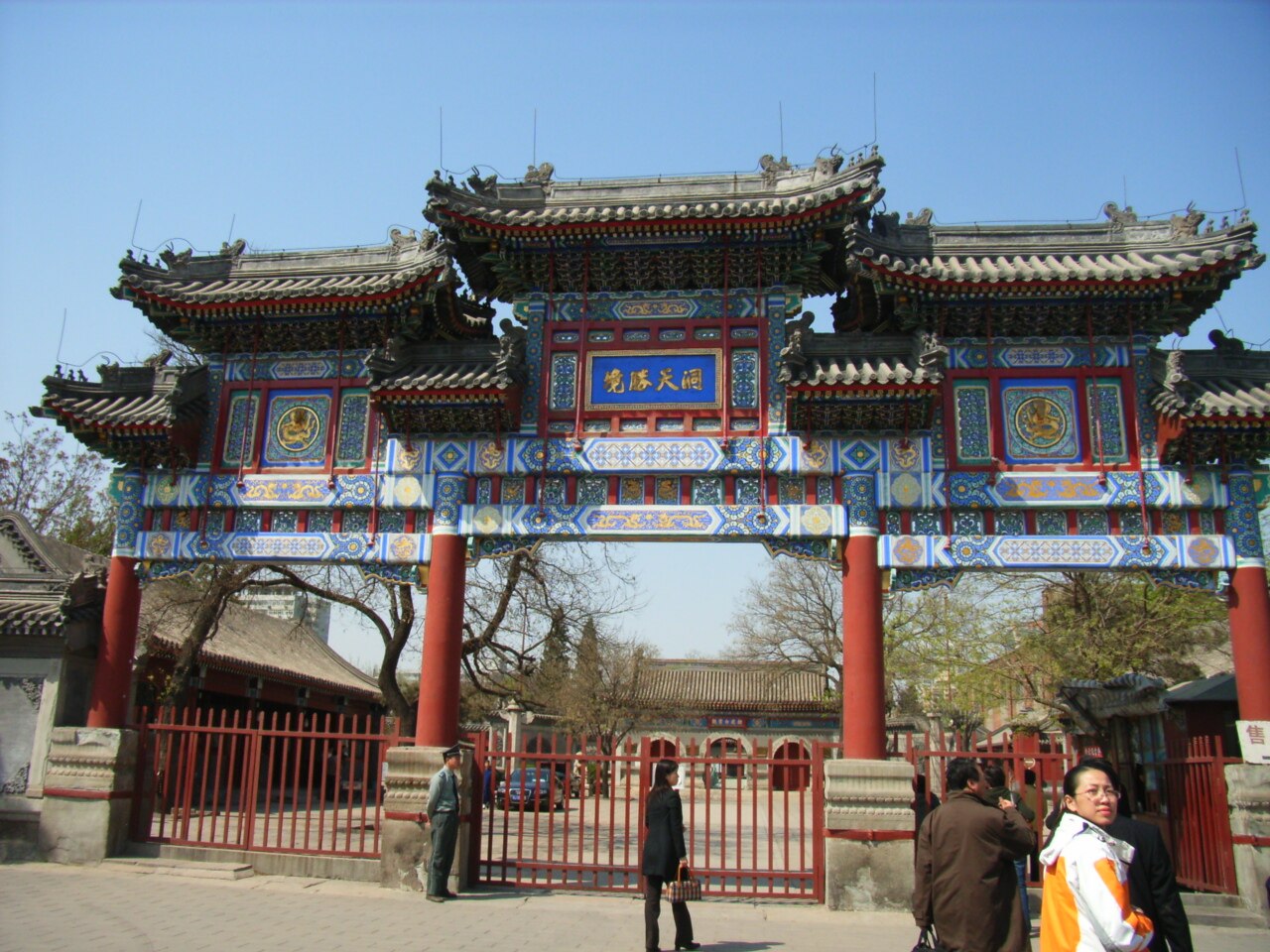
White Cloud Temple, or Baiyun Guan, is Beijing's principal Taoist monastery, an ancestral centre of the Quanzhen tradition and headquarters of the China Taoist Association. Its origins reach back to the Tang period, while the surviving halls largely reflect later rebuilding. The active complex combines worship, clerical life, teaching and public pilgrimage. Visitors pass a succession of courtyards dedicated to Taoist deities and to Qiu Chuji, the influential Quanzhen master associated with the site. Standard admission is CNY 10, making the temple an accessible introduction to living Taoist practice rather than only an architectural monument.
Checked 2026-08-31 · Source
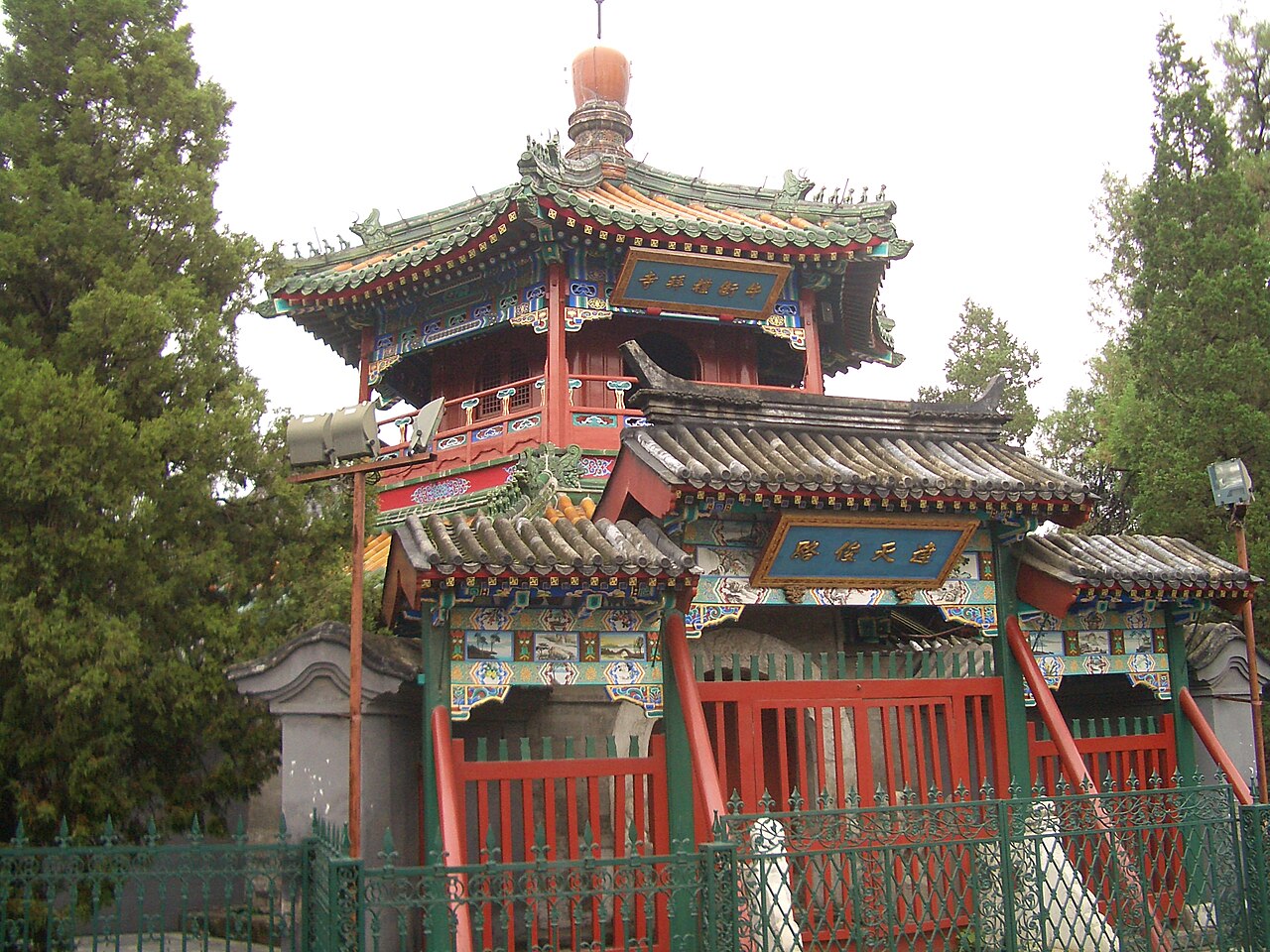
The temple complex contains multiple halls, courtyards, and traditional structures arranged in classical Chinese architectural style. Visitors encounter incense burners, stone steles, and religious statuary throughout the grounds. The layout follows traditional temple design principles with sequential courtyards leading deeper into the sacred space. Various halls serve different ceremonial functions within Taoist practice. Gardens and trees intersperse the built environment, creating contemplative spaces. The ongoing religious activities maintain the temple's function as an active place of worship rather than a purely historical monument.
Checked 2026-08-26
Visitors typically allocate between one and two hours for exploring White Cloud Temple. This duration allows for a measured walk through the principal courtyards and halls without rushing. Those with particular interest in Taoist architecture, religious practice, or seeking a contemplative experience may wish to extend their stay. The compact nature of the temple complex means that even a shorter visit yields meaningful exposure to its atmosphere. Photography enthusiasts and those engaging with temple activities should plan additional time accordingly. A flexible visit lets travellers connect White Cloud Temple with the rest of the day without treating one room, viewpoint or photograph as the whole experience. The useful pace depends on personal interest and conditions on arrival.
Checked 2026-08-26
From 1 May to 7 October White Cloud Temple is open 08:30-16:30; from 8 October to 30 April it opens 08:00-16:00. Morning is calmer and gives more time before halls begin closing. The first lunar month is the busiest period because the temple fair and celebrations connected with Qiu Chuji draw pilgrims and visitors; ordinary circulation and atmosphere change substantially. Outside festival dates, weekdays are quieter. Summer courtyards can be hot, while winter stone paving becomes cold and occasionally slippery. Religious rites always take priority over sightseeing access.
Checked 2026-08-31 · Source
Standard admission is CNY 10. This covers the public temple route but not a right to enter clerical rooms, ceremonies or temporarily closed halls. Spring Festival temple-fair arrangements can introduce event controls or adjusted access. Buy through the temple's ordinary entrance rather than a bundled third-party tour. Incense, offerings, fortune-related activities and purchases are optional and separate from the ticket. Keep a small renminbi payment option available. The low ticket price reflects access to an active religious complex, so respectful conduct remains a condition of the visit.
Checked 2026-08-31 · Source
White Cloud Temple is at 9 Baiyunguan Street in Xicheng District. Muxidi Station on Subway Line 1 provides the most direct rail approach, followed by a walk toward Baiyunguan Street. Another route uses Fuchengmen Station on Line 2 and bus 80 to Baiyunguan. Buses 19, 48 and 114 also serve the surrounding roads. Give drivers the Chinese name 北京白云观 and the street address. The entrance sequence is easy to identify by its ceremonial arch and gate, but historic thresholds begin inside the complex.
Checked 2026-08-31 · Source
Active religious practice occurs throughout the temple; visitors must demonstrate appropriate respect for worshippers and ceremonies. Photography restrictions may apply in certain halls or during rituals. Incense smoke permeates the environment and may affect sensitive individuals. Crowding fluctuates unpredictably. Footing on ancient stone surfaces requires attention, particularly in wet conditions. Visitors should dress modestly as befits a religious site. Commercial activities near temple entrances warrant cautious engagement. Language barriers may complicate understanding of specific rules or ongoing activities. Personal belongings require standard urban vigilance.
Checked 2026-08-26
The ceremonial arch, layered courtyards, vermilion halls and roof details provide strong exterior subjects. Morning light and thinner crowds make the axial compositions easier. Personal photography should remain handheld and must not interrupt Taoist rites, incense offerings or lines for popular customs such as finding the carved stone monkeys. Ask before photographing priests or interiors, and never use flash around altars or worshippers. Tripods can obstruct thresholds and the partially accessible route. Commercial, staged or drone work needs explicit temple permission; ordinary admission covers personal memories only.
Checked 2026-08-31 · Source
From 1 May to 7 October, 08:30-16:30.
Standard admission is CNY 10.
Partially. Courtyards are mostly level, while thresholds, bridge features and raised halls interrupt the route.
Muxidi Station on Line 1 is the most direct rail approach.
Yes. It is a working Taoist monastery and headquarters of the China Taoist Association.
The major fair runs during the first lunar month around Spring Festival, when hours, crowds and activities differ from ordinary visits.
Loading the interactive map…
The interactive map could not be loaded.
Last updated:
Source: OpenStreetMap contributors ·