Royal Ontario Museum
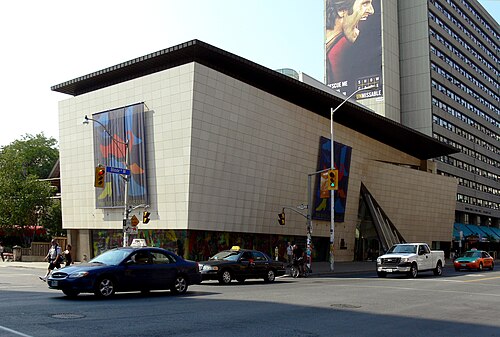
Royal Ontario Museum is Canada's principal museum of world cultures and natural history. The current Toronto research set places this exact production identity within the city's first ten publishable matches.
- Must see
- Museum
Language · 11 published
City guide · Canada
Toronto is a city of neighbourhoods arranged around a compact downtown and long transit corridors. The City Centre contains the financial, entertainment and waterfront districts; Old Town lies east, the Westside extends through Queen West and beyond, and Midtown and Uptown follow the main north-south axes. Toronto Islands, Scarborough and Etobicoke are separate trips. Group downtown sights on foot and use the TTC for wider movement.
Ranked by importance — sitelinks, pageviews and heritage status, not editor preference.
48 places match
Category
Typical visit duration
Interests
Royal Ontario Museum is Canada's principal museum of world cultures and natural history. The current Toronto research set places this exact production identity within the city's first ten publishable matches.
Hockey Hall of Fame is Canada's national ice-hockey institution and the visitor venue associated with the Stanley Cup. The current Toronto research set places this exact production identity within the city's first ten publishable matches.
Aga Khan Museum is a purpose-built Toronto museum devoted to Muslim civilisations, art, and culture. The current Toronto research set places this exact production identity within the city's first ten publishable matches.
Bata Shoe Museum is an internationally distinctive Toronto museum devoted to footwear and its cultural history. The current Toronto research set places this exact production identity within the city's first ten publishable matches.
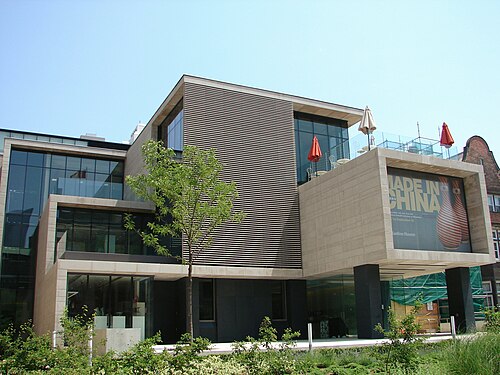
Gardiner Museum is Canada's principal ceramics museum, positioned across Queen's Park from the Royal Ontario Museum. The current Toronto research set places this exact production identity within the city's first ten publishable matches.
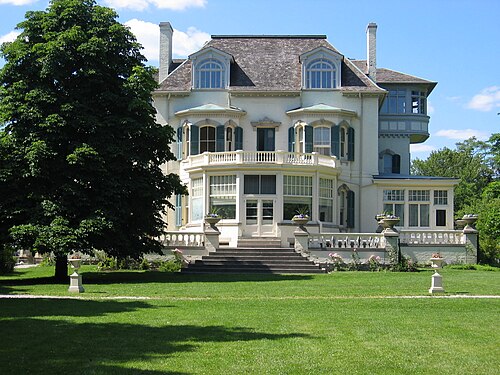
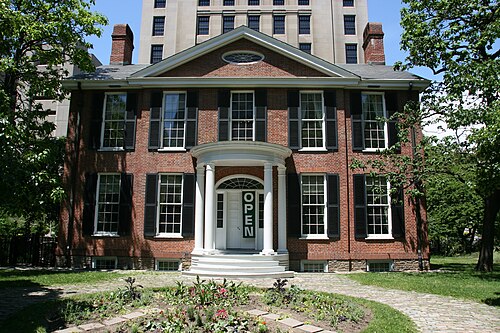
Spadina Museum is a historic house museum in Toronto. It occupies a former upper-class residence that preserves and interprets the lifestyle of wealthy Toronto families across multiple historical periods.
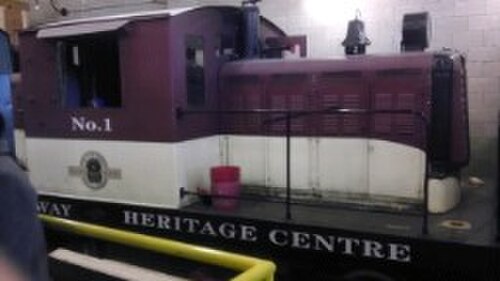
The Toronto Railway Museum occupies the historic John Street Roundhouse, a former locomotive maintenance facility in downtown Toronto. The museum preserves and interprets Toronto's railway heritage through a collection of rolling stock and related artifacts.
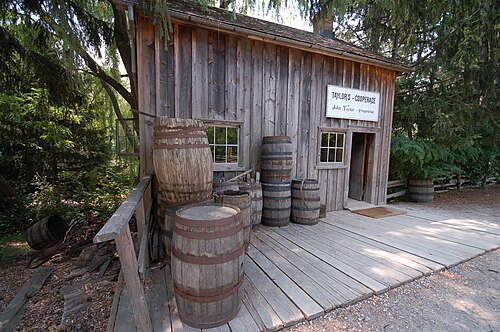
Black Creek Pioneer Village is an open-air heritage museum in Toronto that interprets 19th-century rural Ontario life. The site preserves and presents historical buildings, landscapes, and traditions from the Victorian era in what was formerly the Township of York.
The McMichael Canadian Art Collection is an art museum in Kleinburg, Ontario, northwest of Toronto. It holds a major collection focused on the Group of Seven, Canadian landscape painters active in early twentieth century.
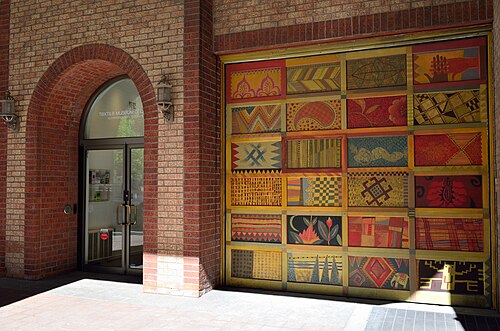
The Textile Museum of Canada is a specialist museum in Toronto dedicated to textile arts and material culture from around the world.
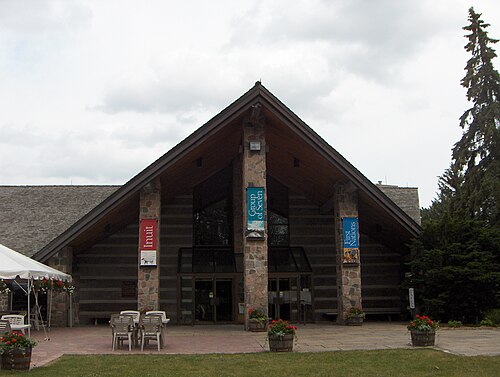
Scarborough Museum is a heritage museum operated by the City of Toronto within Thomson Memorial Park. The site comprises four historic buildings that collectively interpret the history and development of Scarborough, a former municipality now part of Toronto.
Campbell House Museum is a historic house museum in Toronto, Ontario. Built in 1822 for Sir William Campbell, Chief Justice of Upper Canada, it is recognized as Toronto's oldest surviving building from its original era.
Source: OpenStreetMap contributors, Wikidata ·
Lake Ontario forms Toronto's southern edge, with the downtown core immediately north of the waterfront. The Entertainment District and Financial District sit centrally; Old Town and the Distillery District are east, while Queen West, Ossington and High Park extend west. Midtown and Uptown follow Yonge Street north. The Toronto Islands require a ferry, and Scarborough and Etobicoke sit well outside the central walking area.
Checked 2026-08-26
Walk through the compact downtown and use the TTC subway, streetcars and buses for longer journeys. Streetcars are particularly useful across east-west neighbourhood corridors, while the subway handles the principal north-south and cross-city axes. The PATH provides an underground pedestrian network through the downtown core. Ferries serve the Toronto Islands, and regional rail is useful for airport and Greater Toronto connections.
Checked 2026-08-26
A fixed stay length is not recorded. Plan the downtown and waterfront first, then add neighbourhoods, Toronto Islands or an outer district according to your interests.
Yes. The City Centre, waterfront, Old Town and nearby westside districts are accessible on foot, with the TTC available for longer links.
Use a combination of walking and TTC subway, streetcar and bus services. The network connects downtown with neighbourhoods along the city's main corridors.
PATH is an underground pedestrian network through downtown Toronto. It links buildings and services and can provide a sheltered walking option in poor weather.
No. The islands are offshore and require a ferry or another authorised water connection. Treat them as a separate excursion from the downtown waterfront.
Set your days, your pace and the hours you actually want to be out. The planner works around closing days and travel time, and leaves room to eat.