Smart Self-Managed Tours

City guide · Canada

Toronto

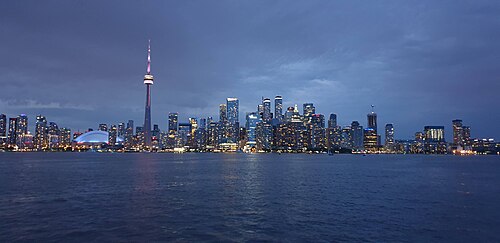
A photograph of Toronto
Photograph · Jchmrt · CC BY-SA 4.0

Toronto is a city of neighbourhoods arranged around a compact downtown and long transit corridors. The City Centre contains the financial, entertainment and waterfront districts; Old Town lies east, the Westside extends through Queen West and beyond, and Midtown and Uptown follow the main north-south axes. Toronto Islands, Scarborough and Etobicoke are separate trips. Group downtown sights on foot and use the TTC for wider movement.

Practical information

Language spoken
English and French
National practical orientation; regional and minority languages may also be used
Dialling code
+1
International calling code; local area and mobile prefixes still apply
Currency
Canadian dollar (CAD)
Use the official local currency; card acceptance varies by place
Emergency number
911
Use only for an emergency; tourist assistance may use a separate number
Plug type
Type A and B · 120 V
Check that chargers support the recorded voltage before using an adapter
Tap water
Not recorded
Water systems and advisories are managed by multiple jurisdictions

Turn this list into a plan

Set your days, your pace and the hours you actually want to be out. The planner works around closing days and travel time, and leaves room to eat.

Plan Toronto

Planning a visit

Suggested stay
Not recorded
Getting around
Walk and use TTC subway, streetcar and bus services
  1. January: recurring difficult conditions
  2. February: recurring difficult conditions
  3. March: viable with meaningful trade-offs
  4. April: good time to visit
  5. May: good time to visit
  6. June: best time to visit
  7. July: best time to visit
  8. August: good time to visit — current month
  9. September: best time to visit
  10. October: good time to visit
  11. November: viable with meaningful trade-offs
  12. December: viable with meaningful trade-offs
  • Best time
  • Good time
  • Viable with trade-offs
  • Difficult conditions

Sources

Top things to see

Ranked by importance — sitelinks, pageviews and heritage status, not editor preference.

  1. St. Lawrence Market South St. Lawrence Market South
    02 45 min

    St. Lawrence Market South

    St. Lawrence Market is a historic public market in Toronto, widely recognised as the city's most important food-hall destination.

    • Must see
    • Historic monument
  2. Distillery District Distillery District
    03 45 min

    Distillery District

    Distillery District is a pedestrian historic distillery precinct combining industrial architecture, galleries, food, and seasonal programming. The current Toronto research set places this exact production identity within the city's first ten publishable matches.

    • Must see
    • Historic monument
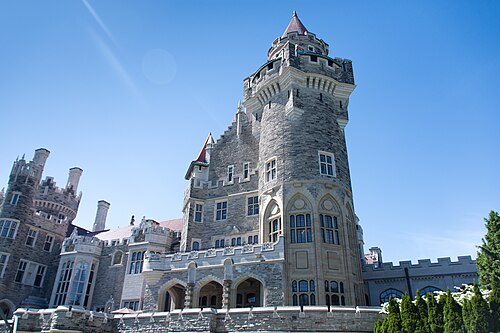
  3. Casa Loma Casa Loma
    04 45 min

    Casa Loma

    Casa Loma is a Gothic Revival style mansion and museum in Toronto, Ontario. Built in the early twentieth century, it stands as Toronto's singular castle museum and a major architecture destination.

    • Must see
    • Historic monument
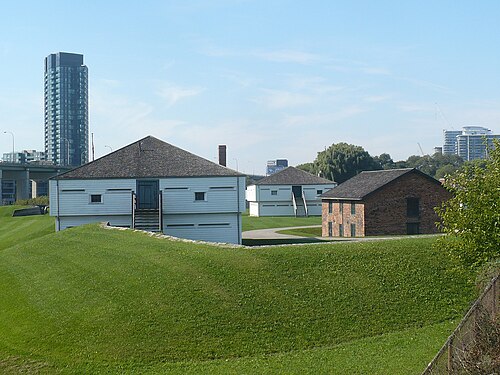
  4. Fort York Fort York
    05 45 min

    Fort York

    Fort York National Historic Site is a National Historic Site preserving the War of 1812 garrison and Toronto's military origins. The current Toronto research set places this exact production identity within the city's first ten publishable matches.

    • Must see
    • Historic monument
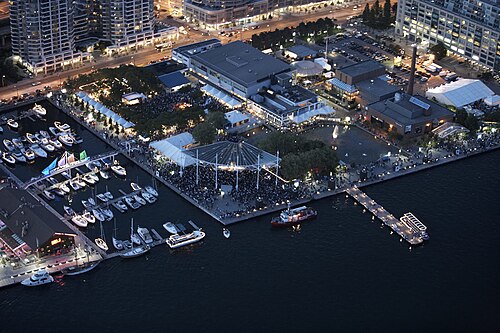
  5. Harbourfront Centre Harbourfront Centre
    06 45 min

    Harbourfront Centre

    Harbourfront Centre is Toronto's principal waterfront arts and festival venue. It occupies a significant stretch of the city's Lake Ontario shoreline and serves as a major cultural hub for performing arts, visual arts, and community programming.

    • Must see
    • Historic monument
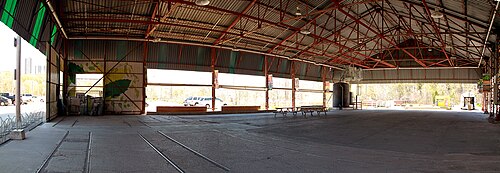
  6. Evergreen Brick Works Evergreen Brick Works
    07 45 min

    Evergreen Brick Works

    Evergreen Brick Works is a reused former brick manufacturing site located in Toronto's Don Valley. The facility operated as a brickworks for much of the twentieth century before its transformation.

    • Must see
    • Historic monument
  7. Nathan Phillips Square Nathan Phillips Square
    08 45 min

    Nathan Phillips Square

    Nathan Phillips Square is Toronto's primary civic square, serving as the city's central public gathering space and a signature landmark. Located directly in front of Toronto City Hall, it functions as the symbolic heart of municipal governance and community celebration.

    • Must see
    • Historic monument
  8. Old City Hall Old City Hall
    09 45 min

    Old City Hall

    Old City Hall is a heritage civic building in downtown Toronto, completed in 1899 and designed by architect E.J. Lennox in the Richardsonian Romanesque style.

    • Must see
    • Historic monument
  9. Yonge Dundas Square Yonge Dundas Square
    10 45 min

    Yonge Dundas Square

    Sankofa Square

    Sankofa Square is a central public square in Toronto's entertainment district, formerly known as Yonge-Dundas Square. The space serves as an outdoor gathering place in a high-traffic downtown location.

    • Must see
    • Historic monument
  10. Mackenzie House Mackenzie House
    11 45 min

    Mackenzie House

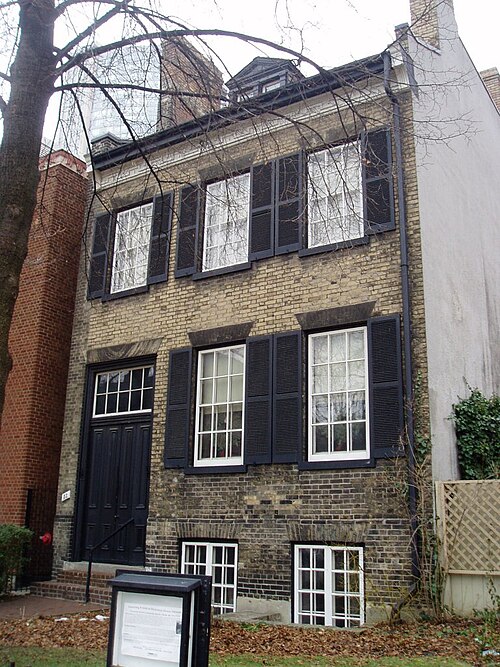
    Mackenzie House is a historic house museum in Toronto, Canada. It was the final home of William Lyon Mackenzie, who served as Toronto's first mayor and was a prominent political reformer.

    • Must see
    • Historic monument
  11. Colborne Lodge Colborne Lodge
    12 45 min

    Colborne Lodge

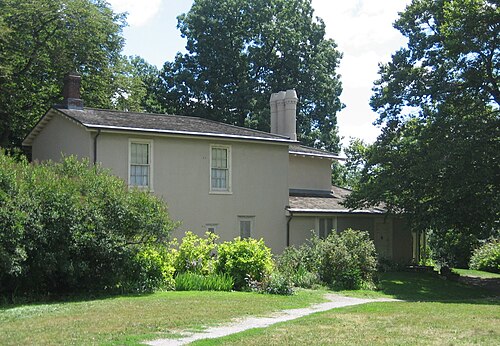
    Colborne Lodge is a historic house museum situated in High Park, Toronto. Built in 1836, it was the home of John George Howard, an architect and engineer who played a significant role in the city's early development.

    • Must see
    • Historic monument
  12. Todmorden Mills Todmorden Mills
    13 45 min

    Todmorden Mills

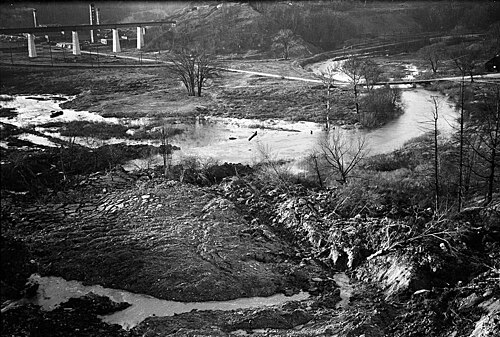
    Todmorden Mills is a heritage site located in the Don Valley of Toronto, Ontario. It preserves the industrial and village history of the area, which was once a significant milling centre along the Don River.

    • Must see
    • Historic monument
  13. The Bentway The Bentway
    16 45 min

    The Bentway

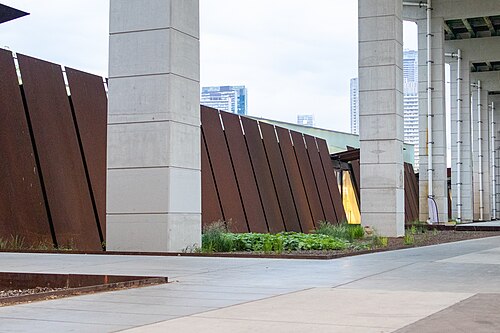
    The Bentway is a public realm and arts space located beneath the elevated Gardiner Expressway in Toronto. It functions as a linear corridor connecting the historic Fort York district to the city's waterfront area.

    • High
    • Historic monument
  14. Taber Hill
    22 45 min

    Taber Hill

    Tabor Hill Monument

    • High
    • Historic monument
  15. Fort Rouillé
    24 45 min

    Fort Rouillé

    Fort Rouillé Monument

    • High
    • Historic monument
  16. Keg Mansion
    30 45 min

    Keg Mansion

    The Keg - Steakhouse + Bar - Mansion

    • High
    • Historic monument
  17. Behemoth
    33 45 min

    Behemoth

    • High
    • Historic monument
  18. Ned Hanlan
    34 45 min

    Ned Hanlan

    Ned Hanlan ship

    • High
    • Historic monument
  19. Dragon Fire
    36 45 min

    Dragon Fire

    Dragon Fyre

    • High
    • Historic monument
  20. DareDeviler
    40 45 min

    DareDeviler

    The Daredeviler

    • High
    • Historic monument
  21. Sledgehammer
    46 45 min

    Sledgehammer

    Sledge Hammer

    • High
    • Historic monument
  22. Vortex
    48 45 min

    Vortex

    • High
    • Historic monument
  23. Wild Beast
    49 45 min

    Wild Beast

    Wilde Beast

    • High
    • Historic monument

Source: OpenStreetMap contributors, Wikidata ·

How the city is laid out

Lake Ontario forms Toronto's southern edge, with the downtown core immediately north of the waterfront. The Entertainment District and Financial District sit centrally; Old Town and the Distillery District are east, while Queen West, Ossington and High Park extend west. Midtown and Uptown follow Yonge Street north. The Toronto Islands require a ferry, and Scarborough and Etobicoke sit well outside the central walking area.

Checked 2026-08-26

Getting around

Walk through the compact downtown and use the TTC subway, streetcars and buses for longer journeys. Streetcars are particularly useful across east-west neighbourhood corridors, while the subway handles the principal north-south and cross-city axes. The PATH provides an underground pedestrian network through the downtown core. Ferries serve the Toronto Islands, and regional rail is useful for airport and Greater Toronto connections.

Checked 2026-08-26

Common questions

How many days should I spend in Toronto?

A fixed stay length is not recorded. Plan the downtown and waterfront first, then add neighbourhoods, Toronto Islands or an outer district according to your interests.

Is downtown Toronto walkable?

Yes. The City Centre, waterfront, Old Town and nearby westside districts are accessible on foot, with the TTC available for longer links.

What is the best way to get around Toronto?

Use a combination of walking and TTC subway, streetcar and bus services. The network connects downtown with neighbourhoods along the city's main corridors.

What is the PATH?

PATH is an underground pedestrian network through downtown Toronto. It links buildings and services and can provide a sheltered walking option in poor weather.

Can I walk to the Toronto Islands?

No. The islands are offshore and require a ferry or another authorised water connection. Treat them as a separate excursion from the downtown waterfront.