


26 min walk
Sunnyside Beach
- Must see
- Nature site
Language · 11 published
Museum · Toronto
Reviewed by Elena Voss · SSMTour Travel Editor
| Monday | Closed |
|---|---|
| Tuesday | Closed |
| Wednesday | 11:00 – 17:00 |
| Thursday | 11:00 – 17:00 |
| Friday | 12:00 – 21:00 |
| Saturday | 10:00 – 17:00 |
| Sunday | 10:00 – 17:00 |
Checked 2026-08-31 · Source
Read from the OpenStreetMap access tags; anything not listed has no tag recorded.
Set the group type to family in the planner and the day window contracts to about three quarters of a solo day.
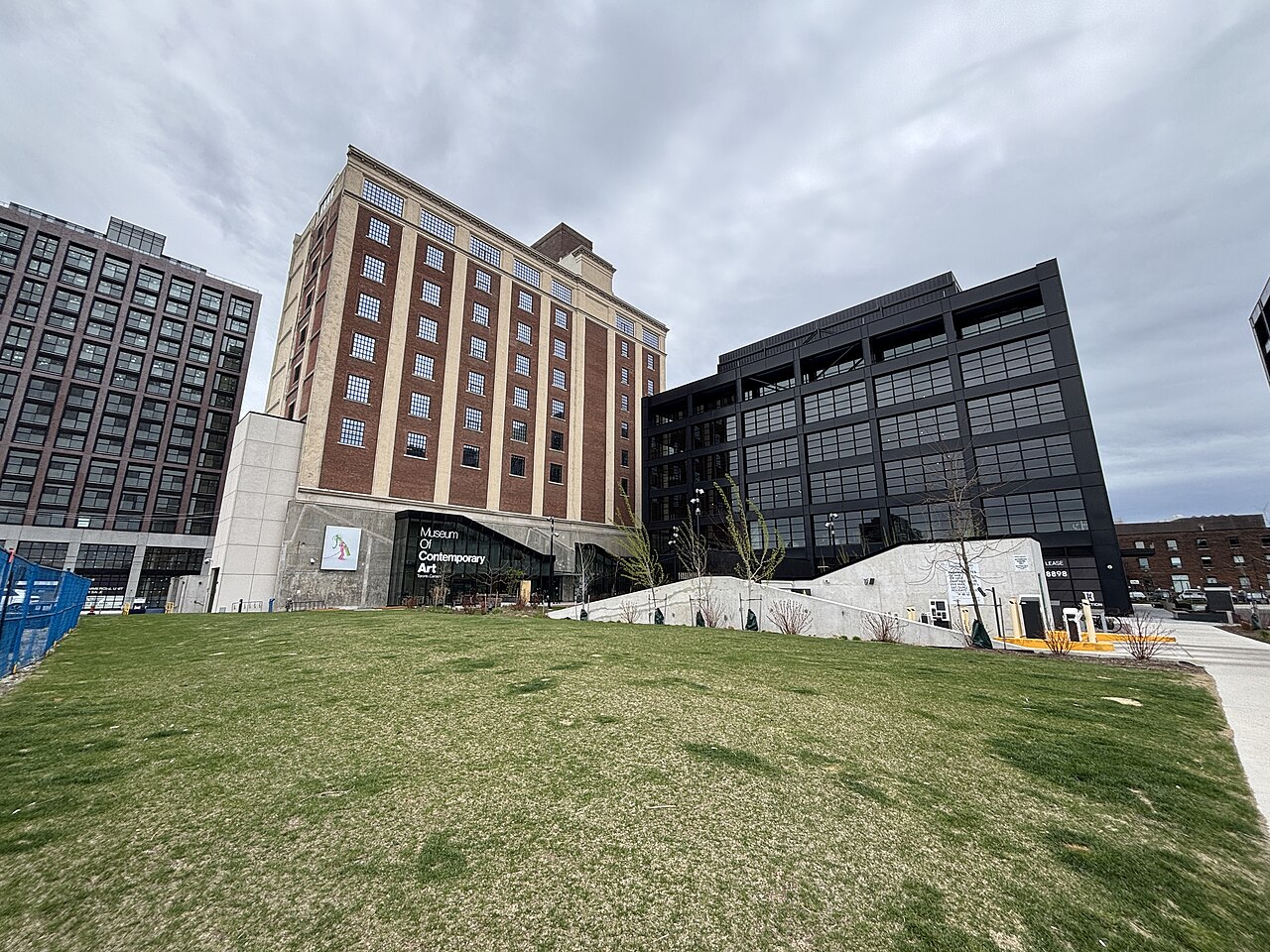
The Museum of Contemporary Art Toronto Canada, commonly called MOCA Toronto, is a contemporary-art institution in Toronto’s Junction Triangle. It occupies a former industrial building, connecting the museum experience with the neighbourhood’s manufacturing heritage and changing urban character. The programme focuses on art from the late twentieth and twenty-first centuries, with Canadian and international artists represented through exhibitions, performances, and educational activity. Visit for the ideas, materials, and spatial experience of contemporary art, then give yourself time to notice how the industrial setting frames the galleries rather than treating the museum as a conventional historic collection.
Checked 2026-08-26 · Source
MOCA Toronto’s galleries present changing contemporary-art exhibitions, including solo and group projects by emerging and established artists. Works can span installations, painting, sculpture, video, and interdisciplinary practice, so the visual language may shift significantly from one room to the next. Performances, talks, and workshops form part of the institution’s wider relationship with the public. The former industrial structure is part of the atmosphere: broad architectural surfaces and gallery spaces encourage visitors to consider both the artworks and the building that contains them. Read slowly, compare rooms, and let the exhibition sequence shape the visit.
Checked 2026-08-26 · Source
Plan one to three hours for MOCA Toronto, depending on the scale of the exhibitions and how closely you engage with the work. A quick visit can focus on the principal galleries, while a slower visit benefits from reading labels, comparing media, and spending time with installations. Performances, talks, workshops, and the building’s industrial character can extend the experience. Contemporary art rewards pauses, so avoid measuring the visit only by the number of rooms completed. Leave enough flexibility to connect the museum with a Junction Triangle walk or another west-end stop.
Checked 2026-08-26 · Source

MOCA Toronto is an indoor cultural stop that can anchor a Toronto day in any season. Weekday and weekend visits can feel different because public programming and audience patterns change the atmosphere. The Junction Triangle also has a distinct neighbourhood character, making the surrounding streets worth noticing before or after the galleries. Give extra flexibility to periods around exhibition changes, performances, talks, or workshops, when the rhythm of the visit may differ from a simple gallery walk. A quieter pace helps when you want to spend time with installations and interpretive material.
Checked 2026-08-26 · Source
Plan MOCA Toronto as a dedicated contemporary-art visit rather than a quick pass between unrelated attractions. The museum’s value comes from changing exhibitions, performances, talks, workshops, and the experience of art within a former industrial building. Set aside enough time for the galleries and keep the rest of the day adaptable, especially if you want to connect the museum with a Junction Triangle walk. Admission arrangements can shape the timing of a cultural itinerary, so place the museum where the day has room for a considered visit rather than a rushed arrival and departure.
Checked 2026-08-26 · Source
MOCA Toronto is in the Junction Triangle, in Toronto’s west end. The neighbourhood is served by surface transit, including bus and streetcar connections, while subway approaches involve a further surface connection. Cycling is also part of the surrounding urban movement. Build time for the final approach through a former industrial area that is now changing and developing. If driving, treat parking as a separate planning concern rather than an automatic part of the museum visit. Pair the museum with nearby west-end streets or cultural stops to keep the day geographically coherent.
Checked 2026-08-26 · Source

Contemporary exhibitions can include challenging or provocative material, and the tone may change from one gallery to another. Read the room’s context and allow children or sensitive visitors space to engage at their own pace. The former industrial building can make the museum feel architecturally distinctive, while its multi-level arrangement may affect how you move between galleries. Junction Triangle streets may include construction or development activity as the neighbourhood changes. Keep personal belongings close, follow gallery boundaries, and give installations enough space for other visitors to experience them.
Checked 2026-08-26 · Source
Treat photography at MOCA Toronto as part of the gallery etiquette. Contemporary artworks may have different image permissions, especially when exhibitions include installations, video, loans, or commissioned projects. Follow the signs in each space and respect staff guidance. When photography is permitted, the former industrial building offers strong architectural context: frame the relationship between scale, surface, artwork, and visitor movement. Keep viewpoints clear, avoid interrupting another person’s concentration, and let a small number of deliberate images record the exhibition more effectively than constant shooting.
Checked 2026-08-26 · Source
MOCA Toronto is a contemporary-art institution in the Junction Triangle, housed in a former industrial building and focused on late twentieth- and twenty-first-century art.
The programme can include installations, paintings, sculptures, video works, and interdisciplinary projects by Canadian and international artists.
Allow one to three hours, depending on the exhibition scale, your reading pace, and whether you attend a performance, talk, or workshop.
The museum is in Toronto’s Junction Triangle, a west-end neighbourhood with bus, streetcar, cycling, and connecting surface-transit options.
Its wider programme includes performances, talks, workshops, and educational initiatives connected with contemporary artistic practice.
MOCA Toronto occupies a former industrial building, so the architecture and Junction Triangle’s manufacturing heritage form an important part of the setting.
Loading the interactive map…
The interactive map could not be loaded.

Last updated:
Source: OpenStreetMap contributors ·