

95 min walk
Parc Alexander
- Notable
- Nature site
Language · 11 published
Nature site · Montreal
Parc-nature du Bois-de-Liesse
Reviewed by Elena Voss · SSMTour Travel Editor
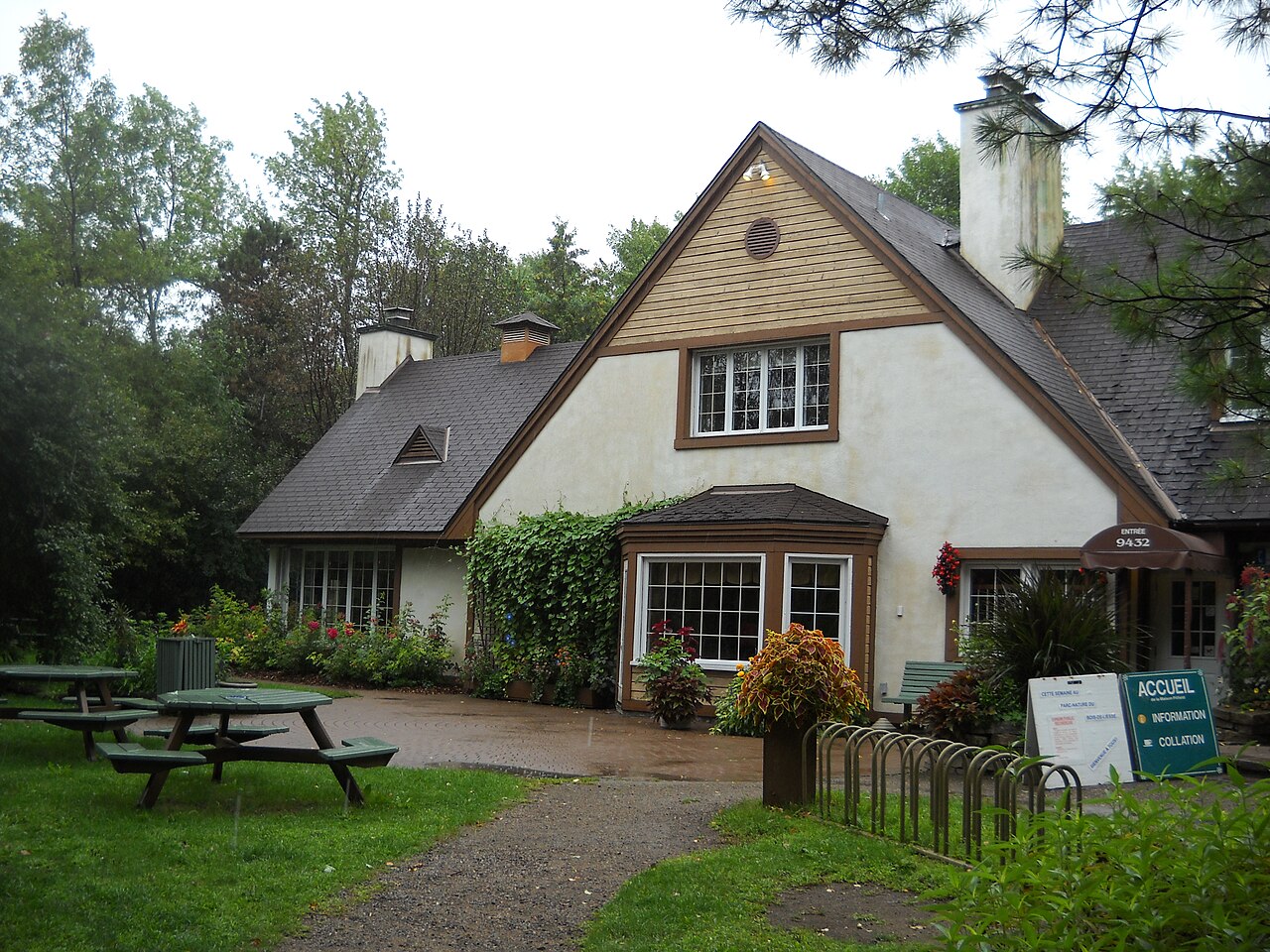
Bois-de-Liesse Nature Park, also known as Parc-nature du Bois-de-Liesse, is a large woodland reserve in Montreal’s west-island area. The park protects a substantial forested landscape within the metropolitan setting and gives visitors a way to experience wooded scenery away from the dense downtown streets. Walking and nature observation are central to the visit. Pitfield House adds a historic built element to the natural setting, creating a contrast between woodland trails and heritage architecture. Bois-de-Liesse Nature Park suits travelers who want outdoor space, seasonal scenery and a slower Montreal experience shaped by trees, paths and open air.
Checked 2026-08-26 · Source
The park’s main experience is its network of trails through mature woodland. Paths lead visitors into a natural environment where forest vegetation, changing light and seasonal conditions provide the visual interest. Pitfield House is the principal heritage feature and gives the park a second focus beyond walking. In summer, the canopy changes the character of the trails; in autumn, foliage brings strong color; in winter, snow reshapes the landscape; and in spring, new growth marks the return of the warmer season. Explore the park as a combination of woodland movement and a historic house set within the reserve.
Checked 2026-08-26 · Source
Set aside at least an hour for a short woodland walk, and allow several hours if the goal is to explore more of the trail network and include Pitfield House in the outing. Bois-de-Liesse Nature Park is large enough to support a half-day visit for travelers who enjoy walking, quiet observation and seasonal scenery. The right duration depends on pace, weather and the sections of woodland chosen. Leave time for pauses to watch the forest and to move carefully over changing surfaces. A brief visit samples the park; a longer visit reveals the contrast between its trails and its heritage setting.
Checked 2026-08-26 · Source
Bois-de-Liesse Nature Park offers a different landscape in every season. Spring brings emerging foliage, summer provides dense canopy, autumn highlights changing leaf colors and winter covers the woodland in snow. Choose the season according to the experience you want, while remembering that weather affects comfort and trail conditions. Warm months bring more insect activity, whereas winter requires preparation for cold and ice. The park works best in daylight, when the trails, trees and Pitfield House can be understood together. Seasonal change is one of the main reasons to return to this Montreal nature park.
Checked 2026-08-26 · Source
Bois-de-Liesse Nature Park is a public woodland destination centered on trails, forest scenery and Pitfield House. Plan the visit around walking and outdoor observation rather than around a museum-style admission experience. The park’s value comes from its protected natural setting inside Montreal’s urban region and from the way the heritage house sits within that landscape. Bring the time and clothing needed for an outdoor outing, because the experience is shaped by the trail environment. The park can complement downtown sightseeing when travelers want a substantial green-space break instead of another indoor attraction.
Checked 2026-08-26 · Source
Bois-de-Liesse Nature Park lies in Montreal’s west-island area, away from the compact downtown attraction cluster. The journey therefore needs more planning than a central city walk. Visitors can use Montreal’s public transport network with bus connections, approach by private vehicle or include the park in a cycling route through the west-island area. The exact approach depends on the chosen entrance and starting point. Allow extra travel time from central Montreal and wear practical footwear for the trails once you arrive. The park’s spread-out woodland setting makes the access point important to the day’s plan.
Checked 2026-08-26 · Source
Woodland trails can become muddy, slippery or obstructed after rain and snow, so footwear should match the conditions. Warm-season visitors may encounter mosquitoes, ticks and other insects; keep a respectful distance from wildlife and stay aware of the path. Winter brings cold exposure and icy surfaces. The park is large, so carry navigation aids and tell someone where you are going if walking alone. Keep emergency supplies appropriate to the weather and do not rely entirely on a phone signal in wooded areas. Take breaks, remain on the trails and leave the forest environment undisturbed.
Checked 2026-08-26 · Source
Bois-de-Liesse Nature Park offers photographs of mature woodland, trail lines, seasonal foliage and Pitfield House. Early or late daylight can emphasize the texture of trees and the changing light beneath the canopy, while autumn provides a strong color palette. The historic house supplies an architectural subject within the forest rather than in an urban street. Protect equipment from rain and snow, and keep tripods from obstructing paths. Respect the landscape, wildlife and other walkers. The park’s photographic strength comes from observing small changes in the woodland as much as from wide scenic views.
Checked 2026-08-26 · Source
Bois-de-Liesse Nature Park is in Montreal’s west-island area and preserves a large woodland landscape within the urban region.
Walking and nature observation on the park’s woodland trail network are the central activities.
Pitfield House is the park’s historic built-heritage feature, set within the woodland reserve.
Allow at least an hour for a short walk, or several hours and possibly a half day to explore more trails and include Pitfield House.
Autumn brings changing leaf colors through the woodland, creating a seasonal landscape distinct from the park’s summer canopy and winter snow.
Wear practical footwear and clothing suited to the weather, because trails can become muddy, slippery, snowy or icy as conditions change.
Loading the interactive map…
The interactive map could not be loaded.

Last updated:
Source: OpenStreetMap contributors, Wikidata ·