Old Montreal, locally Vieux-Montreal, is the historic waterfront quarter of Montreal, Quebec. It sits on the St. Lawrence River and preserves the city's earliest urban fabric from its 1642 French colonial founding through successive British and modern Canadian periods. The district contains North America's densest concentration of 17th-19th century architecture outside Mexico. Its cobblestone streets, public squares, and riverfront position make it Montreal's essential first-visit district for understanding the city's layered history and contemporary identity. Old Montreal also earns time in a montreal itinerary because WIKIDATA_EDITORIAL reconciliation for the ranked entry; identity and coordinates were verified without a nearby fallback. Its value becomes clearer when the stop is compared with the surrounding streets and the other ranked places nearby.
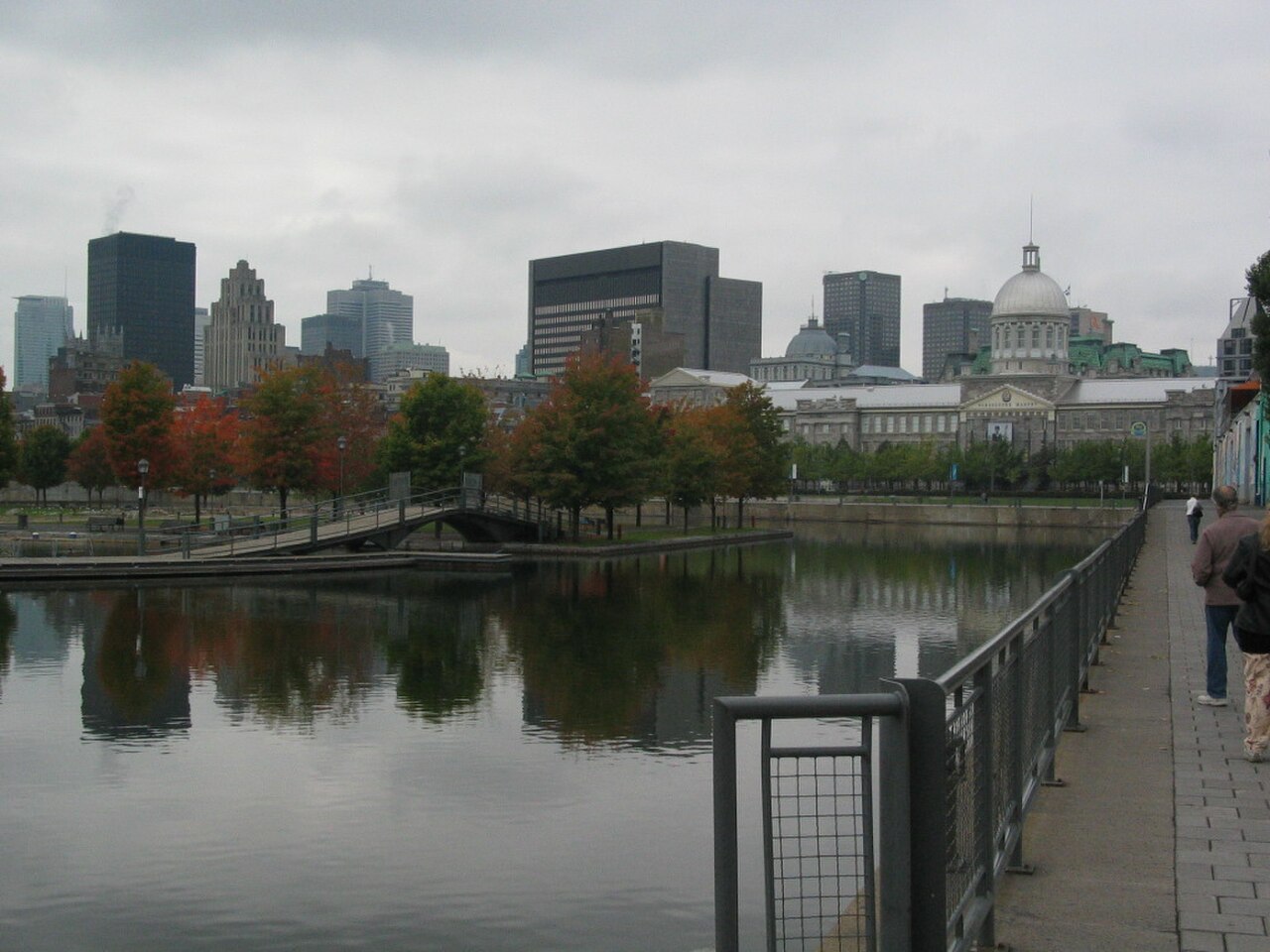
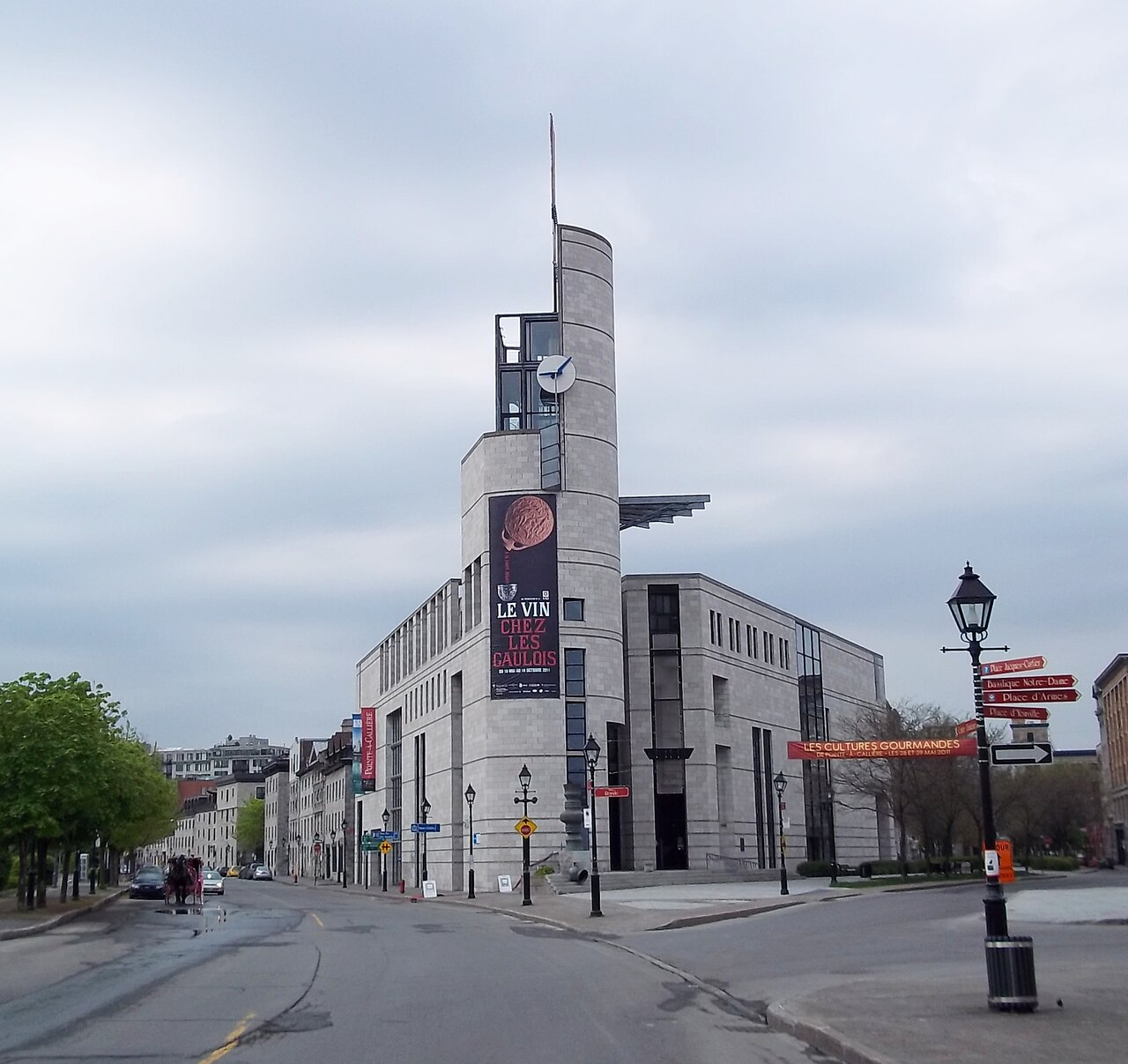
The district encompasses public squares including Place Jacques-Cartier and Place d'Armes, the Notre-Dame Basilica, the Old Port waterfront promenade, the Pointe-a-Calliere museum complex, and the Montreal City Hall. Historic commercial buildings, former banking halls, and religious structures line narrow streets. Waterfront parkland, seasonal terraces, and archaeological remains of earlier fortifications occupy the river edge. The area mixes preserved heritage with active commercial use, including restaurants, galleries, and hotels operating within historic structures. No exact POI inventory is assigned through Montreal city_place_id.
First-time visitors typically allocate a half-day to full day for initial exploration on foot, with return visits for specific interiors or evening atmosphere. The compact district rewards unhurried walking; its street-level detail and architectural variation resist rushed passage. Those entering museums, the basilica, or dining establishments should extend accordingly. The riverfront promenade adds substantial linear distance for those walking its full length. Seasonal events and temporary installations may justify additional time. Repeat visitors often discover overlooked passages on subsequent walks through the quarter.
The district operates as public space without controlled entry, though individual attractions maintain separate schedules. Summer brings maximum pedestrian activity, terrace dining, and waterfront programming. Winter presents severe cold and snow, with reduced outdoor comfort but atmospheric seasonal lighting. Spring and autumn offer moderate temperatures and thinner crowds. Evenings transform the quarter's character regardless of season, with building illumination and restaurant activity. Visitors should verify specific site hours independently before travel, as seasonal and pandemic adjustments remain possible. Check the operator's own site for the travel date before relying on a schedule or fare.
The historic quarter itself requires no admission fee for street-level wandering. Individual attractions, museums, and religious sites set their own pricing. Some church interiors request donations rather than enforce fixed admission. Guided walking tours operate from Place Jacques-Cartier with variable commercial pricing. Visitors should budget separately for any intended interior visits, meals, or purchased tours. No comprehensive district pass is known to exist. Current pricing for any specific venue must be verified directly with operators before visit planning. Check the operator's own site for the travel date before relying on a schedule or fare.
The district sits immediately south of Montreal's contemporary downtown core, making it accessible on foot from central hotels and the Underground City network. The Orange Line Metro stations Champs-de-Mars and Place-d'Armes flank the quarter's northern edge. Multiple bus routes serve adjacent streets. The Old Port's riverfront position connects to cycling paths and seasonal ferry services. Driving presents parking scarcity and cobblestone surfaces unsuited to casual navigation; peripheral parking structures exist but fill early on peak days. The district's compactness makes walking the definitive mode of internal exploration.
Cobblestone surfaces present trip hazards and accessibility challenges, particularly for mobility devices, wheeled luggage, and high footwear. The quarter's popularity attracts street performers, costumed soliciting characters, and concentrated tourist-oriented commerce with associated pricing premiums. Winter ice formation on stone surfaces demands caution. Evening crowds around bars and restaurants can become boisterous. Construction and archaeological work periodically interrupt expected pathways. The riverfront lacks protective barriers in all locations; children require supervision. Visitors should secure belongings normally in any dense tourist district. Historical interpretation signage is less comprehensive than at comparable North American heritage quarters.
The district offers exceptional architectural photography throughout daylight hours, with building facades receiving favorable side-lighting in morning and late afternoon. The Notre-Dame Basilica interior permits photography under specific conditions that visitors must confirm on entry. Place Jacques-Cartier's downhill perspective toward the river creates classic compositions. Night photography benefits from building illumination and street lighting on wet cobblestones. Tripod use in commercial interiors and churches typically requires advance permission. The riverfront provides unobstructed eastern horizon views for dawn photography. Crowd avoidance for clean architectural shots requires early morning timing, particularly during cruise ship arrival days when passenger volumes surge.
Checked 2026-08-26
Common questions
Is Old Montreal accessible for wheelchairs and strollers for Old Montreal in Montreal?
Cobblestone streets and uneven historic surfaces present significant challenges. Some modernized interior spaces improve accessibility, but the district's fundamental character resists full modification. Visitors with mobility concerns should research specific destinations and plan routes carefully.
Can I see everything in Old Montreal in one day for Old Montreal in Montreal?
A full day permits substantial ground coverage and several interior visits, but the district rewards repeated exploration. First-time visitors often prioritize the basilica, Place Jacques-Cartier, and riverfront promenade, accepting that deeper engagement requires return visits.
Is Old Montreal safe at night for Old Montreal in Montreal?
The district maintains active evening presence with restaurants, bars, and lighting, but visitors should exercise standard urban caution. Late-night isolated riverfront areas warrant awareness. The concentration of nightlife generates crowds that most find reassuring rather than threatening.
Are there public restrooms available for Old Montreal in Montreal?
Public restroom availability is limited; visitors typically rely on museum, restaurant, or hotel facilities. Cafes may restrict restroom use to patrons. Planning around known locations reduces inconvenience during extended walking exploration.
Do I need to speak French to visit Old Montreal for Old Montreal in Montreal?
No. The district's tourism economy operates extensively in English. Staff at major attractions and establishments typically accommodate English speakers. Basic French courtesies are appreciated but not functionally necessary for visitor navigation.
Is the district the same as the Old Port for Old Montreal in Montreal?
The Old Port is the riverfront recreational zone within and adjacent to Old Montreal. The historic quarter encompasses broader streets, squares, and architecture inland from the waterfront. The terms overlap geographically but describe distinct functional zones.
Nothing non-essential is set before you choose, in regions where consent is required. If you decline, ads still appear but they are non-personalised, and analytics is switched off entirely.






.jpg)

.jpg)
.jpg)
