


19 min walk
Templo de Salomão
- Must see
- Place of worship
Language · 1 published
Museum · São Paulo
Museu da Imigração do Estado de São Paulo

| Monday | Closed |
|---|---|
| Tuesday | 09:00 – 17:00 |
| Wednesday | 09:00 – 17:00 |
| Thursday | 09:00 – 17:00 |
| Friday | 09:00 – 17:00 |
| Saturday | 09:00 – 17:00 |
| Sunday | 10:00 – 17:00 |
Parsed from OpenStreetMap opening hours on 2026-08-26.
The Museum of Immigration of the State of São Paulo occupies a former immigrant hostel that received millions of newcomers who shaped Brazil's most populous state. Located in the Mooca district, the historic compound preserves buildings where immigrants from Europe, Asia, and the Middle East first stayed upon arrival. The site represents one of the most significant physical remnants of São Paulo's demographic transformation through organized migration. Its architecture and layout reflect early twentieth-century institutional design intended to process and temporarily house displaced populations seeking economic opportunity in coffee plantations and urban industries.
Checked 2026-08-26
Exhibitions interpret the migrations that fundamentally shaped São Paulo's society and economy. Displays incorporate personal belongings, documents, photographs, and recorded testimonies of immigrants and their descendants. The museum preserves original dormitory spaces, baggage areas, and processing rooms within the hostel structure. Visitors encounter narratives of multiple national groups including Italians, Portuguese, Spanish, Japanese, and others who arrived through this gateway. The collection emphasizes individual stories within broader historical patterns of displacement, labor exploitation, cultural adaptation, and eventual integration into Brazilian society across successive generations.
Checked 2026-08-26

Visitors typically require between ninety minutes and two hours for a meaningful engagement with the museum's exhibitions and preserved spaces. Those with particular interest in genealogical research, family history, or specific national group narratives may extend their visit substantially. The site's architectural features warrant independent exploration beyond the formal exhibition circuit. Audio guides or guided tours, when available, add duration but provide contextual depth not immediately apparent from signage alone. School groups and organized tours move at variable paces depending on educational programming. Self-directed visitors control their own tempo through modular display organization.
Checked 2026-08-26

Operator-confirmed hours are Not recorded pending review. Visitors should consult the official website at museudaimigracao.org.br for current opening schedules before planning their visit. Seasonal considerations for São Paulo include summer rainfall from December through March, which may affect travel to the Mooca district. Weekends generally attract more visitors than weekdays. The museum's indoor spaces provide shelter regardless of weather conditions. Special exhibitions, commemorative dates, or cultural programming may influence crowd levels unpredictably. Advance verification prevents disappointment from unanticipated closures for maintenance, private events, or holiday schedules not published through general tourism channels.
Checked 2026-08-26
Operator-confirmed prices are Not recorded pending review. The museum website should be consulted for current admission fees, concession categories, and free-entry policies before visiting. Some Brazilian museums offer free admission on specific days or to certain demographic groups, though this institution's specific practices are not recorded here. Payment methods accepted at the entrance are unknown. Group rates, school bookings, and guided tour supplements require direct inquiry. Annual membership or friend-of-the-museum programs may exist for frequent visitors. Budget-conscious travelers should verify costs in advance rather than assume free or reduced admission applies universally.
Checked 2026-08-26
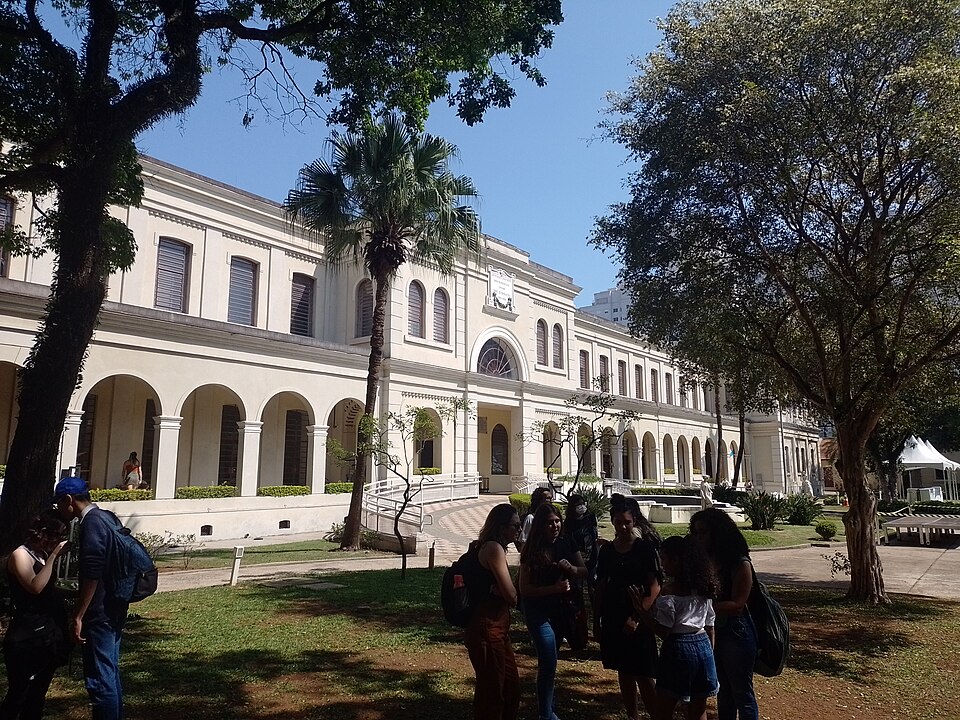
The museum sits in São Paulo's Mooca district, accessible through the city's extensive but complex public transportation network. Metro and bus combinations serve the area, though exact routes require consultation with current transit applications or the museum's directions page. Driving presents typical São Paulo challenges including traffic congestion and parking scarcity. Rideshare services or taxis offer alternatives for visitors unfamiliar with local transit patterns. The neighborhood itself has undergone significant urban transformation since the hostel's operational period, and visitors should remain attentive to their surroundings when approaching or departing the site, particularly after dark.
Checked 2026-08-26
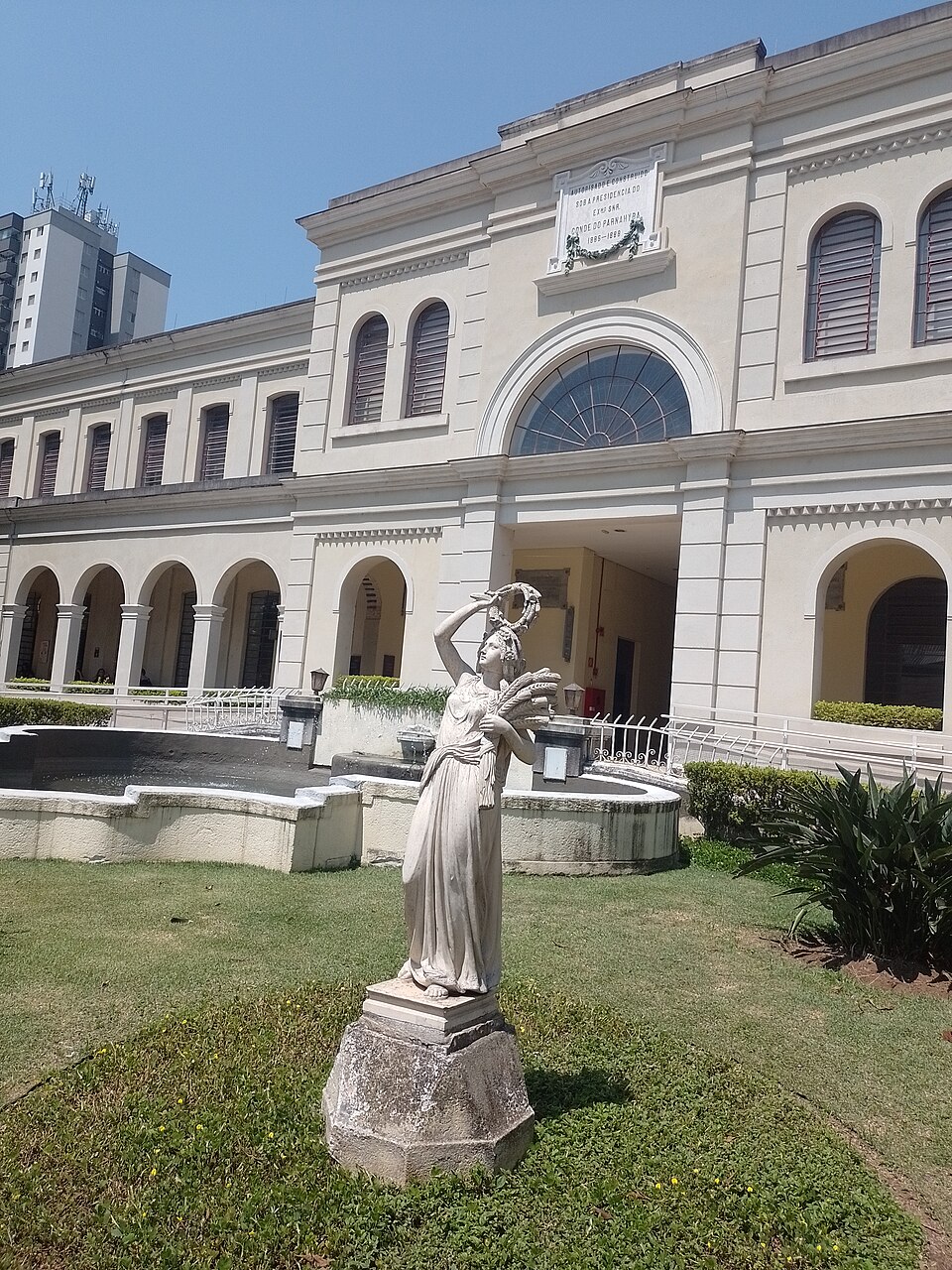
The surrounding Mooca district, like many urban areas in São Paulo, demands ordinary visitor vigilance regarding personal belongings and situational awareness. The museum's historic buildings may present accessibility challenges including uneven flooring, stairs, and narrow passages not originally designed for universal access. Climate control in preserved structures may be inconsistent. Some exhibition content addresses difficult themes including exploitation, discrimination, and traumatic displacement that may affect sensitive visitors. Restroom facilities, drinking water availability, and on-site food options are not confirmed here. Visitors with mobility limitations should contact the museum directly regarding current access provisions and available accommodations.
Checked 2026-08-26
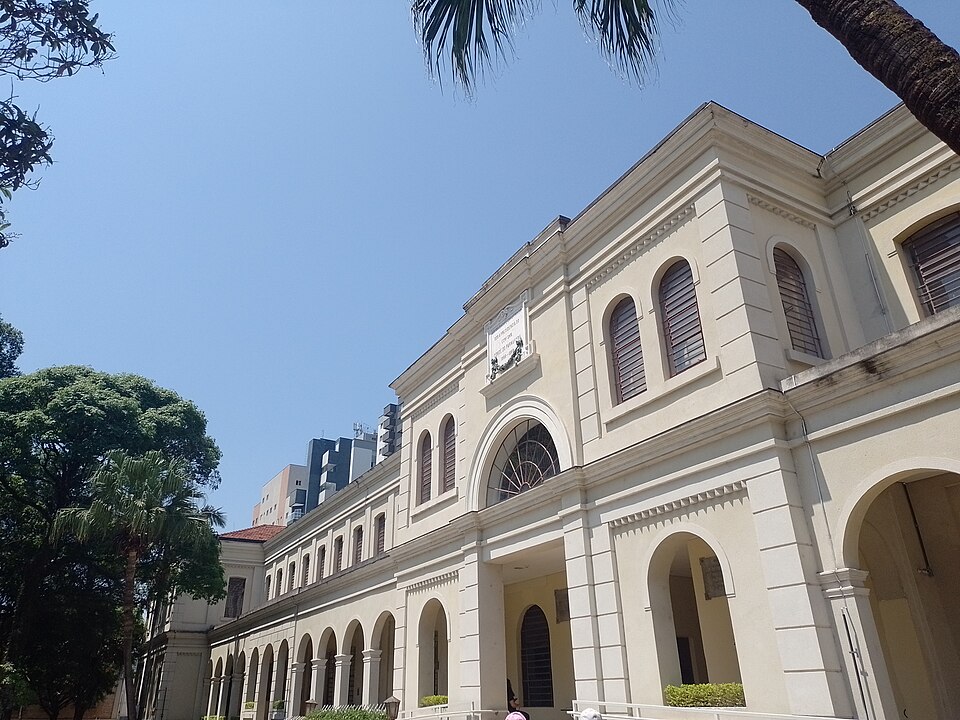
Photography policies within the museum are not recorded in available sources and may vary by exhibition or collection item. Visitors should observe posted signage or inquire at reception before capturing images. Flash photography typically damages sensitive archival materials and is commonly prohibited in museum environments worldwide. Tripods, selfie sticks, and professional equipment often require special permission regardless of general still photography allowances. Respect for other visitors and the contemplative atmosphere appropriate to historical content should guide personal documentation decisions. Commercial or publication use of images requires explicit authorization from museum administration and potentially separate licensing agreements for identifiable collection pieces.
Checked 2026-08-26
Yes, the museum occupies the former immigrant hostel where newcomers were processed and housed, preserving the original structures.
No, the museum interprets multiple migration streams including Portuguese, Spanish, Japanese, and other groups that shaped São Paulo.
The museum holds documents and testimonies related to immigration, though specific genealogical research services are not recorded here.
Yes, the Mooca district is served by São Paulo's metro and bus networks, though exact routes require current transit verification.
The available sources do not specify language provisions for international visitors; direct inquiry to the museum is recommended.
On-site food options are not recorded; visitors should verify current amenities directly with the museum before their visit.
Loading the interactive map…
The interactive map could not be loaded.
Last updated:
Source: OpenStreetMap contributors, Wikidata ·