

.jpg)
.jpg)

.jpg)
29 min walk
Praia do Grumari
- Must see
- Nature site
Language · 1 published
Nature site · Rio de Janeiro
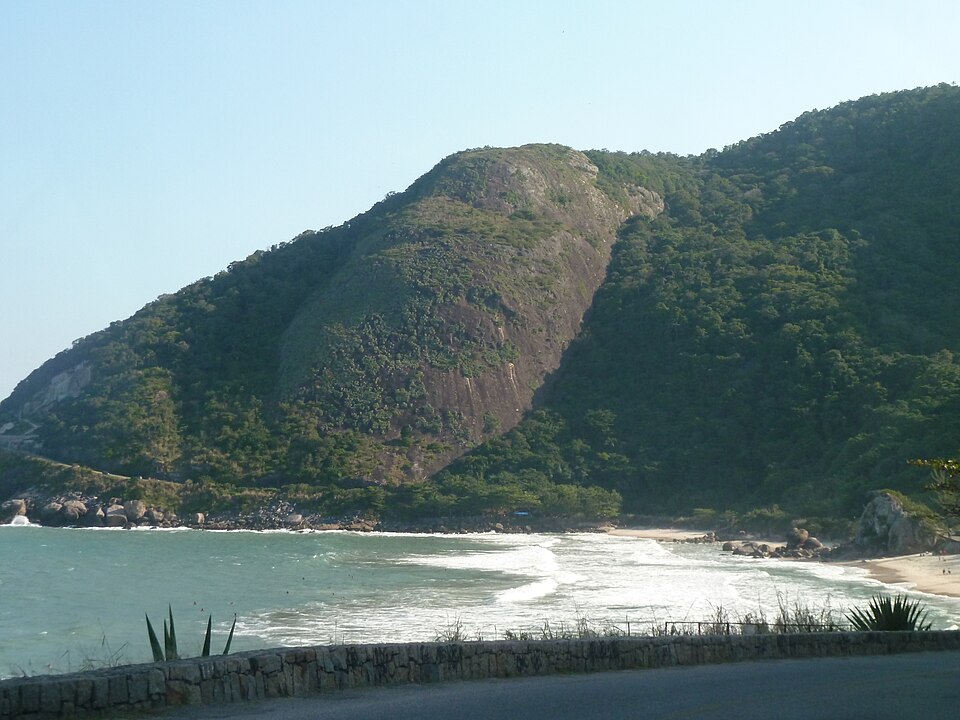
Prainha is a small beach located in the western zone of Rio de Janeiro, Brazil. It sits within an environmentally protected area, surrounded by dense Atlantic Forest vegetation that forms a dramatic backdrop to the sand and sea. The beach has gained recognition as one of Rio de Janeiro's most celebrated surfing destinations. Its crescent-shaped cove and consistent waves attract surfers from across the region. The natural setting remains relatively undeveloped compared to more urban beaches in the city, preserving a wilder coastal character that distinguishes it from Copacabana or Ipanema.
Checked 2026-08-26
The beach itself consists of a compact stretch of sand framed by forested hillsides. The Atlantic Forest vegetation extends down to the edges of the beach, creating a green corridor that limits commercial development. Surfers occupy the main break area where waves form reliably. The shoreline has minimal permanent infrastructure, with limited kiosks or services directly on the sand. Visitors should expect a more rustic experience than at centrally located beaches. The protected status of the surrounding area restricts construction, maintaining the natural landscape that defines Prainha's appeal for those seeking less urbanized coastal recreation.
Checked 2026-08-26
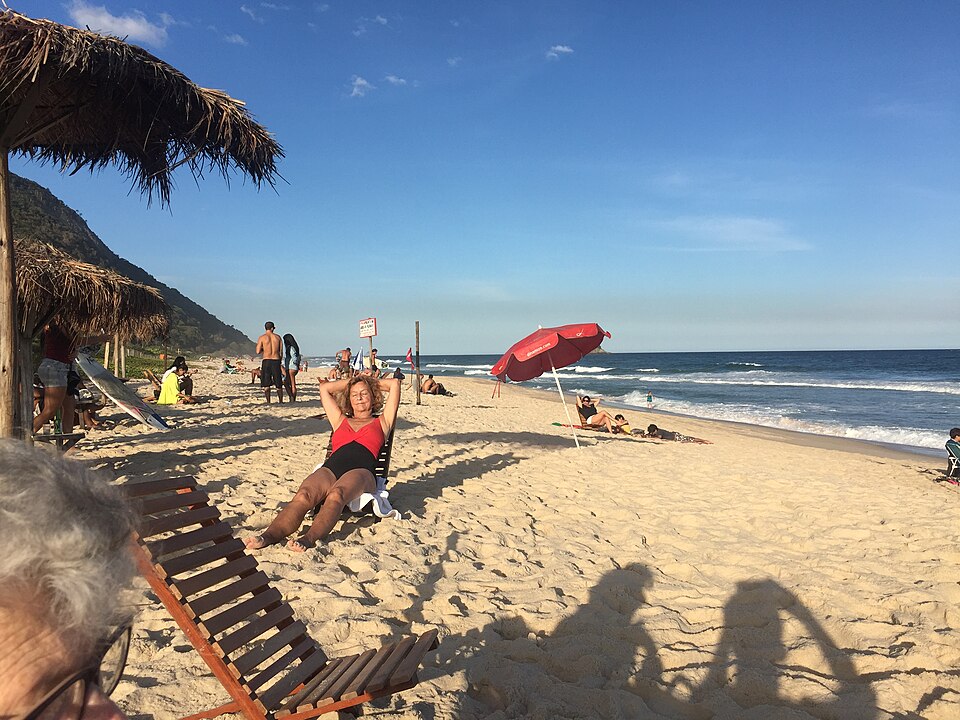
Visitors typically allocate a half-day to full-day excursion for Prainha, depending on their origin point within Rio de Janeiro. The beach rewards unhurried pacing, as the journey from central neighborhoods requires substantial travel time. Surfing sessions may extend across several hours for those engaging with the waves. Beachgoers often combine the visit with nearby coastal destinations in the same western region. The compact size of the cove means that walking the full length takes minimal time, though lingering to observe changing conditions and forest scenery extends the meaningful duration of a visit.
Checked 2026-08-26

Operator-confirmed hours are Not recorded pending review. Visitors should consult current sources before planning. Surfing conditions vary seasonally, with winter months in the Southern Hemisphere generally producing larger swells that attract experienced surfers. Summer brings warmer water temperatures and more variable wave conditions. The beach receives stronger visitation on weekends and holidays when cariocas and tourists seek escape from the city center. Early morning arrivals may encounter fewer visitors and cleaner wave conditions. Fog and mist occasionally roll in from the forest, particularly during morning hours, affecting visibility and temperature at the shoreline.
Checked 2026-08-26
Operator-confirmed prices are Not recorded pending review. The beach itself appears to function as public coastal access without entry fees based on standard Brazilian coastal regulations, though visitors should verify current status. Parking in the surrounding area may involve costs that change without notice. Any equipment rentals for surfing would involve separate commercial transactions with local providers. Visitors should carry sufficient cash as card acceptance may be limited in this less developed area. Budget for transportation costs, which constitute the primary expense given the distance from central Rio de Janeiro neighborhoods and limited public transit options.
Checked 2026-08-26

Prainha lies in Rio's far western zone, approximately 40 kilometers from the city center, with challenging public transportation access. Private vehicle or organized transport represents the most reliable approach. The route passes through the Recreio dos Bandeirantes neighborhood and continues along coastal roads. Drivers should prepare for winding stretches and potential congestion on return journeys during peak visitation periods. Ride-hailing services may have limited availability for return trips from this remote location. Visitors without vehicles should research current shuttle or bus options carefully, as service frequency and routes change. Cycling from more central western neighborhoods remains possible for experienced riders.
Checked 2026-08-26

Strong currents and rip tides present significant hazards at Prainha; swimmers should exercise extreme caution and observe local conditions before entering the water. The surfing focus means board traffic concentrates in the main break area, creating collision risks for inexperienced water users. Limited lifeguard coverage compared to central beaches reduces emergency response capacity. The isolated location means fewer immediate services for medical or security needs. Visitors should carry adequate water and sun protection, as shade is sparse on the open sand. Mobile phone coverage may be unreliable in the forest-backed cove. Secure valuables and avoid displaying expensive equipment.
Checked 2026-08-26

The forest-backed setting offers distinctive compositions combining Atlantic Forest greenery, sandy cove, and ocean horizon. Early morning light illuminates the eastern-facing beach with warm tones before harsh midday contrast develops. Surfers provide dynamic subjects against the wave breaks. The compact scale allows photographers to work multiple angles without extensive walking. Drone operators should verify current regulations, as protected environmental areas often restrict aerial activity. Mist and fog create atmospheric conditions that obscure distant views but add mood to foreground compositions. The relative lack of built structures maintains natural framing possibilities uncommon at more developed Rio beaches. Tide levels significantly alter the visible sand proportion.
Checked 2026-08-26
The beach has strong currents and rip tides that present hazards for all swimmers. Beginners should exercise extreme caution and consider whether their abilities match the conditions.
Equipment rental availability is not confirmed in the provided context. Visitors seeking to surf should research current local providers or consider arranging equipment before traveling to this remote location.
Public transportation access is challenging given the remote western location. Visitors should research current bus or shuttle options carefully, as service details change and private vehicle remains the most reliable approach.
The beach has minimal permanent infrastructure with limited kiosks or services directly on the sand. Visitors should prepare accordingly and not expect the commercial density of central Rio beaches.
Yes, the beach sits within an environmentally protected area surrounded by Atlantic Forest vegetation, which restricts development and helps preserve its natural character.
The beach appears to function as public coastal access, but visitors should verify current status as regulations and management arrangements can change.
Loading the interactive map…
The interactive map could not be loaded.
Last updated:
Source: OpenStreetMap contributors, Wikidata ·