


19 min walk
Praia de Ipanema
- Must see
- Nature site
Language · 1 published
Historic monument · Rio de Janeiro
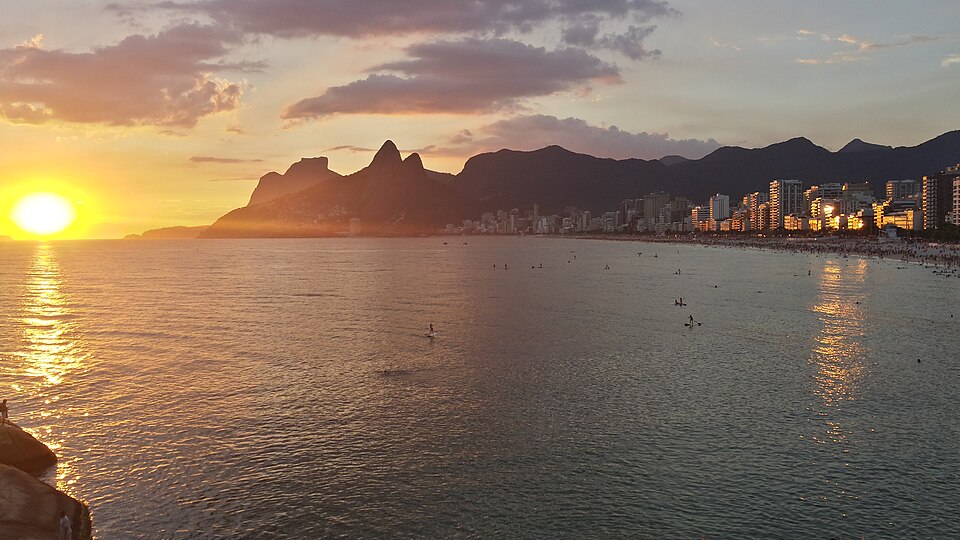
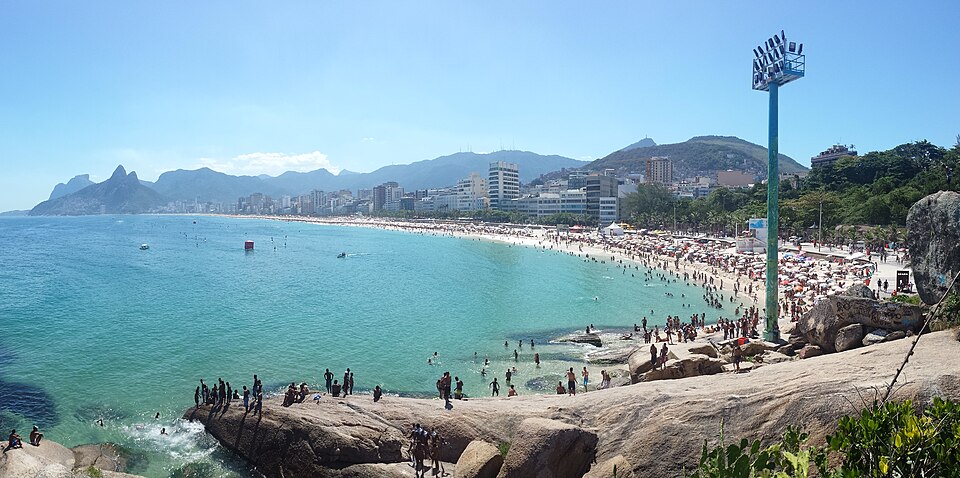
Arpoador Rock, known locally as Pedra do Arpoador, is a rocky headland situated between two of Rio de Janeiro's most famous beaches: Copacabana and Ipanema. The formation extends into the Atlantic Ocean, creating a natural boundary between these iconic coastal stretches. The site has long served as a gathering place for residents and visitors seeking elevated coastal views. Its position offers sightlines across both beachfronts and toward the open ocean. The name derives from historical fishing practices, with arpoador meaning harpooner in Portuguese, referencing whale hunting that once occurred in these waters.
Checked 2026-08-26
The headland consists primarily of granite rock formations with worn surfaces from weathering and foot traffic. Visitors will find irregular terrain with natural crevices and pools that form during tidal changes. Sparse vegetation clings to portions of the rock. The upper areas provide flat perches for sitting. No constructed amenities such as seating, shelters, or facilities are present on the rock itself. The surrounding area includes sandy beach access points on both sides. The natural state of the formation has been maintained without significant alteration or development of the central rocky structure.
Checked 2026-08-26
A visit to Arpoador Rock typically requires between thirty minutes and two hours depending on individual purpose. Those arriving specifically for sunset viewing often position themselves thirty to sixty minutes before the sun reaches the horizon to secure preferred vantage points. Casual passersby may traverse the formation in fifteen to twenty minutes. Extended stays are common among photographers, contemplative visitors, and social groups. The unstructured nature of the site permits flexible duration without guided routes or prescribed circuits. Many visitors incorporate the rock into longer beach walks connecting Copacabana and Ipanema.
Checked 2026-08-26
Sunset hours attract the largest concentrations of visitors due to the westward orientation toward the ocean horizon. Clear atmospheric conditions produce the most vivid color displays. Operator-confirmed hours are Not recorded pending review. The dry season months from May through October generally offer more reliable visibility with reduced rainfall probability. Summer months bring increased tourist volumes and higher temperatures. Evening arrivals should account for diminishing natural light when navigating uneven rock surfaces. Weekends typically draw larger crowds than weekdays. Local residents frequent the site throughout the year, suggesting consistent appeal across seasons.
Checked 2026-08-26
Access to Arpoador Rock remains unrestricted and free of charge as a public coastal space. No admission controls or entry gates exist. Operator-confirmed prices are Not recorded pending review. Visitors should anticipate incidental costs associated with transportation to the area and any refreshments or services obtained from nearby commercial establishments. Beach equipment rentals from adjacent vendors operate independently of the rock itself. No donation mechanisms or maintenance contribution systems are evident. The absence of ticketing infrastructure reflects the site's integration within Rio's public beachfront system rather than managed attraction status.
Checked 2026-08-26
The rock sits at the convergence of Copacabana and Ipanema beachfronts, accessible via pedestrian pathways along both shorelines. Public bus routes serve adjacent streets including Avenida Francisco Bhering and surrounding avenues. The nearest metro station requires additional walking or connecting transport. Taxis and ride services can approach nearby points. Walking from either beach district presents the most direct access, with visible landmarks guiding approach. No designated parking exists at the immediate site. Street parking in surrounding neighborhoods varies in availability and regulation. Signage directing toward Pedra do Arpoador assists orientation from either beach direction.
Checked 2026-08-26

The rock surfaces become slippery when wet from ocean spray, rainfall, or accumulated moisture. Footing requires attention particularly during twilight hours when natural light fades. Wave action can produce sudden spray over lower sections during high tide or swell conditions. No protective barriers separate visitors from drop edges. Personal belongings left unattended risk opportunistic theft given high visitor turnover. The absence of emergency services or staff on the formation itself means self-reliance for first response. Cellular signal strength varies across the rocky terrain. Appropriate footwear significantly reduces slip hazards compared to beach-appropriate soles.
Checked 2026-08-26
The headland offers compositions encompassing both Copacabana and Ipanema beachscapes within single frames. Sunset positioning places the sun descending toward the ocean horizon with potential color reflection on water surfaces. The elevated perspective distinguishes imagery from beach-level captures. Early morning light illuminates the eastern-facing rock textures for alternative treatments. Tripod placement requires stability assessment on uneven granite. Crowd density during peak sunset periods complicates unobstructed shooting positions. Wide-angle lenses accommodate the broad coastal panorama. Long exposures of wave motion against rock remain feasible during appropriate tide states. Night photography captures illuminated beachfront stretches extending in both directions.
Checked 2026-08-26
Many visitors do remain after sunset, though reduced lighting on uneven rock surfaces increases trip and fall risks. Personal security awareness applies as with any urban coastal area after dark.
No facilities exist on the rock formation itself. Nearby beach kiosks and surrounding neighborhoods may provide options, though specific locations and availability are Not recorded.
Children can visit with active adult supervision given the unprotected edges and uneven terrain. The absence of barriers or safety infrastructure demands vigilant oversight.
The rocky perimeter and wave action create hazardous conditions for water entry. Adjacent sandy beaches offer more appropriate swimming access points.
As an open coastal formation without gates or controlled access, physical closure mechanisms do not exist. Operator-confirmed hours are Not recorded pending review.
Sturdy footwear, water, and awareness of tide conditions support visitor comfort and safety. Items of value warrant attentive custody given the public, unsupervised character of the site.
Loading the interactive map…
The interactive map could not be loaded.
Last updated:
Source: OpenStreetMap contributors ·