17 min walk
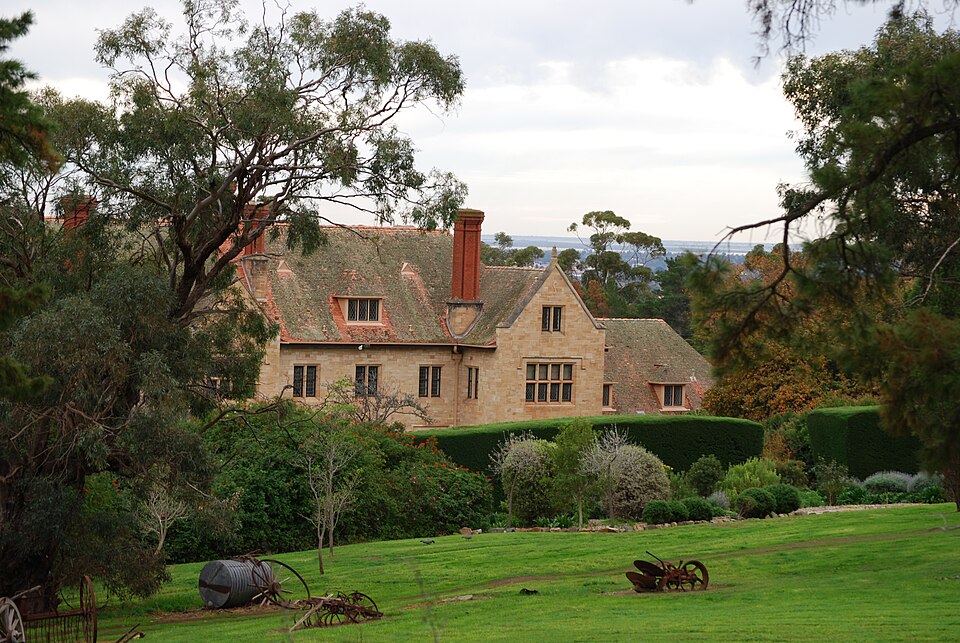
Carrick Hill
- Must see · Heritage site
- Museum
Language · 1 published
Activity · Adelaide
Waite Arboretum is a botanical collection situated in Adelaide's southern suburbs, within the grounds of the University of Adelaide's Waite Campus at Urrbrae. The arboretum occupies land bequeathed through the Waite Agricultural Research Institute legacy. It functions as a living museum of trees, preserving specimens from diverse global climates for scientific study, education, and public visitation. The site represents an early twentieth-century vision for agricultural and horticultural research in South Australia, maintaining heritage value alongside its contemporary botanical purpose.
Checked 2026-08-26
The arboretum contains a curated collection of tree specimens representing numerous genera and species from Australia and internationally. Mature plantings include both native and exotic specimens arranged across landscaped grounds. The collection serves research functions, so plantings reflect scientific rather than purely ornamental priorities. Walking paths traverse the property, allowing visitors to observe specimens at close range. Informational signage may accompany significant plantings, though the density and current state of interpretation materials are Not recorded. The open character of the site provides views across the collection and surrounding landscape.
Checked 2026-08-26
A complete circuit of the arboretum grounds typically requires between forty-five minutes and ninety minutes depending on walking pace, interest in individual specimens, and weather conditions. Visitors with botanical knowledge or photographic interests may extend their stay significantly. The site's open layout permits flexible visitation duration—brief restorative walks or extended exploratory visits are equally feasible. No guided tour duration is specified in available materials. Visitors should assess their own stamina and interests against the apparent scale of the grounds upon arrival, allowing additional time for seasonal conditions that may affect underfoot conditions.
Checked 2026-08-26
The arboretum's appeal varies across seasons as deciduous specimens progress through annual cycles, while evergreen plantings provide year-round structure. Spring and autumn offer distinct horticultural displays. Summer visitation demands attention to heat exposure given limited canopy cover in circulation areas. Winter provides clear sightlines through reduced foliage. Operator-confirmed hours are Not recorded pending review. Visitors should consult current information before travelling, as academic campus schedules may affect access or parking availability. Daylight hours naturally constrain winter visits. Weather protection is advisable given exposed character of much of the site.
Checked 2026-08-26
The arboretum operates as a public access facility associated with a research institution rather than a commercial attraction. Operator-confirmed prices are Not recorded pending review. No admission fee structure is confirmed in the supplied source material. Visitors should verify current access arrangements, as university-affiliated sites may modify public access policies without external notification. Parking provisions and any associated costs on the Waite Campus are similarly unconfirmed. The site's non-commercial character suggests accessibility priorities, but prospective visitors must independently confirm financial and booking requirements before departure to avoid inconvenience.
Checked 2026-08-26
The Waite Campus occupies a location in Urrbrae, approximately seven kilometres south-east of Adelaide's central business district. Road access connects via Fullarton Road and Cross Road corridors. Public transport options include bus services operating along adjacent arterial routes, with walking required from nearest stops. The specific entrance and parking configuration for arboretum visitors are Not recorded. Cyclists may find campus access feasible via Adelaide's expanding path network. Visitors using digital navigation should verify destination accuracy, as the broader campus contains multiple facilities. Signage clarity upon approach is unconfirmed.
Checked 2026-08-26
The arboretum's open landscape exposes visitors to prevailing weather without refuge structures evident in available information. Summer heat presents genuine risk; water, sun protection, and appropriate footwear are essential. Some specimens may shed limbs or display other hazards natural to mature trees. The research context means visitors encounter active scientific environments where standard public attraction safety infrastructure may not apply. Path surfaces and maintenance standards are unconfirmed. Wildlife including snakes may inhabit ground cover. Visitors should remain on defined paths, supervise children closely, and treat the environment as a working research facility rather than a managed recreational park.
Checked 2026-08-26
The arboretum offers photographic subjects including specimen form, bark texture, seasonal foliage, and landscape composition against sky. Morning and late afternoon light penetrates the canopy at angles that may enhance three-dimensional specimen character. Overcast conditions reduce contrast for detailed botanical recording. The open layout permits unobstructed views unavailable in denser forest settings. Tripod use policies are Not recorded. Commercial or publication photography may require institutional permission given the research context. Visitors should respect any active research areas and avoid damaging plantings for improved angles. Seasonal variation provides legitimate reason for repeat photographic visits.
Checked 2026-08-26
Children may visit under close supervision. The research context means safety infrastructure typical of commercial attractions may not apply. Open water, uneven surfaces, and wildlife hazards require vigilant adult oversight.
Pet policies are Not recorded. Visitors should verify current regulations before bringing animals, as research facilities often restrict access to protect specimens and comply with biosecurity protocols.
Event hosting policies are Not recorded. The site's primary research function suggests commercial event use may be restricted or require institutional approval. Direct enquiry to the University of Adelaide is advisable.
Path surfaces, gradients, and accessible facilities are Not recorded. The historic landscape and research context may present barriers. Prospective visitors with mobility requirements should seek current accessibility information before visiting.
Visitor amenity provision is Not recorded. The campus location suggests facilities may exist nearby, but their proximity to the arboretum, opening hours, and public availability are unconfirmed. Self-sufficiency is prudent.
Scheduled programming is Not recorded. The site's research and education mission suggests institutional engagement may occur, but public tour availability, frequency, and booking requirements are unconfirmed in available materials.
Loading the interactive map…
The interactive map could not be loaded.
Last updated:
Source: OpenStreetMap contributors, Wikidata ·