Tsitsernakaberd
Tsitsernakaberd is the Armenian Genocide Memorial Complex situated on a hill overlooking Yerevan. The site serves as Armenia's official memorial to the victims of the Armenian Genocide of 1915.
- Must see
- Nature site
- Yerevan
Language · 11 published
Country guide
Armenia fits inside 29,743 km² and about half of that lies above 2,000 m, so a short drive changes the altitude more than the distance suggests. Roughly three million people live here, over a third of them in Yerevan, and most of what is worth the travel sits outside the capital: monasteries built into gorge walls, Lake Sevan holding 1,279 km² of water at 1,900 m, Mount Aragats at 4,090 m. The country made Christianity its state religion in 301, and the churches raised in the centuries after are the thread running through nearly every route across it.
Every city catalogued in this country so far, ranked by how much there is to see.
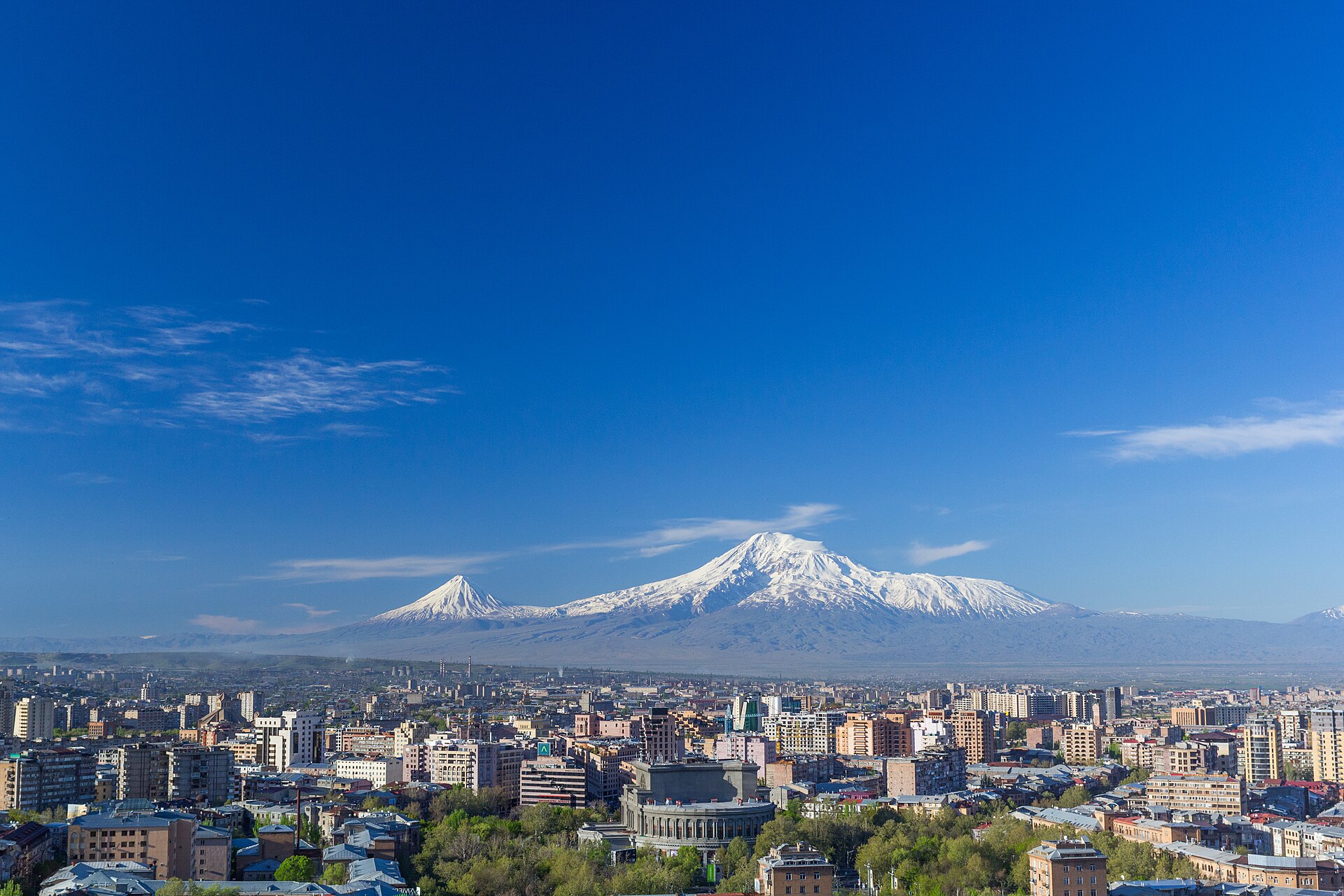
Photograph · Սէրուժ Ուրիշեան (Serouj Ourishian) · CC BY 4.0
Ranked by importance — sitelinks, pageviews and heritage status, not editor preference.
60 places match
Category
Typical visit duration
Interests
Tsitsernakaberd is the Armenian Genocide Memorial Complex situated on a hill overlooking Yerevan. The site serves as Armenia's official memorial to the victims of the Armenian Genocide of 1915.
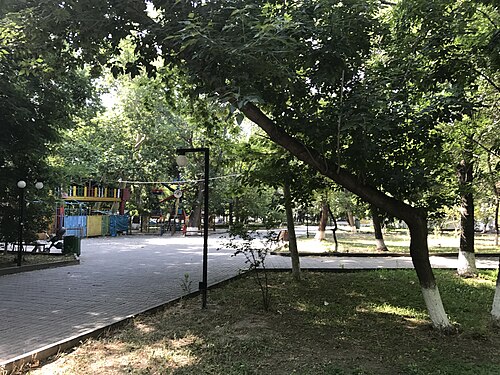
Ajapnyak Public Park, locally known as Բուենոս Այրեսի այգի (Buenos Aires Garden), is a municipal green space in Yerevan's Ajapnyak District. The park occupies a visible footprint in the western portion of Armenia's capital and serves as neighbourhood-level recreational infrastructure.
Children's Park, known locally as Մանկական այգի, is a public recreational space in Yerevan, Armenia. It is designated as a distinct visitor-facing point of interest within the city's production pool.
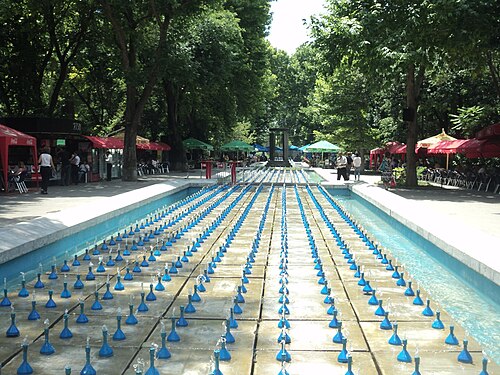
Circular Park, known locally as Օղակաձև զբոսայգի, is a prominent green space in central Yerevan, Armenia. The park forms a ring-like shape around the city centre, giving it its distinctive name.
David Anhaght Park is a public green space in Yerevan, Armenia, named after the medieval Armenian philosopher David Anhaght, known in Western tradition as David the Invincible.
English Park is a public green space in central Yerevan, Armenia. Its local name is Անգլիական այգի. The park occupies a position in the urban fabric of Armenia's capital city.
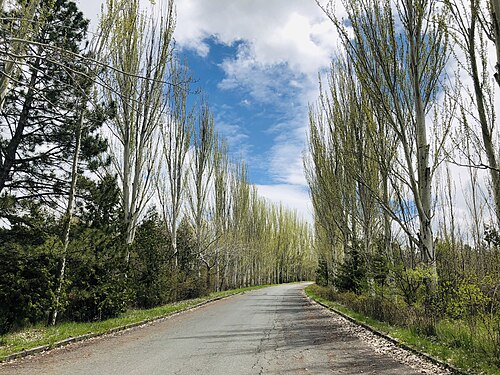
Jrvezh Forest Park is a wooded recreational area on the eastern outskirts of Yerevan, Armenia. Its local name, «ՋՐՎԵԺ» ԱՆՏԱՌՊԱՐԿ, reflects its identity as a forest park rather than a formal garden or manicured attraction.
Lovers' Park is a public park in Yerevan, Armenia, known locally as Սիրահարների այգի. The park occupies a landscaped green space in the city centre and serves as a recreational area for residents and visitors.
Lyon Park is a public green space in Yerevan, Armenia, known locally as Լիոնի այգի. The park occupies a hillside position in the Armenian capital and serves as one of the city's established recreational areas.
Nansen Park is a public green space in Yerevan, Armenia, bearing the local name Նանսենի այգի. It is named in honour of Fridtjof Nansen, the Norwegian polar explorer and humanitarian who assisted Armenian refugees in the early twentieth century.
Nor Arabkir Park, known locally as Արաբկիր զբոսայգի, is a public green space situated in the Arabkir district of Yerevan, Armenia.
Park after Komitas, known locally as Կոմիտասի անվան զբոսայգի, is a public green space in Yerevan, Armenia. The park honours Komitas, the revered Armenian priest, musicologist, and composer who preserved Armenian folk music.
The Park dedicated to 2800th Anniversary of Yerevan is a public green space in Yerevan, Armenia, commemorating the founding of one of the world's oldest continuously inhabited cities.
Shahumyan Park is a public green space in Yerevan, Armenia, known locally as Շահումյանի պուրակ. It occupies a position within the urban fabric of the Armenian capital and serves as one of the city's recreational areas.
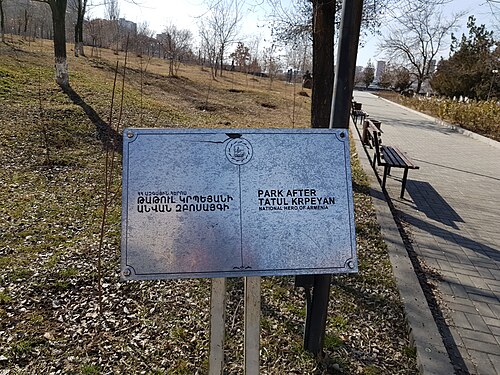
Tatoul Krpeyan Park is a public green space in Yerevan, Armenia, named in honour of Tatoul Krpeyan, a national figure. The park serves as one of the city's urban recreational areas where residents and visitors can access open air environment.
Tumanyan Park is a public green space in Yerevan, Armenia, named in honour of Hovhannes Tumanyan, the celebrated Armenian writer and national poet. The park serves as a recreational area for residents and visitors seeking outdoor leisure within the capital.
Victory Park is a major urban park in Yerevan, Armenia, known locally as Հաղթանակի զբոսայգի. Perched on a hill overlooking the city centre, it occupies a prominent position with panoramic views across Yerevan toward Mount Ararat.
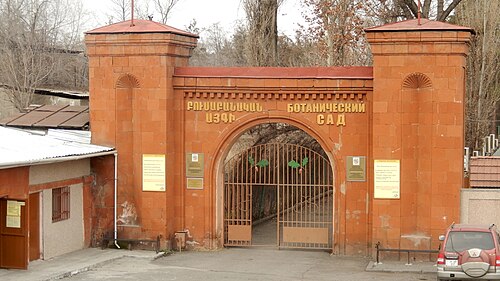
Yerevan Botanical Garden is a botanical garden located in Yerevan, Armenia. Established during the Soviet period, it serves as a scientific and recreational institution dedicated to the collection, cultivation, and display of diverse plant species.
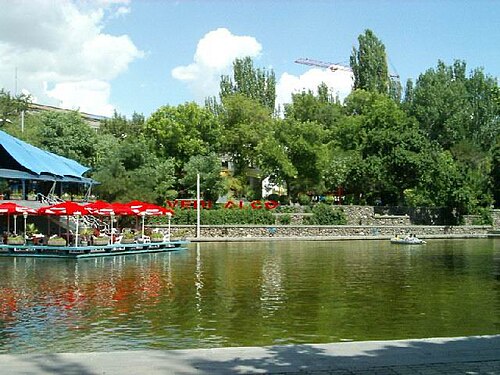
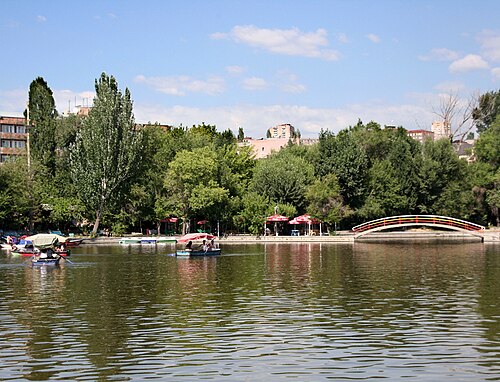
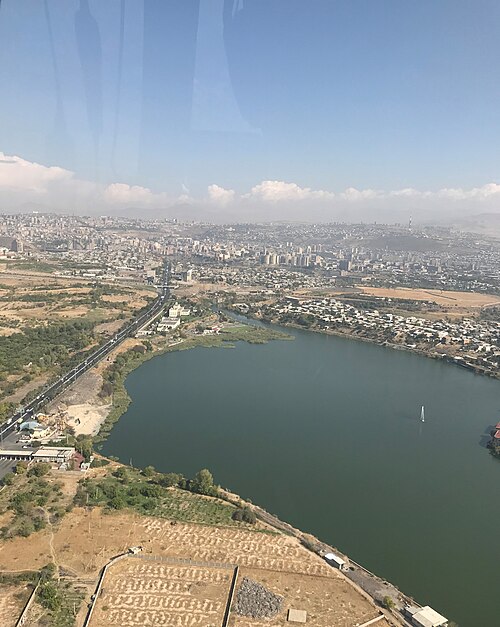
Yerevan Lake, known locally as Երևանյան լիճ, is an artificial reservoir situated on the southwestern edge of Armenia's capital city. Created during the Soviet period, it serves as one of Yerevan's notable water features within its urban geography.
Source: OpenStreetMap contributors, Wikidata ·
Six to nine days gives Yerevan enough time and allows a road loop to Garni, Geghard, Lake Sevan or northern monasteries. Southern Armenia requires longer transfers and another base, so Tatev should not be compressed into an already full capital itinerary.
Armenia’s Ministry of Foreign Affairs publishes visa rules and the official application route. Check the exact passport category, permitted duration and border requirements before travel; an eVisa, when available, should be obtained only through the government service linked from that guidance.
Zvartnots Airport is the principal gateway, and Yerevan has metro and bus services. Trains cover only selected routes, so minibuses, taxis and hired cars carry much regional travel; confirm current border-crossing status before planning an international overland leg.
Late May, June, September and early October usually suit Yerevan and lower-elevation touring. Lake Sevan, mountain roads and monastery approaches can be colder or weather-limited, while midsummer heat changes the pace of exposed archaeological visits.
The Armenian dram is used for everyday prices. Urban card acceptance does not remove the need for cash at small regional stops, markets and some transport services; use banks or authorised exchangers and check the AMD amount before confirming conversion.
Armenia records 112 or 911 for emergencies and uses Type C and F power at 230 V. Tap-water status is Not recorded here, so ask the accommodation or municipal provider; for remote routes, save local assistance details before leaving Yerevan.