
3 min walk
Mher Mkrtchyan
- Must see
- Art and culture venue
Language · 11 published
Nature site · Yerevan
Շահումյանի պուրակ
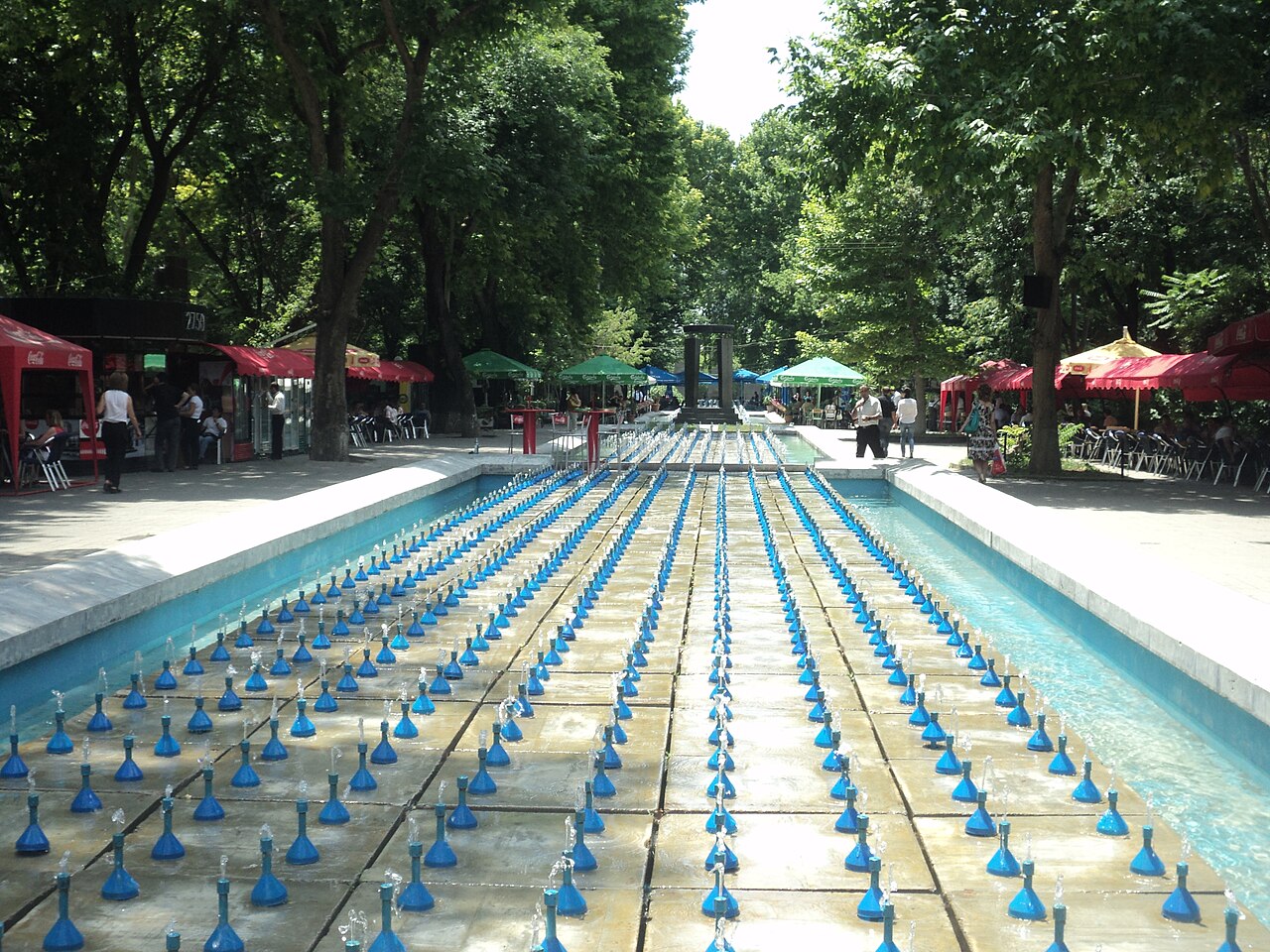
Shahumyan Park is a public green space in Yerevan, Armenia, named for Stepan Shahumyan, a Bolshevik revolutionary associated with the history of the Caucasus. The park belongs to the city’s everyday network of outdoor spaces and offers residents a place for walking, rest and informal social time. Its historical name gives the park a commemorative dimension, but the visitor experience remains that of an urban park rather than a formal museum. Travellers who include Shahumyan Park in a Yerevan route can use the stop to see how historical memory is carried through ordinary city landscapes.
Checked 2026-08-26 · Source
Shahumyan Park is presented as a conventional municipal green space with walking areas, trees and places for people to pause. The supplied description does not identify a museum, specialised plant collection, major entertainment facility or documented sequence of monuments inside the park. Its value is therefore in the open-air setting and the contrast between greenery and Yerevan’s surrounding urban fabric. Visitors can take a short walk, sit quietly and observe local movement. The park’s name adds historical context, while the physical experience remains simple, accessible in spirit and suited to an unhurried neighbourhood stop.
Checked 2026-08-26 · Source
Plan roughly thirty minutes to one hour for Shahumyan Park. This allows time for a relaxed walk and a short pause without making the park carry more of the itinerary than its neighbourhood character supports. Visitors who enjoy observing public life or photographing trees and paths may remain longer. The park fits naturally between larger Yerevan sights, particularly when you want an outdoor interval in a city day. Because the park has no documented exhibition route or scheduled programme, the visit can expand or contract easily according to weather, energy and the rest of your route.
Checked 2026-08-26 · Source
Spring and autumn offer mild conditions for a walk through Shahumyan Park. Yerevan’s summer heat can make midday less comfortable, so morning or later afternoon is better for outdoor time. Winter brings cold weather and possible snow, which can change the feel of the paths and shorten a casual visit. Daylight is the clearest setting for a first visit and for seeing the park as part of its surrounding neighbourhood. The park’s ordinary local use may be more noticeable at busy periods, while a morning visit gives a calmer opportunity to reflect on its name and urban setting.
Checked 2026-08-26 · Source
Shahumyan Park is a public city park, and the visit is based on open green space rather than a documented ticketed attraction. There is no described booking process, exhibition entrance or guided admission arrangement. Travellers can place the park into a walking route without reserving a separate time slot. Any refreshments or other purchases in the surrounding city are independent of the park visit. The park’s role as a neighbourhood space makes it a useful low-cost pause in Yerevan, particularly when you want greenery and outdoor rest between more structured attractions.
Checked 2026-08-26 · Source
Shahumyan Park is located within Yerevan’s urban structure and can be approached through the city’s ordinary streets. Metro, marshrutka and taxi services form the main citywide transport options, while walking may suit visitors staying in central districts. The supplied location record does not specify a preferred station, stop, entrance or landmark route. Use a current map for the final approach and allow attention for traffic near the park. Armenian street signage may require extra orientation for visitors unfamiliar with the script. The park works best as a mapped neighbourhood stop included alongside nearby urban sights.
Checked 2026-08-26 · Source
Prepare for Shahumyan Park as an ordinary urban environment: keep belongings secure, wear comfortable footwear and take care around uneven walking surfaces. Summer visitors should carry water and sun protection, while winter visitors need clothing for cold conditions and possible snow. Use daylight for the simplest orientation and take care near surrounding traffic. The park is named for a historical figure, so quiet and respectful behaviour suits the setting. A short visit is easier when combined with the rest of the city day rather than treated as a fully programmed attraction. Observe any signs or local rules visible within the grounds.
Checked 2026-08-26 · Source
Shahumyan Park offers photographs of Yerevan’s everyday green-space character: trees, paths, open areas and people moving through a city park. Morning and evening light can soften the scene and bring texture to vegetation. Wider frames place the park within its urban surroundings, while closer compositions focus on the contrast between planted space and city infrastructure. Give other park users privacy and ask before making someone the central subject. The historical association of the name supports a restrained documentary approach. Keep equipment unobtrusive and let the park’s quiet, neighbourhood character remain visible in the images.
Checked 2026-08-26 · Source
Shahumyan Park is named for Stepan Shahumyan, a Bolshevik revolutionary associated with the history of the Caucasus.
The park suits a short walk, a quiet rest and observation of everyday outdoor life in Yerevan’s urban environment.
Plan around thirty minutes to one hour. Visitors who enjoy photography or a slower pause can stay longer.
Spring and autumn are mild for walking. Summer mornings and later afternoons are more comfortable than midday, while winter requires preparation for cold conditions.
Use it as an outdoor interval between larger city sights or as part of a wider walk through Yerevan’s neighbourhoods and public spaces.
The park combines ordinary urban greenery with the historical association of its name, giving visitors a brief view of Yerevan’s public life and commemorative landscape.
Loading the interactive map…
The interactive map could not be loaded.


Last updated:
Source: OpenStreetMap contributors, Wikidata ·