


12 min walk
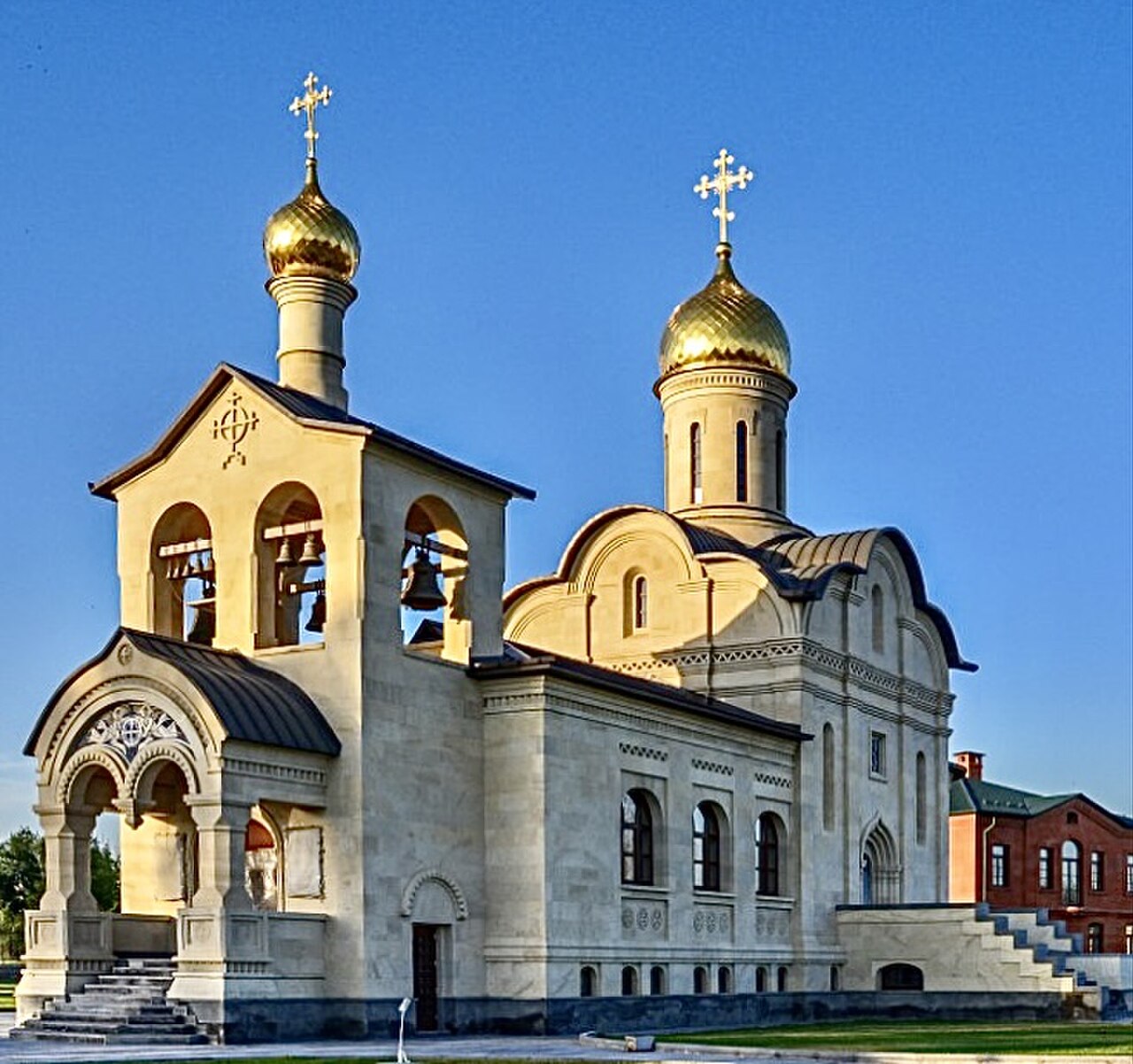
Holy Cross Russian Church
- High
- Place of worship
Language · 11 published
Nature site · Yerevan
Երևանյան լիճ
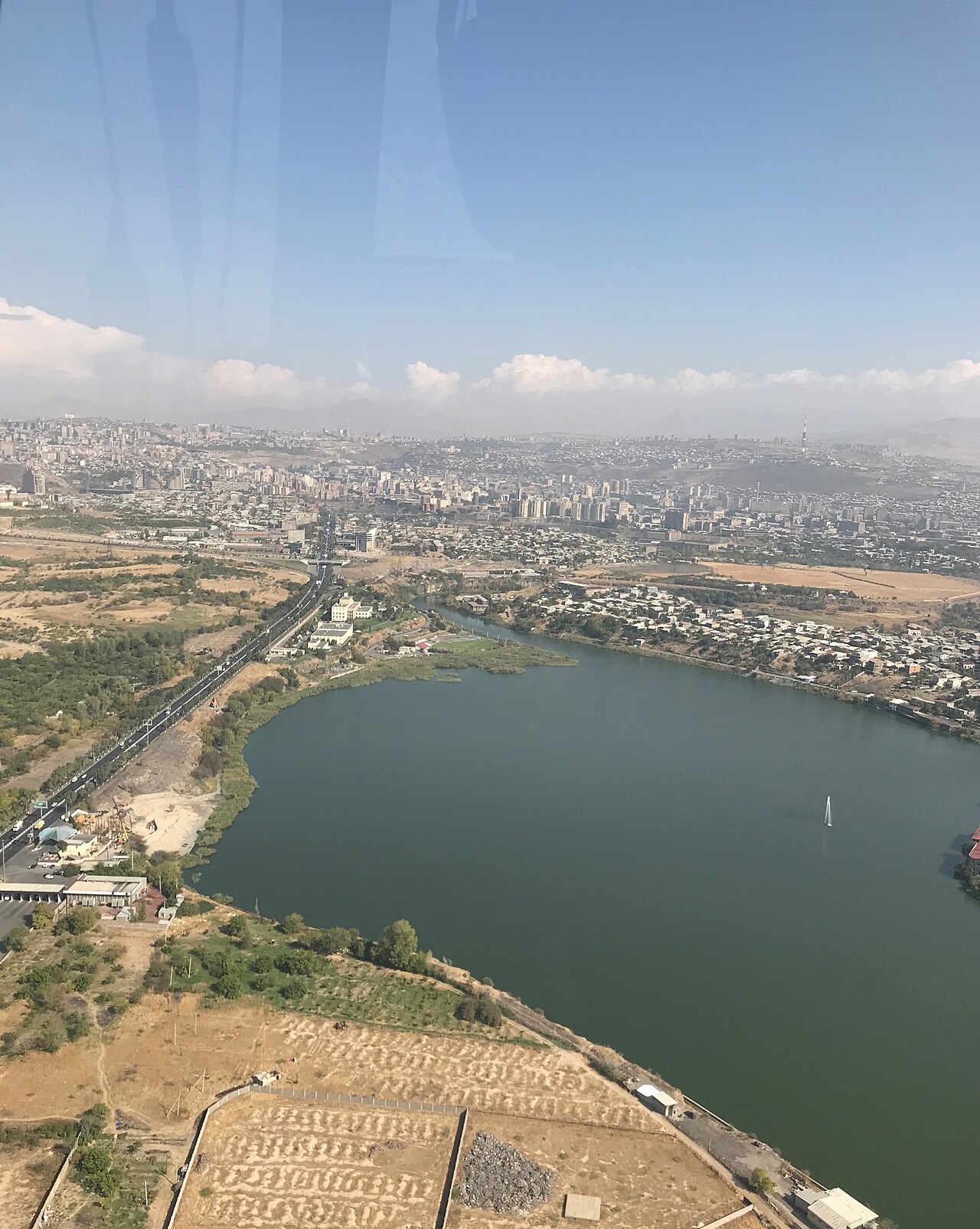
Yerevan Lake, known locally as Երևանյան լիճ, is an artificial reservoir situated on the southwestern edge of Armenia's capital city. Created during the Soviet period, it serves as one of Yerevan's notable water features within its urban geography. The lake occupies a position in the Hrazdan River gorge area, contributing to the city's varied topography of plains and elevated terrain. Its artificial origins distinguish it from natural alpine lakes found elsewhere in Armenia's landscape.
Checked 2026-08-26
The lake's surroundings include developed recreational zones and naturalistic edges where visitors encounter water views against the backdrop of Yerevan's elevated terrain. The area contains walking paths and spaces where residents engage in leisure activities. Vegetation around the reservoir varies between maintained sections and more naturally occurring growth. The water body itself supports no significant commercial vessel traffic. Nearby developments include residential and commercial structures that frame portions of the shoreline, creating an interface between urban expansion and this water feature.
Checked 2026-08-26

A complete circuit of Yerevan Lake on foot requires substantial time given its perimeter extent. Visitors typically allocate between one and three hours for a leisurely exploration of the accessible shoreline paths, depending on walking pace and frequency of stops for observation or rest. Those seeking only brief exposure to the water views may complete a partial visit in under forty minutes. Photography sessions, picnicking, or extended contemplation of the Hrazdan gorge scenery naturally extend duration. The lake rewards unhurried pacing to appreciate its atmospheric qualities across different vantage points.
Checked 2026-08-26
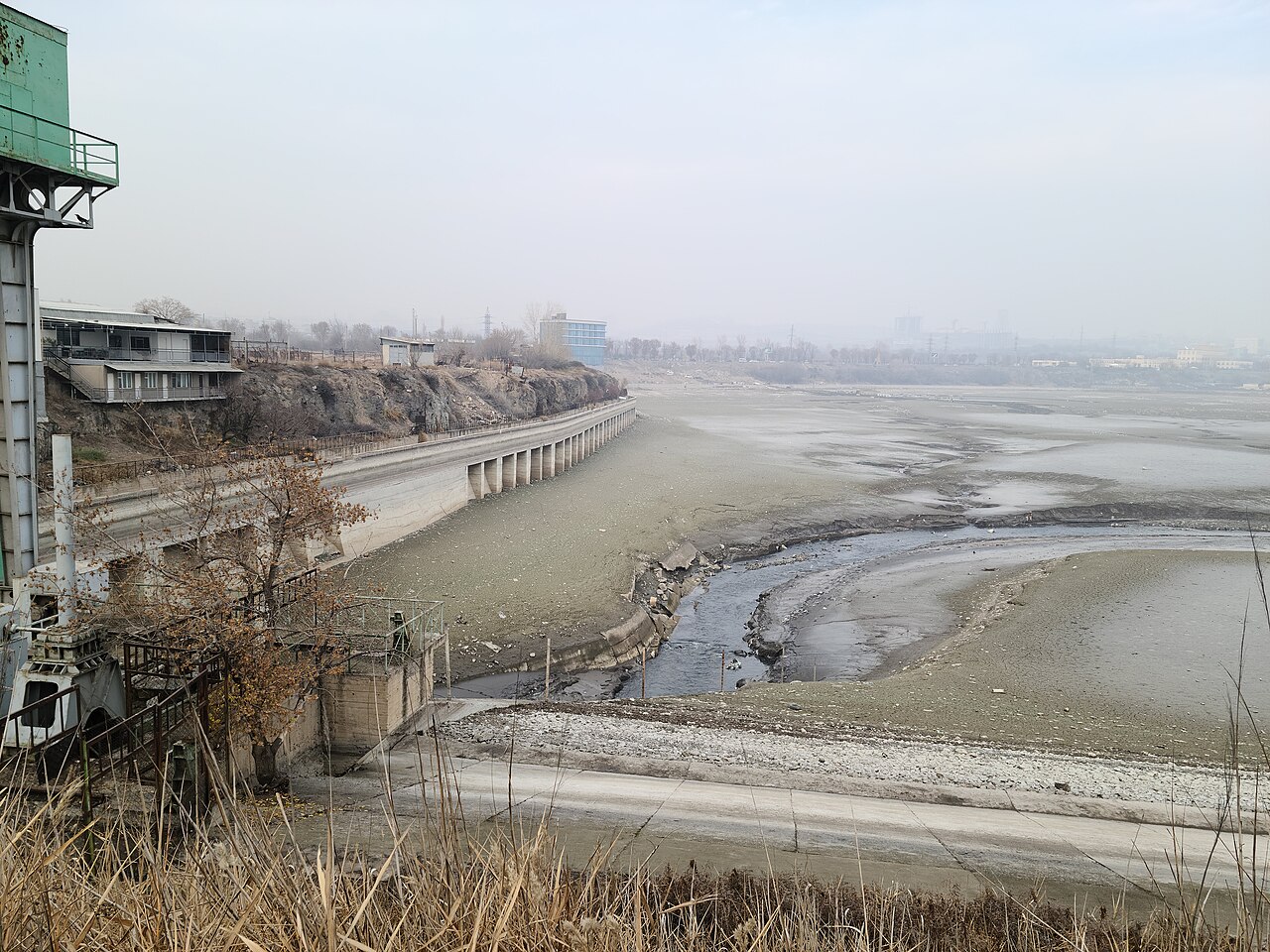
Yerevan experiences continental climate patterns with hot, dry summers and cold winters with snow coverage. The lake area remains accessible throughout the year, though conditions vary dramatically by season. Spring and autumn offer moderate temperatures favorable for extended walking. Summer visits require preparation for intense sun exposure at this elevation. Winter presents frozen or snow-covered conditions that alter accessibility and safety considerations. Visitors should consult current local conditions before planning, as weather and maintenance activities may affect the experience without advance public notification. Check the operator's own site for the travel date before relying on a schedule or fare.
Checked 2026-08-26
Access to Yerevan Lake and its surrounding public spaces occurs without controlled entry points requiring admission fees for basic visitation. The area functions as municipal open space rather than a ticketed attraction. Any specialized facilities, equipment rentals, or organized activities that may operate in proximity would establish separate commercial arrangements. Visitors carrying personal provisions for walking, photography, or informal recreation encounter no mandatory expenditure. Those seeking services from third-party operators in the vicinity should verify costs directly with providers rather than assuming standardized pricing structures. Check the operator's own site for the travel date before relying on a schedule or fare.
Checked 2026-08-26
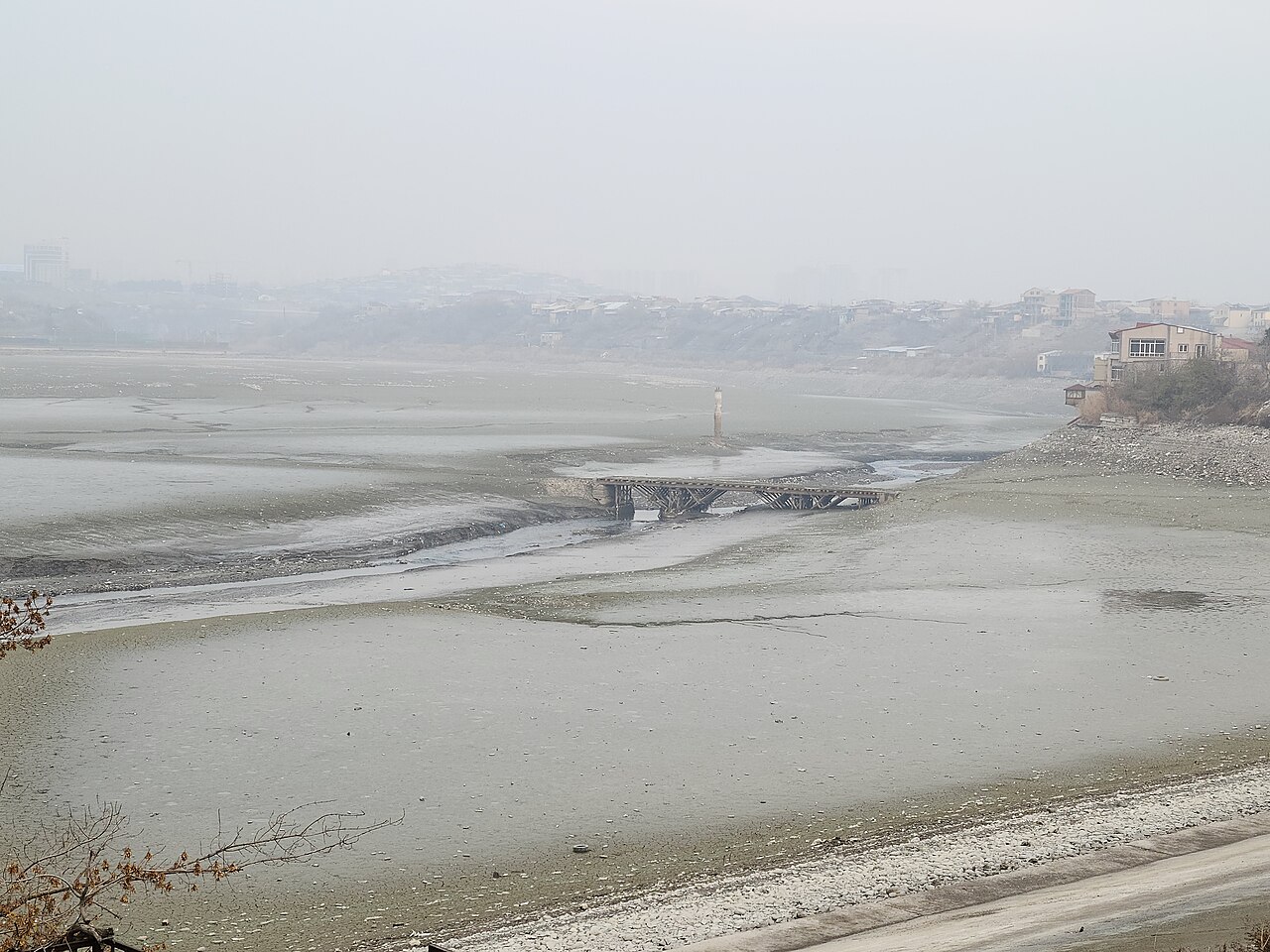
Yerevan Lake sits southwest of the central Kentron district, accessible via multiple transportation approaches. Public marshrutka minibuses and trolleybus routes serve corridors approaching the general area, though specific stop proximity to preferred lake access points requires local verification. Taxi services provide direct access with drivers familiar with multiple entry points around the irregular shoreline. Personal vehicles find parking opportunities near developed sections, though availability fluctuates. Walking from central Yerevan involves significant distance and elevation change, making this approach suitable only for dedicated pedestrians. The Hrazdan gorge topography complicates straightforward navigation for first-time visitors.
Checked 2026-08-26
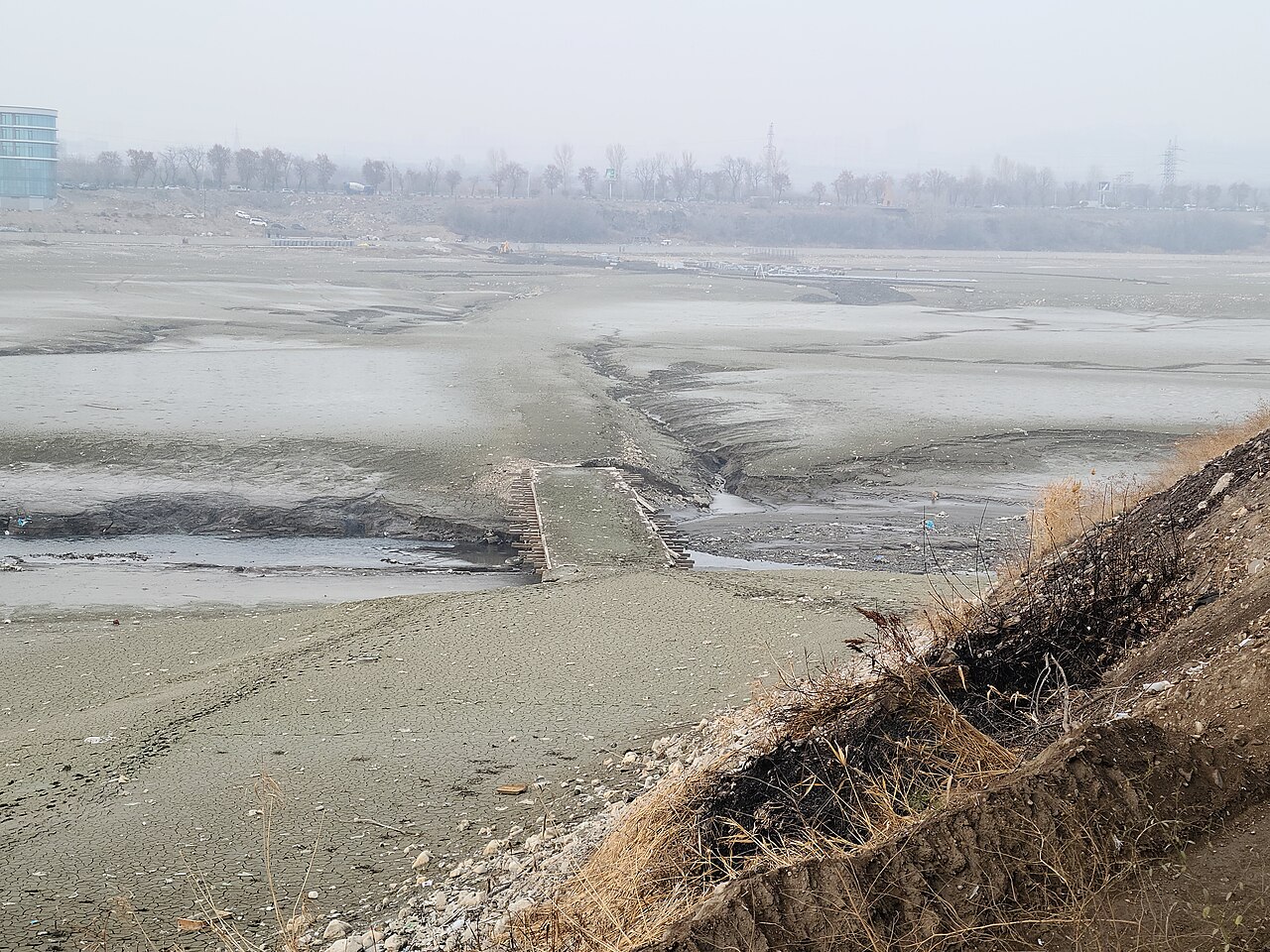
The artificial reservoir's edges vary in accessibility and safety, with some areas presenting steep or unstable approaches to the water. Visitors should remain on established paths rather than attempting unmarked descents toward the shoreline. Summer heat at Yerevan's elevation creates dehydration risk during extended exposure; water and sun protection warrant priority. Winter ice formation on the lake surface demands caution regardless of apparent solidity. The surrounding urban interface includes vehicle traffic near certain access points. After-dark visitation reduces visibility of terrain variations and decreases emergency assistance availability. Water quality and depth conditions are not consistently monitored for recreational contact.
Checked 2026-08-26
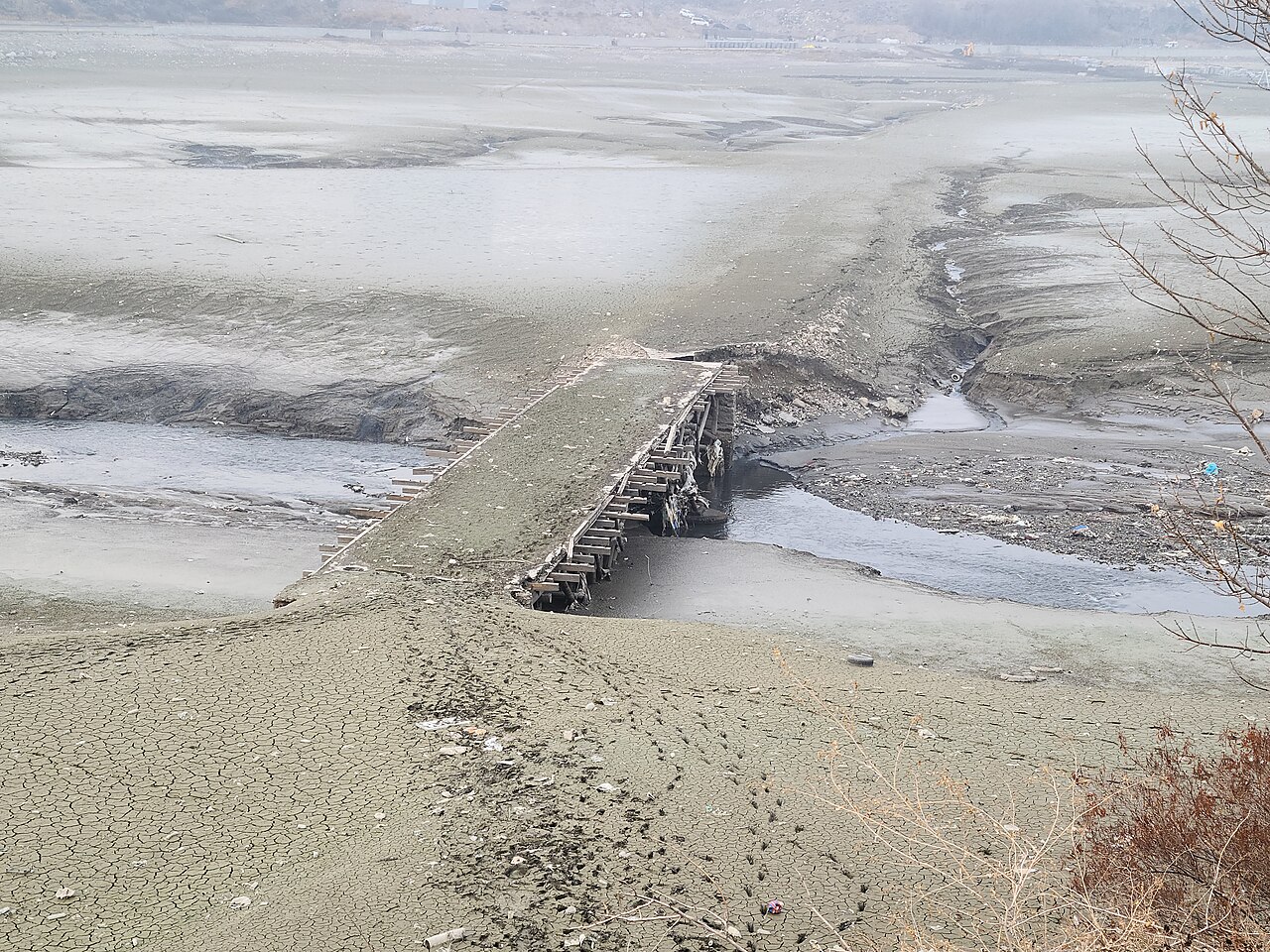
Yerevan Lake offers photographic subjects encompassing water surfaces, gorge topography, and urban development interfaces. Morning and evening hours provide angled light that models the surrounding terrain effectively. The contrast between naturalistic water elements and Soviet-era or contemporary structures creates compositional opportunities for documenting Yerevan's layered development. Panoramic views from elevated approaches capture the lake's relationship to the broader city layout. The Hrazdan River gorge context adds depth to landscape compositions. Overcast conditions soften harsh shadows that otherwise challenge midday exposure balance. Visitors should respect private property boundaries near residential sections of the shoreline while seeking vantage points from clearly public spaces.
Checked 2026-08-26
Not recorded. The lake's function as an artificial reservoir without designated recreational swimming infrastructure suggests visitors should not assume swimming is permitted or safe.
Not recorded. The surrounding area contains urban development, but specific food service establishments directly at the lake are not confirmed in available sources.
Not recorded. Path conditions and permitted uses vary; visitors should observe local practice and any posted regulations regarding cycling.
Cautious visitor judgement suggests close supervision is warranted due to variable shoreline accessibility and absence of confirmed safety infrastructure.
Not recorded. The lake functions as municipal open space without evident structured tour operations in available information.
Not recorded. Multiple transit corridors approach the southwestern area, but specific route numbers and stop locations require local verification.
Loading the interactive map…
The interactive map could not be loaded.


Last updated:
Source: OpenStreetMap contributors, Wikidata ·