
_mai_2018.jpg)


1 min walk
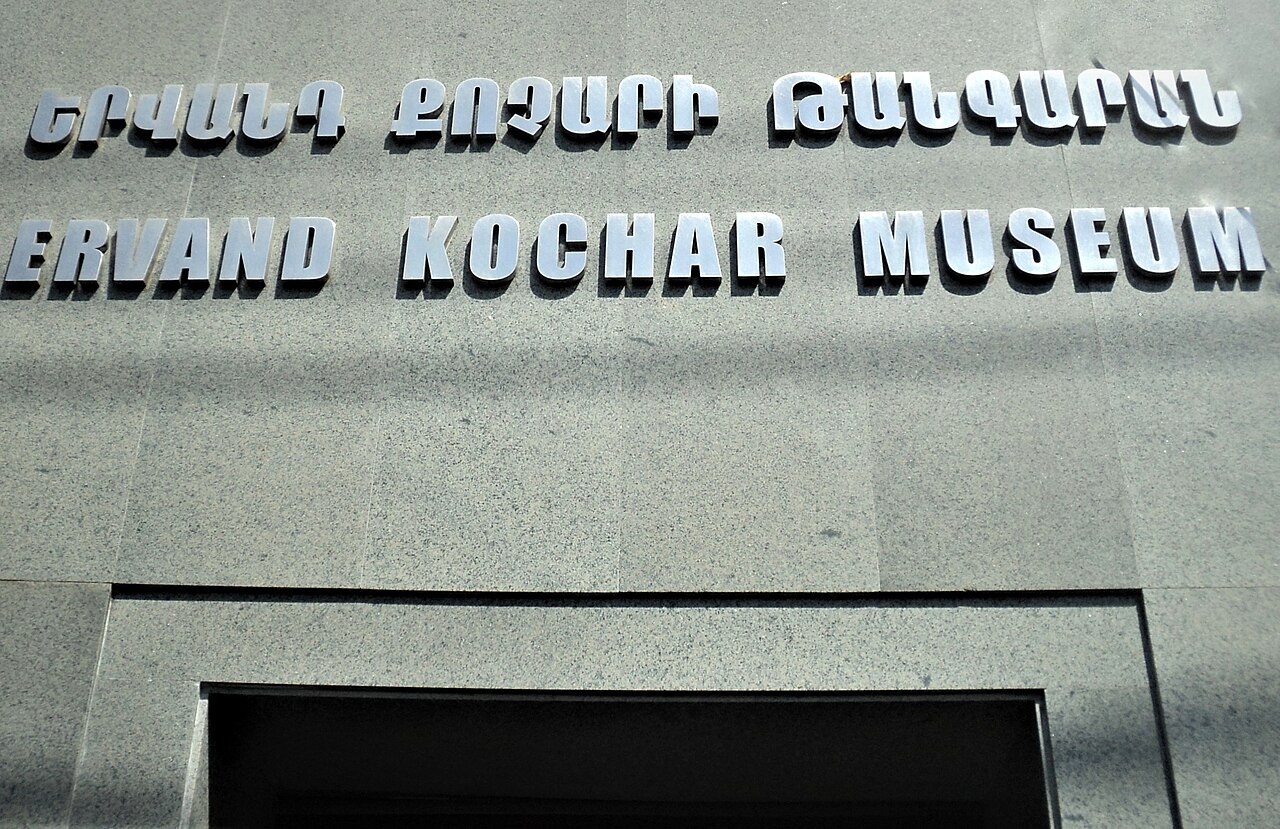
Yervand Kochar Museum
- Must see · Heritage site
- Museum
Language · 11 published
Art and culture venue · Yerevan
Վիլյամ Սարոյանի արձան
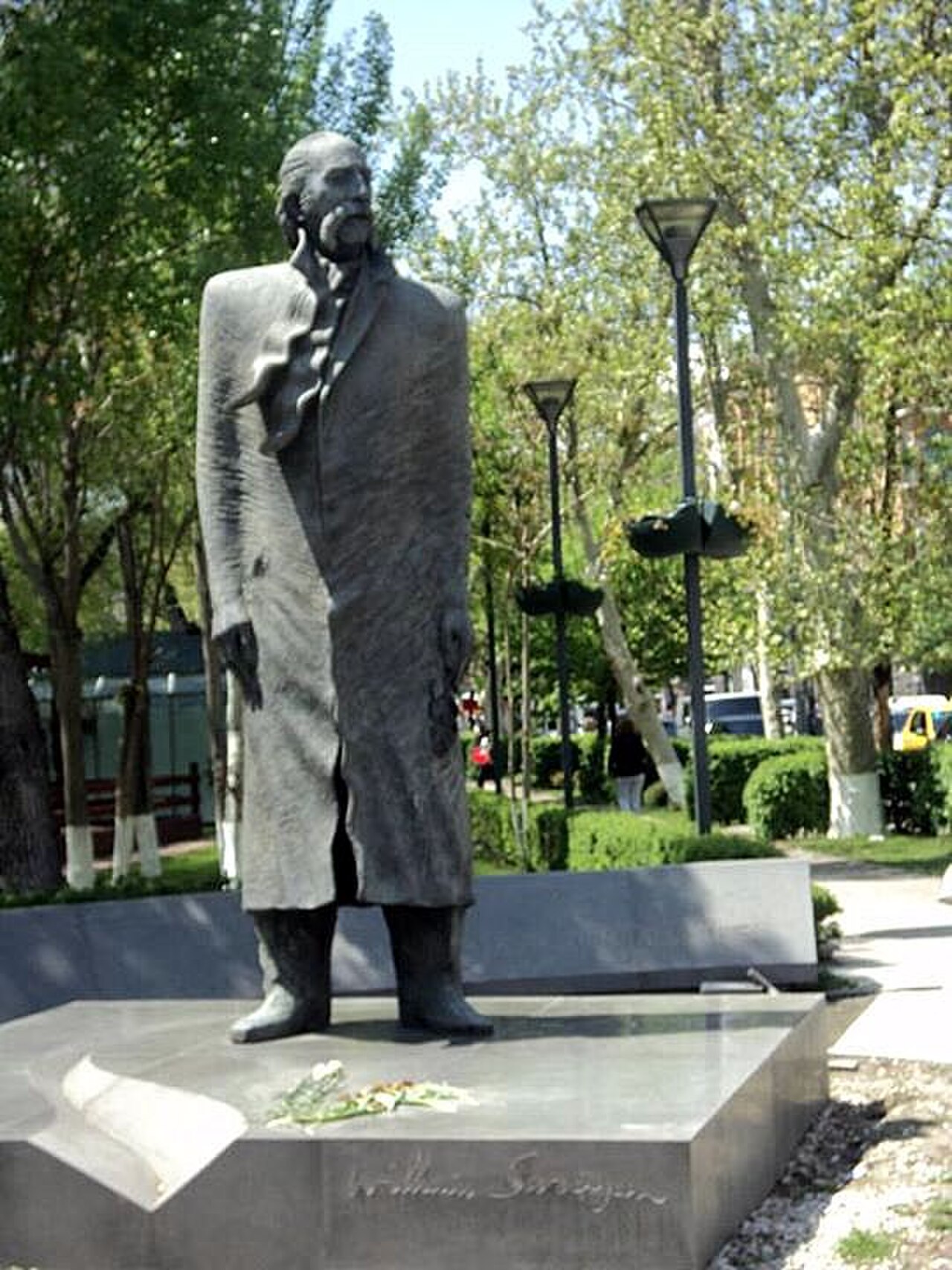
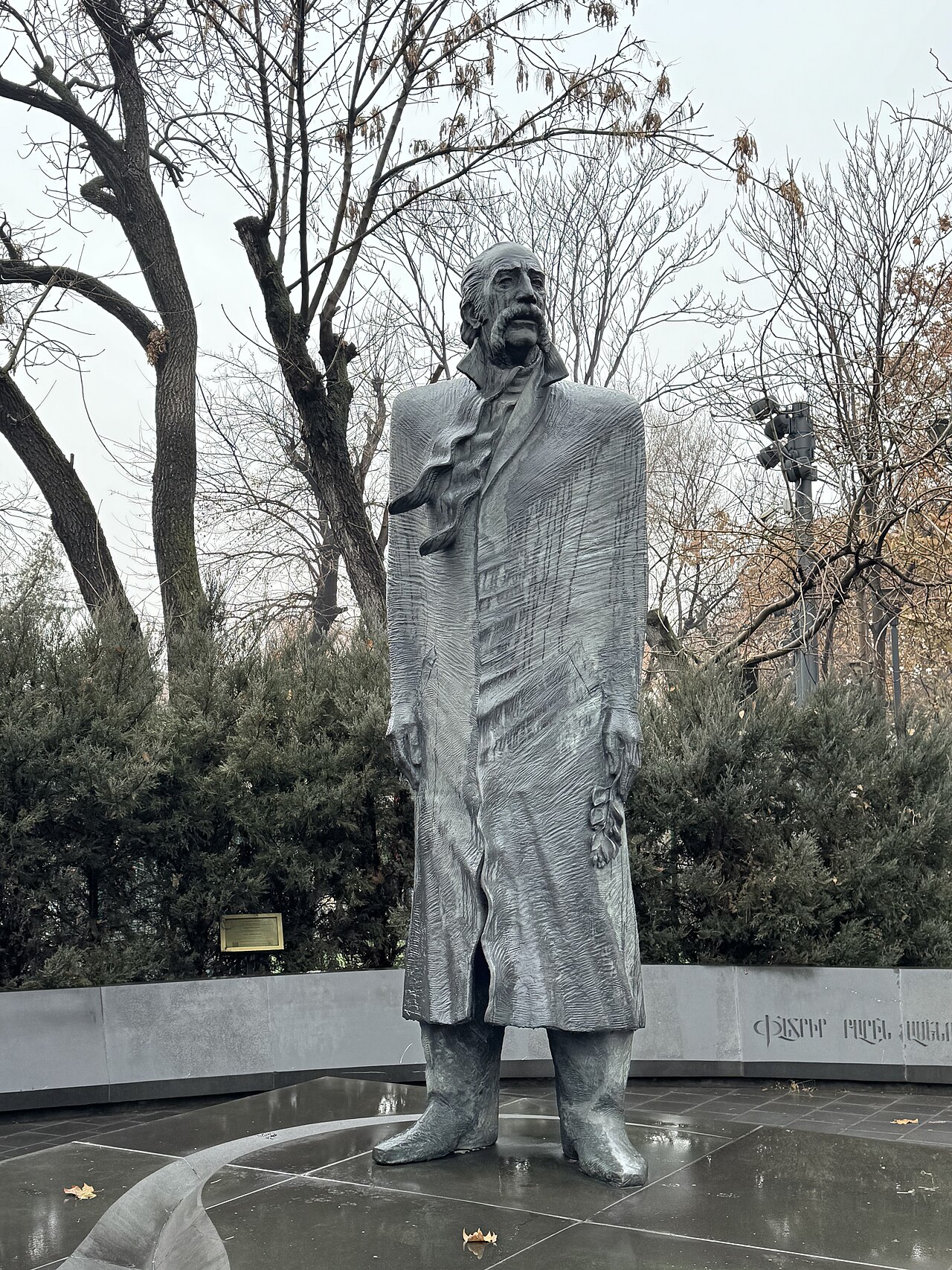
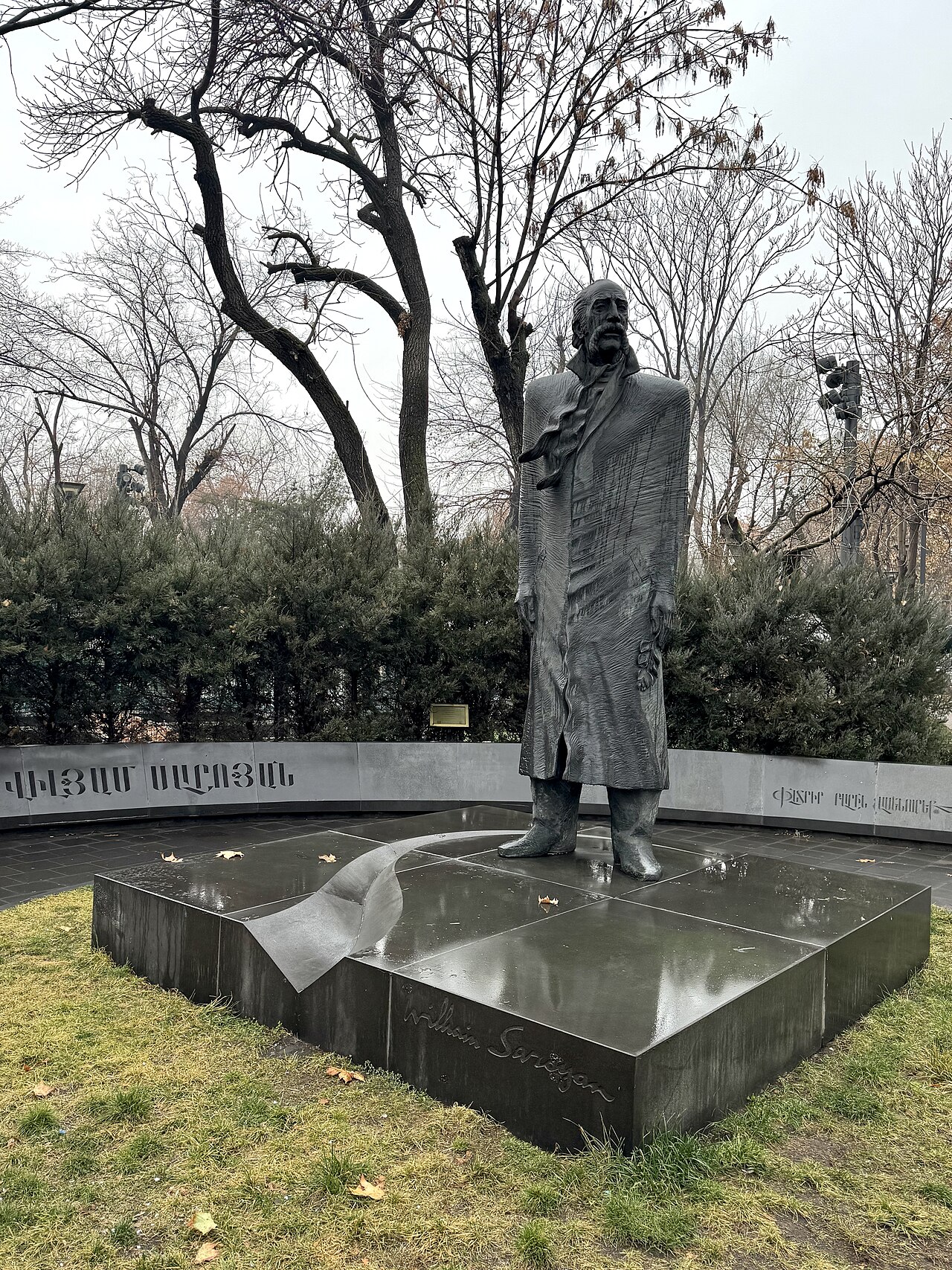
William Saroyan’s Monument is an outdoor memorial in Yerevan honouring the Armenian-American writer William Saroyan. Born in Fresno to Armenian immigrant parents, Saroyan became a major literary figure whose plays and short stories explored family, migration, resilience, and ordinary human experience. The monument offers visitors a compact connection with Saroyan’s Armenian heritage and with Yerevan’s tradition of commemorating important cultural figures in public spaces. The William Saroyan's Monument is a public memorial in Yerevan honoring the celebrated Armenian-American writer William Saroyan. Born in Fresno, California to Armenian immigrant parents, Saroyan became one of the most prominent literary figures of Armenian descent in the twentieth century. The monument commemorates his cultural contributions and enduring connection to his ancestral homeland. Located in a public space accessible to residents and visitors, the installation reflects Yerevan's practice of honoring significant cultural figures through urban sculpture. Saroyan's works, including plays and short stories, often explored themes of immigrant experience, family, and human resilience, resonating with diaspora communities worldwide.
Checked 2026-08-26 · Source
The site contains an outdoor commemorative sculpture dedicated to Saroyan. There is no enclosed interior, exhibition hall, museum collection, or visitor centre forming part of this monument. Visitors encounter the memorial in its urban setting and can focus on its sculptural elements, the surrounding public space, and Saroyan’s connection with Armenian cultural life. His books and plays provide the deeper literary context beyond the monument itself. The monument itself consists of sculptural elements dedicated to William Saroyan's memory. As an outdoor public installation, it does not contain an enclosed interior space or exhibition hall. Visitors will find the commemorative structure situated in its designated location within the urban environment. The surrounding area may include pedestrian pathways and landscaping typical of Yerevan's public spaces. There are no museums, gift shops, or visitor centers associated with this specific monument. Those seeking deeper engagement with Saroyan's literary legacy would need to consult other cultural institutions in Yerevan or access his published works separately from this site visit experience.
Checked 2026-08-26 · Source

Set aside about ten to twenty minutes for the monument itself. This is enough time to approach the sculpture, look closely at its form, read any inscription, and take photographs without turning the stop into a separate half-day attraction. Readers familiar with Saroyan may want a longer pause. The memorial also fits easily into a broader walk through Yerevan’s streets, parks, and cultural landmarks. A visit to the William Saroyan's Monument typically requires a brief stop rather than an extended stay.
Checked 2026-08-26 · Source

Visit during daylight if you want the clearest view of the sculpture and any inscription. Evening may create a different urban mood, depending on the surrounding light. Yerevan’s hot summers and cold winters affect comfort at an exposed outdoor memorial, so the best moment is one that suits the weather and your walking route. The monument has no interior programme that requires a timed visit.
Checked 2026-08-26 · Source
The monument is a public outdoor installation rather than a ticketed museum or performance venue. Visitors can include it in a Yerevan walk without planning an exhibition admission or timed entry. Any spending associated with the outing belongs to transport, food, or other city activities, not to an interior visitor experience at William Saroyan’s Monument.
Checked 2026-08-26 · Source
William Saroyan’s Monument is part of Yerevan’s urban landscape and suits an itinerary explored on foot. Buses, the metro, taxis, and ride-hailing services provide ways to reach different parts of the city. Use the mapped position for the final approach, especially when combining several small landmarks. Walking is particularly practical for visitors already staying or sightseeing in central Yerevan.
Checked 2026-08-26 · Source
The monument stands in open public space without the controlled circulation of an indoor attraction. Watch for uneven or wet paving, nearby traffic, and normal city movement. Keep personal belongings close in busy areas, and leave room for pedestrians. Respect the memorial setting and avoid climbing or leaning on the sculpture. Weather protection is useful during both Yerevan’s bright summer days and cold winter conditions.
Checked 2026-08-26 · Source
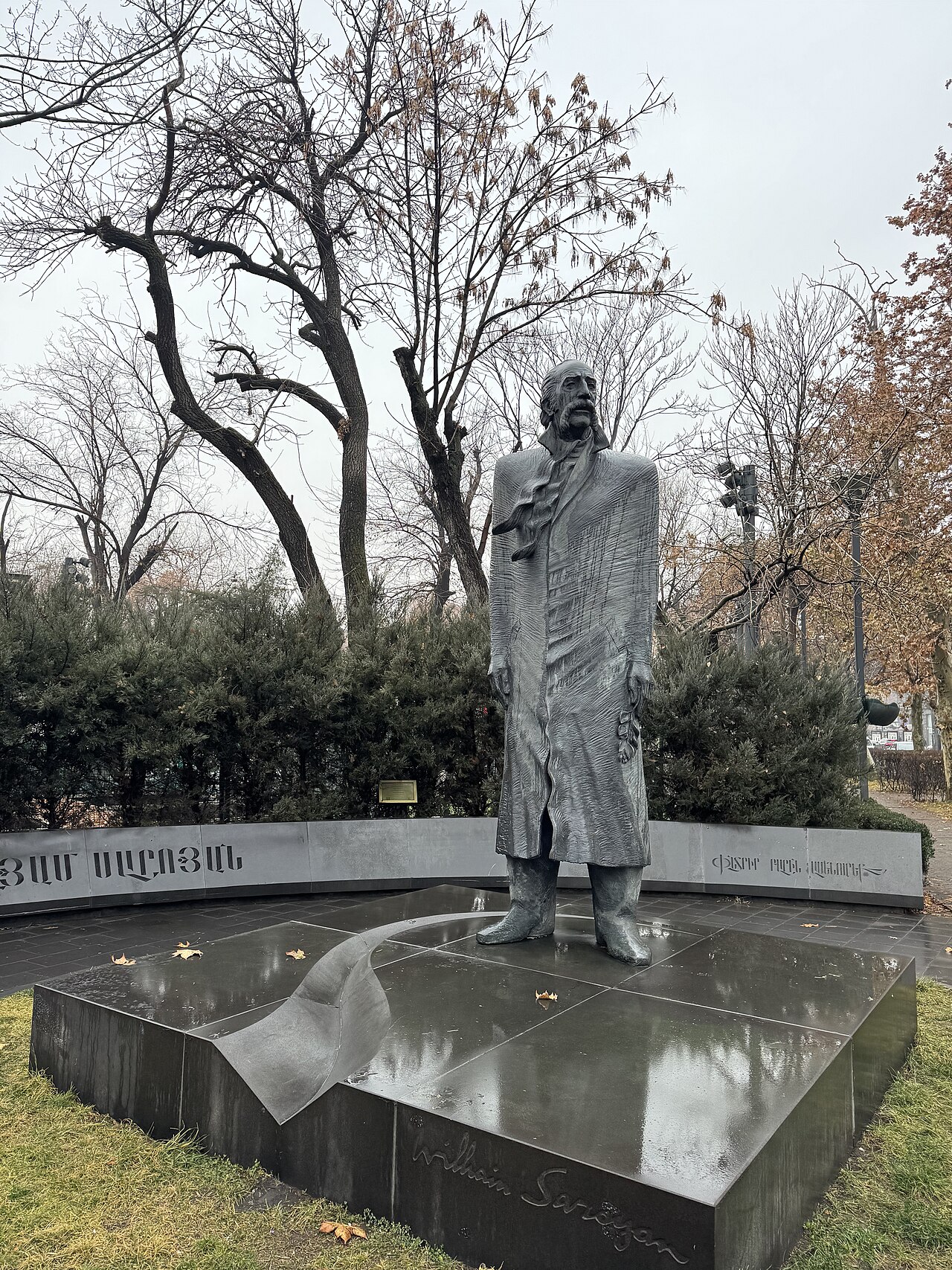
Photography is well suited to this outdoor memorial. Daylight shows the sculptural elements most clearly, while softer light can help with portraits and close details. Frame the monument against its surrounding urban context for a sense of place, or move closer for a simpler composition. Keep tripods and camera bags from narrowing pedestrian space, and be considerate when other people share the site.
Checked 2026-08-26 · Source
It honours William Saroyan, the Armenian-American writer known for plays and short stories about family, migration, resilience, and human experience.
No. It is an outdoor commemorative installation with no enclosed museum, exhibition hall, or visitor centre attached to it.
Around ten to twenty minutes is suitable for viewing the sculpture, reading any inscription, reflecting, and taking photographs.
Yes. Its compact outdoor format makes it easy to include alongside parks, streets, and other cultural landmarks in the city.
Daylight provides the clearest view of the sculpture; morning and late afternoon can offer softer light and a different atmosphere.
Observe the commemorative artwork, consider Saroyan’s Armenian-American literary heritage, and keep pedestrian pathways clear while taking photographs.
Loading the interactive map…
The interactive map could not be loaded.

Last updated:
Source: OpenStreetMap contributors, Wikidata ·