

1 min walk
Moscow Cinema
- Must see
- Entertainment venue
Language · 11 published
Art and culture venue · Yerevan
Ռուսական դրամատիկական թատրոն
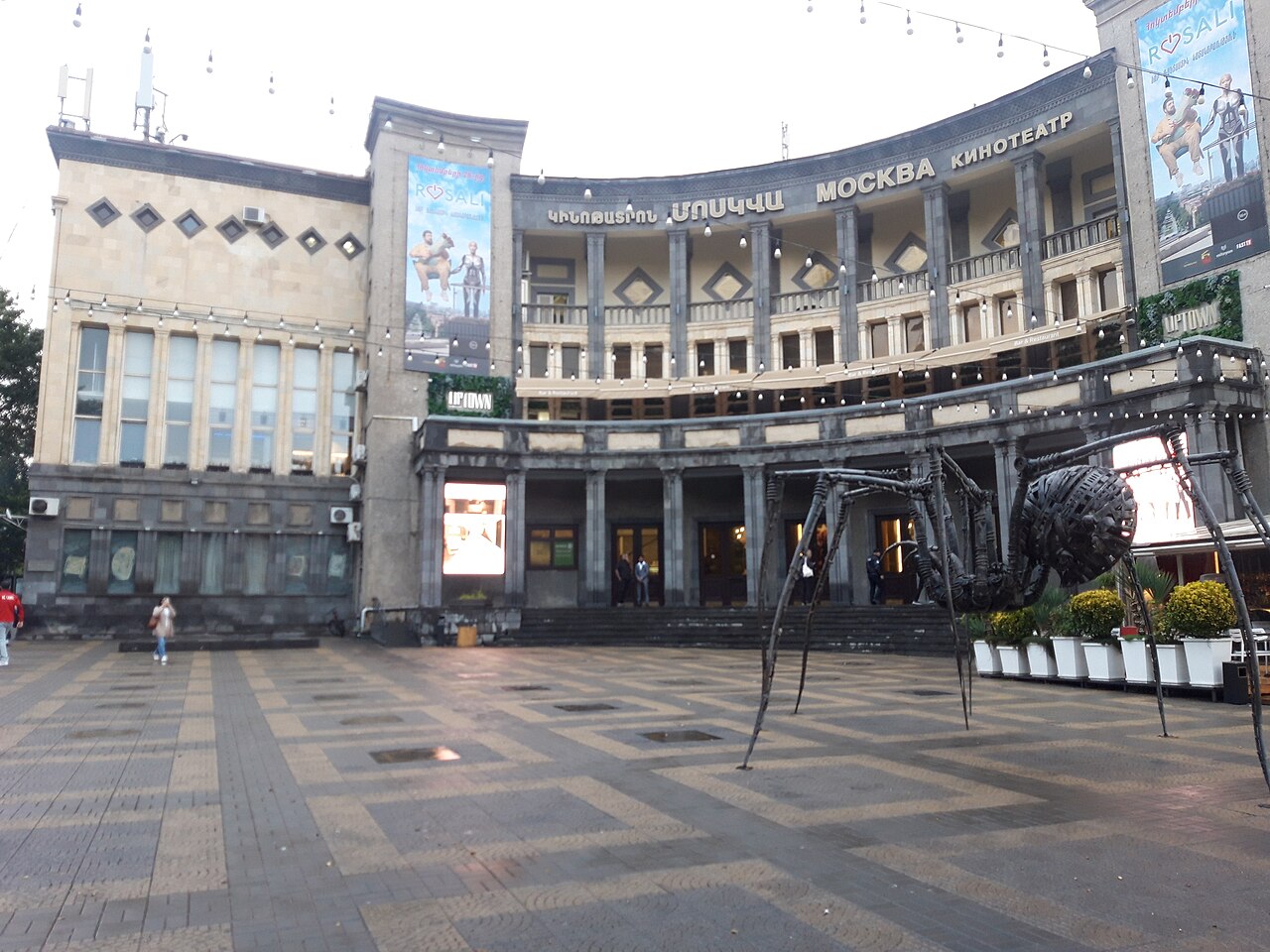
The Russian Dramatic Theatre is a Yerevan venue devoted to spoken dramatic performance in Russian. It offers a way to experience the city’s Russian-language theatrical tradition and its continuing place within Yerevan’s cultural life. Plan this stop around a scheduled play rather than treating it as a conventional museum. The main attraction is the live relationship between actors, text, stage design, and audience. The Russian Dramatic Theatre of Yerevan is a performing arts venue in the Armenian capital. Its local name, Ռուսական դրամատիկական թատրոն, identifies it as a Russian-language dramatic theatre serving Yerevan's cultural landscape. The institution represents one component of the city's diverse theatrical ecosystem, which includes multiple venues operating in different languages. As a dramatic theatre, it focuses on staged plays and theatrical productions rather than musical or operatic performance. The venue contributes to Yerevan's status as a cultural centre in the South Caucasus region, where Russian-language cultural institutions have historical significance dating to the Soviet period. No. The Komitas Pantheon is a cemetery and memorial site in Yerevan, entirely distinct from the Russian Dramatic Theatre performing arts venue. These are separate locations with different functions.
Checked 2026-08-26 · Source
Your experience centres on the auditorium and stage, with the surrounding foyer and theatre circulation areas supporting the performance. The venue’s character is defined by theatrical presentation rather than a permanent collection. Expect a focused cultural visit: enter for the production, take your seat, and give your attention to the actors and staging. The setting suits visitors interested in Yerevan’s performing arts and Russian-language culture. Theatres of this type typically contain a main auditorium with stage and seating, backstage facilities for performers, and public areas including a foyer or lobby. Technical equipment for lighting, sound, and set changes would be expected. Dressing rooms, administrative offices, and possibly rehearsal spaces may be present. Visitors should anticipate a conventional theatre layout optimised for dramatic performance presentation, though exact capacity, seating configuration, and accessibility features are unknown without direct inspection or official information from the venue.
Checked 2026-08-26 · Source
Allow the full running time of the chosen production, plus time to reach the venue, find your seat, and leave afterward. A theatre visit is therefore longer than a quick landmark stop, even when the building itself can be entered quickly. If you are arranging a same-day itinerary, place this experience in a dedicated evening block and leave enough margin around the scheduled start. The appropriate duration for visiting the Russian Dramatic Theatre depends entirely on the specific production attended.
Checked 2026-08-26 · Source
Choose a date that fits the theatre’s current programme and your interest in the production. Evening is the natural time for many dramatic performances, while the weather outside matters less once you are seated indoors. Arrive with time to settle before the curtain. Russian-language theatre is especially rewarding when you can follow the language, though the venue also offers cultural value as part of Yerevan’s multilingual arts scene.
Checked 2026-08-26 · Source
Treat admission as a performance booking rather than a casual sightseeing expense. Select a production first, then plan the rest of your evening around its start time and seating arrangement. Bring the booking details with you and allow time for entry. The value of the visit lies in seeing a live staged work, so choose a title whose language and subject suit your travel companions.
Checked 2026-08-26 · Source
The theatre sits within Yerevan’s urban cultural landscape, making it suitable for combining with other central activities before or after a performance. Use the theatre’s Armenian and Russian name when showing the destination to a driver or matching it on a map. For an evening visit, plan the final walk carefully and arrive before the advertised start, since late entry can interrupt both performers and spectators.
Checked 2026-08-26 · Source
The principal practical question is language: the venue’s name identifies Russian dramatic theatre, so a Russian-language production may be difficult to follow without sufficient language ability. Read the programme title and description before choosing. Keep your phone silent, arrive punctually, and follow theatre staff instructions. Dress comfortably for an indoor evening and leave enough time for the journey home after the curtain.
Checked 2026-08-26 · Source
Keep photography secondary to the performance. The stage, actors, and audience need an undisturbed environment, so follow any theatre notices and staff directions once inside. A quiet photograph of the exterior can record the stop before or after the show. During the production, put the phone away and avoid bright screens, flash, filming, or any action that distracts nearby spectators.
Checked 2026-08-26 · Source
It offers live spoken drama in a Russian-language theatrical setting, with the auditorium and stage forming the centre of the visit.
The theatre’s name identifies it as a Russian dramatic theatre, so Russian is central to its identity and programming.
Plan around a scheduled theatrical production, including its start time, running time, seating, and the journey home afterward.
It is a performing arts venue focused on staged dramatic works, not a museum organised around a permanent collection.
Arrive punctually, silence your phone, avoid bright screens and recording, and give the actors and fellow spectators your full attention.
Yes. Its urban cultural setting makes it suitable for pairing with daytime sightseeing before an evening performance.
Loading the interactive map…
The interactive map could not be loaded.

Last updated:
Source: OpenStreetMap contributors ·