
2 min walk
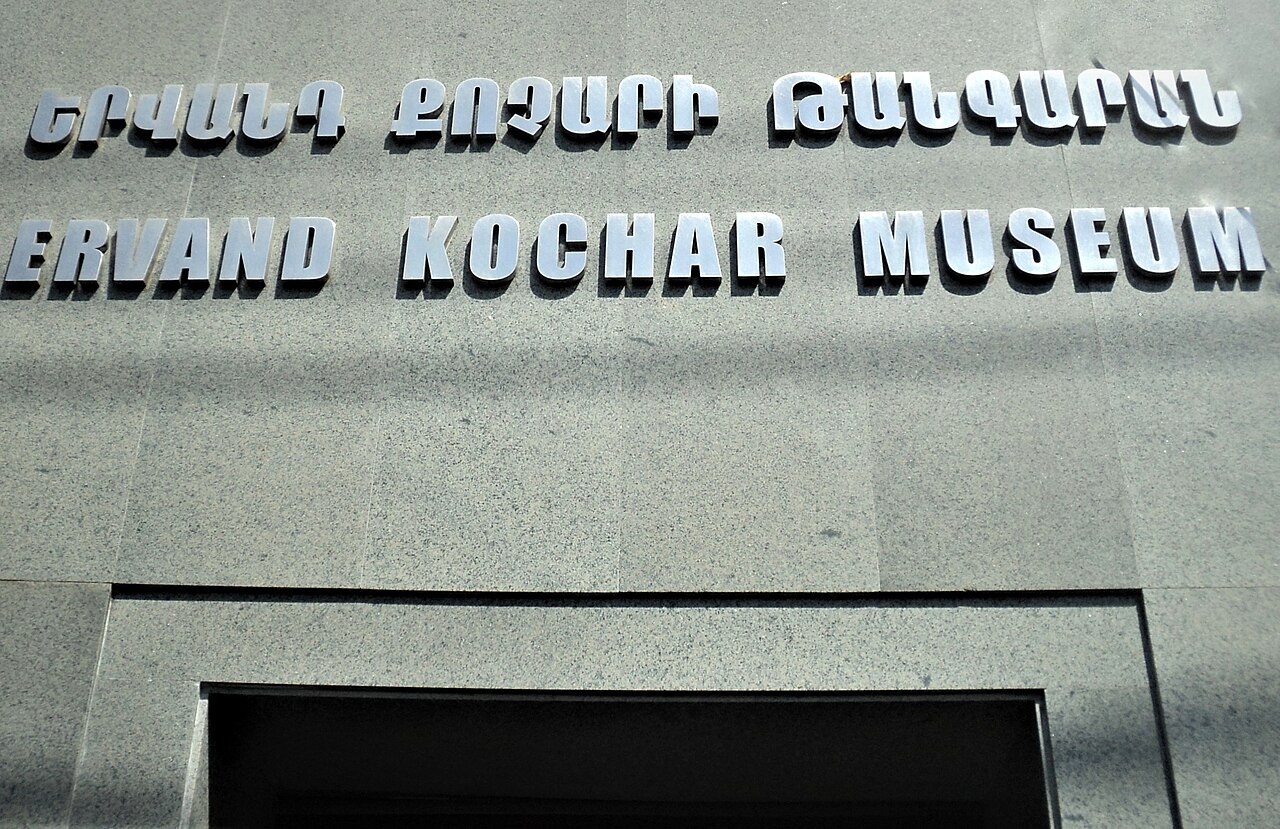
Yervand Kochar Museum
- Must see · Heritage site
- Museum
Language · 11 published
Museum · Yerevan
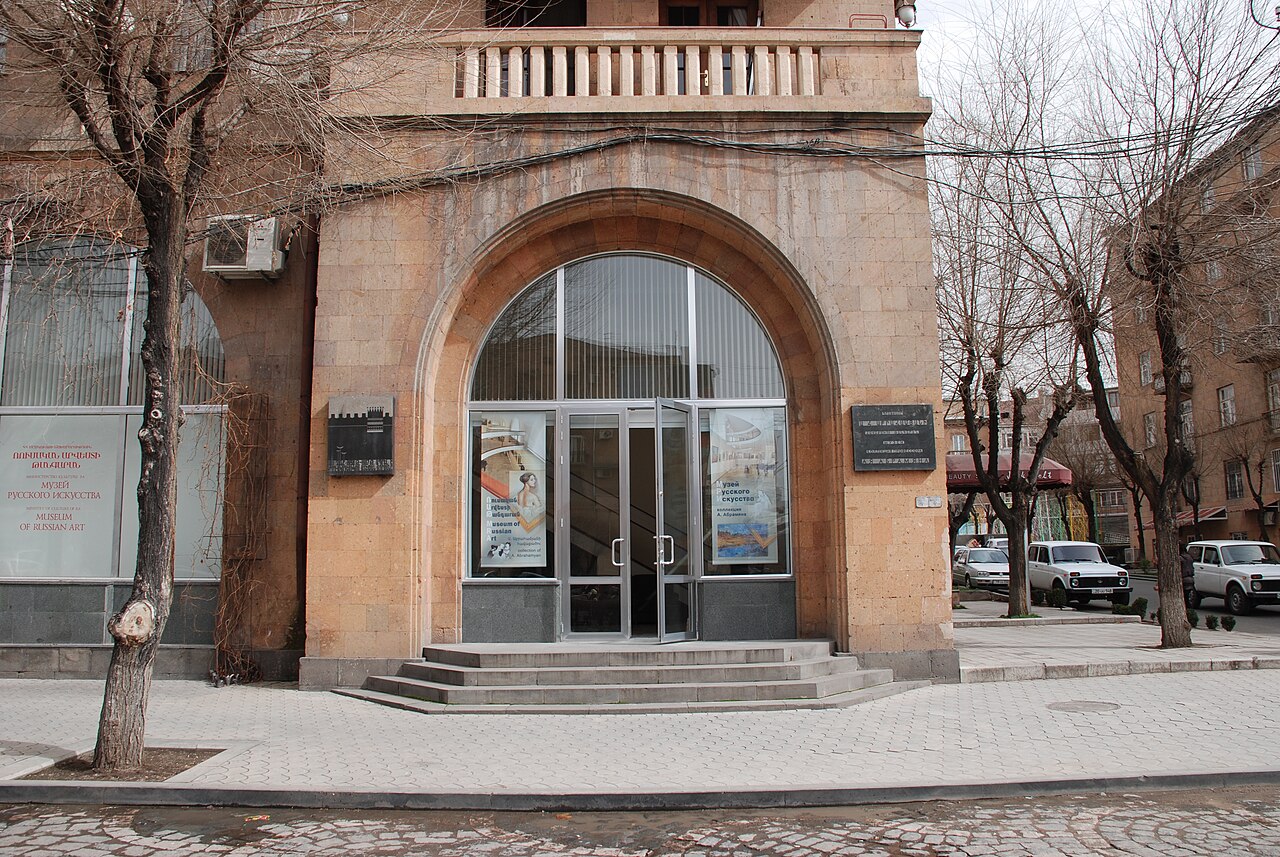
Museum of Russian Art
Reviewed by Elena Voss · SSMTour Travel Editor
| Monday | Closed |
|---|---|
| Tuesday | 10:30 – 17:00 |
| Wednesday | 10:30 – 17:00 |
| Thursday | 10:30 – 17:00 |
| Friday | 10:30 – 17:00 |
| Saturday | 10:30 – 17:00 |
| Sunday | 11:00 – 15:30 |
Parsed from OpenStreetMap opening hours on 2026-09-09.
This place is a Museum. It was established in 1980.
The Museum of Russian Art in Yerevan is a private museum formed around the collection of Professor A. Abrahamian. It offers travelers a focused encounter with Russian artistic heritage within Armenia’s capital. The museum’s identity comes from the collector and the character of a personal collection, rather than from the broad national scope of a state museum. That distinction gives the visit an intimate, specialized feel. It is a worthwhile stop for visitors who enjoy art history, collecting, and the way a private cultural institution preserves one scholar’s vision of Russian art.
Checked 2026-08-26 · Source
The museum presents works from Professor A. Abrahamian’s Russian art collection. The experience is shaped by the selection itself: rather than moving through a universal survey, visitors encounter art gathered through one collector’s interests and history of acquisition. Look for relationships among the displayed works, recurring artistic approaches, and the contrast between individual pieces. The museum’s private character makes it useful for travelers who prefer specialized collections to large institutions. Take time with the atmosphere as well as the objects, since the story of collecting is part of what distinguishes this museum from a general art gallery.
Checked 2026-08-26 · Source
Allow roughly forty-five minutes to two hours. A shorter visit gives you time to understand the museum’s private collection and view the principal works, while a longer visit suits travelers who like to compare styles and study individual paintings or objects. The right pace is contemplative rather than hurried. Because the museum is specialized, it can fit neatly into a Yerevan art itinerary without requiring an entire day. Pair it with another cultural stop if you want variety, or stay longer when the collection’s Russian artistic context is the main focus of your visit.
Checked 2026-08-26 · Source
A calm daytime visit is the best way to appreciate a private collection. Choose a slot that leaves room for close looking, since the museum’s appeal depends on the works and their arrangement rather than on a large architectural complex. It can provide an indoor pause during Yerevan’s hot summer or cold winter and works well as part of a broader museum day. Travelers interested in Russian art may prefer to place it before a larger collection, allowing the focused experience to establish a more personal and selective perspective.
Checked 2026-08-26 · Source
This is a private museum built around Professor A. Abrahamian’s personal collection, so the visit has a different character from entry to a large state institution. Plan for a focused gallery experience rather than a complex of cafés, shops, and public programs. The reason to come is the Russian art collection and its private curatorial identity. A measured pace and interest in individual works will add more to the visit than trying to rush through it. It is particularly suitable for travelers who value specialist museums and collector-led cultural stories.
Checked 2026-08-26 · Source
The museum is located in Yerevan and is represented by the mapped point node/6769828354. Use that location when arranging a taxi, ride-hailing trip, or walking route, since a private museum may be less prominent in street-level wayfinding than a major public landmark. Yerevan’s central districts can be reached by metro, bus, marshrutka, trolleybus, or taxi, depending on your starting point. If you are building an art-focused day, group this museum with other cultural destinations and use the map point to plan the order efficiently.
Checked 2026-08-26 · Source
The private and specialized format rewards visitors who enjoy a quieter, more focused museum experience. Exhibition explanations may be easier to follow for travelers familiar with Russian art history, while language support can vary. Move carefully around displayed works and follow the rules of the institution. A small collection can feel more personal than a major museum, but it also means that the visit depends heavily on your interest in the subject. Give yourself time to look closely, and combine the stop with another Yerevan attraction if you want a fuller day.
Checked 2026-08-26 · Source
The collection’s paintings and other artworks offer subjects for careful, restrained photography where permitted. Avoid flash and keep a respectful distance from frames and display cases. A handheld camera or phone is more suitable than bulky equipment in a private museum setting. Focus on details such as color, brushwork, framing, and the relationships between adjacent works. If you share images, preserve the museum’s quiet character and avoid photographing people without permission. The most useful photographs record the visual atmosphere of a specialist collection rather than simply cataloguing every object.
Checked 2026-08-26 · Source
It is a private museum based on the personal collection of Professor A. Abrahamian.
The museum focuses on Russian artistic heritage presented through Professor A. Abrahamian’s personal collection.
Allow approximately forty-five minutes to two hours, depending on how closely you study the displayed works.
The private format offers a more selective and personal view of Russian art, shaped by one collector’s interests and acquisitions.
Yes. Its specialized collection works well as one stop in a wider day of Yerevan galleries and cultural institutions.
Look closely at the individual works, their shared themes and styles, and the personal collecting perspective that distinguishes the museum.
Loading the interactive map…
The interactive map could not be loaded.

Last updated:
Source: OpenStreetMap contributors, Wikidata ·