
.JPG)

.JPG)
.JPG)

2 min walk
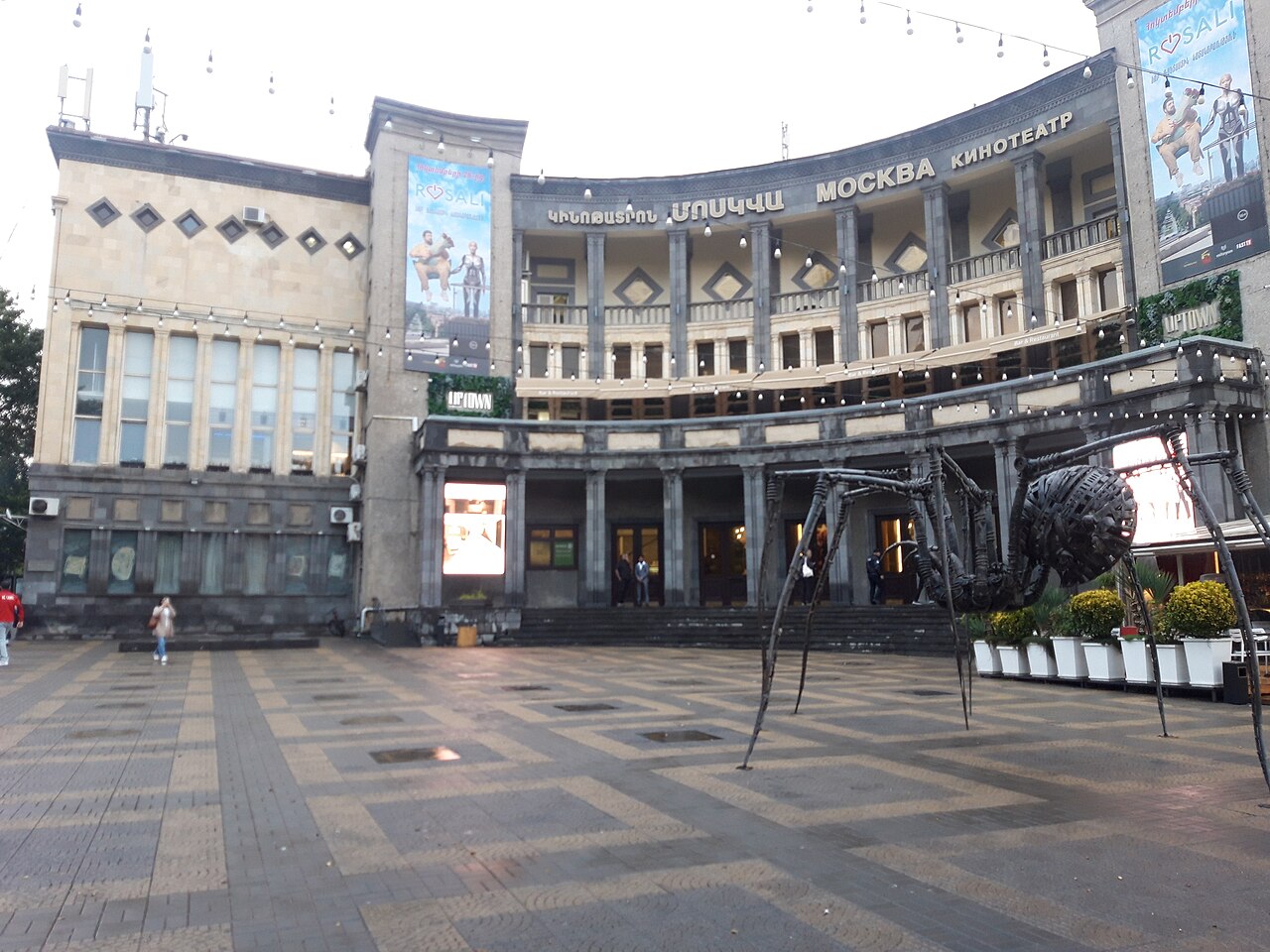
Moscow Cinema
- Must see
- Entertainment venue
Language · 11 published
Museum · Yerevan
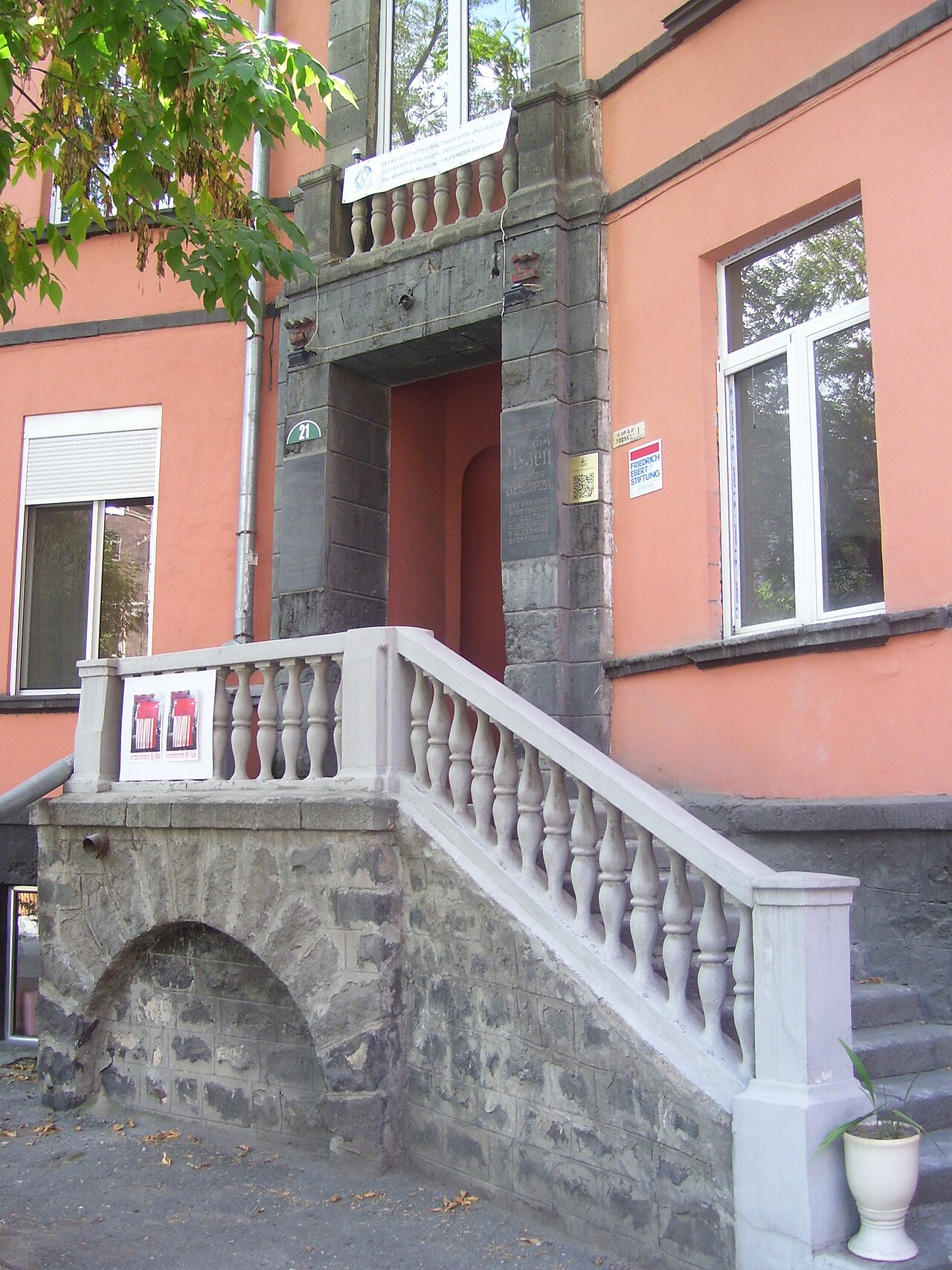
The Alexander Spendiaryan House Museum is a memorial museum in Yerevan dedicated to the life and work of Alexander Spendiaryan, a prominent Armenian composer and conductor. Spendiaryan was a key figure in Armenian classical music, known for blending European orchestral traditions with Armenian folk themes. The museum occupies the house where he lived and worked, preserving his personal environment. It serves as a cultural institution celebrating his contributions to music, including his famous opera Almast. The museum is part of Yerevan's network of composer house-museums that commemorate nationally significant musical figures.
Checked 2026-08-26
The museum contains Spendiaryan's personal belongings, musical manuscripts, documents, photographs, and memorabilia related to his career. Visitors can view items that belonged to the composer, including furniture and household objects from his residence. The collection reflects his daily life and creative process. Musical scores and archival materials document his compositions and conducting work. The preserved interior offers insight into the living conditions of an early twentieth-century Armenian intellectual. Exhibits may include correspondence with contemporaries and materials related to his professional engagements. The museum functions as both a biographical archive and a shrine to his artistic legacy.
Checked 2026-08-26
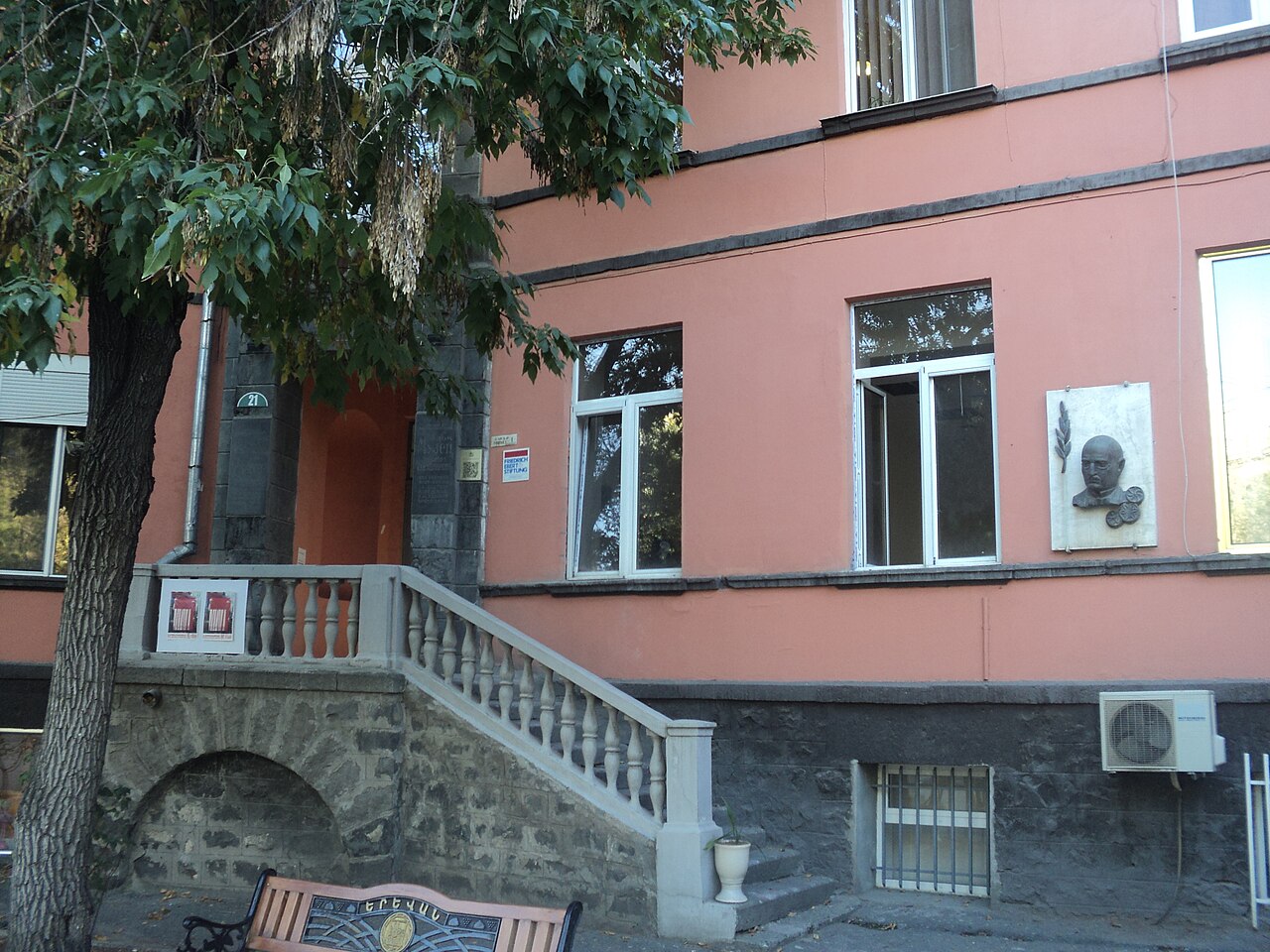
A typical visit to the Alexander Spendiaryan House Museum requires approximately thirty to sixty minutes. The compact nature of house-museums means the exhibition space is limited to several rooms. Visitors interested in musical history or Spendiaryan's specific contributions may wish to spend additional time examining manuscripts and personal items in detail. Those with a general interest in Yerevan's cultural heritage can complete a meaningful visit relatively quickly. The museum pairs well with other nearby cultural attractions, allowing visitors to construct a half-day itinerary exploring Armenian musical history. Self-guided pacing is typical, though staff may provide orientation.
Checked 2026-08-26
Visitors should verify current opening times before planning their trip, as house-museums in Yerevan often maintain variable schedules with seasonal adjustments. Weekday mornings may offer quieter conditions for contemplative examination of exhibits. The museum's indoor setting makes it suitable for any weather conditions, providing a reasonable destination during Yerevan's hot summers or cold winters. Cultural institutions in Armenia sometimes close for public holidays or private events without advance notice. Contacting the museum directly or consulting official tourism resources shortly before visiting remains the most reliable approach to avoid disappointment. Check the operator's own site for the travel date before relying on a schedule or fare.
Checked 2026-08-26
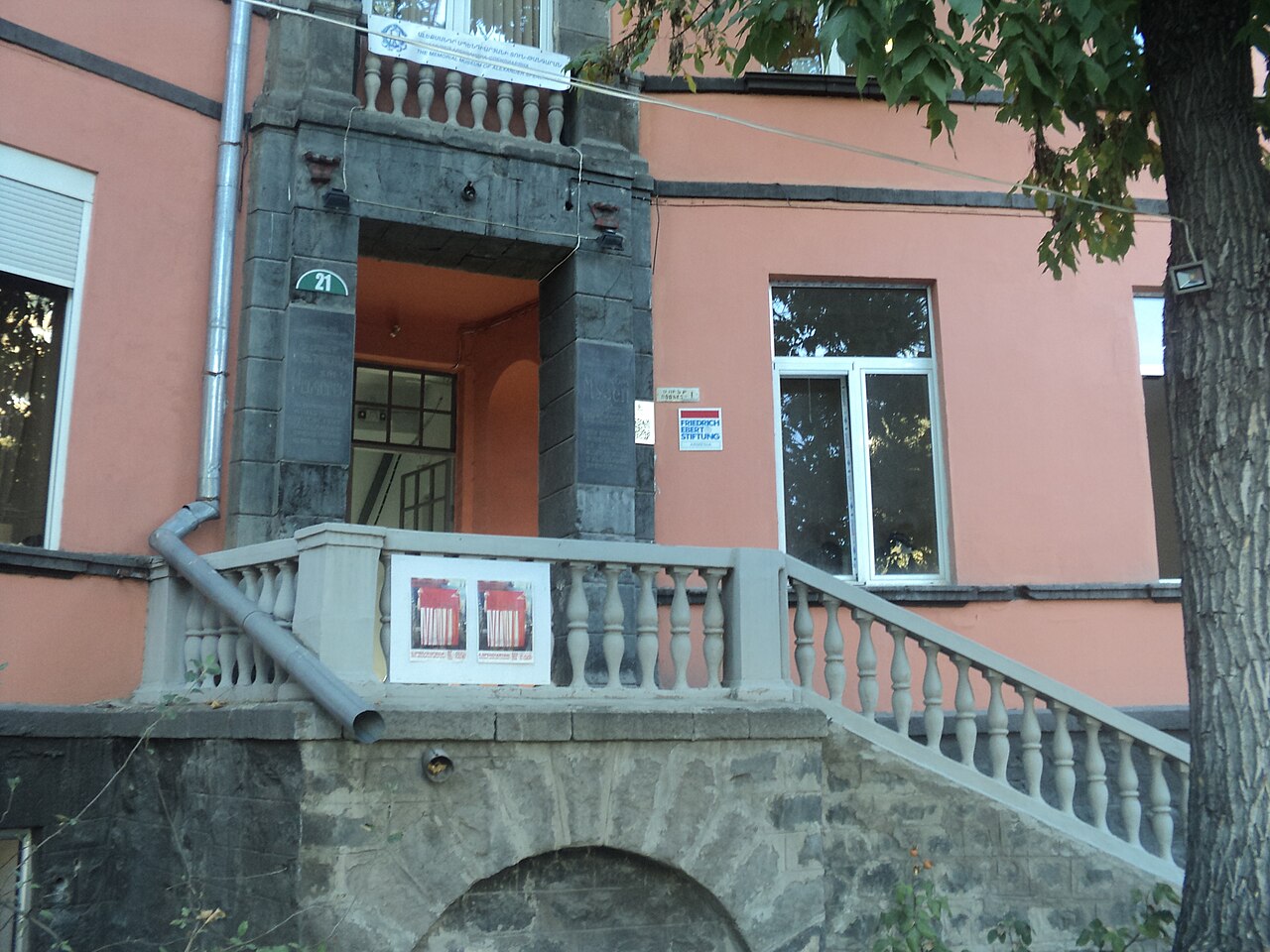
House-museums in Yerevan typically charge modest admission fees, though specific pricing for this institution remains unverified. Some Armenian cultural sites offer reduced rates for students, seniors, or citizens of Eurasian Economic Union countries, while others maintain flat fees. Free admission days may occur on certain cultural holidays, though this cannot be confirmed without official sources. Visitors should carry local currency, as smaller museums may not accept card payments. Group rates or guided tour supplements may apply. Budget travelers should prepare for possible entrance fees while remaining flexible until current pricing is established. Check the operator's own site for the travel date before relying on a schedule or fare.
Checked 2026-08-26

The museum is located in central Yerevan, accessible by public transportation including metro and marshrutka minibuses. The nearest metro station requires walking distance through residential streets. Taxis and ride-hailing applications serve the area reliably. Walking from central Yerevan landmarks such as Republic Square or the Opera Theatre is feasible for able visitors, though precise navigation requires local mapping applications or asking residents. Street signage in Armenian may challenge non-readers. The museum's location in a residential neighborhood rather than a primary tourist corridor means visitors should plan their route carefully. Bicycle and scooter rentals offer alternative options during favorable weather.
Checked 2026-08-26
The museum's residential setting means visitors should respect neighborhood tranquility and avoid loud behavior. Photography policies are not standardized and should be confirmed on arrival. Language barriers may affect non-Russian and non-Armenian speakers, as English provision at smaller museums varies significantly. Accessibility for mobility-impaired visitors is unverified and may be limited by historic building constraints. No food or beverage facilities are likely on-site. Visitors should verify operating status before traveling, as smaller museums occasionally suspend operations for renovation or staffing reasons. Cash remains essential. The intimate scale means large groups may feel cramped; solo travelers and pairs will have more comfortable experiences.
Checked 2026-08-26

Photography policies at the Alexander Spendiaryan House Museum are Not recorded. Many house-museums restrict or prohibit photography to protect sensitive archival materials and maintain atmosphere. Visitors should observe posted signage or inquire with staff upon entry. Flash photography is commonly prohibited even where general photography is permitted, as light exposure damages historical documents and textiles. Video recording may face stricter limitations than still photography. Respectful behavior around exhibits is expected regardless of formal rules. Social media sharing should avoid identifying other visitors without consent. When policy is unclear, erring toward restraint demonstrates cultural sensitivity appropriate to memorial institutions honoring deceased cultural figures.
Checked 2026-08-26
Not recorded. Historic house-museums often present accessibility challenges due to narrow doorways, stairs, and preserved original layouts.
Not recorded. Smaller Armenian museums may offer Russian and Armenian language tours primarily, with English provision varying.
Not recorded. Some cultural institutions sell recordings or publications, but specific retail offerings are unverified.
Not recorded. Compact museums may lack dedicated storage facilities; visitors should travel light.
Not recorded. House-museums typically admit children but may lack interactive elements designed for younger visitors.
Yerevan maintains multiple composer house-museums including those for Aram Khachaturian and Komitas, forming a network celebrating Armenian musical heritage.
Loading the interactive map…
The interactive map could not be loaded.

Last updated:
Source: OpenStreetMap contributors, Wikidata ·