Plaza de Mayo
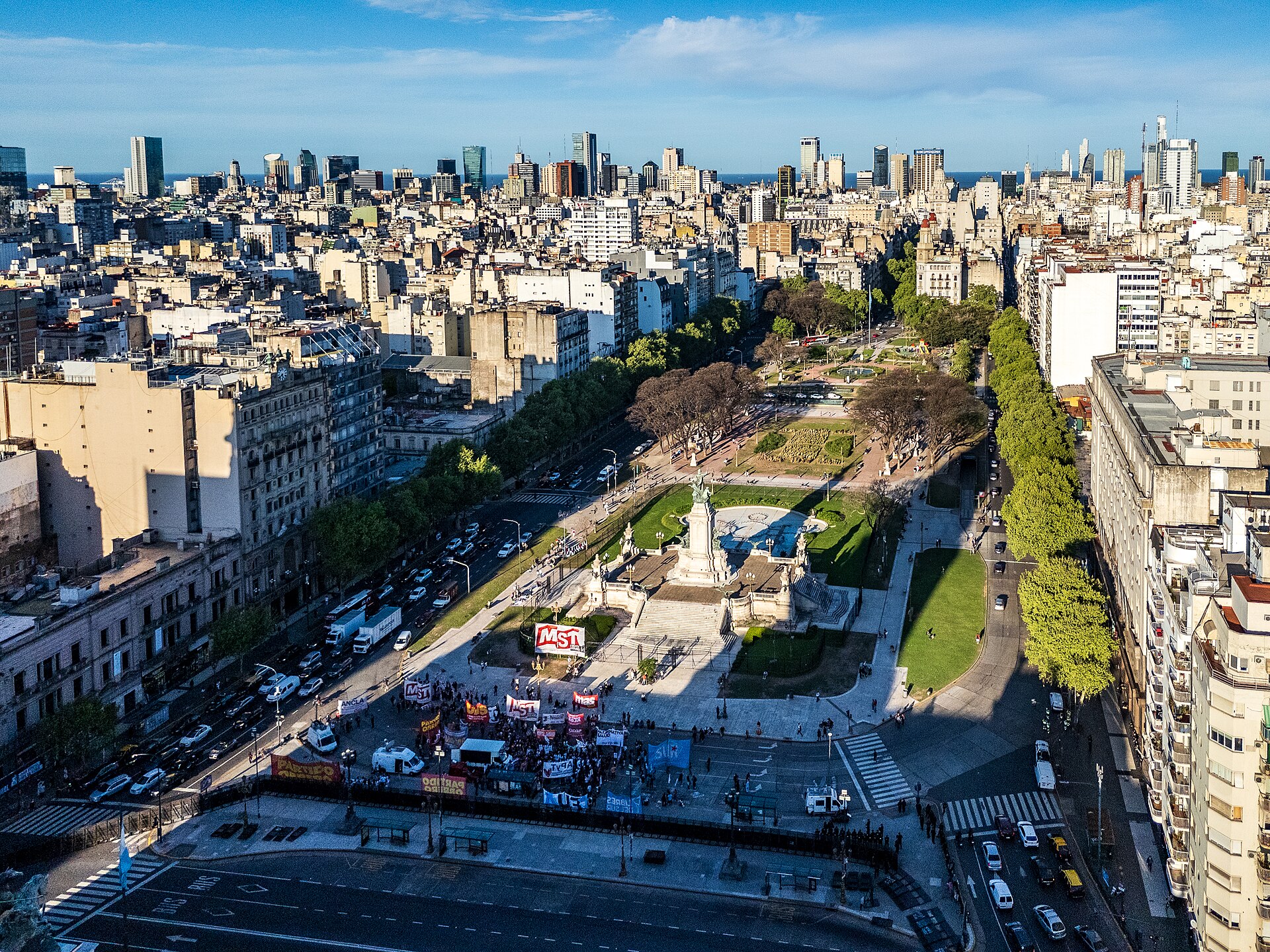
Plaza de Mayo is Buenos Aires' oldest public square and the civic setting in which several defining episodes of the city and nation unfolded.
- Must see
- Nature site
- Buenos Aires
Language · 11 published
Country guide
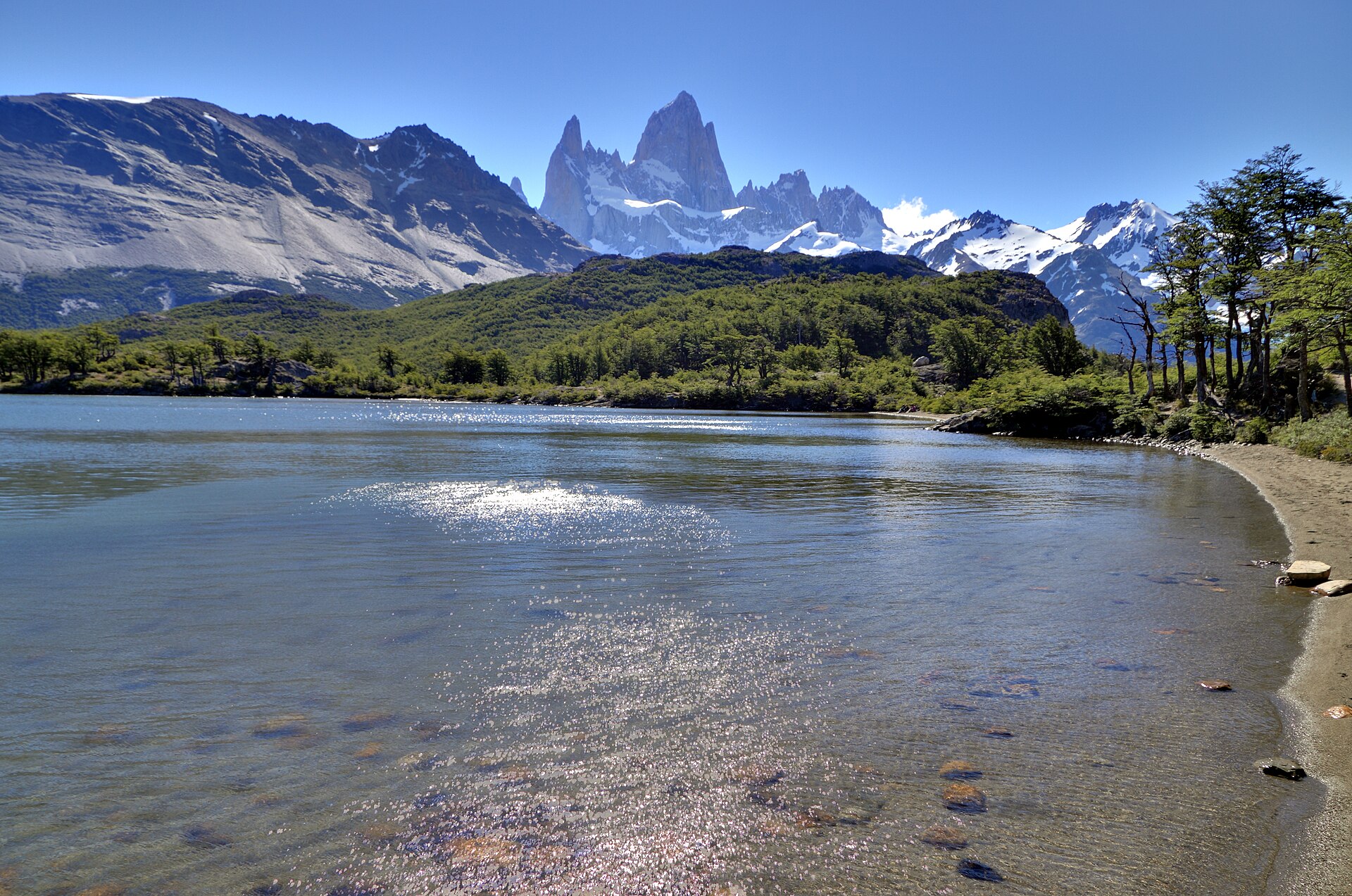
Argentina is 2,780,400 km², the eighth-largest country on earth, and the practical consequence is that its regions do not substitute for one another. Twenty-three provinces and one autonomous city take in subtropical forest and the Iguazú falls in the northeast, the flat cattle country of the Pampas around Buenos Aires, the Andean front of Cuyo where Aconcagua reaches 6,960 m, and then Patagonia, where the glaciers are and where the ground falls to 105 m below sea level at Laguna del Carbón. Choosing a city here is mostly a question of latitude and season.
Every city catalogued in this country so far, ranked by how much there is to see.
Photograph · ProtoplasmaKid · CC BY-SA 4.0
Ranked by importance — sitelinks, pageviews and heritage status, not editor preference.
100 places match
Category
Typical visit duration
Plaza de Mayo is Buenos Aires' oldest public square and the civic setting in which several defining episodes of the city and nation unfolded.
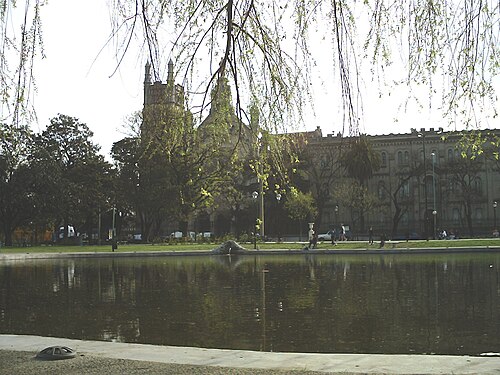
The Palermo Rose Garden, known locally as Rosedal de Palermo, is a formal rose garden situated within the larger Parque Tres de Febrero in the Palermo neighbourhood of Buenos Aires.
Source: OpenStreetMap contributors, Wikidata ·
A 10–16 day Argentina trip can give Buenos Aires four or five days and use the remaining time for one distant region. Patagonia, the northwest and the Iguazú area should be treated as separate journeys because their transfers consume full travel days.
Argentina’s Dirección Nacional de Migraciones is the authority for admission rules. Passport, visa and permitted-stay conditions vary by nationality and purpose, so verify the current requirement there before purchasing non-refundable travel.
Buenos Aires uses Aeroparque and Ezeiza for different route mixes, while domestic flights and long-distance coaches carry most interregional journeys. Passenger rail serves limited corridors, and each city sets its own local transport payment rules.
March to May and September to November are useful broad windows for Buenos Aires and several central routes. Patagonia, Iguazú and the Andean northwest follow different weather patterns, so choose dates around the region that anchors the trip.
Argentina uses the Argentine peso (ARS). Exchange rates and payment conditions are not recorded here; confirm the amount at a bank or authorised exchange counter before accepting a conversion.
Police assistance is generally reached on 911, although local emergency numbers vary. Argentina uses Type C and I plugs at 220 V; nationwide tap-water guidance is Not recorded, so ask the local water authority or accommodation.