Smart Self-Managed Tours

Country guide

Argentina

A photograph of Argentina
Photograph · Martin St-Amant (S23678) · CC BY-SA 3.0

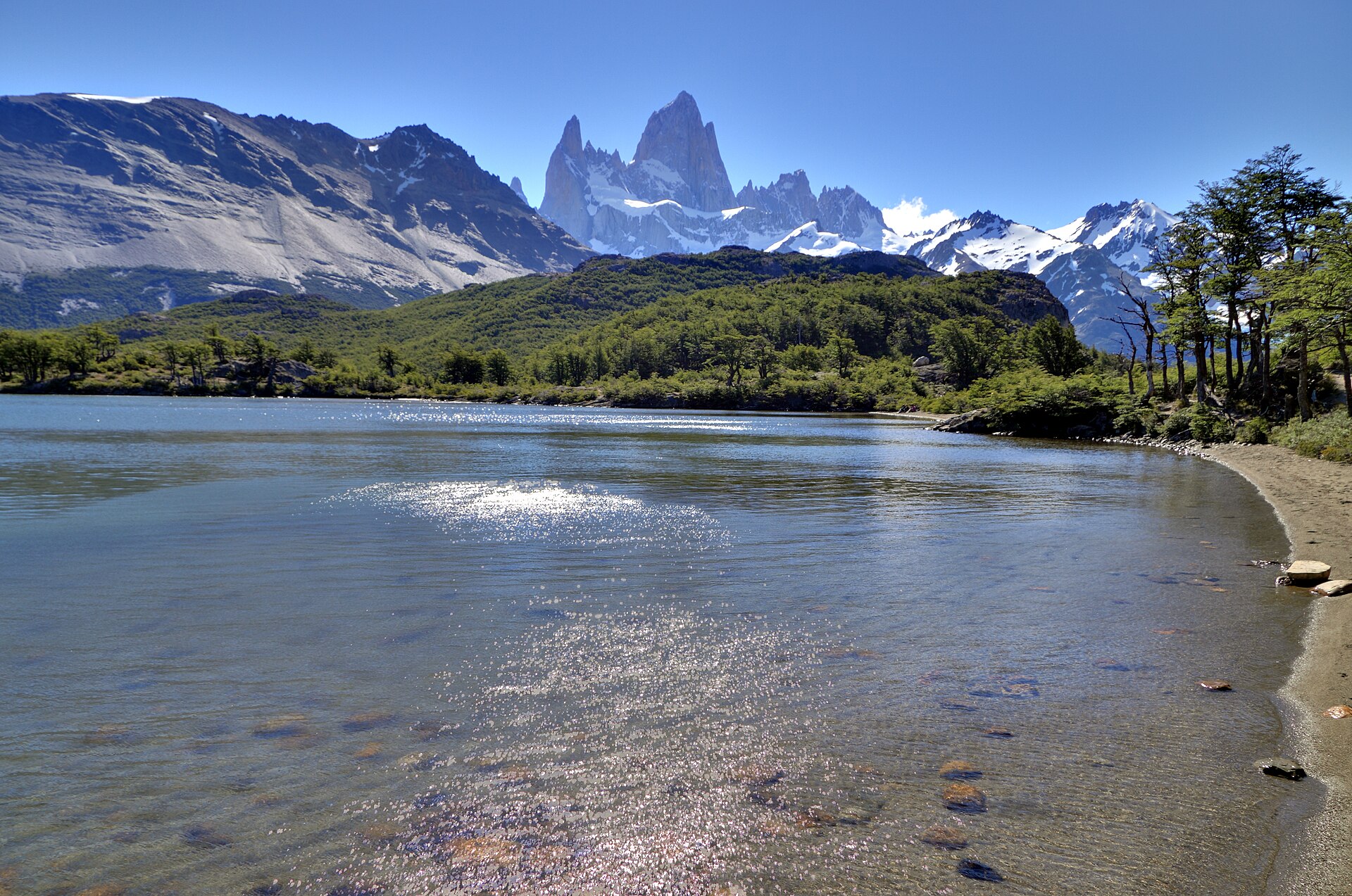
Argentina is 2,780,400 km², the eighth-largest country on earth, and the practical consequence is that its regions do not substitute for one another. Twenty-three provinces and one autonomous city take in subtropical forest and the Iguazú falls in the northeast, the flat cattle country of the Pampas around Buenos Aires, the Andean front of Cuyo where Aconcagua reaches 6,960 m, and then Patagonia, where the glaciers are and where the ground falls to 105 m below sea level at Laguna del Carbón. Choosing a city here is mostly a question of latitude and season.

Cities

Every city catalogued in this country so far, ranked by how much there is to see.

Practical information

Language spoken
Spanish
National practical orientation; regional and minority languages may also be used
Dialling code
+54
International calling code; local area and mobile prefixes still apply
Currency
Argentine peso (ARS)
Use the official local currency; card acceptance varies by place
Emergency number
911 where available; local numbers vary
Use only for an emergency; tourist assistance may use a separate number
Plug type
Type C and I · 220 V
Check that chargers support the recorded voltage before using an adapter
Tap water
Not recorded
No verified nationwide visitor drinking-water statement was recorded

Planning a visit

  1. January: no seasonality data recorded
  2. February: no seasonality data recorded
  3. March: no seasonality data recorded
  4. April: no seasonality data recorded
  5. May: no seasonality data recorded
  6. June: no seasonality data recorded
  7. July: no seasonality data recorded
  8. August: no seasonality data recorded — this month
  9. September: no seasonality data recorded
  10. October: no seasonality data recorded
  11. November: no seasonality data recorded
  12. December: no seasonality data recorded

Top things to see

Ranked by importance — sitelinks, pageviews and heritage status, not editor preference.

  1. Buenos Aires Cathedral Buenos Aires Cathedral
    02 30 min

    Buenos Aires Cathedral

    The Buenos Aires Metropolitan Cathedral, known locally as Catedral Metropolitana de Buenos Aires, stands as the principal Catholic church in Argentina's capital.

    • Must see
    • Place of worship
    • Buenos Aires
  2. Cabildo of Buenos Aires Cabildo of Buenos Aires
    03 45 min

    Cabildo of Buenos Aires

    The Cabildo of Buenos Aires is a historic public building located on Plaza de Mayo, facing the Casa Rosada. It served as the seat of the colonial city council during Spanish rule and witnessed pivotal moments in Argentine independence.

    • Must see
    • Historic monument
    • Buenos Aires
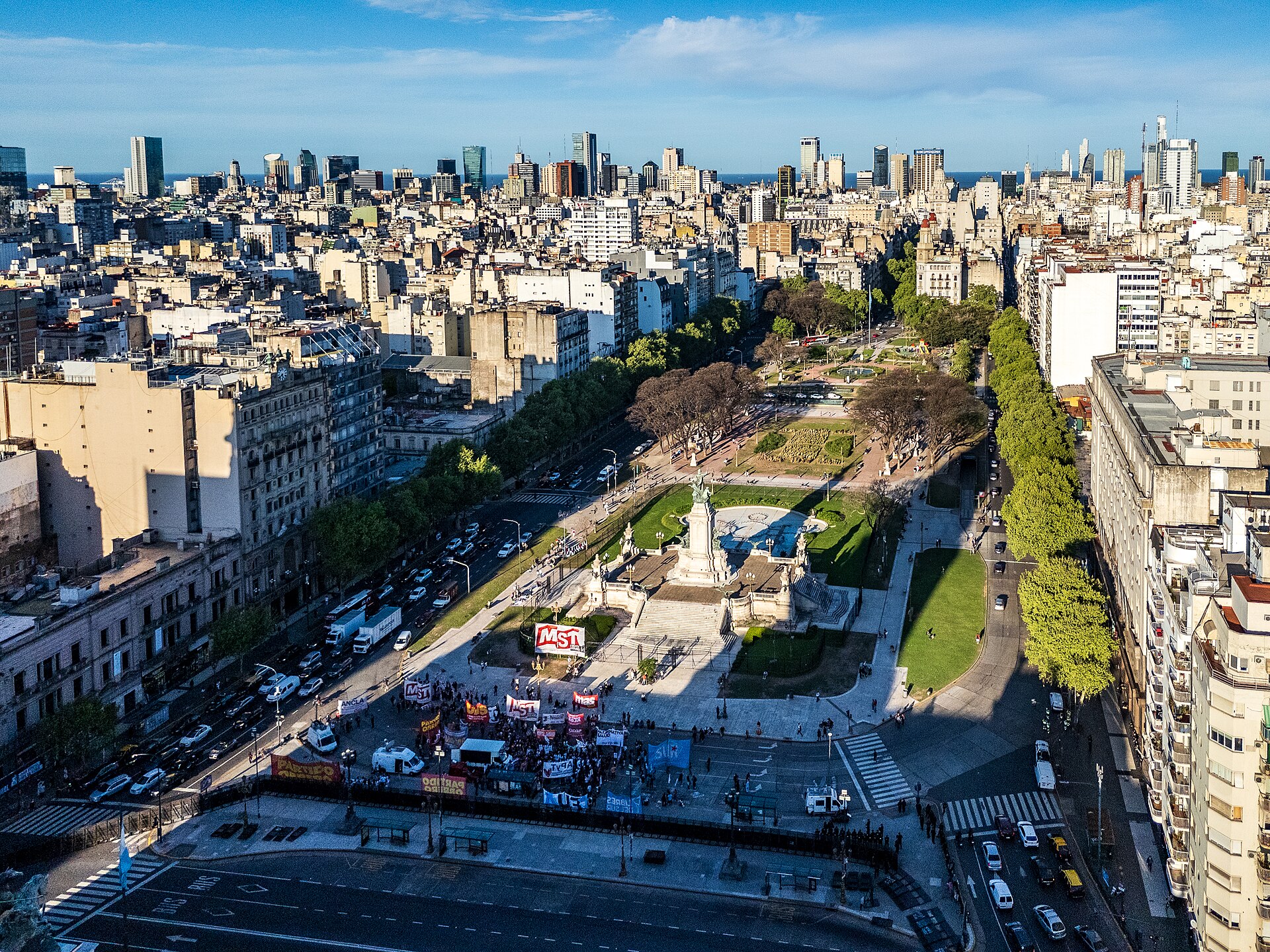
  3. Argentine National Congress Argentine National Congress
    04 45 min

    Argentine National Congress

    The Palacio del Congreso de la Nación Argentina stands as the seat of Argentina's bicameral legislature in Buenos Aires. This monumental Neoclassical building dominates the Plaza del Congreso with its distinctive green copper dome, among the world's largest.

    • Must see
    • Historic monument
    • Buenos Aires
  4. El Zanjón de Granados (historic ruins)
    05 1 hr 30 min

    El Zanjón de Granados (historic ruins)

    El Zanjón de Granados is a historic underground site in Buenos Aires, revealing layers of the city's architectural past beneath the San Telmo neighborhood.

    • Must see
    • Museum
    • Buenos Aires
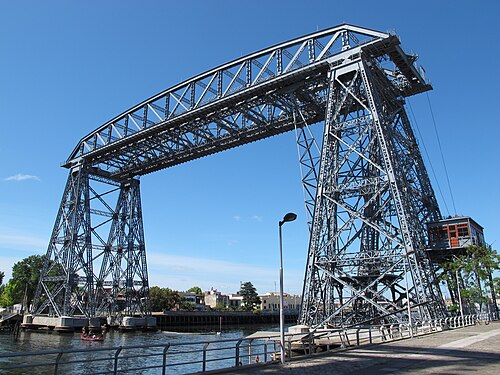
  5. Nicolás Avellaneda Transporter Bridge Nicolás Avellaneda Transporter Bridge
    06 45 min

    Nicolás Avellaneda Transporter Bridge

    The Nicolás Avellaneda Transporter Bridge, known locally as Puente Transbordador Nicolás Avellaneda, is a historic transporter bridge in Buenos Aires.

    • Must see
    • Historic monument
    • Buenos Aires
  6. ARA Uruguay
    07 1 hr 30 min

    ARA Uruguay

    • Must see
    • Museum
    • Buenos Aires
  7. Museo Mitre
    12 1 hr 30 min

    Museo Mitre

    • Must see
    • Museum
    • Buenos Aires
  8. Cemento
    54 45 min

    Cemento

    • High
    • Historic monument
    • Buenos Aires
  9. Vertigorama
    87 45 min

    Vertigorama

    • High
    • Historic monument
    • Buenos Aires

Source: OpenStreetMap contributors, Wikidata ·

Common questions

How long should a first trip to Argentina be?

A 10–16 day Argentina trip can give Buenos Aires four or five days and use the remaining time for one distant region. Patagonia, the northwest and the Iguazú area should be treated as separate journeys because their transfers consume full travel days.

What entry documents are needed for Argentina?

Argentina’s Dirección Nacional de Migraciones is the authority for admission rules. Passport, visa and permitted-stay conditions vary by nationality and purpose, so verify the current requirement there before purchasing non-refundable travel.

What is the best way to travel around Argentina?

Buenos Aires uses Aeroparque and Ezeiza for different route mixes, while domestic flights and long-distance coaches carry most interregional journeys. Passenger rail serves limited corridors, and each city sets its own local transport payment rules.

When is a practical time to visit Argentina?

March to May and September to November are useful broad windows for Buenos Aires and several central routes. Patagonia, Iguazú and the Andean northwest follow different weather patterns, so choose dates around the region that anchors the trip.

What money and payment basics apply in Argentina?

Argentina uses the Argentine peso (ARS). Exchange rates and payment conditions are not recorded here; confirm the amount at a bank or authorised exchange counter before accepting a conversion.

What practical safety details should I save for Argentina?

Police assistance is generally reached on 911, although local emergency numbers vary. Argentina uses Type C and I plugs at 220 V; nationwide tap-water guidance is Not recorded, so ask the local water authority or accommodation.