
.jpg)


.jpg)
5 min walk
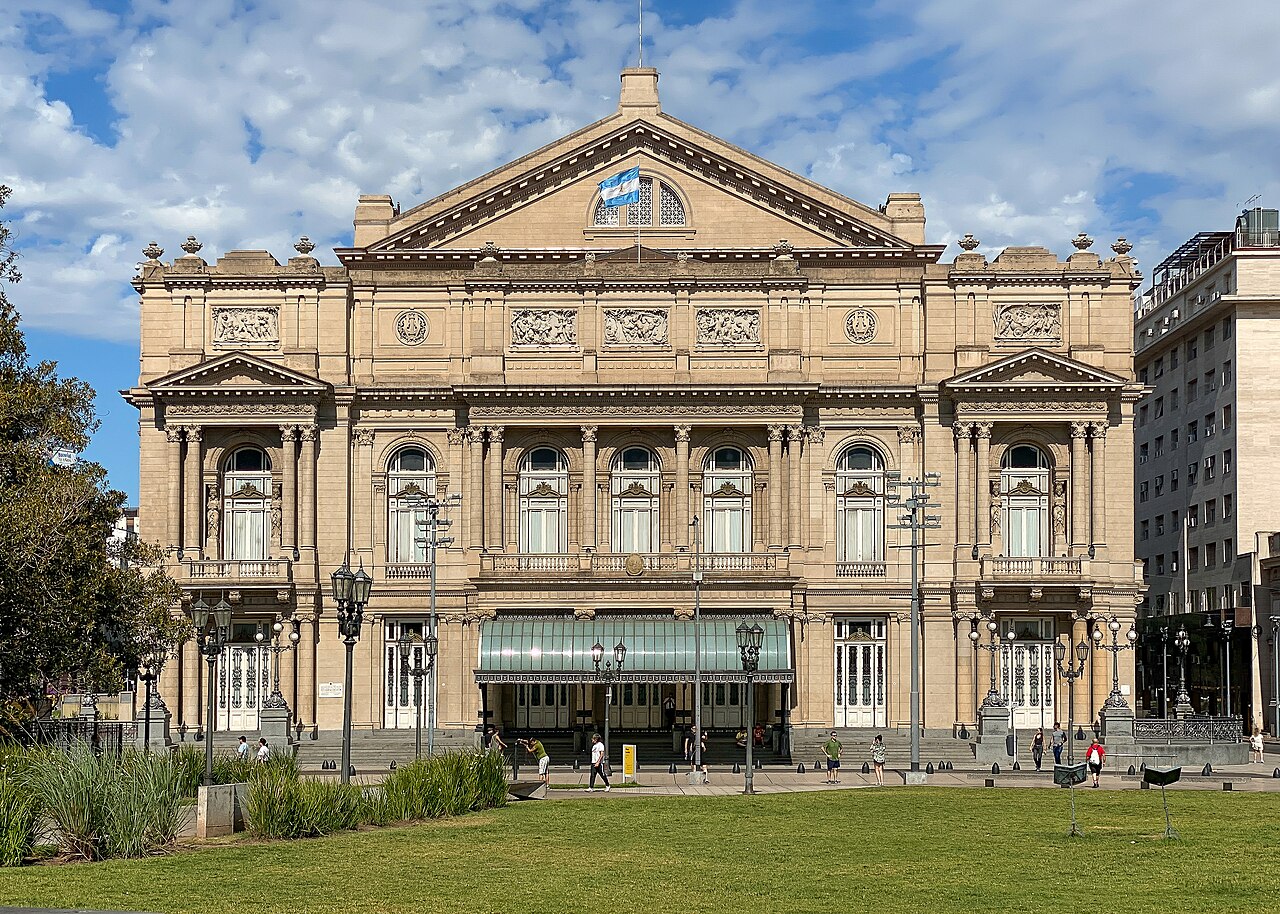
Colón Theater
- Must see · Heritage site
- Art and culture venue
Language · 1 published
Historic monument · Buenos Aires
Obelisco
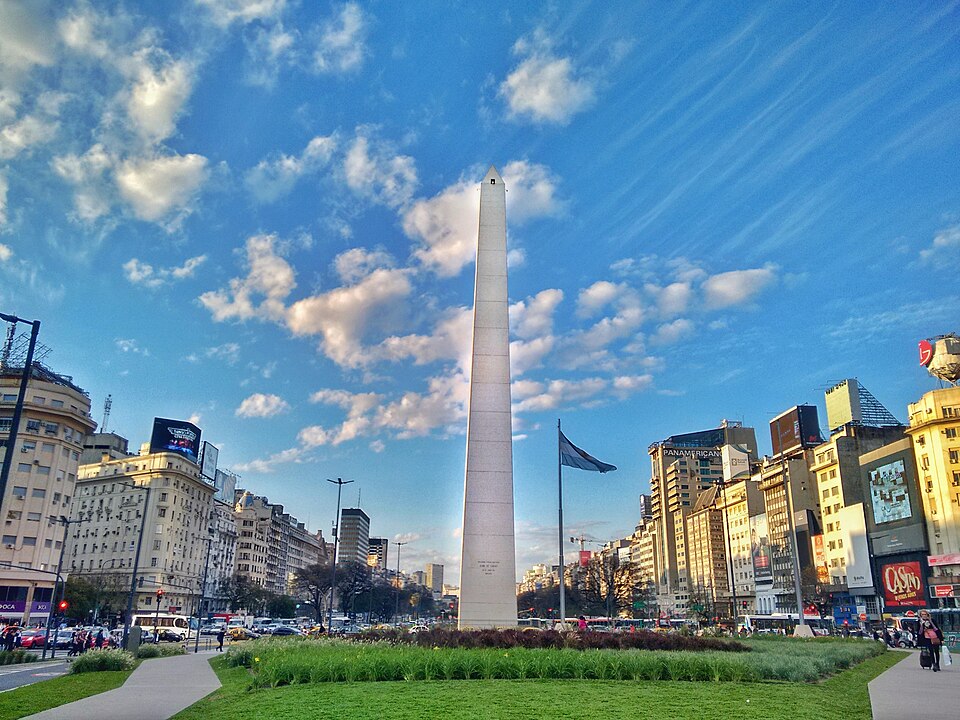
The Obelisk of Buenos Aires is a prominent monument standing at the intersection of Avenida 9 de Julio and Avenida Corrientes. Erected in 1936, it commemorates the quadricentennial of the city's founding. The structure serves as Buenos Aires' principal urban icon and public gathering point. Rising prominently above the world's widest avenue, it occupies a central position in the city's civic and cultural imagination, functioning as both a navigational landmark and a symbolic heart of Argentine national identity.
Checked 2026-08-26
The Obelisk is a solid monument with no interior spaces accessible to visitors. It does not contain exhibition halls, viewing platforms, or internal chambers. The structure consists of a single tall shaft rising from its plaza base. Visitors experience the monument entirely from its exterior, walking around its perimeter and viewing it from various angles across the surrounding streets and plazas. The base area functions as a public space where people congregate, though no formal interior amenities are provided.
Checked 2026-08-26

A visit to the Obelisk typically requires between fifteen and thirty minutes for most visitors. This duration allows for circumambulation of the monument, observation from multiple vantage points, and brief pause at the base. The surrounding plaza and intersecting avenues offer additional opportunities for extended observation. Visitors often combine this stop with exploration of nearby Corrientes Avenue, known for its theaters and bookstores, or with walks along 9 de Julio. No queues or entry procedures affect timing. Obelisk of Buenos Aires also earns time in a buenos aires itinerary because The monument at Avenida 9 de Julio and Corrientes is the city's principal urban icon and public gathering point; no production match exists. Its value becomes clearer when the stop is compared with the surrounding streets and the other ranked places nearby.
Checked 2026-08-26
The Obelisk stands in an open public plaza accessible at all hours. Operator-confirmed hours are Not recorded pending review. The monument is visible and approachable throughout day and night, with illumination after dark. Visitors should consider personal comfort regarding weather exposure, as no shelter exists at the site. Major public gatherings, demonstrations, and celebrations periodically occur at this location, potentially affecting access or atmosphere. Checking current local conditions before visiting is prudent. Early morning and late evening may offer reduced crowds.
Checked 2026-08-26
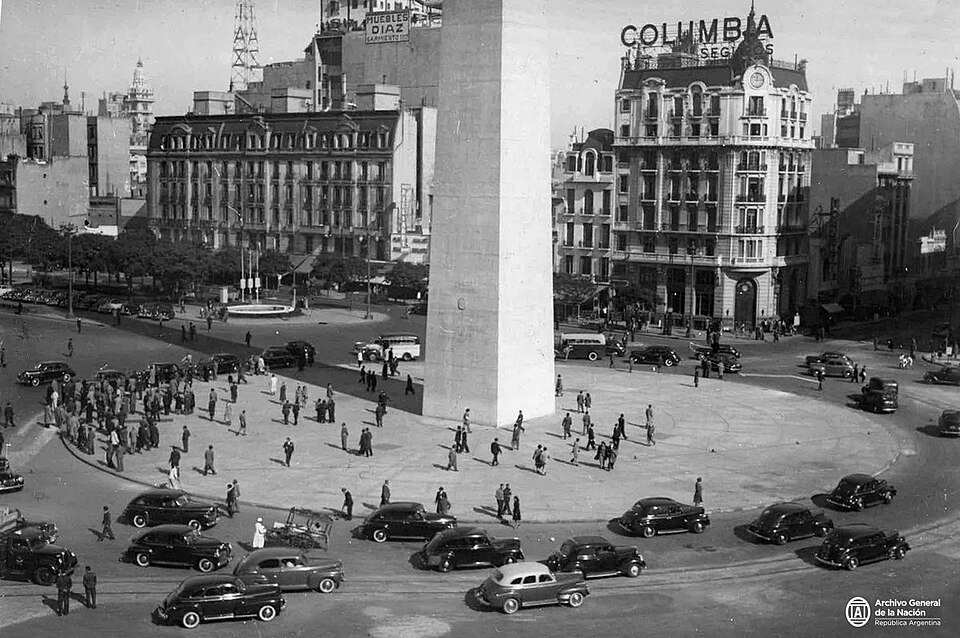
No admission fee is required to view or approach the Obelisk, as it stands in a public plaza. Operator-confirmed prices are Not recorded pending review. No ticket purchases, reservations, or entry permissions are necessary. The monument functions as unrestricted public infrastructure. Visitors should be aware that surrounding commercial establishments, tours, or transportation services may involve separate costs, but direct access to the monument itself incurs no charge. No guided tours operate from the monument itself as a formal attraction.
Checked 2026-08-26
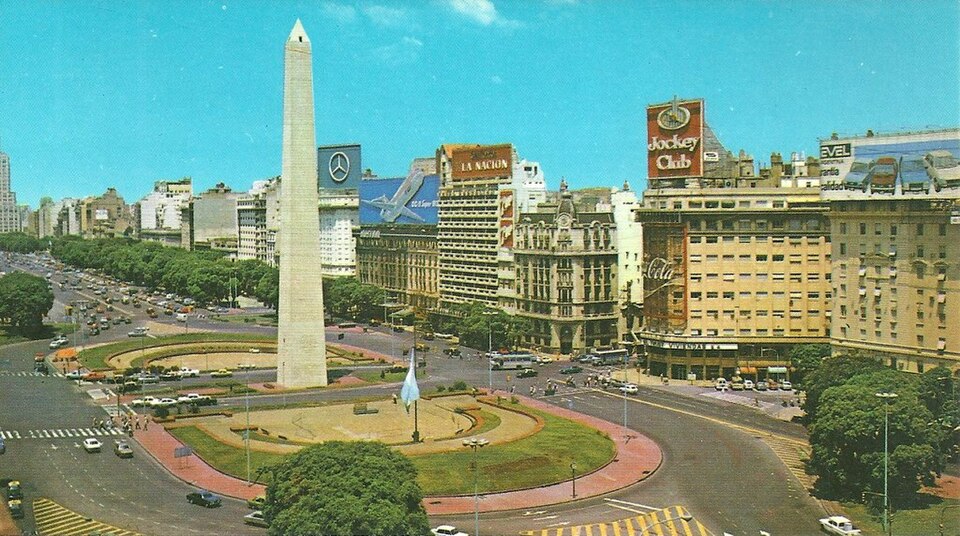
The Obelisk sits at a major transportation nexus. Multiple bus lines traverse Avenida 9 de Julio and Avenida Corrientes. The Subte metro stations Carlos Pellegrini, 9 de Julio, and Corrientes provide underground access nearby. Taxis and ride services serve the area extensively. Pedestrians should exercise caution navigating the wide avenues and multiple traffic lanes surrounding the monument. The central location makes it walkable from numerous downtown accommodations and attractions. Signage throughout the city center frequently references the Obelisk as a directional landmark.
Checked 2026-08-26
The plaza around the Obelisk lacks shade and seating, requiring preparation for sun exposure and prolonged standing. The surrounding intersection involves heavy, fast-moving traffic across numerous lanes; crossing requires attention to signal timing. Street vendors and petitioners may approach visitors. Political demonstrations and spontaneous gatherings occur regularly at this symbolic site, potentially creating crowds or temporary restrictions. Valuables should be secured against opportunistic theft common in busy public spaces. Weather conditions affect comfort significantly given the absence of shelter. Nighttime visitors should remain aware of surroundings as in any major city center.
Checked 2026-08-26

The Obelisk permits unrestricted photography from public areas surrounding the structure. No permits are required for personal photography. The monument's height and narrow form present compositional challenges; wide-angle lenses or significant distance improve capture of the full structure. Avenida 9 de Julio's width creates opportunities for symmetrical framing from median strips. Night illumination produces distinct visual effects. The surrounding traffic and pedestrian flow may obstruct clean shots. Drone operation would require compliance with Argentine aviation regulations and is not advisable without proper authorization. Commercial or professional photography may involve additional considerations.
Checked 2026-08-26
No. The Obelisk is a solid monument with no interior access, stairs, or viewing platform. It cannot be climbed or entered.
No admission fee is required. The monument stands in a public plaza and is freely accessible at all times.
Multiple Subte metro stations serve the area, including Carlos Pellegrini, 9 de Julio, and Corrientes. Numerous bus lines also traverse the intersecting avenues.
No formal guided tours operate from the monument itself. The structure is experienced independently from its exterior surroundings.
The Obelisk is centrally located and generally frequented, but visitors should exercise standard urban precautions regarding valuables and surroundings, particularly after dark.
Not recorded.
Loading the interactive map…
The interactive map could not be loaded.
Last updated:
Source: OpenStreetMap contributors, Wikidata ·