
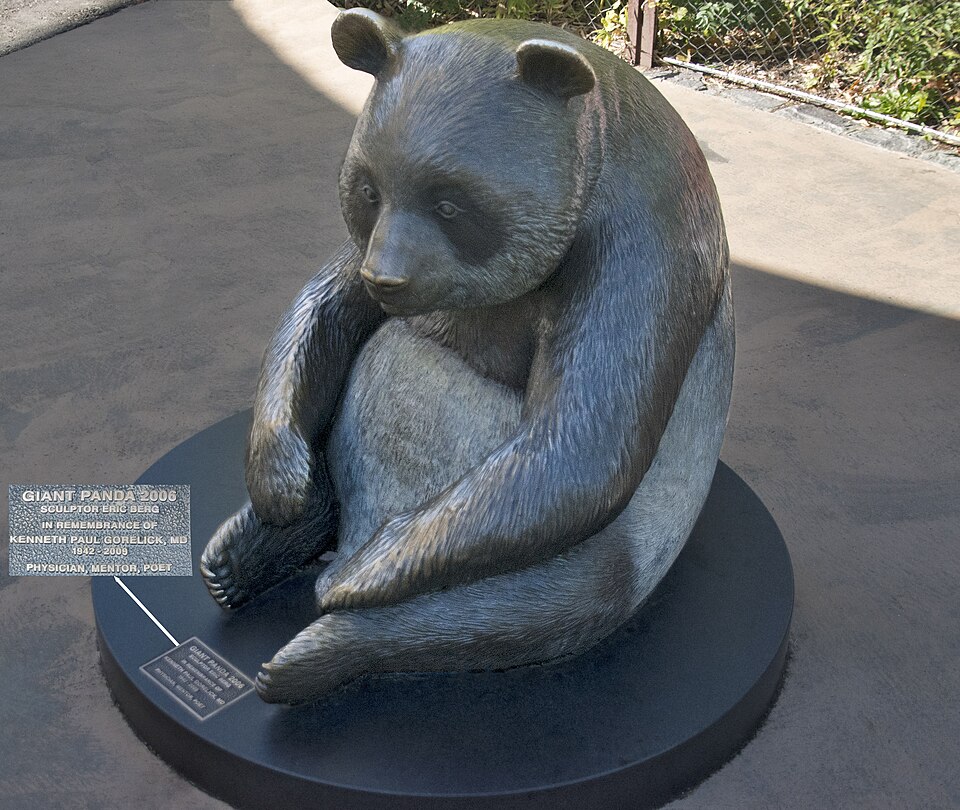
_by_Sculptor_Eric_Berg_--_National_Zoo_NW_Washington_(DC)_November_2017.jpg)


3 min walk
Greater Rhea
- High
- Historic monument
Language · 1 published
Family attraction · Washington

The National Zoological Park is a Smithsonian Institution zoo in Washington, D.C. Established in 1889, it is one of the oldest zoos in the United States. The zoo occupies a significant wooded area in Rock Creek Park. It is renowned for its conservation science programs and houses approximately two thousand animals across four hundred species. Admission is free, making it a major family destination. The zoo is particularly famous for its giant panda program, though pandas returned to China in 2023. It serves as both a public attraction and a research facility for wildlife conservation.
Checked 2026-08-26
The zoo features major exhibit areas including the Asia Trail, Elephant Trails, American Trail, and the Great Ape House. Notable species historically included giant pandas, Asian elephants, great apes, big cats, and various reptiles and amphibians. The zoo operates the Smithsonian Conservation Biology Institute in Front Royal, Virginia, for breeding endangered species. Visitor amenities include dining options, gift shops, and educational displays. The layout involves significant walking across hilly terrain. The zoo emphasizes naturalistic habitats designed to promote animal welfare and public education about wildlife conservation challenges globally.
Checked 2026-08-26
Visitors typically spend three to four hours exploring the main exhibits, though a thorough visit may require a full day. The zoo's expansive grounds and hilly topography necessitate considerable walking between exhibits. Families with young children or individuals with mobility limitations should plan additional time and consider the physical demands. Popular exhibits often attract crowds, potentially extending wait times. Early arrival is generally advisable for optimal experience. The free admission encourages flexible visit duration, allowing guests to customize their stay according to interest levels and physical stamina throughout the day.
Checked 2026-08-26

Seasonal considerations affect visitor experience significantly. Summer brings crowds and heat, potentially reducing animal activity during peak hours. Spring and autumn generally offer milder temperatures and more active animals. Winter visits mean fewer crowds but limited outdoor exhibits and reduced hours for some facilities. Many animals may be less visible in cold weather. Weekdays typically see lower attendance than weekends and school holidays. Operator-confirmed hours are Not recorded pending review. Visitors should verify current operating schedule before planning, as seasonal variations and special events may affect accessibility and exhibit availability throughout the year.
Checked 2026-08-26
The National Zoological Park offers free admission to all visitors as part of the Smithsonian Institution's public service mission. This policy distinguishes it from most major American zoos. Parking fees apply for private vehicles in zoo lots. Certain special events or programs may require separate ticketing. Donations are encouraged to support conservation and educational programs. Membership options through the Smithsonian provide additional benefits. Operator-confirmed prices for parking and any premium experiences are Not recorded pending review. Visitors should consult official sources for current financial requirements, as policies may change and some services may involve undisclosed costs.
Checked 2026-08-26

The zoo is accessible via Washington Metro's Red Line to Woodley Park-Zoo/Adams Morgan or Cleveland Park stations. Both require walking uphill to reach entrances. Metrobus serves nearby routes. Driving involves navigating Rock Creek Park area traffic with limited on-site parking. Bike racks are available for cyclists. The zoo's location in northwest Washington places it within reasonable distance of other major attractions. Visitors should anticipate urban transportation challenges including congestion and limited parking availability. Accessibility accommodations exist but the terrain presents inherent difficulties for some visitors regardless of transportation mode selected.
Checked 2026-08-26

The zoo's hilly terrain presents significant physical challenges, with steep pathways between major exhibit areas. Visitors should wear comfortable footwear and prepare for substantial walking. Summer heat and humidity can cause discomfort; water and sun protection are essential. Some animals may not be visible depending on weather, time, or individual animal choices. Food options may be limited or crowded during peak times. Personal belongings require attention in busy areas. The free admission attracts large crowds during holidays and weekends. Security screening may occur at entrances. Visitors with mobility limitations should research accessibility services in advance of arrival.
Checked 2026-08-26

Personal photography is generally permitted throughout the National Zoological Park for non-commercial purposes. Visitors frequently photograph animals, landscapes, and architectural features. Flash photography may disturb some animals and should be used cautiously. Tripods and professional equipment may attract staff attention and could be restricted in certain areas. Commercial photography requires prior authorization from Smithsonian officials. Visitors should respect barriers and safety signage when positioning for photographs. Animal welfare takes priority over visitor photography access; some viewing angles may be limited by habitat design. Sharing images on social media is common, contributing to the zoo's public visibility.
Checked 2026-08-26
Yes, admission is free as part of the Smithsonian Institution's public service mission. Parking fees may apply.
The giant pandas returned to China in 2023. The zoo no longer houses this species as of that transfer.
Take the Washington Metro Red Line to Woodley Park-Zoo/Adams Morgan or Cleveland Park stations, then walk uphill to entrances.
The hilly terrain presents inherent challenges. Some accessibility accommodations exist, but visitors should research specific needs in advance.
Comfortable walking shoes are essential due to steep pathways and significant distances between exhibits across hilly grounds.
Visitor policies regarding outside food are not recorded pending review. On-site dining options exist but may be limited during peak times.
Loading the interactive map…
The interactive map could not be loaded.
Last updated:
Source: OpenStreetMap contributors, Wikidata ·