
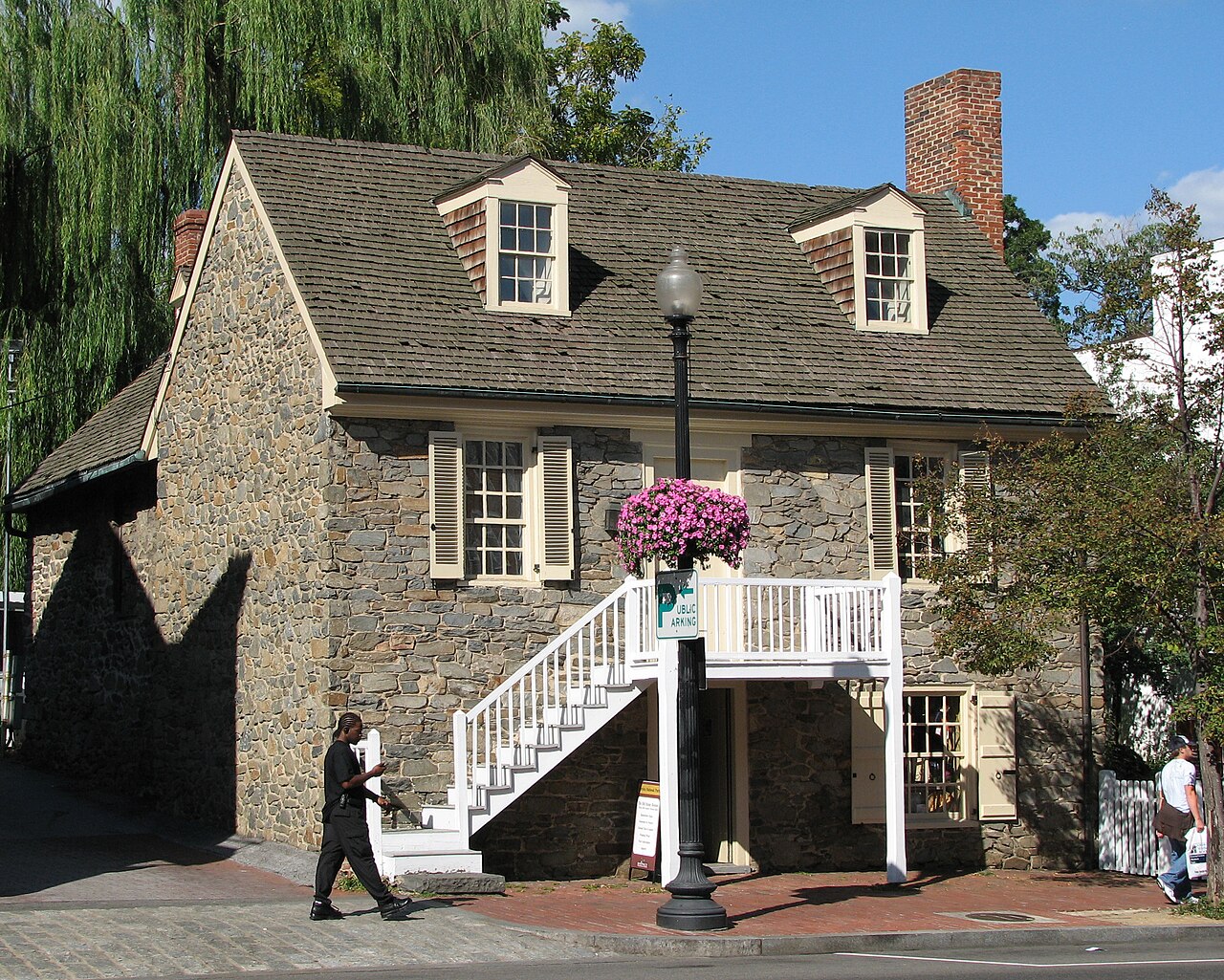
3 min walk
Old Stone House
- High · Heritage site
- Historic monument
Language · 11 published
Historic monument · Washington
| Monday | 00:00 – 23:59 |
|---|---|
| Tuesday | 00:00 – 23:59 |
| Wednesday | 00:00 – 23:59 |
| Thursday | 00:00 – 23:59 |
| Friday | 00:00 – 23:59 |
| Saturday | 00:00 – 23:59 |
| Sunday | 00:00 – 23:59 |
Checked 2026-08-31 · Source
Read from the OpenStreetMap access tags; anything not listed has no tag recorded.
Set the group type to family in the planner and the day window contracts to about three quarters of a solo day.
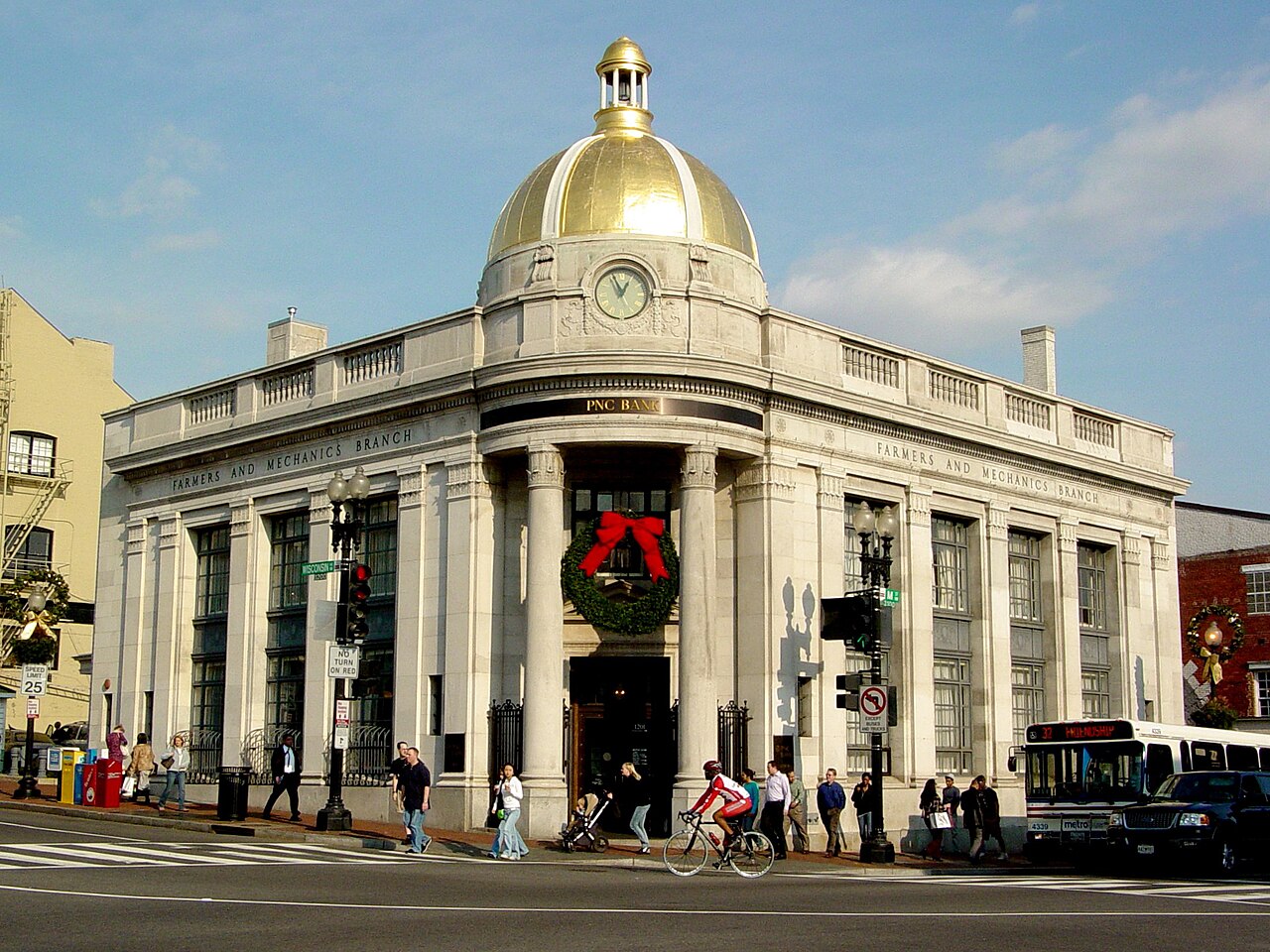
Georgetown Historic District is Washington DC's oldest neighbourhood, established before the federal city itself. It retains a distinct identity with preserved Federal and Victorian architecture, cobblestone streets, and commercial corridors along M Street and Wisconsin Avenue. The district encompasses the Chesapeake and Ohio Canal, Georgetown Waterfront Park, and residential streets climbing from the Potomac River. It was a prosperous port town in the eighteenth and nineteenth centuries, later absorbed into the District of Columbia. The area's historic character results from decades of preservation efforts and adaptive reuse rather than wholesale redevelopment.
Checked 2026-08-26
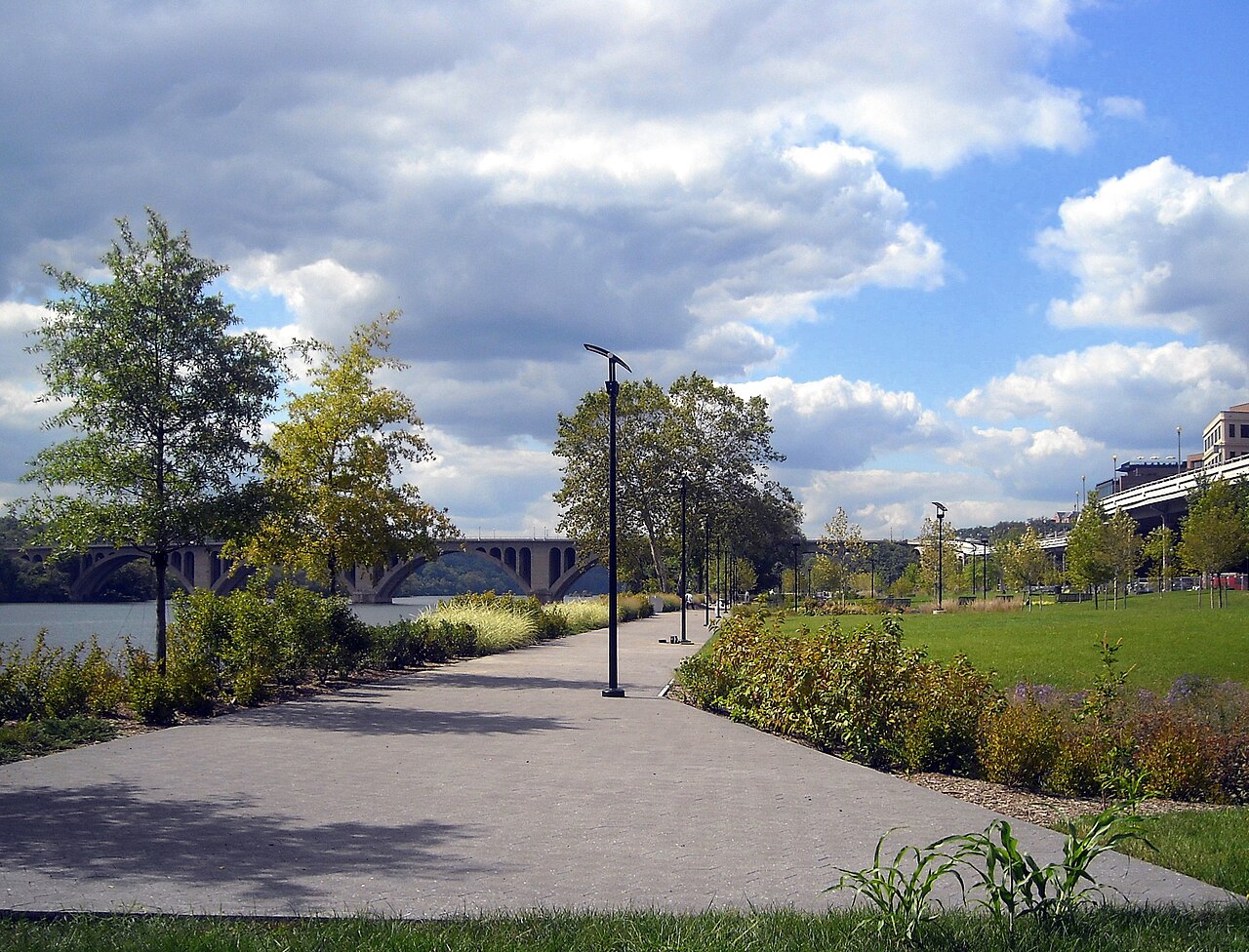
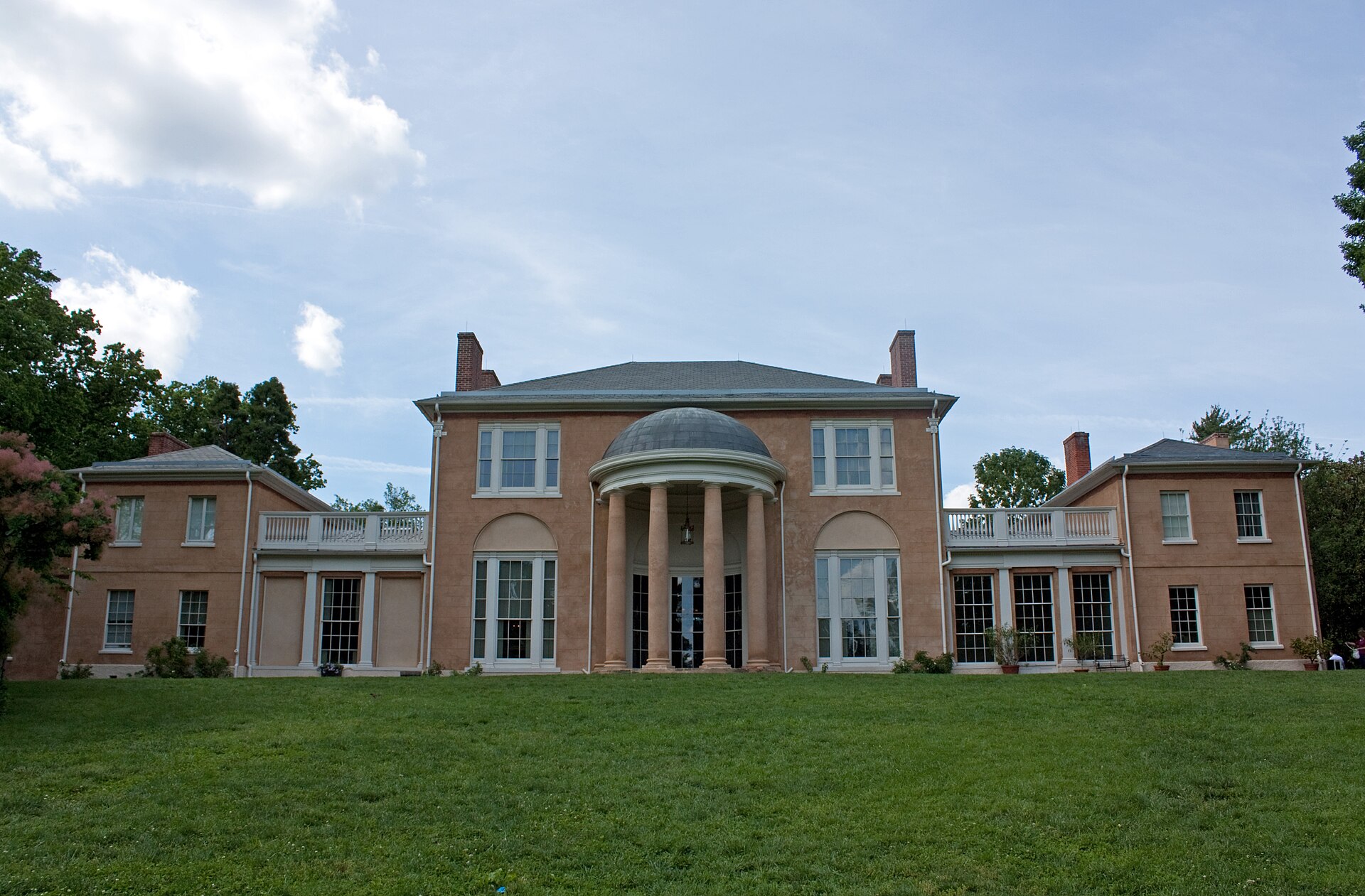
The district contains the Chesapeake and Ohio Canal with its towpath, lock structures, and Great Falls Tavern visitor facilities. Georgetown Waterfront Park provides river access and green space. Commercial streets hold shops, restaurants, and services in historic buildings. Residential blocks display architectural styles from the late eighteenth through early twentieth centuries. Dumbarton Oaks and its gardens sit at the district's edge. Churches, schools, and institutional buildings punctuate the streetscape. The Georgetown University campus lies partially within bounds. Streetscapes vary from dense commercial strips to quiet tree-lined rows of townhouses.
Checked 2026-08-26
Visitors typically allocate half a day to a full day for Georgetown depending on interests. A walking circuit of commercial streets, canal towpath, and waterfront requires two to three hours. Adding interior visits to shops, meals, or Dumbarton Oaks extends this substantially. The canal towpath alone runs many miles; most visitors cover only the Georgetown level section. Evening dining and nightlife draw separate visits. Repeat visits are common as the neighbourhood functions as a destination for both tourism and routine commerce rather than a single-site attraction.
Checked 2026-08-26
Georgetown operates as a living neighbourhood without gated admission, so outdoor spaces are accessible at all hours. Individual businesses maintain their own schedules. Seasonal factors influence visitor experience: spring brings flowering trees, summer offers waterfront activity, autumn provides foliage, winter presents quieter streets. Crowding peaks on weekends and pleasant weather days. Visitors should consult current information before planning around particular destinations within the district. Evening hours bring restaurant and bar activity distinct from daytime patterns. Check the operator's own site for the travel date before relying on a schedule or fare.
Checked 2026-08-26
No general admission fee applies to the historic district as a public neighbourhood. The Chesapeake and Ohio Canal National Historical Park does not charge for towpath access in Georgetown. Dumbarton Oaks museum and gardens require paid admission with separate ticketing. Individual shops, restaurants, and entertainment venues set their own prices. Visitors should verify current costs directly with intended destinations. Parking carries fees in commercial areas. Walking and public transit access avoids parking expenses entirely. Check the operator's own site for the travel date before relying on a schedule or fare.
Checked 2026-08-26
Georgetown lacks a Metrorail station within its boundaries. The nearest stations are Foggy Bottom-GWU and Rosslyn, each requiring additional transit or walking. Metrobus and DC Circulator routes serve the neighbourhood directly. Walking from the National Mall area takes thirty to forty minutes. Capital Bikeshare stations provide bicycle access. Driving involves navigating narrow streets and seeking paid parking. The Georgetown Waterfront Park area offers some dedicated parking. River taxi services have operated seasonally from other Potomac locations. Traffic congestion is characteristic, particularly on weekend evenings and during special events.
Checked 2026-08-26
Cobblestone streets and uneven sidewalks require appropriate footwear and attention, particularly in wet conditions. Hill gradients between the river and higher residential streets are substantial. Parking regulations are actively enforced with towing common. Evening crowds on commercial streets can be dense. The canal towpath has no barriers at water edges in places. Winter ice creates hazards. Some residential streets are narrow with limited pedestrian separation from vehicle traffic. Construction and utility work periodically disrupt expected routes. Visitors should respect that this remains a functioning residential neighbourhood with private property boundaries throughout.
Checked 2026-08-26
The district offers extensive photographic subjects: canal architecture, waterfront views, historic house facades, church spires, and streetscape vignettes. Morning light illuminates the canal and waterfront favourably. Evening brings restaurant and shop lighting along commercial corridors. The Exorcist Steps, a steep flight between M Street and Prospect Street, attract particular attention. Dumbarton Oaks gardens permit photography under their policies. Tripod use on sidewalks may obstruct pedestrian traffic. Private residences and gardens warrant respectful distance. Commercial photography permits may apply for organized shoots. Weather conditions significantly affect river and canal reflections.
Checked 2026-08-26
No. While the Chesapeake and Ohio Canal National Historical Park runs through Georgetown, the historic district itself is a local neighbourhood without unified federal management.
The canal extends far beyond Georgetown toward Cumberland, Maryland. Most visitors walk only the Georgetown section due to time and distance constraints.
Yes. The steep staircase between M Street and Prospect Street appeared in the 1973 film The Exorcist and draws visitor interest.
The campus has public areas but is an active educational institution. Specific building access varies and visitors should respect academic operations.
Various commercial and volunteer tour options have operated. Current availability and scheduling are Not recorded pending review.
Cobblestone streets, hill gradients, and narrow sidewalks present challenges. Some routes are more manageable than others. Specific accessibility information for facilities is Not recorded pending review.
Loading the interactive map…
The interactive map could not be loaded.
Last updated:
Source: OpenStreetMap contributors, Wikidata ·