
5 min walk
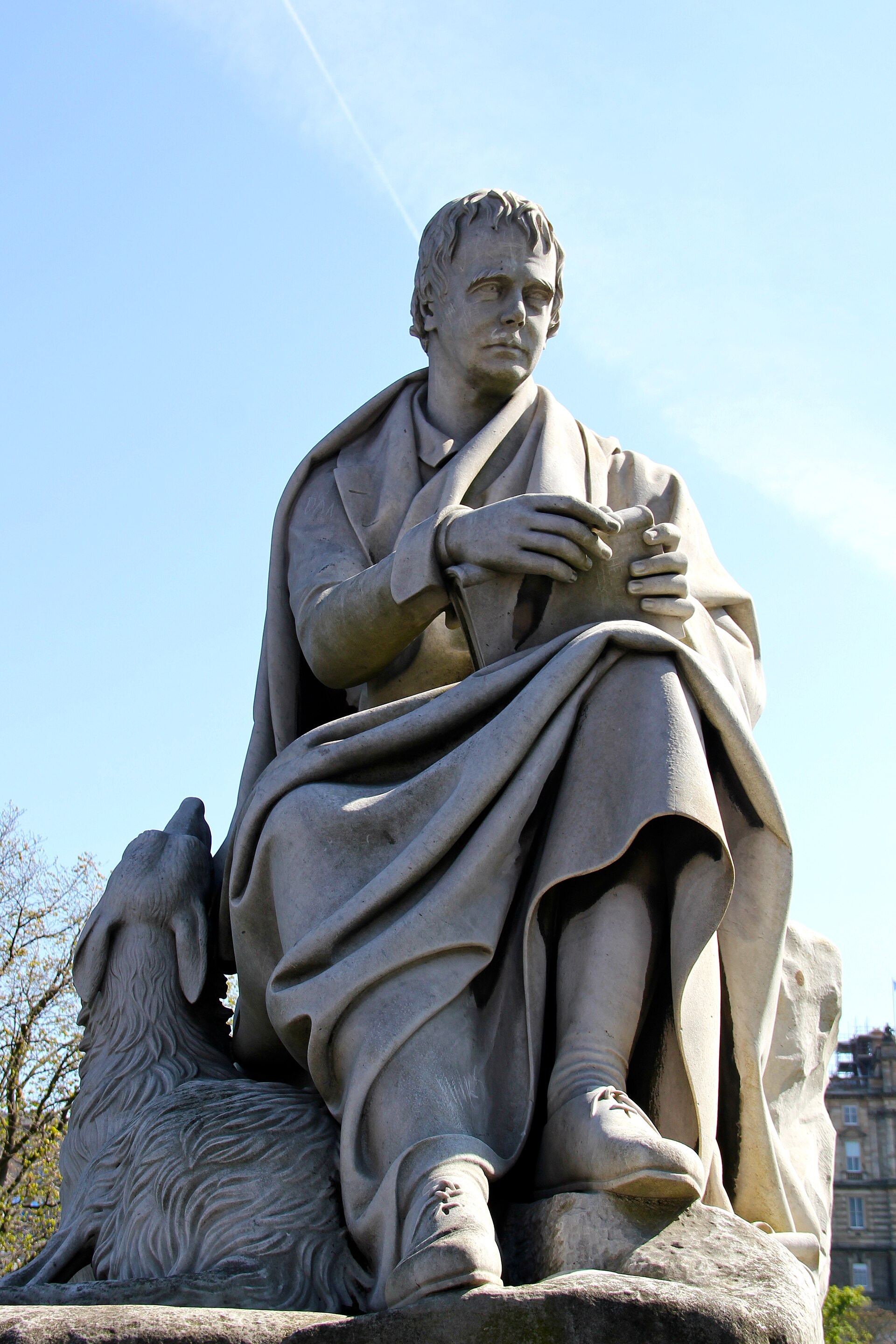
Scott Monument
- Must see · Heritage site
- Historic monument
Language · 11 published
Art and culture venue · Edinburgh
| Monday | 10:00 – 17:00 |
|---|---|
| Tuesday | 10:00 – 17:00 |
| Wednesday | 10:00 – 17:00 |
| Thursday | 10:00 – 19:00 |
| Friday | 10:00 – 17:00 |
| Saturday | 10:00 – 17:00 |
| Sunday | 10:00 – 17:00 |
Also recorded: 10:00 – 17:00
Parsed from OpenStreetMap opening hours on 2026-08-26.
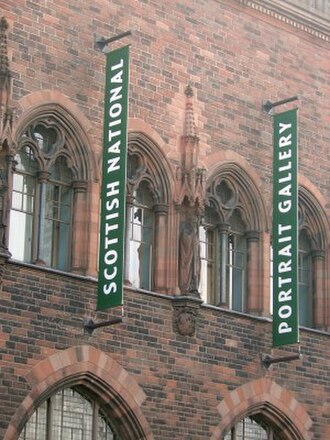
The Scottish National Portrait Gallery is Edinburgh’s national museum of portraiture, housed in a red sandstone neo-Gothic building on Queen Street. Robert Rowand Anderson designed the building, which opened in 1889. The collection follows Scottish people from the sixteenth century to the present, making the gallery a useful place to connect art with national history. Monarchs, writers, scientists, philosophers, sports figures and artists appear across the displays. The architecture deserves attention too, particularly the elaborate sculpture and decoration that turn the building into part of the exhibition.
Checked 2026-08-26 · Source
The collection includes paintings, drawings, miniatures, sculpture, photographs and prints. The subjects range from Scottish monarchs and literary figures to scientists, philosophers, athletes and visual artists. Galleries use chronological and thematic groupings, so a visit can be organised around a period, a profession or a particular person. The central hall is a major architectural highlight, with decoration linked to Scottish history and literature. Temporary exhibitions add focused presentations alongside the permanent collection. Look closely at the different media: a painted portrait, a photograph and a miniature can communicate status and personality in very different ways.
Checked 2026-08-26 · Source
Allow around one to two hours for a focused visit and longer if you want to explore several floors in detail. Portrait enthusiasts can spend several hours comparing artists, periods and subjects. The central hall and building decoration add meaningful time beyond the display cases. A shorter visit can concentrate on well-known Scottish figures and the main architectural spaces. The gallery’s central New Town location makes it easy to pair with a walk along Queen Street, Princes Street or Charlotte Square. Leave enough time to pause in front of individual portraits rather than moving through every room at the same speed.
Checked 2026-08-26 · Source
The indoor galleries make the Scottish National Portrait Gallery a dependable Edinburgh stop in changeable weather. Weekday mornings are often the calmest period for close looking, while popular portraits and temporary exhibitions can draw more people later in the day. The building’s Victorian character gives the visit a different atmosphere from a modern white-walled museum. Seasonal daylight matters less once you are inside, but central Edinburgh is busier during major events and festival periods. A quiet visit is especially valuable in the central hall, where the architectural details reward time without heavy foot traffic.
Checked 2026-08-26 · Source
The permanent collection has historically been available with free general admission under the National Galleries of Scotland model. Temporary exhibitions may use separate ticket arrangements. The gallery is therefore useful for travellers who want a substantial museum visit without building the whole day around a paid attraction. Donations and membership support the institution, while a special exhibition can change the cost of a visit. Treat the permanent galleries and temporary programme as two parts of the same building: the first gives broad coverage of Scottish portraiture, and the second offers a narrower curatorial focus.
Checked 2026-08-26 · Source
The gallery is on Queen Street in Edinburgh’s New Town, north of Princes Street. It is walkable from Waverley railway station and from the St Andrew Square tram terminus. Several Lothian Buses routes serve nearby streets. The red sandstone façade and prominent position make the building easy to recognise while walking through the New Town. Combine it with Charlotte Square, Georgian architecture and central shopping streets. Central Edinburgh has limited parking, so public transport and walking are generally the most practical ways to reach the gallery.
Checked 2026-08-26 · Source
The historic building includes staircases between floors, and some areas may be harder to reach for visitors with mobility limitations. Popular portraits can create small clusters, particularly during busy periods or temporary exhibitions. Traditional building conditions may feel cooler or warmer than a modern museum. Bags and photography equipment can be restricted to protect the collection and keep circulation clear. Children should remain close to displayed works and visitors should keep voices low in the central hall. Temporary exhibition routes can alter the normal flow through the building, so allow extra time when moving between galleries.
Checked 2026-08-26 · Source
The Scottish National Portrait Gallery offers varied photographic subjects: painted faces, framed works, sculpture, prints and the ornate central hall. The red sandstone exterior and neo-Gothic decoration also reward photographs before or after the gallery visit. Interior light changes between the bright central space and more controlled gallery rooms, so detail shots may require patience. Avoid blocking narrow circulation areas around popular works. Loaned exhibitions can have distinct restrictions, while flash, tripods or commercial equipment may be limited in museum settings. Follow the room signage and staff directions, especially where conservation requirements differ between displays.
Checked 2026-08-26 · Source
The permanent collection has historically offered free general admission as part of the National Galleries of Scotland model. Temporary exhibitions may have separate ticket arrangements.
The gallery occupies a red sandstone neo-Gothic building designed by Robert Rowand Anderson and opened in 1889, with extensive sculptural decoration.
The gallery is walkable from Waverley railway station and St Andrew Square tram terminus. Several Lothian Buses routes serve nearby New Town streets.
The collection includes paintings, drawings, miniatures, sculptures, photographs and prints depicting Scottish monarchs, writers, scientists, philosophers, sports figures and artists.
Allow about one to two hours for a focused visit. Visitors concentrating on several floors, temporary exhibitions and architectural details may spend longer.
The ornate central hall is the gallery’s most distinctive interior space, with decorative elements connected to Scottish history and literature.
Loading the interactive map…
The interactive map could not be loaded.
Last updated:
Source: OpenStreetMap contributors, Wikidata ·