Corstorphine Hill Local Nature Reserve is a protected natural area in Edinburgh, Scotland. It encompasses a prominent hill that rises above the western suburbs of the city, offering elevated terrain within an otherwise relatively flat coastal region. The reserve is designated as a Local Nature Reserve, indicating its recognized value for wildlife conservation and public recreation. It forms part of the broader green infrastructure of Edinburgh, contributing to biodiversity and providing accessible wildland for residents and visitors. The hill has historical associations with the surrounding area of Corstorphine, a former village now incorporated into the city.
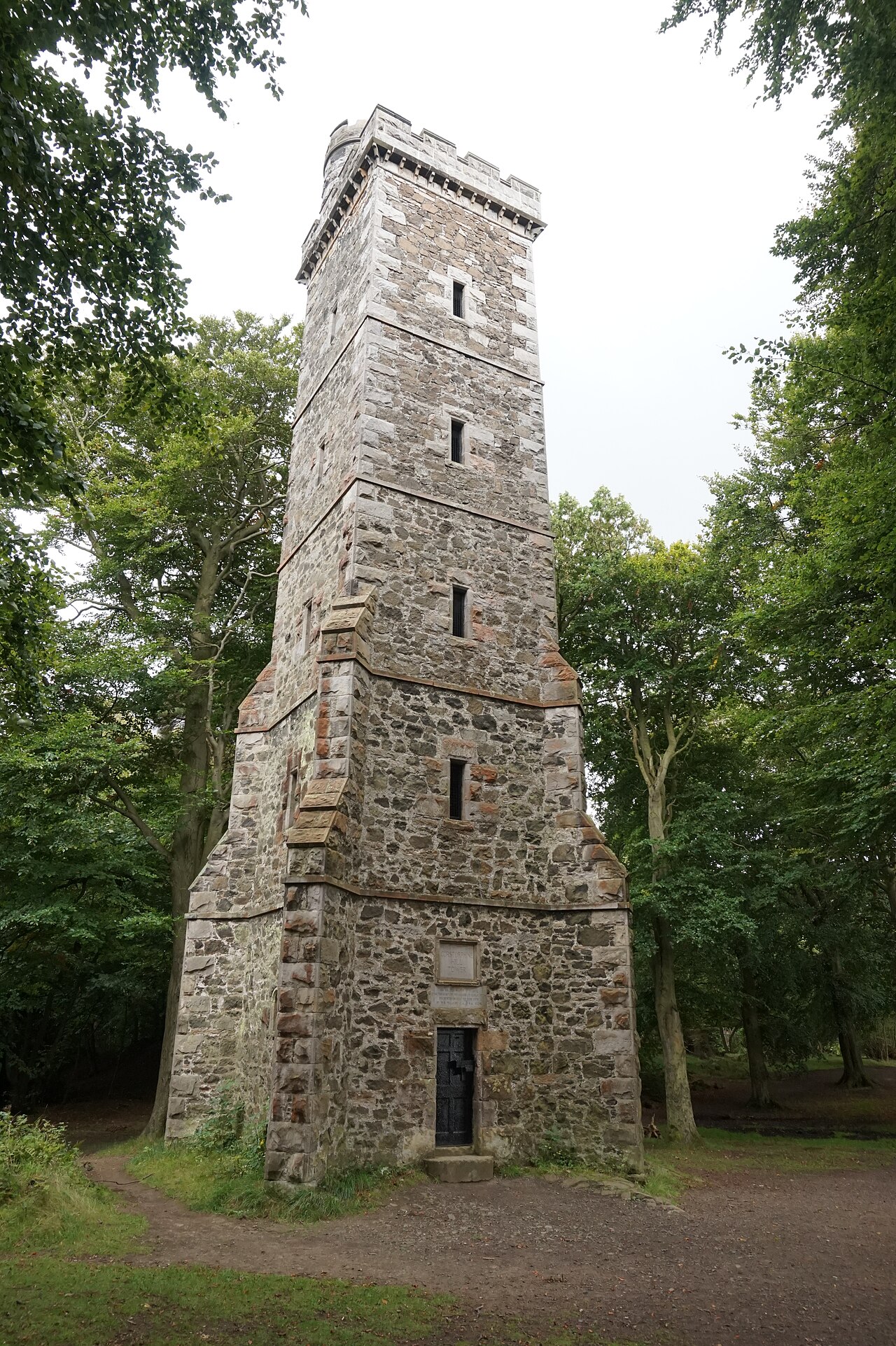
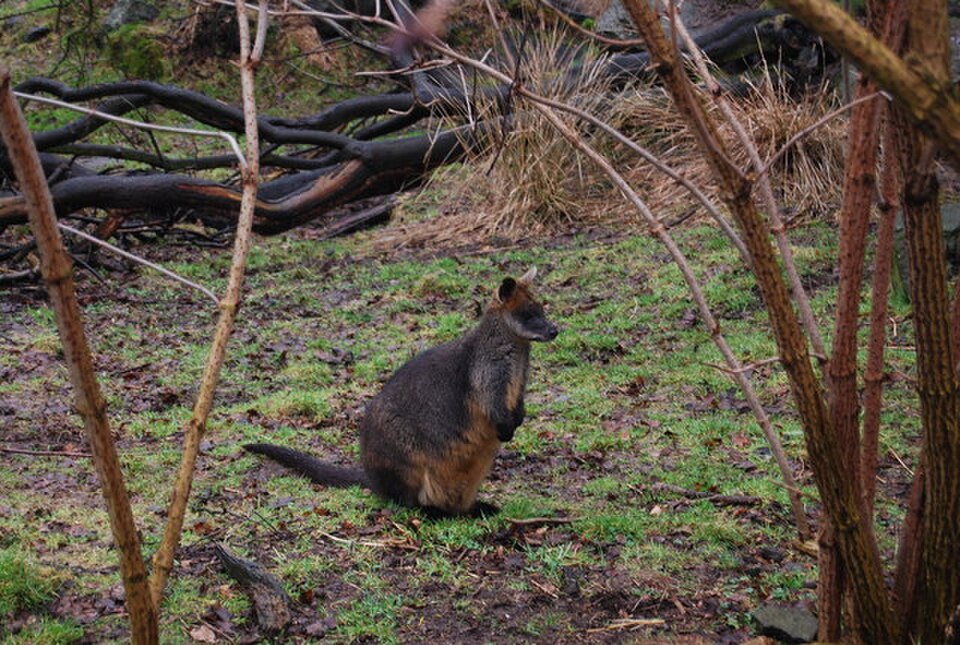
The reserve contains mixed woodland, scrubland, and open grassy areas across its sloping terrain. Mature trees dominate parts of the hill, while other sections support more open vegetation. Wildlife habitats include those suited to birds, small mammals, and invertebrates typical of lowland Scotland. A notable feature is the presence of the Clermiston Tower, also known as the Scott Tower, a nineteenth-century memorial structure near the summit. Various paths traverse the reserve, allowing exploration of different zones. The hilltop provides extensive views across Edinburgh and the surrounding landscape, including sightlines toward the Firth of Forth and the Pentland Hills on clear days.
The time required to visit Corstorphine Hill Local Nature Reserve depends on chosen activities and fitness levels. A direct walk to the summit and return might be completed within one to two hours. More extensive exploration of the path network, including the full extent of the reserve's boundaries, could extend a visit to half a day. The reserve suits both brief walks and longer periods of leisurely observation. Repeat visits may be rewarding given seasonal changes in vegetation and wildlife. Visitors should assess their own pace and interests, as no prescribed route or mandatory circuit exists within the open-access terrain.
The reserve is open terrain accessible at all times, though conditions vary seasonally. Spring and summer bring fuller foliage and longer daylight hours, while autumn offers changing leaf colours. Winter visits may encounter muddy paths and reduced visibility. Weather in Edinburgh changes frequently, and the exposed hilltop can experience stronger winds than surrounding areas. Visitors should check local conditions before setting out, as the unsupervised natural environment presents variable challenges. Early morning and late afternoon may offer quieter conditions and favourable light for observation. Appropriate clothing for Scottish weather is advisable regardless of season. Check the operator's own site for the travel date before relying on a schedule or fare.
Access to Corstorphine Hill Local Nature Reserve is free of charge, consistent with most local nature reserves in Scotland. No entrance fee, membership requirement, or advance booking is needed to enter the open countryside. Visitors should not expect facilities such as visitor centres, cafés, or toilets within the reserve itself, as these would typically require separate funding or commercial arrangements. Any future changes to access arrangements would depend on local authority decisions. The reserve operates as public green space under the stewardship of the City of Edinburgh Council, maintaining free public access as a core principle. Check the operator's own site for the travel date before relying on a schedule or fare.
Corstorphine Hill Local Nature Reserve lies in the western part of Edinburgh, within the Corstorphine area. Multiple entry points exist around the hill's perimeter, reached by residential streets. Public bus services connect central Edinburgh to Corstorphine, with stops within walking distance of various access points. The nearest railway station is not immediately adjacent, requiring onward connection by bus or walking. Private vehicles can reach surrounding streets where parking may be available, though this is not guaranteed and restrictions may apply. Cyclists can approach via local road networks. The hill's prominence makes it visible from surrounding areas, assisting navigation on foot.
The reserve contains uneven and potentially slippery terrain, particularly after rainfall. Exposed tree roots, muddy sections, and steep gradients present trip and fall hazards. The hilltop is exposed to wind with limited shelter. No formal safety patrols or rescue services are stationed on site. Mobile telephone coverage may be inconsistent in wooded areas. Visitors should carry appropriate footwear and weather protection. Ticks, which can carry Lyme disease, may be present in vegetation; checking skin after visits is prudent. The tower structure, while historically significant, may have restricted access or deteriorated elements. Children and less mobile visitors require supervision due to unguarded slopes and natural hazards.
The summit viewpoints offer panoramic photographic opportunities across Edinburgh's skyline, including distant landmarks visible on clear days. Woodland interiors provide dappled light and seasonal botanical subjects. The Scott Tower presents architectural interest, though its condition and accessibility for close photography may vary. Early morning and evening light enhance landscape compositions. Wildlife photography requires patience and appropriate lenses, as animals are not habituated to close approach. Weather conditions change rapidly, creating dramatic skies but also challenging exposure situations. No commercial photography permits are known to be required, though drone operation would fall under separate aviation regulations. Respect for other visitors' experience and wildlife disturbance minimization should guide photographic behaviour.
Checked 2026-08-26
Common questions
Is there a visitor centre at Corstorphine Hill Local Nature Reserve for Corstorphine Hill Local Nature Reserve in Edinburgh?
No visitor centre is recorded. The reserve is open countryside without staffed facilities.
Can I bring my dog to the reserve for Corstorphine Hill Local Nature Reserve in Edinburgh?
Dogs are likely permitted given the open-access nature of local nature reserves, but specific regulations are Not recorded pending review. Responsible control is expected.
Is the Scott Tower open to climb for Corstorphine Hill Local Nature Reserve in Edinburgh?
The accessibility and safety of the tower for climbing are Not recorded pending review. Visitors should assess conditions cautiously on arrival.
Are there toilets or cafés within the reserve for Corstorphine Hill Local Nature Reserve in Edinburgh?
No toilets or cafés are recorded within the reserve boundaries. Visitors should plan accordingly.
Is the reserve suitable for wheelchair users for Corstorphine Hill Local Nature Reserve in Edinburgh?
The natural terrain with slopes and uneven paths presents significant challenges. Specific accessibility provisions are Not recorded pending review.
Who manages the reserve for Corstorphine Hill Local Nature Reserve in Edinburgh?
The City of Edinburgh Council holds stewardship responsibility for this Local Nature Reserve.
Nothing non-essential is set before you choose, in regions where consent is required. If you decline, ads still appear but they are non-personalised, and analytics is switched off entirely.