.jpg)


14 min walk
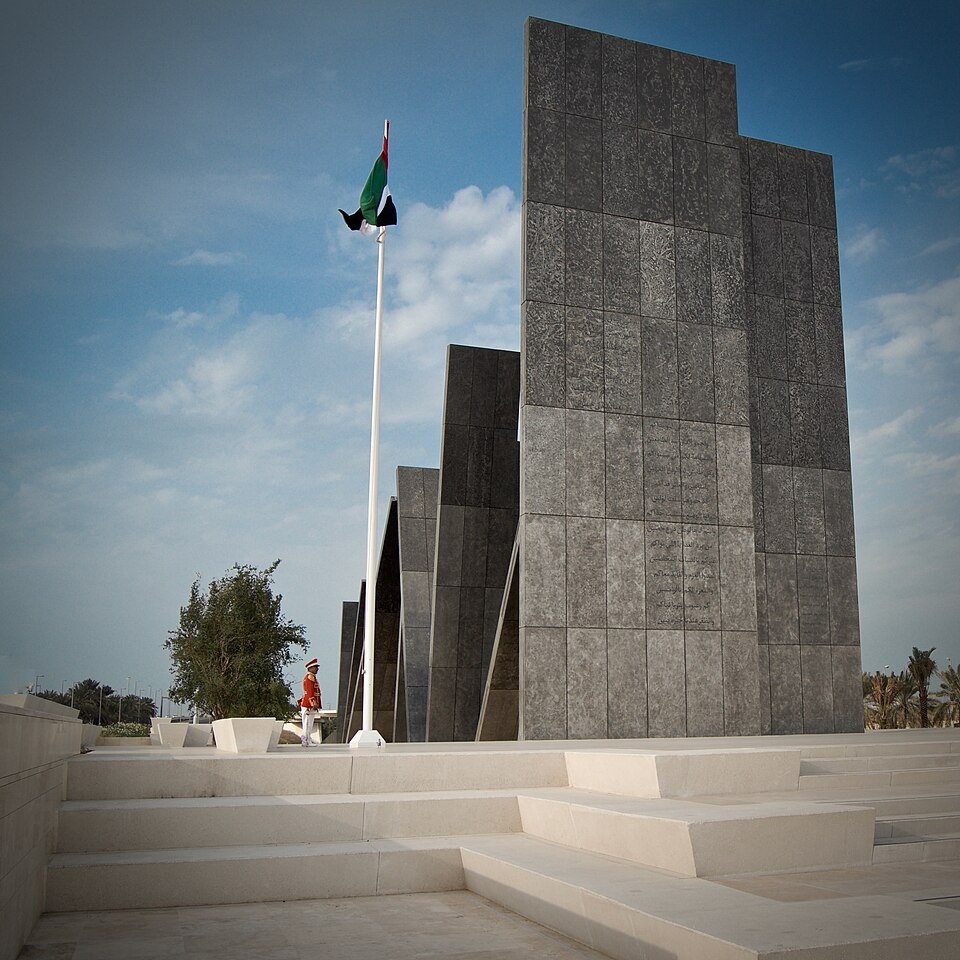
Wahat Al Karama
- Notable
- Place of worship
Language · 11 published
Historic monument · Abu Dhabi
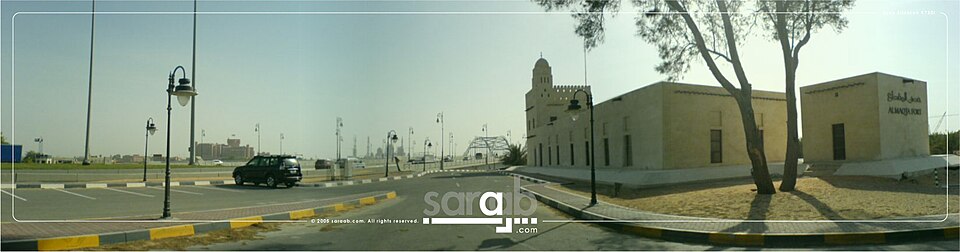
Maqta Fort, known locally as Qal'at al-Maqta, is a historic defensive structure located in Abu Dhabi near the Maqta Bridge. The fort stands as one of the emirate's older surviving military installations, positioned strategically to guard the crossing point between the mainland and Abu Dhabi Island. Its architecture reflects traditional Gulf fortification methods, with thick earthen walls and watchtowers designed for surveillance and protection. The site holds significance in the narrative of Abu Dhabi's development before the modern era. Maqta Fort also earns time in a abu dhabi itinerary because A distinct historic fort replaces the second Saadiyat Beach entry; the production identity and coordinates are exact. Its value becomes clearer when the stop is compared with the surrounding streets and the other ranked places nearby.
Checked 2026-08-26
The interior of Maqta Fort contains spaces typical of regional defensive architecture, including quarters that would have housed guards and storage areas for supplies. The structure features traditional building elements such as palm-frond roofing materials and gypsum-based construction in some sections. Visitors can observe the thick perimeter walls and corner towers that formed the defensive perimeter. The exact current interior fittings and any displayed interpretive materials are Not recorded. The fort's fabric preserves authentic construction techniques from its period of active use.
Checked 2026-08-26
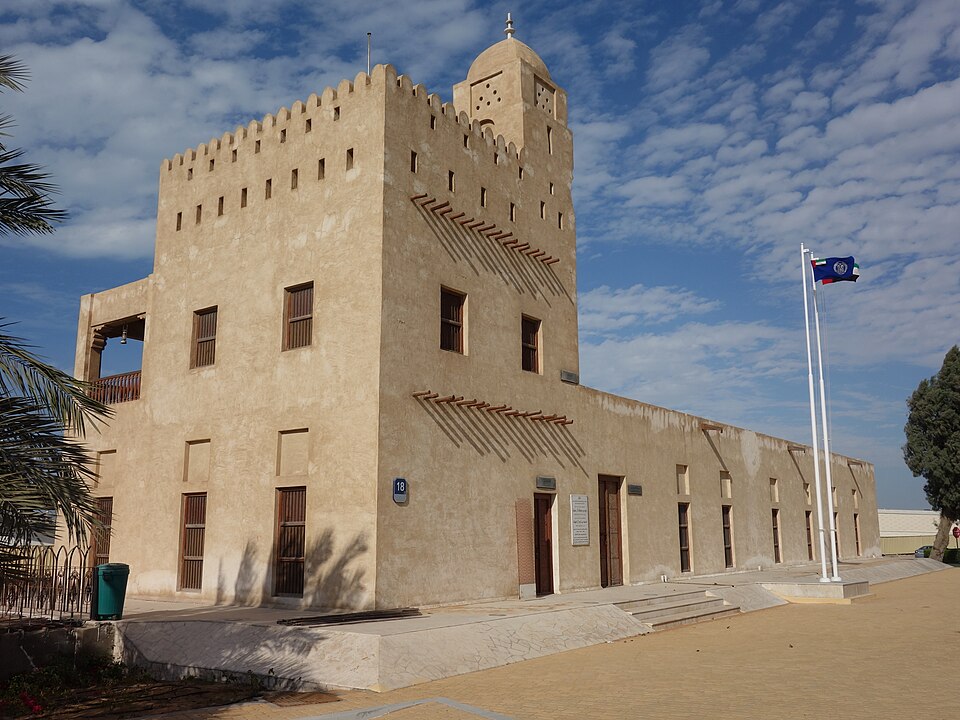
A visit to Maqta Fort typically requires between thirty minutes and one hour for a thorough examination of the exterior and accessible interior spaces. The compact scale of the structure means that extended time is not necessary unless the visitor has specific historical or architectural interests. Those studying traditional construction methods may wish to allocate additional time for detailed observation. The surrounding area near Maqta Bridge may also warrant brief exploration for contextual understanding of the fort's strategic positioning.
Checked 2026-08-26
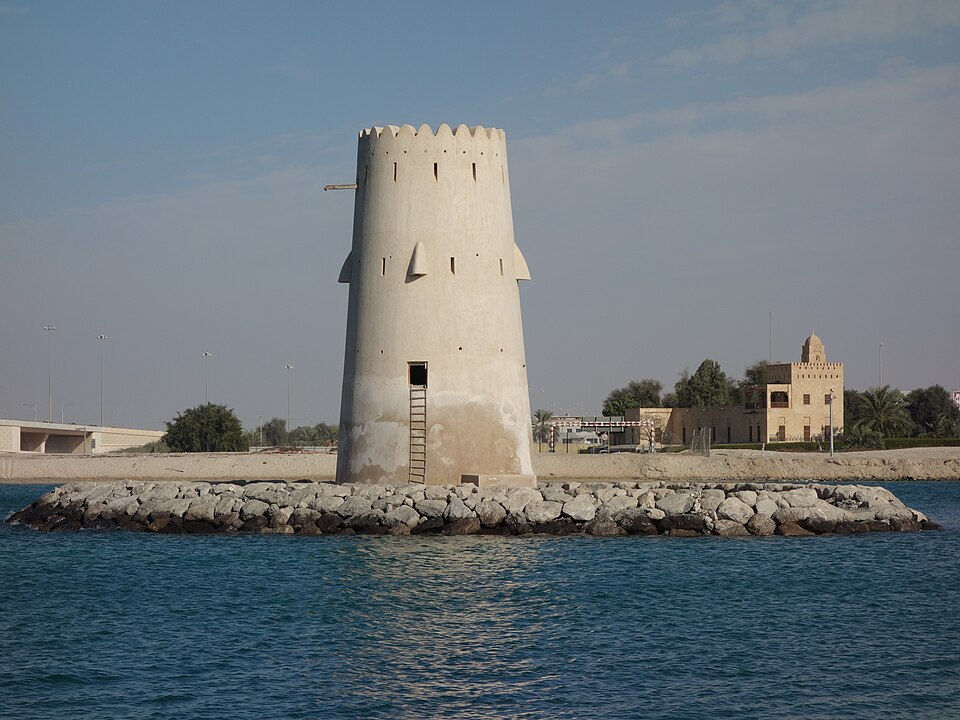
Operator-confirmed hours for Maqta Fort are Not recorded pending review. Visitors should verify current accessibility before planning a visit, as historic forts in the region may operate with variable schedules or require advance arrangement. The climate of Abu Dhabi suggests that cooler months from November through March offer more comfortable conditions for outdoor exploration. Summer visits demand adequate sun protection and hydration. Early morning or late afternoon timing may provide preferable lighting and temperature conditions for appreciation of the structure.
Checked 2026-08-26
Operator-confirmed prices for Maqta Fort are Not recorded pending review. Many historic sites in Abu Dhabi have transitioned to free public access as part of cultural heritage initiatives, though this cannot be assumed without verification. Visitors should consult official Abu Dhabi tourism channels or contact the site directly for current admission policies. Any applicable fees would typically be modest given the scale of the attraction. Group visits or special access arrangements may involve separate procedures not documented in available sources.
Checked 2026-08-26
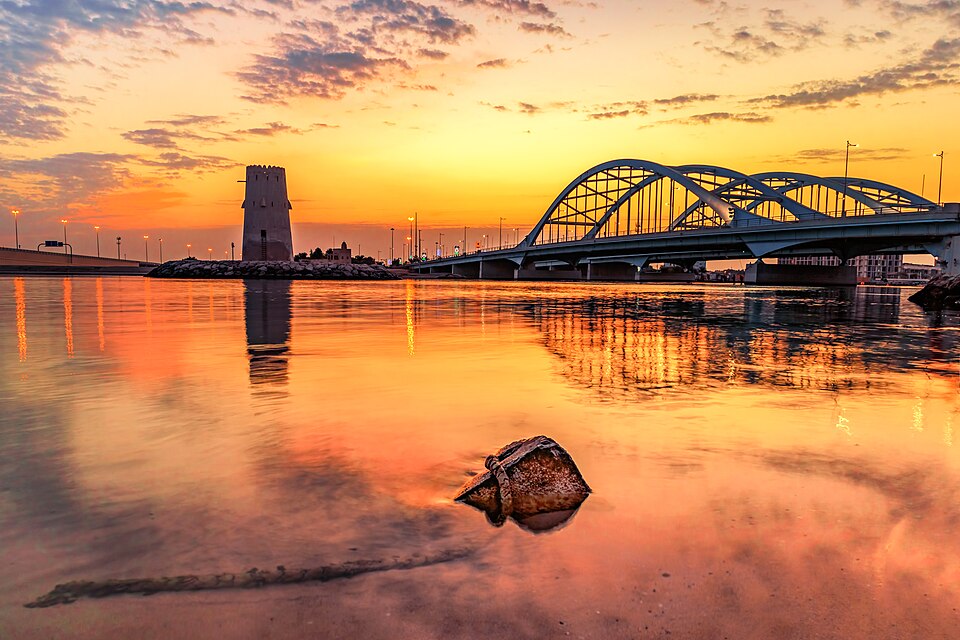
Maqta Fort sits adjacent to the Maqta Bridge, which connects Abu Dhabi Island to the mainland. The location is accessible by private vehicle, with parking availability in the vicinity to be confirmed on arrival. Public transportation options including buses serve the broader Maqta area, though specific stop proximity to the fort entrance is Not recorded. Taxis and ride-hailing services can reach the location given its established landmark status near the bridge. The site lies a short distance from central Abu Dhabi districts.
Checked 2026-08-26
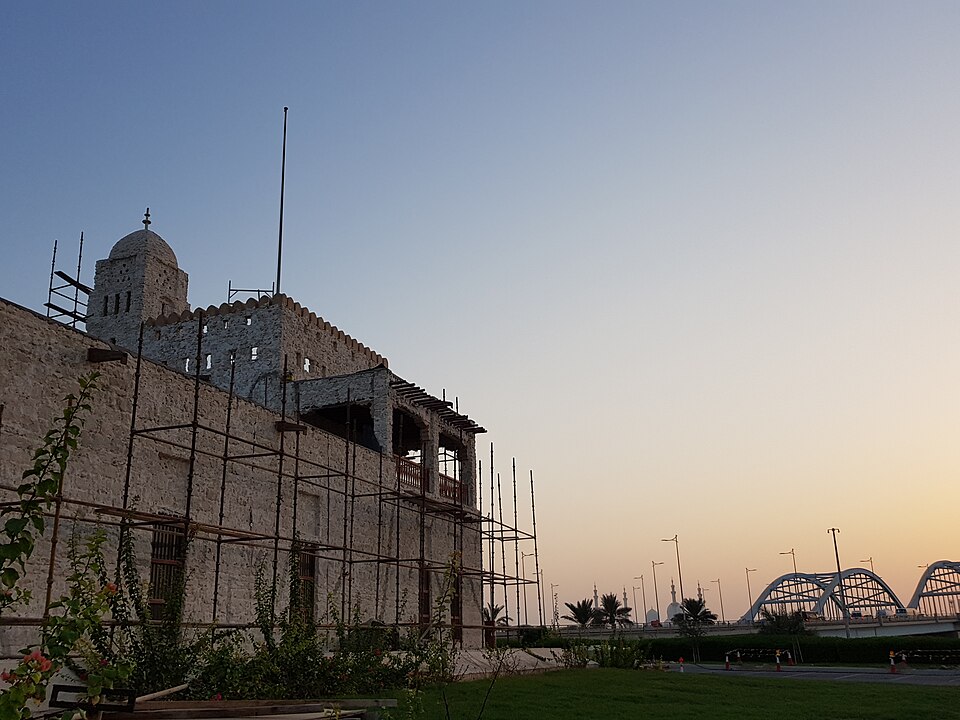
The fort's age and traditional construction require visitors to exercise caution regarding uneven surfaces, low doorways, and unguarded changes in level. Earthen and gypsum materials may be fragile; touching or climbing on walls should be avoided. The surrounding area includes active road infrastructure near Maqta Bridge, necessitating awareness of traffic when approaching or departing. Limited shade coverage means sun exposure risks during daytime visits. The absence of confirmed visitor facilities suggests carrying water and any needed supplies. Respect for the site's heritage status is essential.
Checked 2026-08-26
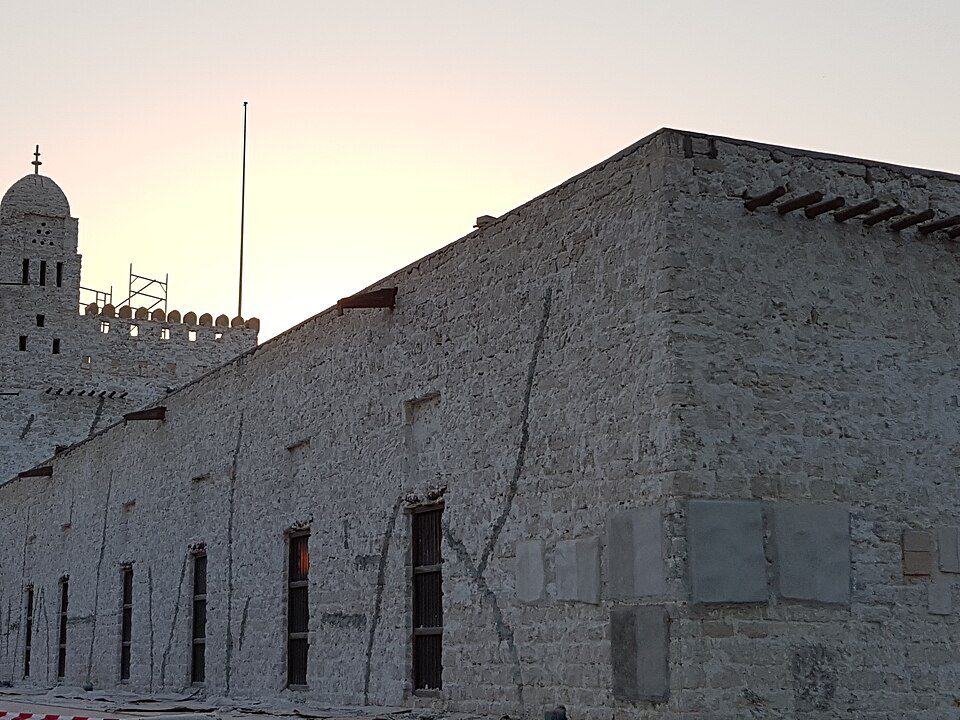
The exterior of Maqta Fort offers clear photographic opportunities against the backdrop of the Maqta Bridge and surrounding landscape, illustrating the contrast between historical and contemporary infrastructure. The textured earthen walls and traditional architectural details provide subjects for documentation. Interior photography is subject to any restrictions that may apply, which are Not recorded. Tripod use and commercial photography would require specific permission. Early morning and late afternoon light enhances the warm tones of the construction materials. Drone operation would fall under UAE aviation regulations and requires appropriate authorization.
Checked 2026-08-26
Current public access status is Not recorded. Visitors should verify operational status through official Abu Dhabi tourism channels before visiting.
The fort guarded the Maqta crossing between mainland and Abu Dhabi Island, serving as a defensive checkpoint in the emirate's earlier history.
Availability of guided tours is Not recorded. Self-directed observation of the structure appears to be the primary visitor experience.
Specific construction dates for Maqta Fort are Not recorded. The structure belongs to the pre-modern defensive architecture of the Abu Dhabi region.
Parking availability in the vicinity is to be confirmed on arrival. The site lies near established road infrastructure at Maqta Bridge.
Availability of visitor facilities including restrooms is Not recorded. Visitors should plan accordingly when visiting this compact historic site.
Loading the interactive map…
The interactive map could not be loaded.

Last updated:
Source: OpenStreetMap contributors ·