


43 min walk
Apollonia
- Notable
- Historic monument
Language · 11 published
Historic monument · Antalya
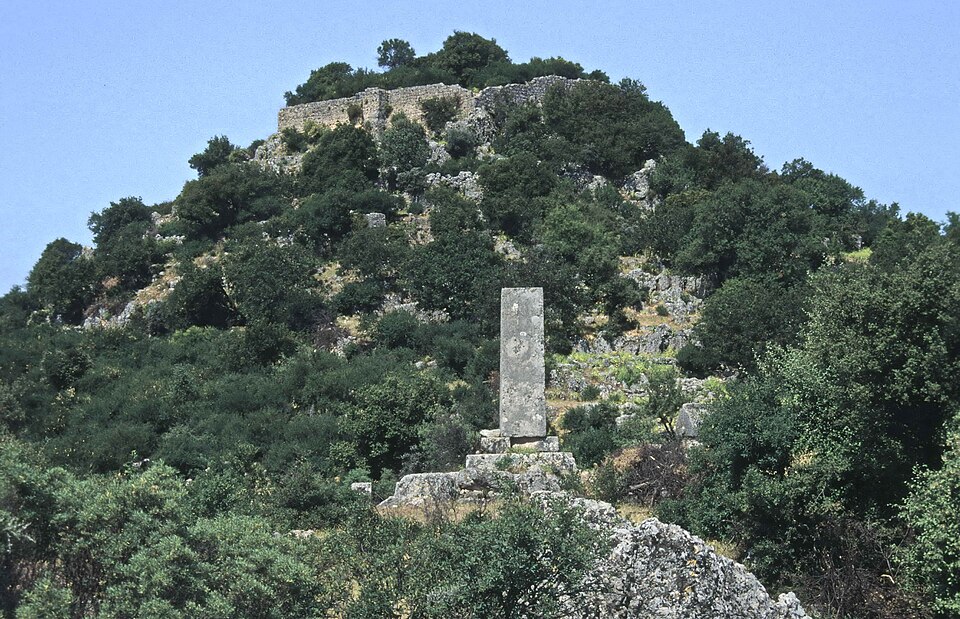
Aperlae is an ancient Lycian settlement located along the Mediterranean coast near Antalya, Turkey. The site represents a significant archaeological location from the classical period, positioned on a peninsula with natural harbours that supported maritime trade. As a member of the Lycian League, Aperlae contributed to this federation of city-states in southwestern Anatolia. The ruins demonstrate urban planning typical of Lycian coastal communities, with remains spread across a rugged landscape that has preserved elements of its ancient configuration despite centuries of exposure to coastal conditions.
Checked 2026-08-26
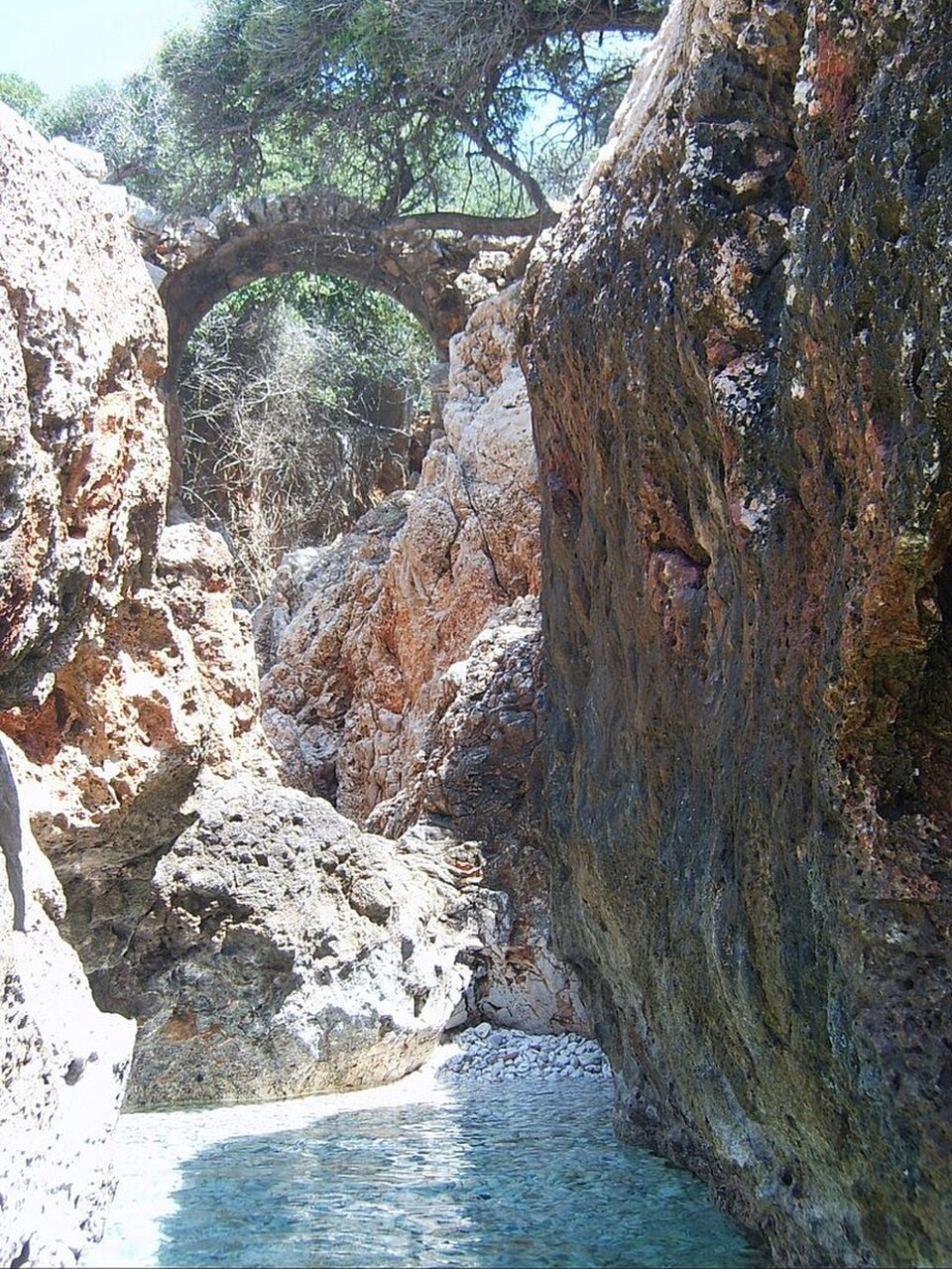
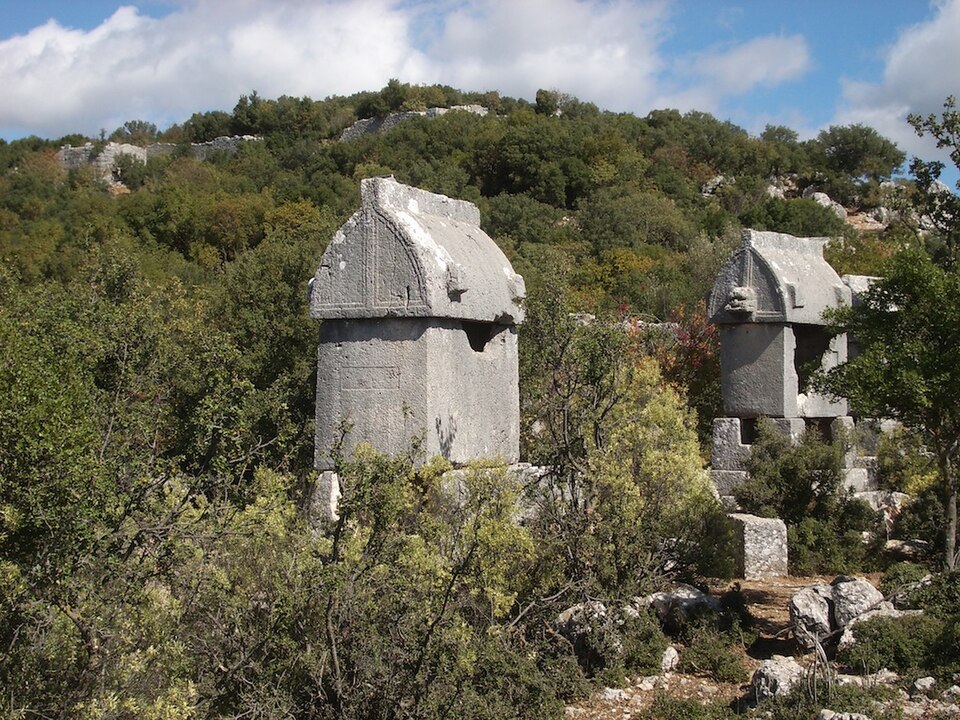
The archaeological site contains structural remnants including city walls, building foundations, and evidence of harbour installations that supported Aperlae's maritime economy. Visitors can observe stone constructions that indicate residential and public spaces from antiquity. The peninsula location provided natural defensive advantages, with remains of fortifications visible. Tombs and necropolis elements may be present, consistent with Lycian burial practices. The coastal setting means marine erosion has affected some features. The site lacks modern reconstruction, presenting authentic archaeological remains in their discovered state without extensive visitor infrastructure or interpretive installations.
Checked 2026-08-26
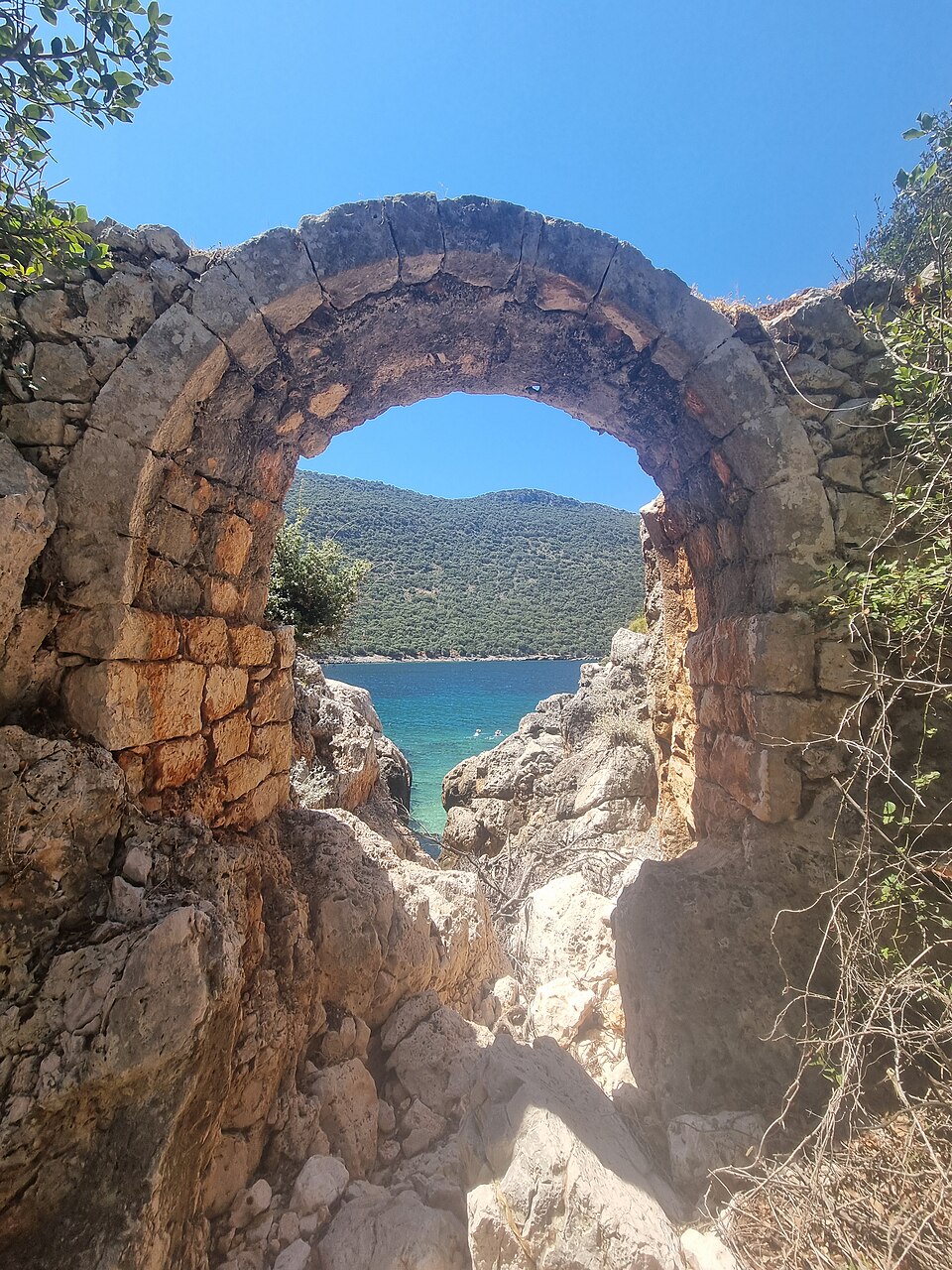
A visit to Aperlae requires careful planning due to its remote coastal position and undeveloped status. Most visitors allocate half a day, combining travel time with on-site exploration. The terrain is uneven and demands sturdy footwear; those with mobility limitations should assess conditions carefully. No visitor facilities exist on site, so self-sufficiency with water and supplies is essential. The absence of marked paths means navigation requires attention. Photography enthusiasts or those with archaeological interest may extend their stay, though the lack of amenities limits extended visits. Boat access from nearby Kekova region settlements is common.
Checked 2026-08-26
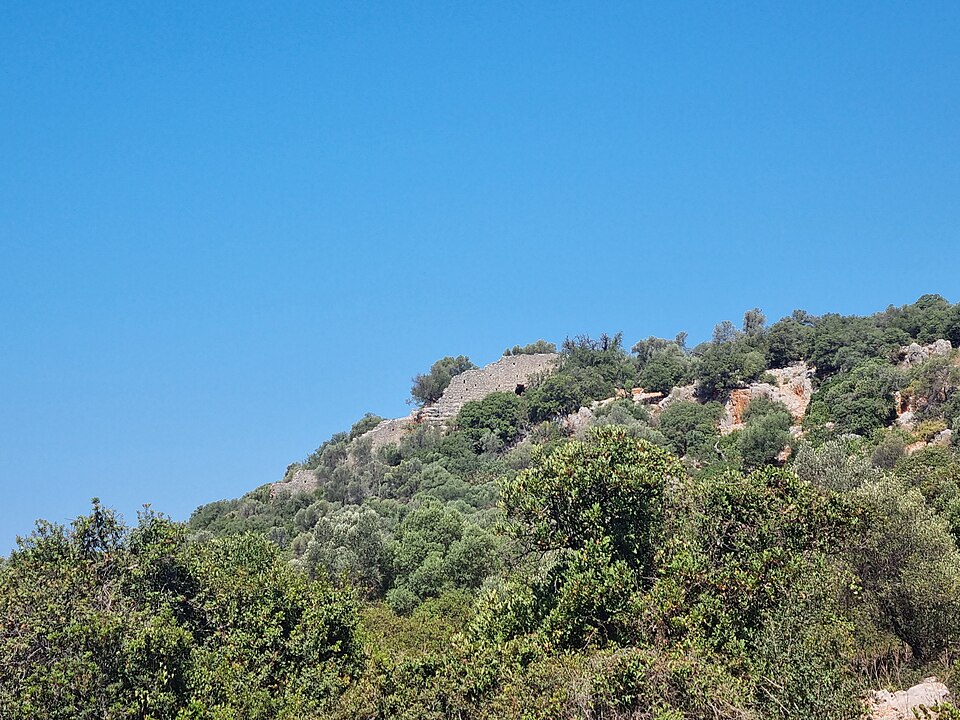
The Mediterranean climate of coastal Antalya province makes late spring and early autumn generally comfortable for outdoor archaeological exploration. Summer months bring intense heat and strong sun exposure on this exposed coastal site with minimal shade. Winter visits may encounter rain and rough sea conditions affecting boat access. Operator-confirmed hours are Not recorded pending review. No staffed entrance or regulated opening times have been documented. Visitors should verify current accessibility before travelling, as coastal conditions and lack of formal management may affect site availability. Sea state critically influences boat-dependent access routes.
Checked 2026-08-26
Aperlae has no established ticket infrastructure or formal admission system documented. As an unguarded archaeological site without visitor centre or controlled entry points, no standardised pricing structure exists. Operator-confirmed prices are Not recorded pending review. Any costs associated with visiting typically relate to boat transportation from nearby coastal settlements rather than site entry itself. Visitors arranging transport independently should confirm all charges in advance. The absence of official management means no facilities for card payments or structured fee collection. Cash for boat operators and contingency funds are advisable given the remote location and informal access arrangements.
Checked 2026-08-26

Aperlae occupies a peninsula position accessible primarily by sea from settlements in the Kekova region, including Üçağız. Road access terminates before the site, necessitating water transport for final approach. Local boat services from coastal villages provide the practical access method; arrangements typically require negotiation with operators. No public transportation serves the site directly. Private boat charter from Kaş or Demre offers alternative access for groups. The journey from Antalya city involves substantial overland travel to coastal departure points first. Navigation apps and standard road signage do not reliably guide to this unmarked archaeological location.
Checked 2026-08-26
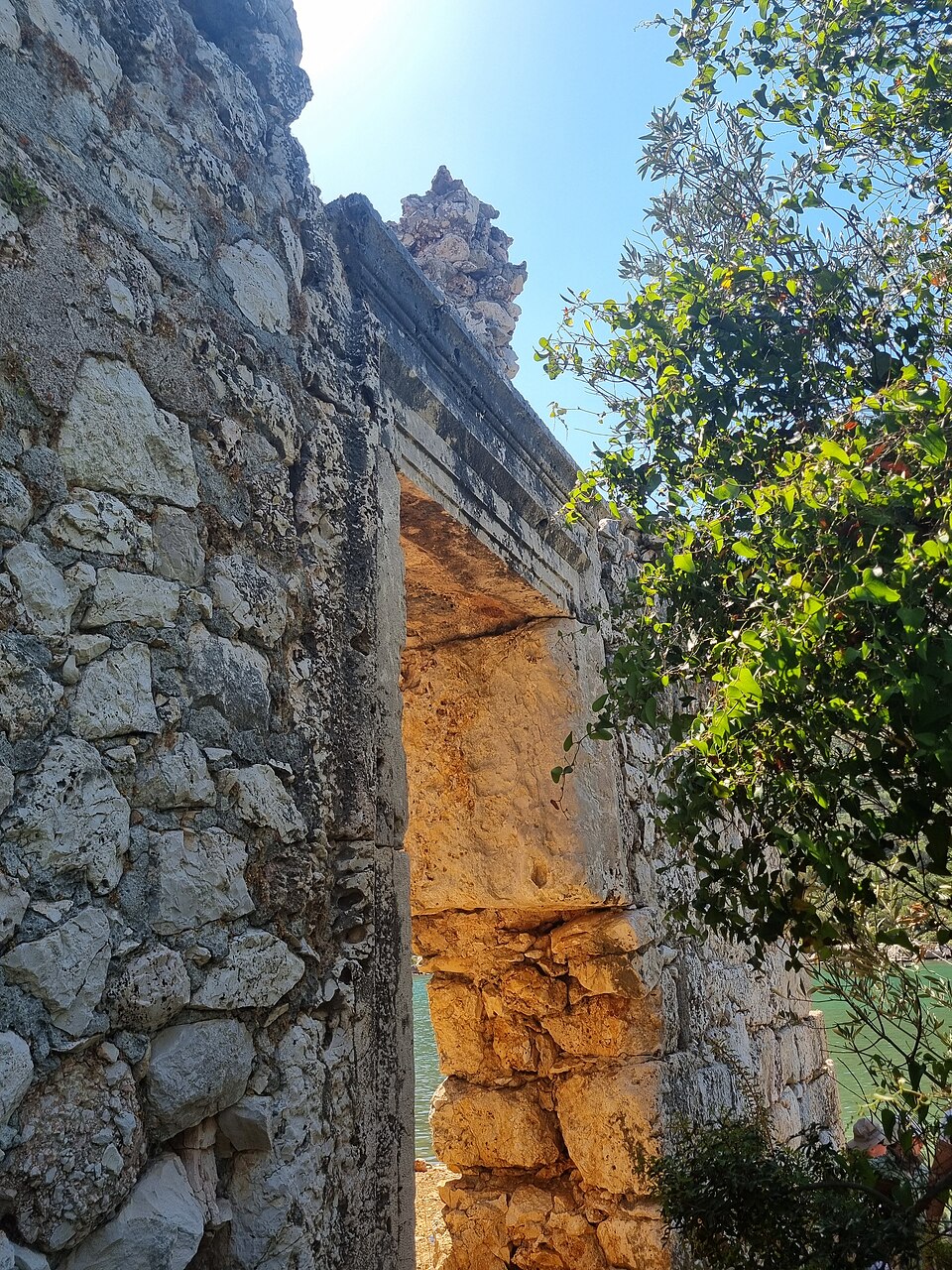
The remote and unmonitored nature of Aperlae presents several visitor considerations. No emergency services or communication infrastructure exists on site; mobile coverage may be unreliable. The terrain combines steep gradients, loose surfaces, and cliff edges without safety barriers. Marine access depends on weather conditions that change rapidly. No drinking water, shade structures, or toilet facilities are available. Visitors must carry all necessities and remove all waste. The archaeological remains are unprotected; walking directly on ancient structures accelerates deterioration. Medical assistance requires return to populated areas, making first aid preparedness essential for this isolated coastal environment.
Checked 2026-08-26
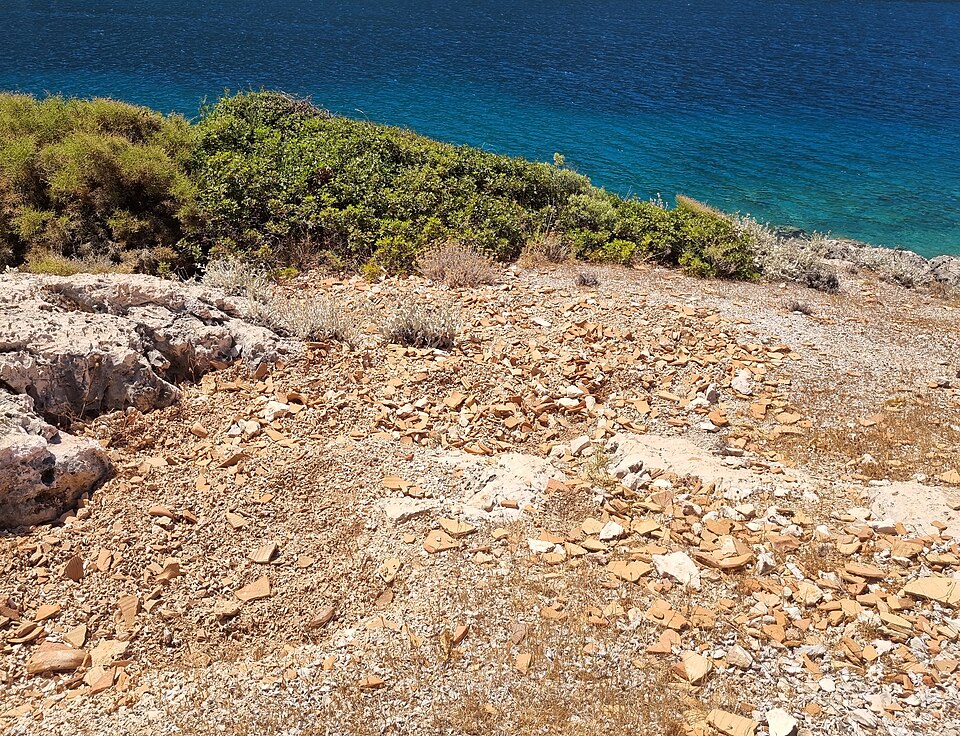
Aperlae offers distinctive photographic opportunities combining ancient stonework with dramatic Mediterranean coastal scenery. The peninsula configuration provides varied perspectives across land and sea. Morning and late afternoon light enhances texture on weathered stone surfaces. Wide-angle lenses accommodate landscape context including harbour settings and surrounding waters. The absence of crowds permits unhurried composition, though harsh midday sun creates strong contrast on exposed surfaces. Drone operation should consider Turkish aviation regulations and the site's unprotected status. No restrictions on photography equipment have been documented, though respect for archaeological integrity should govern behaviour. Waterproof protection advisable given sea spray and boat access.
Checked 2026-08-26
The uneven terrain, absence of facilities, and boat-dependent access make Aperlae challenging for young children and those with limited mobility. Individual assessment of physical capability is essential.
No formal guides, information panels, or interpretive materials are present at Aperlae. Visitors should research independently or arrange knowledgeable boat operators for contextual information.
The coastal location offers swimming possibilities, though no designated safe areas, lifeguards, or facilities exist. Visitors assume personal responsibility for water activities.
Some boat tours from Kekova region settlements include Aperlae among stops, though dedicated archaeological tours are not standard. Independent arrangement is typically necessary.
Essential items include adequate water, sun protection, sturdy footwear, snacks, first aid supplies, and cash for boat transport. No provisions are available at or near the site.
Preservation varies across the site. Coastal exposure and lack of protective measures mean some deterioration has occurred. The ruins remain substantially authentic without modern reconstruction.
Loading the interactive map…
The interactive map could not be loaded.
Last updated:
Source: OpenStreetMap contributors, Wikidata ·