
_%E0%B8%A7%E0%B8%B1%E0%B8%94%E0%B8%A1%E0%B8%AB%E0%B8%B2%E0%B8%98%E0%B8%B2%E0%B8%95%E0%B8%B8%E0%B8%A2%E0%B8%B8%E0%B8%A7%E0%B8%A3%E0%B8%B2%E0%B8%8A%E0%B8%A3%E0%B8%B1%E0%B8%87%E0%B8%AA%E0%B8%A4%E0%B8%A9%E0%B8%8E%E0%B8%B4%E0%B9%8C%E0%B8%A3%E0%B8%B2%E0%B8%8A%E0%B8%A7%E0%B8%A3%E0%B8%A1%E0%B8%AB%E0%B8%B2%E0%B8%A7%E0%B8%B4%E0%B8%AB%E0%B8%B2%E0%B8%A3_%E0%B9%80%E0%B8%82%E0%B8%95%E0%B8%9E%E0%B8%A3%E0%B8%B0%E0%B8%99%E0%B8%84%E0%B8%A3_%E0%B8%81%E0%B8%A3%E0%B8%B8%E0%B8%87%E0%B9%80%E0%B8%97%E0%B8%9E%E0%B8%A1%E0%B8%AB%E0%B8%B2%E0%B8%99%E0%B8%84%E0%B8%A3_(10).jpg)
_%E0%B8%A7%E0%B8%B1%E0%B8%94%E0%B8%A1%E0%B8%AB%E0%B8%B2%E0%B8%98%E0%B8%B2%E0%B8%95%E0%B8%B8%E0%B8%A2%E0%B8%B8%E0%B8%A7%E0%B8%A3%E0%B8%B2%E0%B8%8A%E0%B8%A3%E0%B8%B1%E0%B8%87%E0%B8%AA%E0%B8%A4%E0%B8%A9%E0%B8%8E%E0%B8%B4%E0%B9%8C%E0%B8%A3%E0%B8%B2%E0%B8%8A%E0%B8%A7%E0%B8%A3%E0%B8%A1%E0%B8%AB%E0%B8%B2%E0%B8%A7%E0%B8%B4%E0%B8%AB%E0%B8%B2%E0%B8%A3_%E0%B9%80%E0%B8%82%E0%B8%95%E0%B8%9E%E0%B8%A3%E0%B8%B0%E0%B8%99%E0%B8%84%E0%B8%A3_%E0%B8%81%E0%B8%A3%E0%B8%B8%E0%B8%87%E0%B9%80%E0%B8%97%E0%B8%9E%E0%B8%A1%E0%B8%AB%E0%B8%B2%E0%B8%99%E0%B8%84%E0%B8%A3_(11).jpg)
_%E0%B8%A7%E0%B8%B1%E0%B8%94%E0%B8%A1%E0%B8%AB%E0%B8%B2%E0%B8%98%E0%B8%B2%E0%B8%95%E0%B8%B8%E0%B8%A2%E0%B8%B8%E0%B8%A7%E0%B8%A3%E0%B8%B2%E0%B8%8A%E0%B8%A3%E0%B8%B1%E0%B8%87%E0%B8%AA%E0%B8%A4%E0%B8%A9%E0%B8%8E%E0%B8%B4%E0%B9%8C%E0%B8%A3%E0%B8%B2%E0%B8%8A%E0%B8%A7%E0%B8%A3%E0%B8%A1%E0%B8%AB%E0%B8%B2%E0%B8%A7%E0%B8%B4%E0%B8%AB%E0%B8%B2%E0%B8%A3_%E0%B9%80%E0%B8%82%E0%B8%95%E0%B8%9E%E0%B8%A3%E0%B8%B0%E0%B8%99%E0%B8%84%E0%B8%A3_%E0%B8%81%E0%B8%A3%E0%B8%B8%E0%B8%87%E0%B9%80%E0%B8%97%E0%B8%9E%E0%B8%A1%E0%B8%AB%E0%B8%B2%E0%B8%99%E0%B8%84%E0%B8%A3_(12).jpg)
_%E0%B8%A7%E0%B8%B1%E0%B8%94%E0%B8%A1%E0%B8%AB%E0%B8%B2%E0%B8%98%E0%B8%B2%E0%B8%95%E0%B8%B8%E0%B8%A2%E0%B8%B8%E0%B8%A7%E0%B8%A3%E0%B8%B2%E0%B8%8A%E0%B8%A3%E0%B8%B1%E0%B8%87%E0%B8%AA%E0%B8%A4%E0%B8%A9%E0%B8%8E%E0%B8%B4%E0%B9%8C%E0%B8%A3%E0%B8%B2%E0%B8%8A%E0%B8%A7%E0%B8%A3%E0%B8%A1%E0%B8%AB%E0%B8%B2%E0%B8%A7%E0%B8%B4%E0%B8%AB%E0%B8%B2%E0%B8%A3_%E0%B9%80%E0%B8%82%E0%B8%95%E0%B8%9E%E0%B8%A3%E0%B8%B0%E0%B8%99%E0%B8%84%E0%B8%A3_%E0%B8%81%E0%B8%A3%E0%B8%B8%E0%B8%87%E0%B9%80%E0%B8%97%E0%B8%9E%E0%B8%A1%E0%B8%AB%E0%B8%B2%E0%B8%99%E0%B8%84%E0%B8%A3_(13).jpg)
_%E0%B8%A7%E0%B8%B1%E0%B8%94%E0%B8%A1%E0%B8%AB%E0%B8%B2%E0%B8%98%E0%B8%B2%E0%B8%95%E0%B8%B8%E0%B8%A2%E0%B8%B8%E0%B8%A7%E0%B8%A3%E0%B8%B2%E0%B8%8A%E0%B8%A3%E0%B8%B1%E0%B8%87%E0%B8%AA%E0%B8%A4%E0%B8%A9%E0%B8%8E%E0%B8%B4%E0%B9%8C%E0%B8%A3%E0%B8%B2%E0%B8%8A%E0%B8%A7%E0%B8%A3%E0%B8%A1%E0%B8%AB%E0%B8%B2%E0%B8%A7%E0%B8%B4%E0%B8%AB%E0%B8%B2%E0%B8%A3_%E0%B9%80%E0%B8%82%E0%B8%95%E0%B8%9E%E0%B8%A3%E0%B8%B0%E0%B8%99%E0%B8%84%E0%B8%A3_%E0%B8%81%E0%B8%A3%E0%B8%B8%E0%B8%87%E0%B9%80%E0%B8%97%E0%B8%9E%E0%B8%A1%E0%B8%AB%E0%B8%B2%E0%B8%99%E0%B8%84%E0%B8%A3_(14).jpg)
4 min walk · เขตพระนคร
Tha Phra Chan
- Must see
- Historic monument
Language · 1 published
Historic monument · เขตพระนคร, Bangkok
วัดมหาธาตุยุวราชรังสฤษฎิ์ราชวรมหาวิหาร
| Monday | 08:00 – 18:00 |
|---|---|
| Tuesday | 08:00 – 18:00 |
| Wednesday | 08:00 – 18:00 |
| Thursday | 08:00 – 18:00 |
| Friday | 08:00 – 18:00 |
| Saturday | 08:00 – 18:00 |
| Sunday | 08:00 – 18:00 |
Checked 2026-08-25 · Source
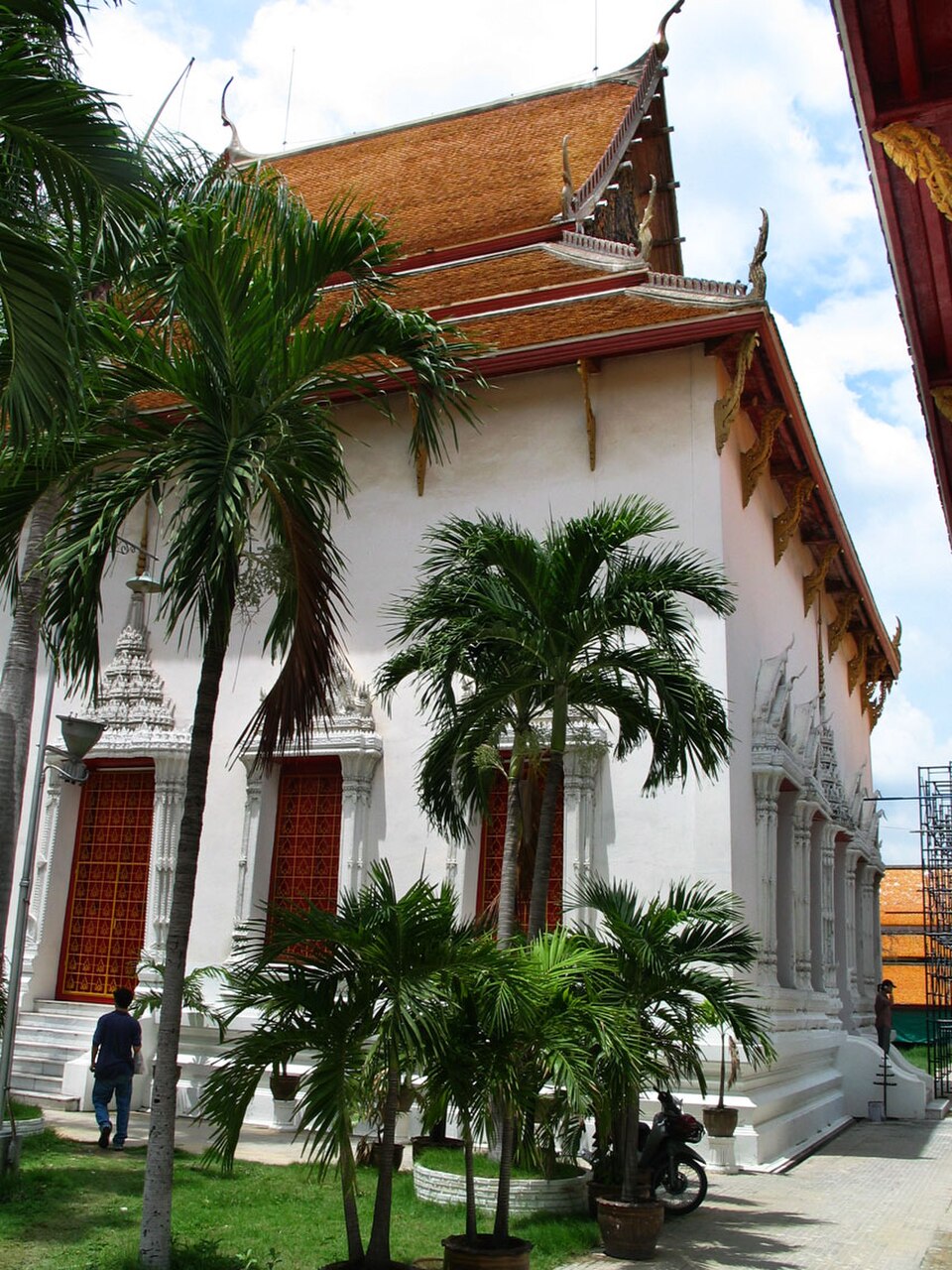
Wat Mahathat Yuwaratrangsarit is a first-class royal temple of the highest grade — one of only six ratchaworamahawihan temples in Thailand — with an Ayutthaya-period foundation and a position that is itself a statement: it stands on Maha Rat Road between the Grand Palace and the site of the Front Palace, deliberately placed between the two seats of power. Its living function matters more than its architecture. The compound houses Mahachulalongkornrajavidyalaya University, the oldest institution of higher education for Thai monks, raised to first-class status in 1889, and the monastery's own vipassana section runs meditation instruction on the site. The result is a compound that behaves like a campus: classrooms, dormitories, monks moving between buildings with books, and comparatively few visitors, despite sharing a wall with one of the most heavily ticketed sites in Asia. Anyone stepping straight out of the Grand Palace queue into this compound registers the difference within a minute. It is the place on the Rattanakosin island where Thai Buddhism is being taught rather than displayed.
Checked 2026-08-25 · Source
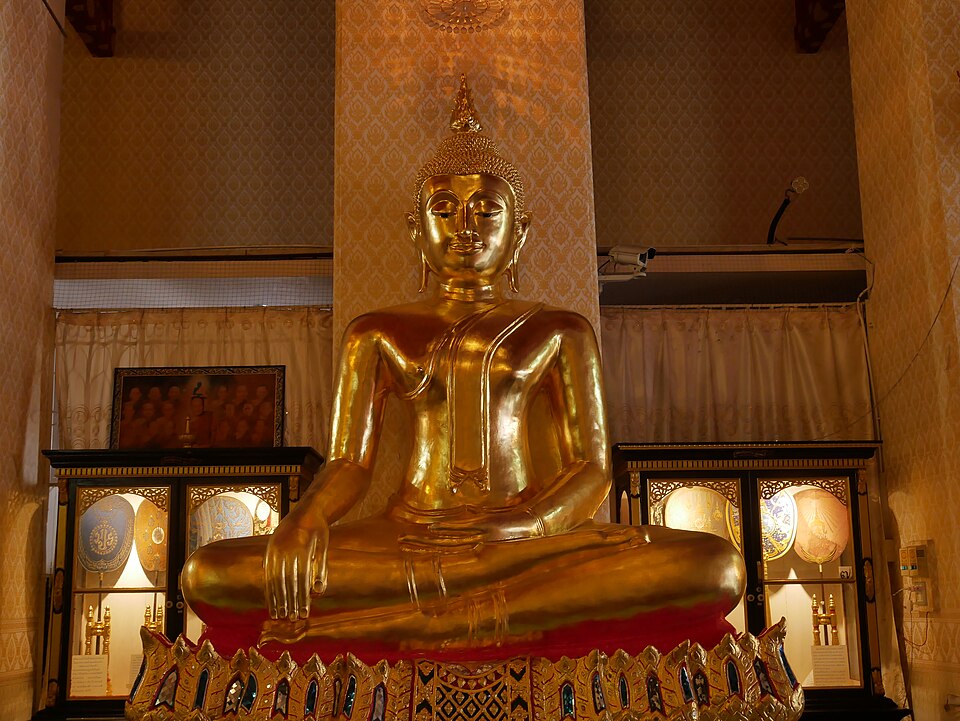
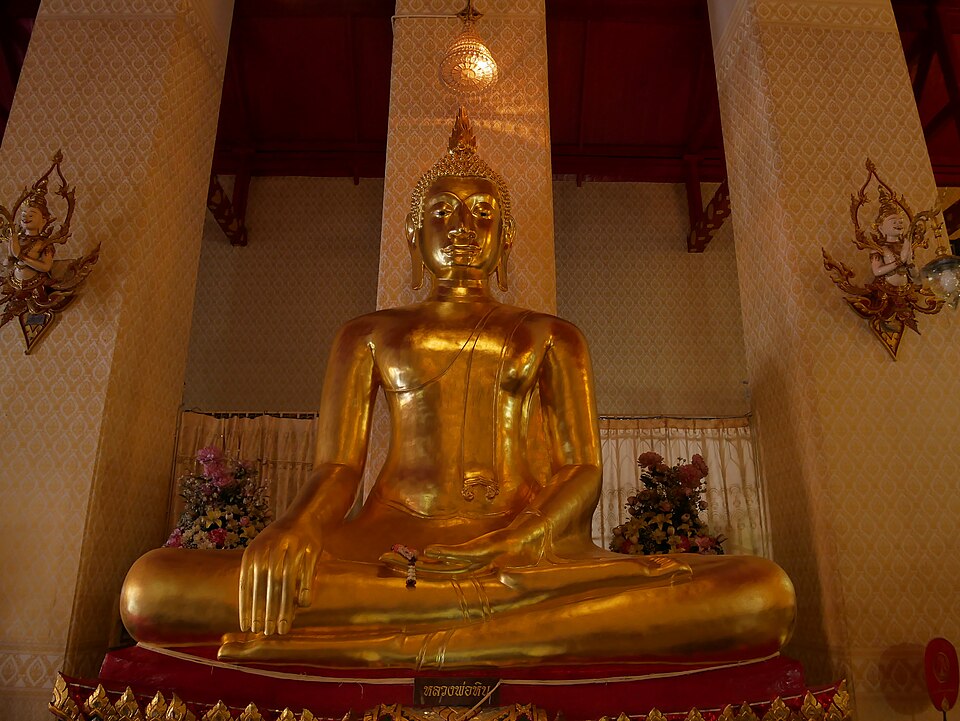
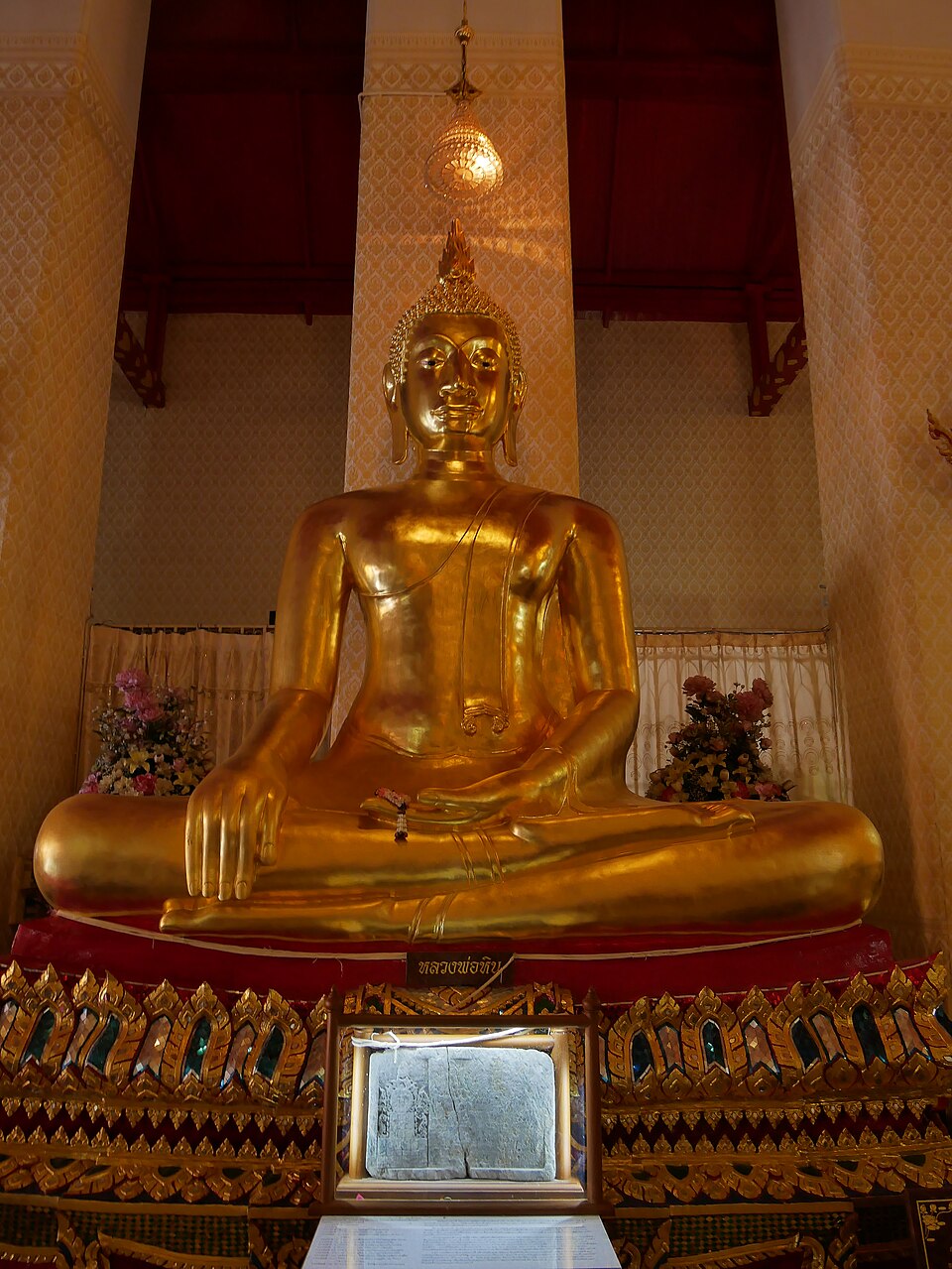
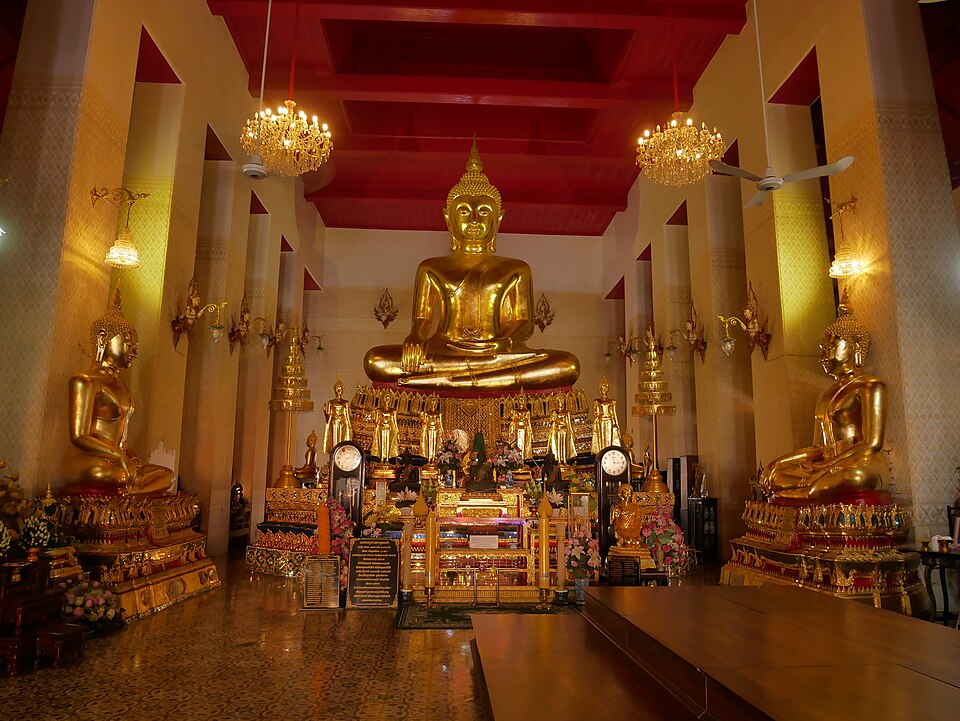
The compound is large, plain and busy, and it does not organise itself around a single spectacular object the way its neighbours do. The scale of the halls and the gallery of Buddha images give the architectural interest, but the reason to walk it slowly is the university: this is a working monastic campus, so the courtyards carry noticeboards, timetables and students in ochre, and the buildings are in continuous use rather than roped off. Section 5, the monastery's own vipassana office, occupies its own part of the compound and is the point of contact for meditation instruction — the section whose hours are the only ones the monastery publishes. Outside the compound wall on the river side, the Tha Phrachan amulet market fills the lanes with stalls of Buddhist amulets, and although it is not part of the temple it is inseparable from a visit; the trade exists here because of what the temple is. Set aside a few minutes for it, and treat the stalls as an ethnographic sight rather than a souvenir opportunity.
Checked 2026-08-25 · Source
Forty minutes covers the compound at a walking pace: the main halls, a circuit of the courtyards where the university's life is visible, and the Section 5 area. Add fifteen minutes if the amulet market outside the wall is included. The figure does not include a meditation session, which is a different kind of visit entirely and should be planned as its own commitment of hours rather than folded into a sightseeing morning. Nothing about visit length is published by the monastery, so forty minutes is editorial judgement, set deliberately shorter than a temple where an interior is the destination, because here the interest is spread across open ground.
Checked 2026-08-25
November to February for the season, which is the city's cool dry period rather than anything the temple publishes. For the hour, 08:00 — and unusually for this list that is anchored on a real published time, since Section 5 opens at 08:00 daily. The other argument for arriving then is the neighbourhood: the compound sits beside Sanam Luang and shares a boundary with the Grand Palace, whose crowd peaks in the late morning and spills into every lane around it, including the amulet market. Arriving at eight gives an hour of a functioning monastic campus before the surrounding streets fill. The compound as a whole publishes no opening hours of its own, so nothing here should be read as an operator statement beyond the Section 5 time itself.
Checked 2026-08-25 · Source
No admission fee is published for this temple, and no statement that entry is free is published either — neither the monastery's vipassana section site nor any other operator page addresses the question, so nothing has been recorded. The temple has no general website of its own; the domains that carry its name are either parked and for sale, or return errors, or do not resolve at all. In practice this is a working monastery attached to a university rather than a ticketed monument, so carry small notes for a donation box. Do not pay anyone who approaches outside the gate claiming to sell entry, and read the warning below before dealing with anyone offering to take you elsewhere instead.
Checked 2026-08-25
The temple stands on Maha Rat Road beside Sanam Luang, so it is an easy walk from the Grand Palace, from Wat Pho and from the Tha Chang and Tha Phrachan express-boat piers on the Chao Phraya. MRT Sanam Chai is about a kilometre to the south, which is the most reliable arrival in traffic: take the Blue Line and walk north. No car is needed, and driving into the lanes around Sanam Luang during a state occasion is a mistake. Because it is the least-visited major site in a very heavily visited few hundred metres, the practical advice is to sequence it first and let the Grand Palace follow, rather than the other way round when patience has already been spent.
Checked 2026-08-25
The lanes between this compound and the Grand Palace are the classic ground for the "it's closed today" approach: a well-dressed stranger intercepts a visitor near the gate, explains that the temple or the palace is shut for a ceremony, and offers a cheap tuk-tuk tour that terminates at a gem or tailor shop. It is a scam, it is persistent, and the correct response is to walk to the gate and check for yourself. Second, understand what is recorded: the 08:00 to 18:00 opening time on this page belongs to Section 5, the monastery's vipassana office, not to the compound as a whole, which publishes nothing; and the section's own page asks callers to telephone ahead. Third, this is a university, so lecture halls and dormitories are not sightseeing space — stay in the public courtyards. Fourth, the amulet market outside is a genuine trade with genuine prices and a visitor has no way to assess an amulet's value. Dress and conduct follow the standard Thai monastery rules set out on the Wat Ratchabophit page.
Checked 2026-08-25 · Source
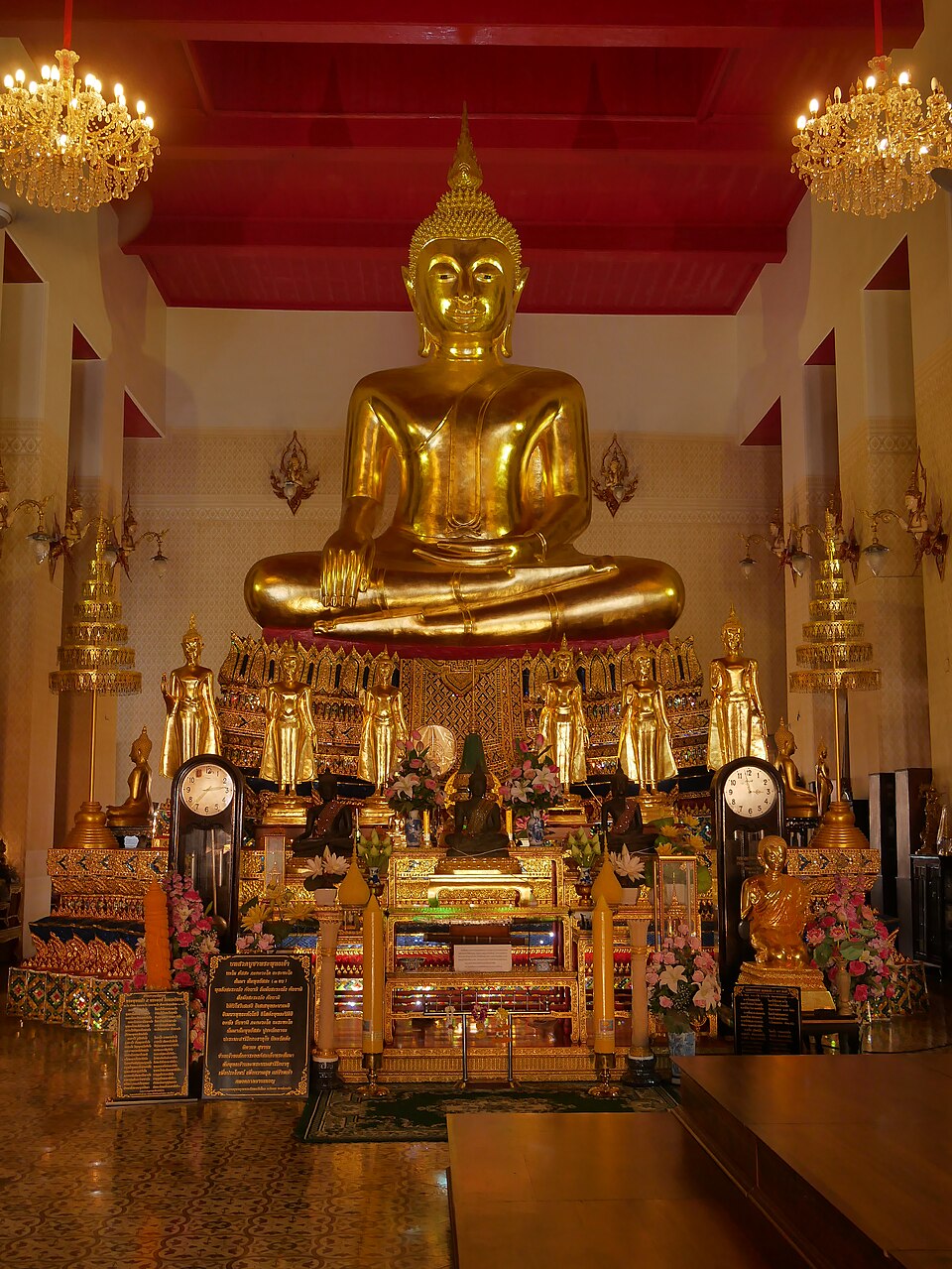
This is a people-and-place compound rather than a monument-and-sky one, and the photographs that work reflect that: ochre robes against plain plaster, students crossing a courtyard, the geometry of a gallery of Buddha images in raking morning light. The early hour recommended above is also the best light, because the courtyards are open and take hard shadow by mid-morning. Ask before photographing a monk and accept a refusal; never photograph inside a hall where instruction or chanting is under way, and keep out of the Section 5 rooms with a camera entirely unless invited. In the amulet market outside the wall, ask a stallholder before shooting a tray — the objects are religious and the trade is a serious one. No photography policy is published by the monastery, so the instruction given on the day governs.
Checked 2026-08-25
The temple as a whole publishes none — it has no website of its own, and the domains carrying its name are parked, unreachable or unresolved. The only published time that could be established is for Section 5, the monastery's own vipassana office, which lists 08:00 to 18:00 daily on its contact page and asks callers to telephone first. That time should be read as the meditation section's, not the compound's.
Section 5 is the monastery's own vipassana office and the point of contact for instruction; its contact page publishes 08:00 to 18:00 daily and explicitly asks people to telephone before coming. No schedule, course length or fee is published there, so none is stated here — ring first and ask. A meditation visit is a commitment of hours, not an addition to a sightseeing morning.
No fee is published by any operator source, and neither is a statement that entry is free, so nothing has been recorded. It functions as a working monastery and monastic university rather than a ticketed monument. Carry small notes for a donation box, and do not pay anyone outside the gate claiming to sell entry.
Almost certainly not. The approach — a stranger near the gate saying the temple or the Grand Palace is closed for a ceremony, followed by a cheap tuk-tuk tour — is a long-running Bangkok scam that ends at a gem or tailor shop. The lanes between this compound, Sanam Luang and the Grand Palace are its main ground. Walk to the gate and check for yourself.
Forty minutes for the compound: the main halls, a circuit of the courtyards where the university's life is visible, and the Section 5 area. Add about fifteen minutes for the Tha Phrachan amulet market in the lanes outside the wall. Nothing about duration is published by the monastery; 40 minutes is editorial judgement.
Mahachulalongkornrajavidyalaya University, the oldest institution of higher education for Thai monks, raised to first-class status in 1889. It is why the compound behaves like a campus rather than a monument, with classrooms, dormitories and students in ochre moving between buildings, and why it is quieter than its neighbours despite the location.
Loading the interactive map…
The interactive map could not be loaded.
Last updated:
Source: OpenStreetMap contributors, Wikidata ·