


3 min walk
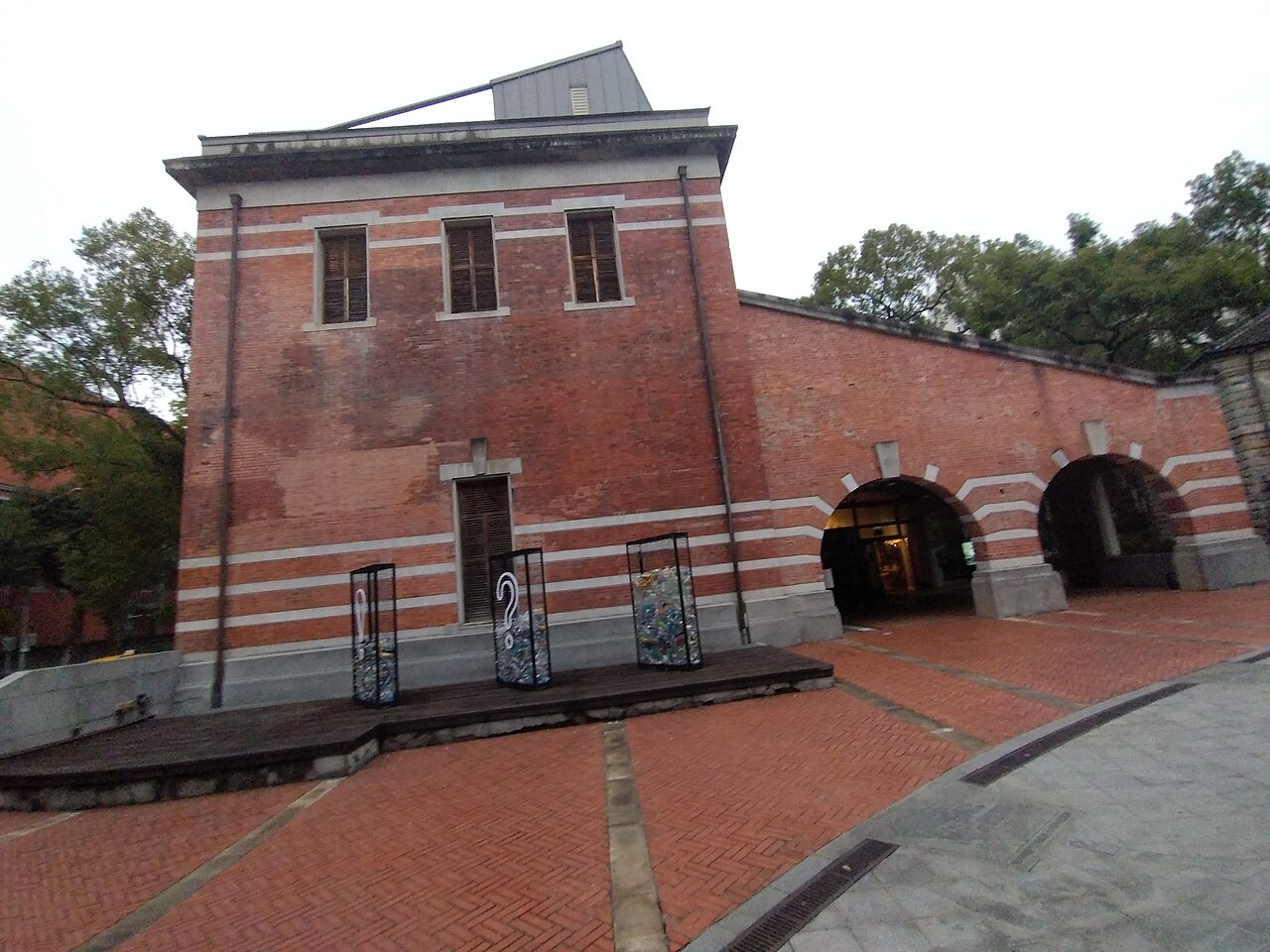
國立臺灣博物館 南門分館
- High
- Historic monument
Language · 11 published
Historic monument · Taipei
臺北府城南門
Reviewed by Elena Voss · SSMTour Travel Editor

It carries the country-level monument heritage designation.
South Gate of Taipei, also known as 臺北府城南門, is the principal southern gate associated with the former Taipei Prefecture walls. It remains a compact architectural landmark within central Taipei’s active street network, where its historic form stands beside modern roads, buildings, public transport, and everyday city movement. The gate is a visible threshold of the old walled city and a useful reference point for understanding Taipei’s historic geography. It is distinct from the nearby 小南門, or Little South Gate, helping visitors trace the former defensive layout through the modern capital. As a street-level monument reached from public sidewalks, it is experienced within the city rather than as an enclosed park attraction.
Checked 2026-09-02 · Source
The gate itself is the principal attraction. There is no attached museum, visitor centre, exhibition hall, ancillary building, or separate indoor programme associated with this monument. Approach from the surrounding public sidewalks and study the structure in relation to the streets around it. Notice the gateway’s proportions, masonry, opening, and position within the modern urban grid. Its interest comes from seeing a former defensive entrance embedded in everyday city circulation, with the surviving structure providing the historical focus rather than galleries or formal visitor facilities. The surrounding roads are part of the experience because they reveal how the old threshold functions in present-day Taipei.
Checked 2026-09-02 · Source
Allow roughly 20 to 30 minutes for a focused visit. This gives you time to reach a safe viewing position, see the gate from several angles, examine architectural details, and take photographs without reducing the stop to a rushed glance. Add time if you are comparing the main South Gate with 小南門 or linking it to other surviving traces of Taipei’s defensive heritage. Its compact scale makes it suitable for a central-city walking route with nearby streets, civic landmarks, and historic stops. Visitors who enjoy urban history may linger longer to observe how pedestrian movement, traffic, and the monument share the same setting.
Checked 2026-09-02 · Source

Daylight is the best choice for understanding the gate’s architectural details and photographing its relationship with the surrounding streets. Morning can provide a calmer exterior viewing experience before central Taipei’s traffic and pedestrian movement become more intense. Late afternoon may bring more textured light across the masonry and a stronger contrast between the historic structure and the modern city around it. The monument is exposed within an urban setting, so rain and strong sun can affect comfort. Evening visibility depends on ordinary street lighting, with no dedicated illumination programme described. Choose a quieter period if you want to study the gate without interrupting local movement.
Checked 2026-09-02 · Source
South Gate of Taipei is an exterior public-space viewing stop rather than a timed attraction with a ticket desk. The visit centres on seeing the gate from surrounding public sidewalks and understanding its place in the former walled-city landscape. No admission price is stated for the monument, so there is no ticket amount to budget for this POI. Nearby commercial activity, transport fares, or admission charges at other attractions are separate from viewing the South Gate. Plan for a short self-guided stop focused on the visible structure and its urban setting.
Checked 2026-09-02 · Source
The South Gate stands within central Taipei’s established urban grid. Taipei Metro and local buses serve the surrounding district, followed by a walking approach from a nearby stop. Taxis and ride-hailing services can also leave visitors close to the street-level monument. Arriving on foot makes the gate easier to understand as part of the former walled-city landscape rather than as an isolated park entrance. Follow marked sidewalks, allow time for safe crossings on active roads, and expect traffic, buildings, and regular pedestrian movement around the historic structure. A walking approach lets you see the gate’s relationship with the surrounding city before reaching a viewing position.
Checked 2026-09-02 · Source
This is an urban roadside heritage stop, so traffic, cyclists, weather, and uneven convenience along the approach matter more than queues or indoor crowding. Stay on marked sidewalks and established pedestrian areas, keep clear of the carriageway, and do not climb, lean on, or touch vulnerable historic fabric. The monument offers little shelter from rain or direct sun. Avoid blocking pedestrian flow while photographing and take extra care at crossings during busy periods. Keep the visit observational and respect the structure’s place in an active public street environment. The exposed setting rewards practical footwear and weather protection.
Checked 2026-09-02 · Source

Photograph the South Gate as both an architectural object and a surviving threshold in Taipei’s modern city. Begin with a wider composition placing the gate among the roads, buildings, and pedestrian spaces of central Taipei; this communicates its former role within the walled city. Then make tighter views of the masonry, proportions, opening, and details that distinguish the principal South Gate from 小南門. Morning or late-afternoon light may reveal more texture than flat midday light. Work from safe public areas, watch traffic, and never step into the roadway for a clearer angle. Include enough surrounding city to show the monument’s setting, then move closer only where public circulation allows.
Checked 2026-09-02 · Source
No. South Gate of Taipei is a street-level monument integrated into Taipei’s urban infrastructure and approached from surrounding public sidewalks, rather than a park or enclosed visitor complex.
No attached museum, visitor centre, exhibition space, or ancillary building is associated with this visit. The gate itself is the principal feature, so expect an exterior architectural and historical experience rather than indoor displays.
The archway’s current pedestrian passability is not confirmed. Treat South Gate of Taipei primarily as an exterior monument; passing through the opening is not confirmed as permitted.
No official guided-tour service for this specific gate is documented. Plan for a self-guided exterior visit, with the structure and its urban setting providing the main interpretive context.
Night-time illumination is not confirmed. Evening visibility depends on ambient street lighting, with no dedicated lighting programme described for this POI.
South Gate of Taipei is one of the surviving gates from the former Taipei Prefecture walls. It is the main South Gate, distinct from the nearby 小南門, or Little South Gate, and forms part of Taipei’s distributed defensive heritage.
Loading the interactive map…
The interactive map could not be loaded.

Last updated:
Source: OpenStreetMap contributors, Wikidata ·