


7 min walk
Sun Yun-suan Memorial Museum
- High
- Museum
Language · 11 published
Historic monument · Taipei
臺北府城小南門
Reviewed by Elena Voss · SSMTour Travel Editor

It carries the country-level monument heritage designation.
Xiaonanmen is a preserved gate from old Taipei’s Qing-era city wall, known in Chinese as 臺北府城小南門. It gives a compact, highly visible glimpse of the fortified city that once shaped this part of Taipei. The gate is best understood as an architectural remnant within the modern streetscape: its historic form stands beside present-day roads and buildings, making the contrast between imperial-era planning and contemporary city life easy to see. It suits travelers who enjoy heritage landmarks, urban history, and short stops that add context to a walking day. Rather than a large attraction complex, Xiaonanmen is a single monument whose appeal comes from its surviving structure and its place in Taipei’s historical landscape.
Checked 2026-08-26 · Source
The main sight is the gate itself: a traditional Chinese city gate with a substantial masonry structure and an arched passage. There is no described museum interior, exhibition hall, or collection to work through, so the visit focuses on the monument’s proportions, materials, roofline, openings, and relationship to the surrounding public space. Look closely at how the historic gateway is framed by the active city around it. The site works particularly well for travelers who prefer tangible history over interpretive displays. Its small scale also makes it easy to pair with nearby streets and other heritage sights during a broader exploration of old Taipei.
Checked 2026-08-26 · Source
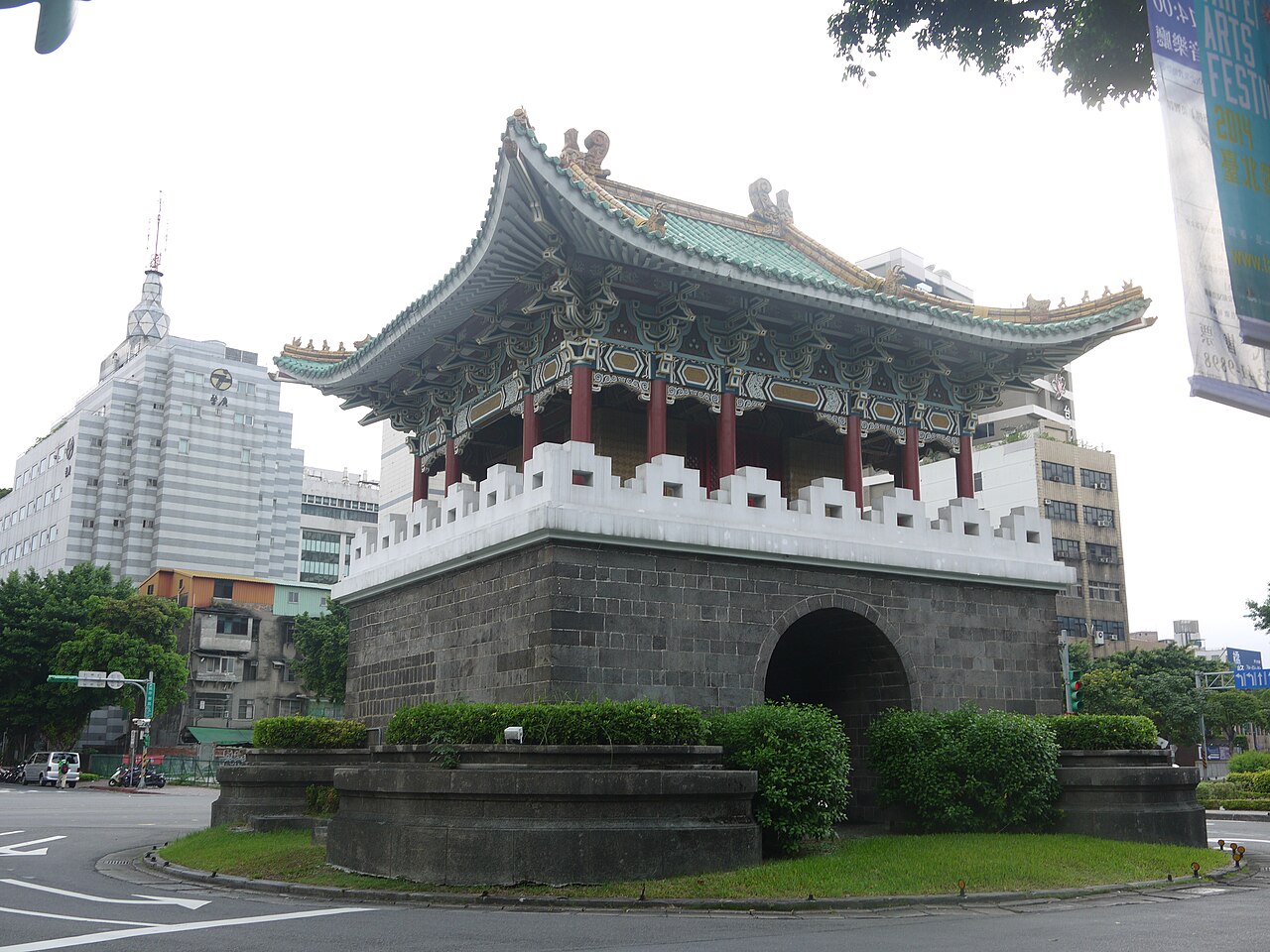
Allow about fifteen to thirty minutes for a focused visit. That is enough time to view the gate from different angles, study its architectural details, and take photographs without turning the stop into a rushed glance from the pavement. Travelers with a strong interest in defensive architecture or Taipei’s urban history may linger longer to observe the monument in relation to nearby roads and buildings. Xiaonanmen is most useful as one element in a walking itinerary, especially when the day already includes other historic places. Its compact footprint means you can fit it between longer museum visits, meals, or neighborhood walks.
Checked 2026-08-26 · Source
Because Xiaonanmen is an outdoor urban monument, the quality of the visit depends on daylight, weather, and the movement of traffic around it. Taipei’s summers can feel hot and humid, while cooler months are often more comfortable for walking. Morning or late afternoon can give the stonework more dimensional light and may make a short photographic stop more pleasant. Visit as part of a daytime heritage walk when the surrounding streets are active and the gate can be read in its urban setting. Carry protection from rain or sun when the forecast calls for it, since the monument itself offers limited shelter.
Checked 2026-08-26 · Source
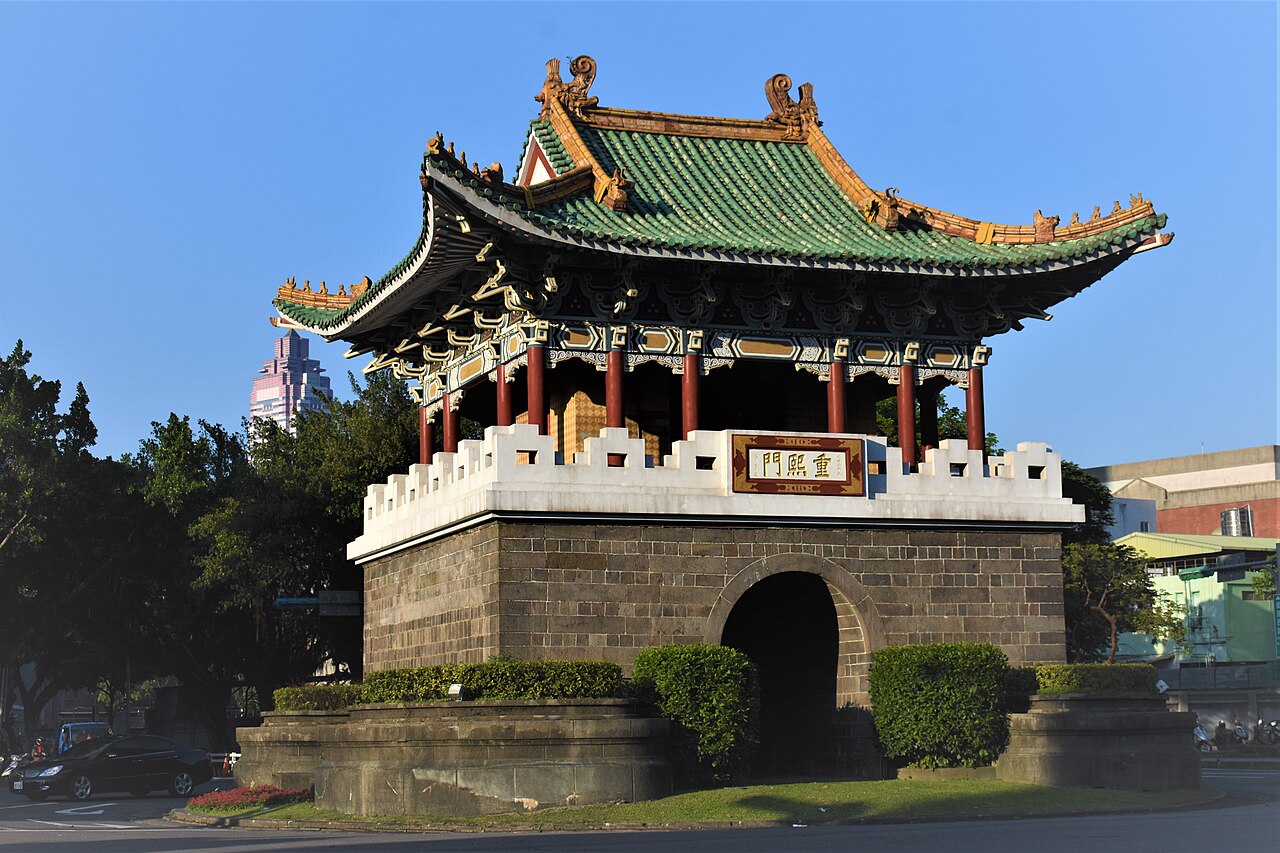
Xiaonanmen is presented as a preserved historical monument in public urban space, rather than as a ticketed museum or enclosed attraction. Plan for a brief exterior visit centered on viewing the gate and its architectural details. It is therefore a convenient addition to a Taipei walking route, particularly for travelers who want to see a surviving city-wall feature without committing to a long attraction visit. Keep the stop flexible alongside other nearby plans.
Checked 2026-08-26 · Source
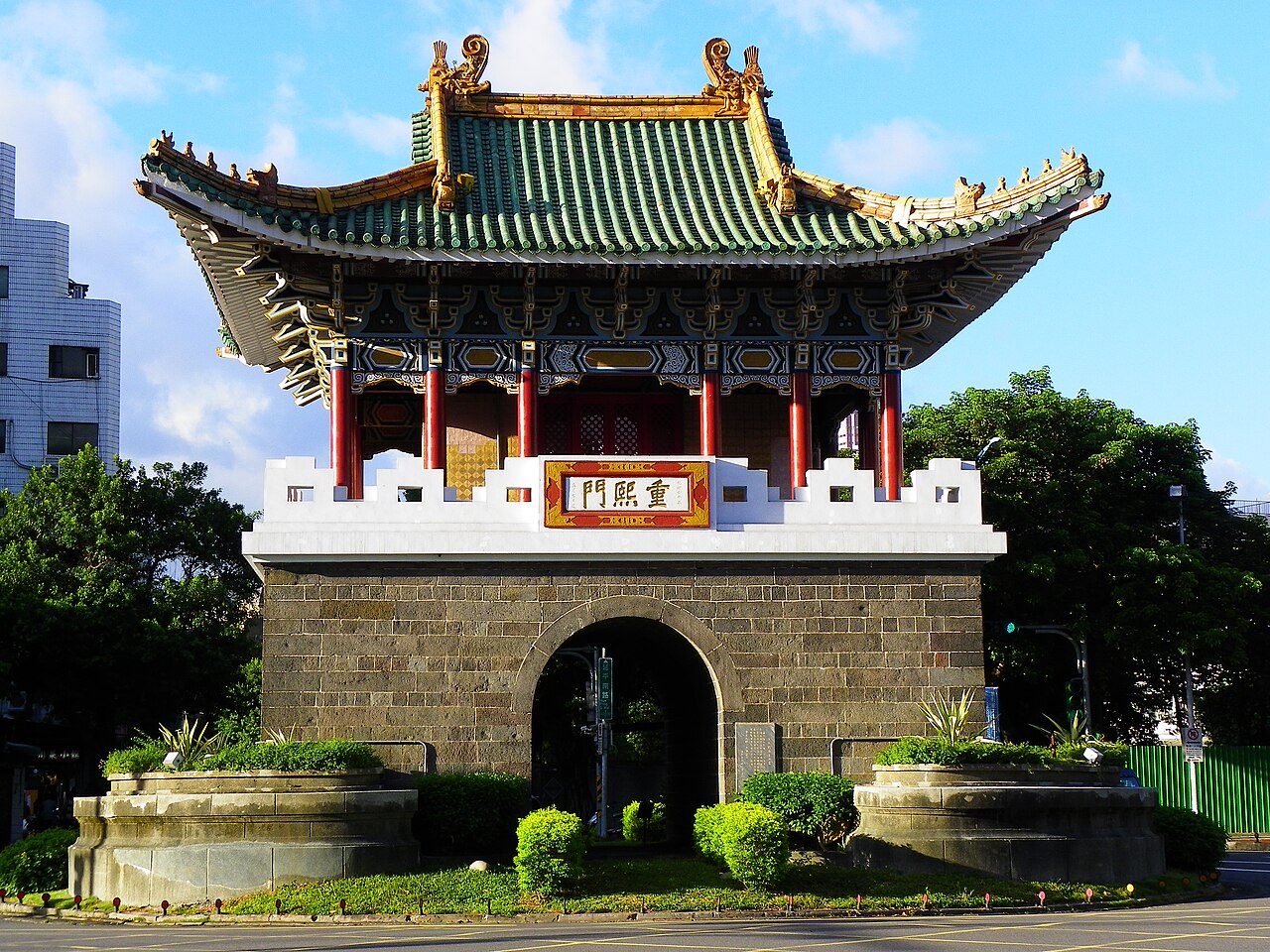
Xiaonanmen sits within Taipei’s central urban fabric, where the city’s metro, buses, pavements, and busy roads shape the approach. Use the gate’s Chinese name, 臺北府城小南門, when matching the destination in local maps or asking for directions. The monument is particularly practical to reach on foot from other historical parts of central Taipei, letting you experience the changing streetscape rather than treating it as an isolated excursion. As you approach, allow time to cross roads carefully and to find a position with a clear view. A navigation app can guide the final street-level approach from your chosen starting point.
Checked 2026-08-26 · Source
Xiaonanmen is integrated into an active city environment, so traffic, scooters, bicycles, and passing pedestrians are part of the experience. Stay on public pedestrian areas and keep clear of moving vehicles while viewing or photographing the gate. Do not climb on the historic structure or place hands on vulnerable masonry. Rain and strong sun can make the exposed setting less comfortable, and there is little shelter directly at the monument. Treat the gate as a protected heritage feature, keep the visit considerate, and avoid blocking pedestrian movement when stopping for photographs.
Checked 2026-08-26 · Source

Xiaonanmen is especially photogenic because its historic gateway is set against Taipei’s modern streetscape. Use a wider composition to show the gate together with surrounding buildings, roads, and everyday city movement; move closer for masonry, roof, and arch details. Morning and late-afternoon light can emphasize texture and depth, while a viewpoint from across the street may clarify the whole form. Keep yourself and your equipment away from traffic lanes, and avoid stopping where you obstruct pedestrians. The monument’s modest scale rewards careful framing that shows why this surviving gate matters within Taipei’s larger urban history.
Checked 2026-08-26 · Source
Xiaonanmen is a preserved Qing-era gate from Taipei’s former city wall. It is a compact outdoor heritage landmark where travelers can see historic defensive architecture within the modern city.
The visit centers on the surviving gate structure, including its masonry, traditional form, arched passage, roofline, and relationship to the surrounding streets. It is a monument-focused stop rather than a museum visit.
Plan for roughly fifteen to thirty minutes. Travelers interested in architecture or Taipei’s fortified past may stay longer to study details and photograph the gate from several angles.
Yes. Its compact scale makes it easy to combine with other historical streets, landmarks, meals, or museum visits in central Taipei. The surrounding modern city helps place the surviving gate in context.
Bring comfortable walking shoes and protection from Taipei’s sun or rain. The monument is outdoors and offers limited shelter, so weather can affect comfort during the stop.
Frame the gate with the surrounding city to show the contrast between historic architecture and modern Taipei. A closer view highlights the masonry and arch, while a wider view explains the monument’s urban setting.
Loading the interactive map…
The interactive map could not be loaded.


Last updated:
Source: OpenStreetMap contributors, Wikidata ·