


1 min walk
Bukchon Art Museum
- High
- Art and culture venue
Language · 1 published
Historic monument · Seoul
가회동백인제가옥
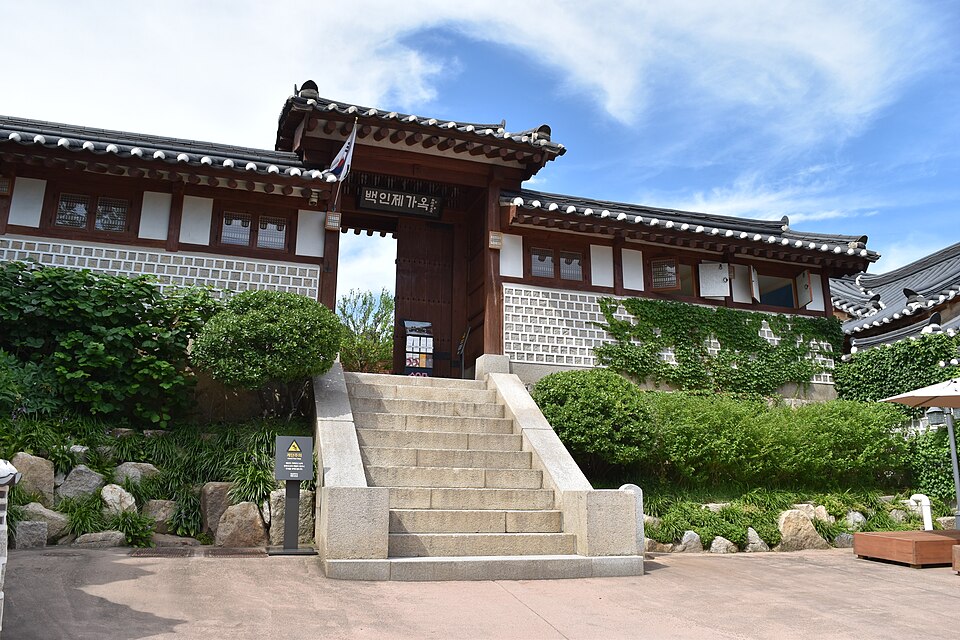
Baek Inje House is a historic Korean residence located in the Gahoe-dong neighborhood of Jongno-gu, Seoul. The property represents traditional Korean architectural heritage within the Bukchon Hanok Village area, a district known for preserving clusters of hanok, the conventional Korean house style. The house bears the name of Baek Inje, a figure associated with its history. As a designated cultural property, it contributes to the understanding of domestic architecture and upper-class residential life during the Joseon period and subsequent eras. The structure exemplifies the refined construction techniques and spatial organization characteristic of well-preserved hanok compounds.
Checked 2026-08-26
The interior of Baek Inje House follows the typical layout of a traditional hanok, with wooden beam construction, ondol underfloor heating, and maru wooden-floored sections. The compound likely includes an anchae inner quarters, sarangchae men's quarters, and possibly a byeoldang detached structure, though specific room configurations are not recorded. Gardens and courtyard spaces would traditionally accompany the built structures, providing transitional areas between interior and exterior. Decorative elements may include wooden latticework, papered windows, and ceramic roof tiles. The preservation status suggests original materials and construction methods remain visible to visitors interested in traditional Korean building crafts.
Checked 2026-08-26
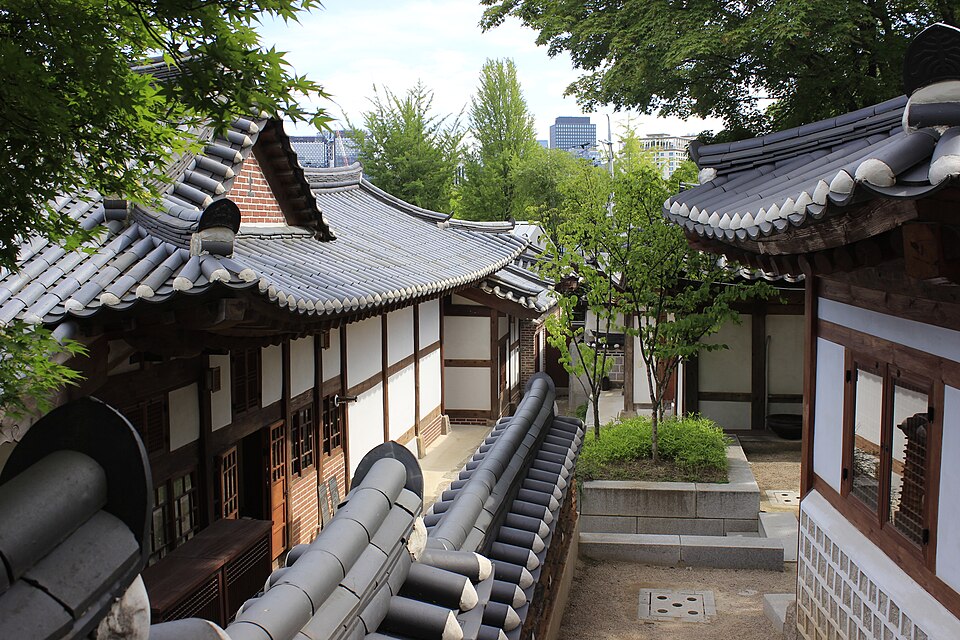
Visitors should allocate time appropriate to a traditional residential property of moderate scale. A thorough examination of the exterior architecture, courtyard spaces, and any accessible interior rooms would typically require between thirty minutes and one hour. Those with particular interest in Korean architectural history, construction techniques, or comparative hanok study may wish to extend their visit. The surrounding Bukchon Hanok Village offers numerous additional heritage properties, allowing visitors to combine multiple sites into a longer walking itinerary. Self-guided observation at a respectful pace suits this type of cultural property, with no recorded guided tour duration available.
Checked 2026-08-26
Operator-confirmed hours are Not recorded pending review. Visitors should verify current opening schedules through official Seoul tourism channels or municipal heritage management contacts before planning their visit. Seasonal considerations for outdoor architectural viewing in Seoul include spring cherry blossom periods and autumn foliage, though these bring increased tourist density throughout Bukchon. Summer months involve heat and humidity that may affect comfort during extended walking. Winter visits offer clearer atmospheric conditions but require appropriate cold-weather preparation. Weekday mornings potentially provide quieter conditions than weekends, when the broader Bukchon area experiences substantial visitor traffic.
Checked 2026-08-26

Operator-confirmed prices are Not recorded pending review. Entrance policies for designated heritage properties in Seoul vary considerably, with some municipal sites offering free admission and others requiring modest fees. Visitors should confirm current admission requirements through official sources prior to arrival. Certain Korean cultural properties implement free-entry days or discounted periods for specific visitor categories, though such programs are not confirmed for this specific site. Group visit arrangements, if desired, would require advance inquiry. Any photography permits or special access fees would need separate verification from heritage management authorities responsible for the property.
Checked 2026-08-26

Baek Inje House occupies a position within Gahoe-dong in the Bukchon Hanok Village district of Jongno-gu. Access from Anguk Station on Seoul Subway Line 3 provides the most direct public transit connection, with walking distance through the hanok village streets from the station exits. The area's narrow lanes and hillside topography make walking the necessary final approach; vehicle access is restricted throughout much of Bukchon. Visitors should consult current navigation applications or official Seoul tourism maps for precise routing, as the dense traditional street pattern can challenge first-time navigation. Comfortable walking footwear is advisable given the uneven surfaces and inclines.
Checked 2026-08-26
The residential character of Bukchon Hanok Village requires visitors to maintain appropriate noise levels and respect the privacy of residents in surrounding properties. Many hanok remain active private homes, not museum exhibits. The narrow alleyways and stepped pathways present tripping hazards, particularly in low light or adverse weather conditions. Some traditional surfaces may be slippery when wet. Photography of private residences and their occupants is intrusive and discouraged. Visitors should follow any posted guidance at the property itself and remain on designated accessible areas rather than entering restricted portions of the compound without authorization.
Checked 2026-08-26

Photography policies at Baek Inje House are not recorded; visitors should observe posted signage upon arrival or inquire with any on-site staff regarding permitted camera use. The architectural features of traditional hanok construction offer substantial photographic interest, including rooflines, wooden joinery, courtyard perspectives, and material textures. Natural lighting conditions vary significantly across seasons and times of day, affecting interior visibility through open doorways. Tripod use may be restricted in confined spaces or require special permission. Drone operation would be subject to Korean aviation regulations and local restrictions within the dense residential neighborhood. Respect for neighboring private properties must govern all photographic activity.
Checked 2026-08-26
Operator-confirmed hours are Not recorded pending review. Visitors must verify current accessibility through official Seoul heritage or tourism channels before visiting.
Operator-confirmed prices are Not recorded pending review. Admission policies should be confirmed through official municipal sources prior to arrival.
As a designated heritage property, it represents preserved traditional residential architecture, though specific comparative distinctions are not recorded in available sources.
Guided tour availability is not recorded. Visitors should inquire with Seoul heritage management or tourism offices for current programming.
Specific interior access policies are not recorded. Visitors should observe posted restrictions and staff guidance upon arrival.
The traditional hanok construction and Bukchon hillside topography present inherent accessibility challenges. Specific accommodations are not recorded.
Loading the interactive map…
The interactive map could not be loaded.
Last updated:
Source: OpenStreetMap contributors, Wikidata ·