Ičko's House at 18 Bežanijska street in Zemun is one of the oldest surviving town houses in the Belgrade area, built in 1793 in a plain Classical style — and it takes its name from a diplomat who hid there in exile rather than from whoever actually built it.
Petar Ičko was a merchant and translator from Ottoman Macedonia who had spent years working as a go-between for Ottoman delegations in Vienna and Berlin. His friend Hadji Mustafa Pasha, the vizier of Belgrade, was murdered by the renegade Janissaries known as the Dahije on 15 December 1801, and Ičko fled across the river to Habsburg-ruled Zemun, staying in this house from 1802 to 1803 while the Pashalik fell under Dahije control.
From that exile he became an adviser to the Serbian rebel leadership under Karađorđe. The Smederevo Assembly of May 1805 sent him to Constantinople as its representative, and he returned with a peace settlement the Porte granted the rebels — remembered as Ičko's Peace, short-lived but the first formal recognition the uprising won. He came back to Belgrade as an honorary citizen and died there on 5 May 1808, probably poisoned.
His son Naum Ičko went on to open Belgrade's Question Mark tavern in 1823, a restaurant still trading today; the father's house in Zemun is the one that survives under his name.
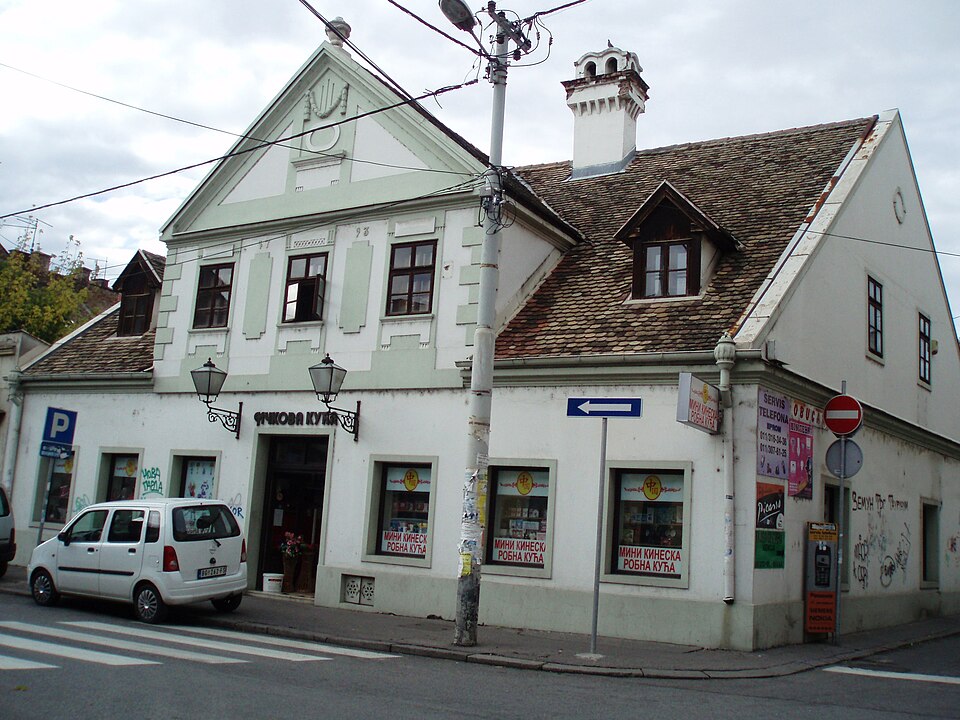
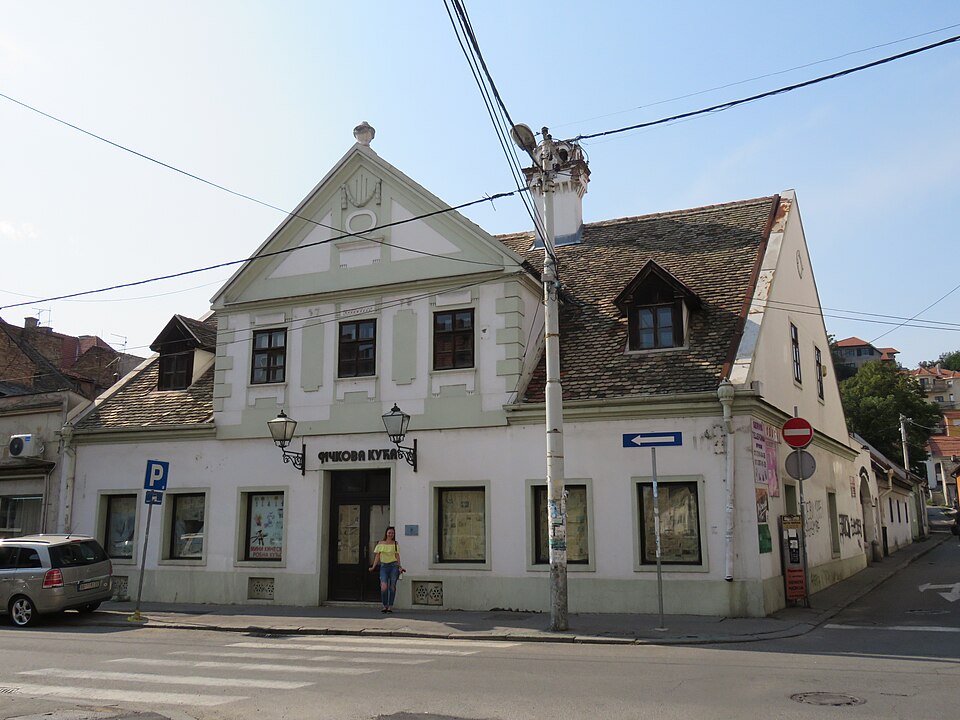
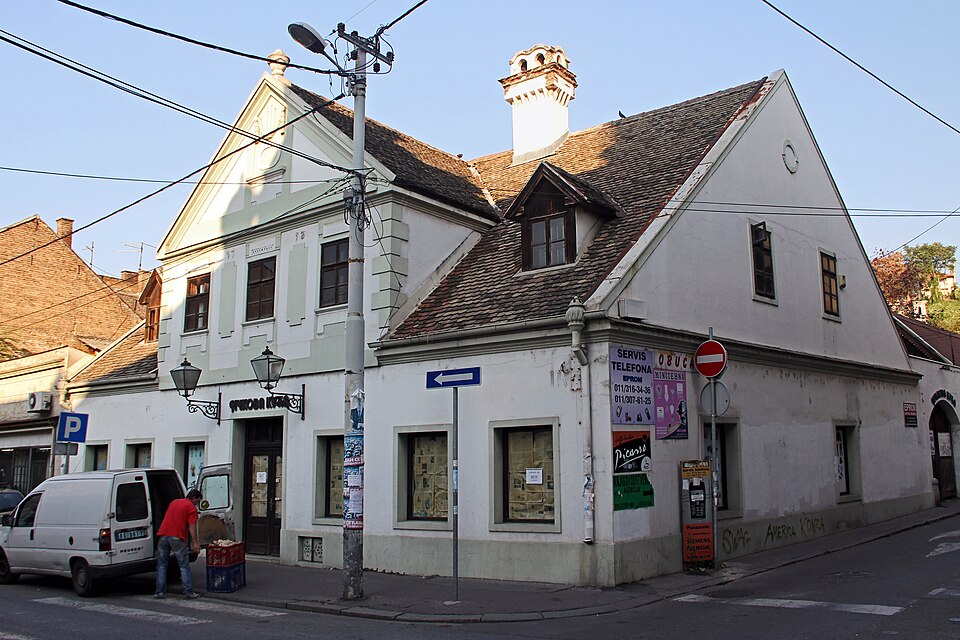
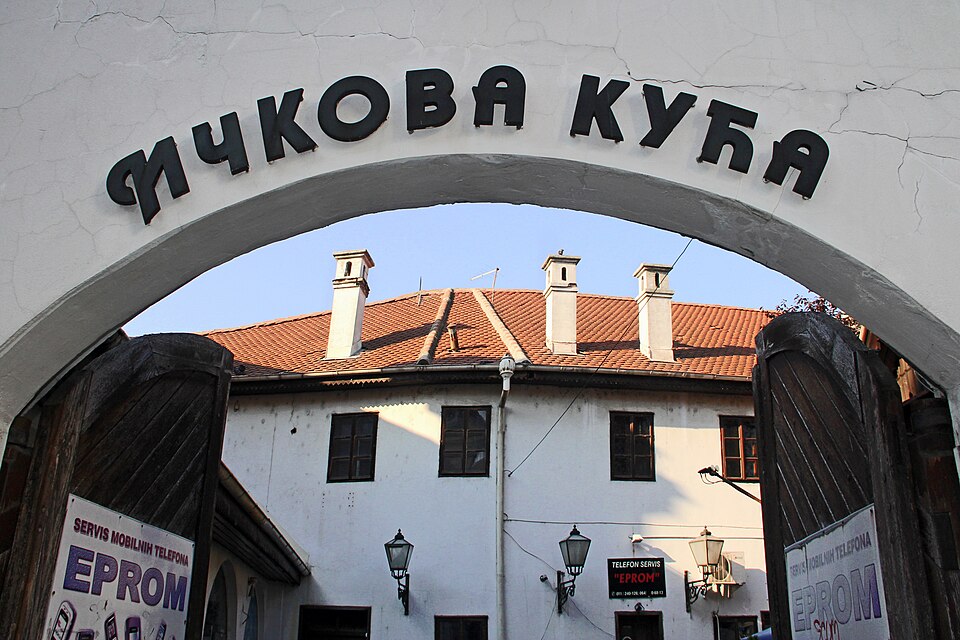
The building holds a basement, a ground floor and a partial upper floor tucked under a steep gable roof with dormer windows — a modest, functional shape rather than a grand one. The ground floor once held a tavern called Marko Kraljević, while the floor above was used as living quarters.
Architecturally it is valued less for any single ornamental feature than for being a largely intact example of an ordinary late-eighteenth-century town house in this part of the Balkans, from a period when very few such buildings survive at all — most of Belgrade's own housing stock from before the nineteenth century has been rebuilt, burned or demolished.
Fifteen to twenty minutes covers the exterior at an unhurried pace — the gable roof, the dormers and the proportions of a two-hundred-year-old town house against its later Zemun neighbours. No interior museum display is recorded here, so there is no room-by-room route to allow time for; this is a stop on a walk through Zemun's older streets rather than a destination that fills an afternoon on its own.
Not recorded. As a private or administratively held heritage building rather than a museum with published hours, there is no recommended time of day or season on record. Daylight for photographing the gable roof and dormers is the only practical consideration, and a weekday visit avoids the busier weekend foot traffic on Zemun's older streets nearby.
Not recorded. No museum operation, admission fee or ticketed access to the interior is documented here, and none should be assumed simply because the building carries protected-monument status — protection and public access are two different things, and this page only states what it can confirm.
The house stands at 18 Bežanijska street in Zemun, the Danube-side district that was part of the Austro-Hungarian Empire until 1918 rather than the Ottoman-ruled Belgrade across the river — a fact that also explains why a Belgrade merchant in political trouble fled specifically to Zemun rather than anywhere else nearby. It sits within walking distance of Zemun's old town centre and its riverside quay.
There is no public interior to walk through as far as this page can confirm — treat a visit as viewing a protected exterior on a residential Zemun street, not as entering a house museum. Nothing here documents a photography restriction, an entry fee, or opening hours, and none should be assumed. The building sits among later houses on the same street, so it is easy to walk past the address without registering which one is the two-hundred-year-old survivor.
The gable roof with its dormer windows is the most distinctive exterior feature, best read from across the street rather than close against the facade, where the steep pitch and the dormers disappear from view. No restriction on photographing the exterior is recorded, and the building's plain street-level frontage means the roofline is the part worth the extra step back.
Because he took refuge there from 1802 to 1803, after fleeing Belgrade when the Dahije murdered his friend Hadji Mustafa Pasha and seized control of the city.
What was Ičko's Peace?
A peace settlement Petar Ičko negotiated with the Ottoman Porte in 1806, on behalf of the Serbian rebels of the First Serbian Uprising, following his 1805 mission to Constantinople.
When was the house built?
In 1793, in a plain Classical style.
Can the interior be visited?
Not recorded — no museum operation or public interior access is documented here.
What did the ground floor originally hold?
A tavern called Marko Kraljević; the floor above was used as housing.
What happened to Petar Ičko after he negotiated the peace?
He returned to Belgrade as an honorary citizen and died there on 5 May 1808, probably poisoned.
Nothing non-essential is set before you choose, in regions where consent is required. If you decline, ads still appear but they are non-personalised, and analytics is switched off entirely.


.JPG)


.jpg)
.jpg)