
01
1 hr 30 min
Masmak Fort
قلعة المصمك
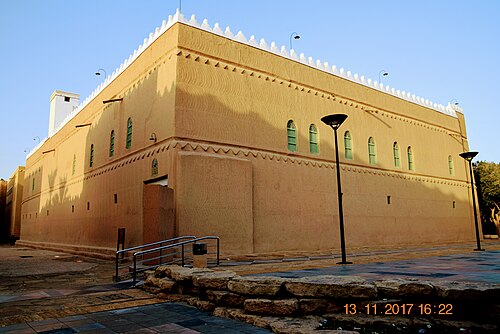
Al Masmak Palace, known locally as Qasr al-Masmak, is a clay and mud-brick fortress in central Riyadh.
- Must see
- Museum
Language · 11 published
City guide · Saudi Arabia
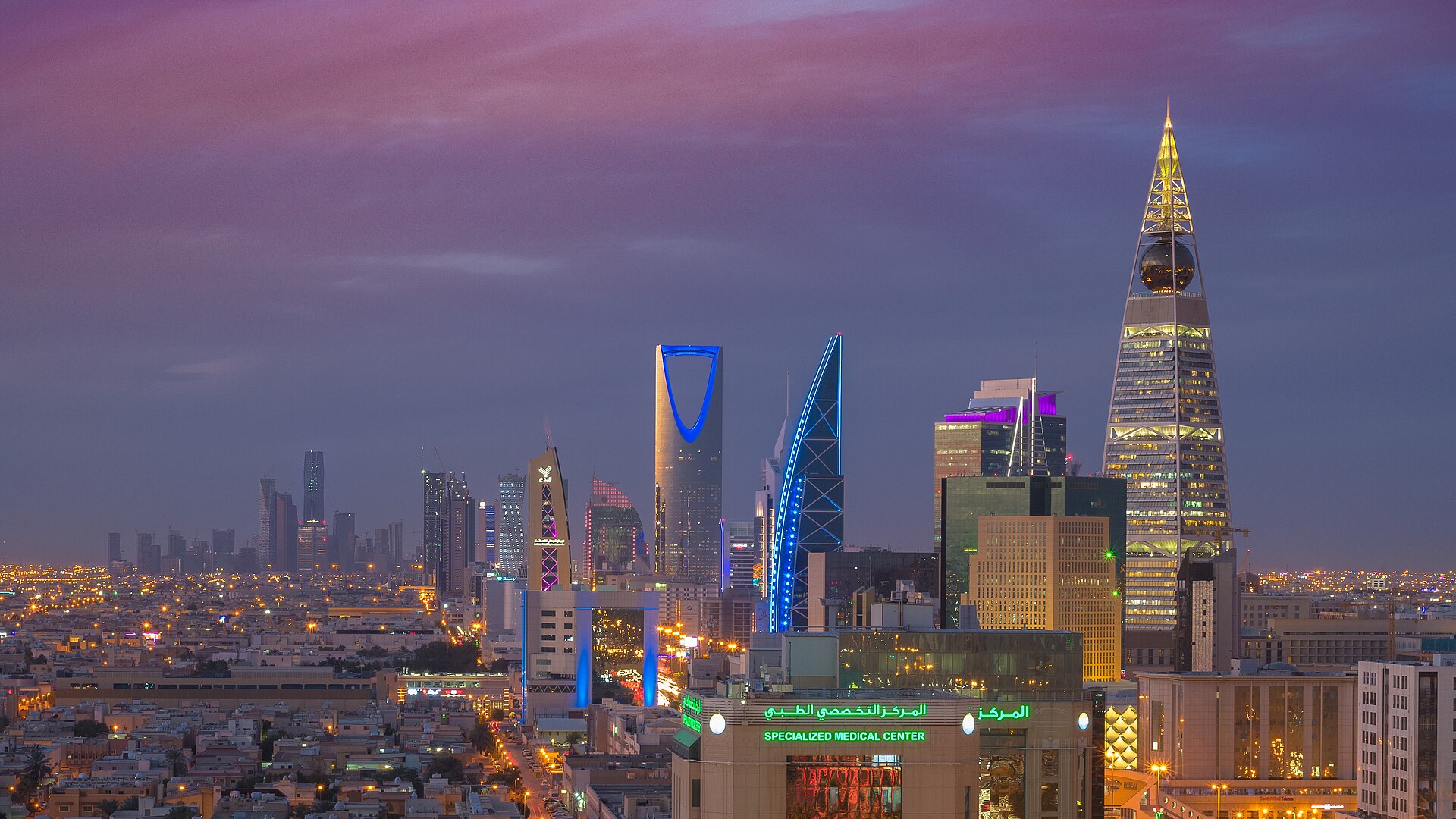
Riyadh is a broad inland capital with historic, cultural and business districts separated by long urban corridors. Qasr Al Hukm and Al Masmak define the old central core; the National Museum and King Abdulaziz Historical Centre form a nearby cultural cluster. Olaya and the Kingdom Centre run north through the modern city, while KAFD and Diriyah sit farther northwest. Build each day around one corridor rather than crossing the capital repeatedly.
Set your days, your pace and the hours you actually want to be out. The planner works around closing days and travel time, and leaves room to eat.
Ranked by importance — sitelinks, pageviews and heritage status, not editor preference.
25 places match
Category
Typical visit duration
قلعة المصمك
Al Masmak Palace, known locally as Qasr al-Masmak, is a clay and mud-brick fortress in central Riyadh.
قصر المربع
Murabba Historical Palace is a restored royal palace in Riyadh, Saudi Arabia. Built in the early twentieth century, it served as a residence for King Abdulaziz, the founder of the modern Saudi state.

دروازة الثميري
Al Thumairi Gate, known locally as بوابة الثميري, stands as a historic entry point within Riyadh's urban fabric. The structure represents part of the defensive architecture that once defined the old city boundaries.
Sakr al Jazeera Aviation Museum
مقبرة العود
آبار الغويرة
ابار الحفائر
ابار الجافية
ابار لبجة
آبار رملان
ابار رميلين
ابار سعد
الأدرينا-لاين
مُلتقى المغامرات
حي الغصيبة
أميرة البُحيرة
أكواتوبيا
الخيول العربية
الزمامية
الزويدية
بئر الجفر
Source: OpenStreetMap contributors, Wikidata ·
Old Riyadh centres on Qasr Al Hukm, Al Masmak and Al Zal Market. The National Museum lies north of this core in the King Abdulaziz Historical Centre. Olaya Road forms the principal modern spine through towers, hotels and shopping areas. KAFD occupies a newer northern district, while the Diplomatic Quarter and historic Diriyah lie west and northwest. Desert-edge destinations such as Wadi Hanifah or Jebel Fihrayn require separate road planning outside the central visitor grid.
Checked 2026-08-26
Use Riyadh Metro and the integrated bus network for journeys that align with their routes, then use a taxi or other regulated road transport for destinations beyond convenient stations. Riyadh Municipality describes the public transport project as an integrated train-and-bus network, while official journey tools handle route planning and tickets. Distances and summer heat make long cross-city walks impractical; walking is best reserved for individual heritage, museum or business clusters.
Checked 2026-08-26
No fixed stay length is recorded. Plan separate blocks for Old Riyadh, the National Museum area, Olaya, KAFD or Diriyah, then add any desert-edge excursion independently.
Walking works inside Qasr Al Hukm, a museum complex or another defined cluster. The city's major districts are too dispersed for a continuous sightseeing walk.
Yes. Riyadh Municipality describes an integrated metro and bus network developed under the King Abdulaziz Public Transport Project.
Al Masmak, Qasr Al Hukm and Al Zal Market form the old-city cluster. The National Museum and King Abdulaziz Historical Centre belong to another nearby cultural block.
No. Historic Diriyah lies northwest of the central core and deserves a planned journey rather than an improvised extension of an Olaya or downtown walk.