Central Market of Lima
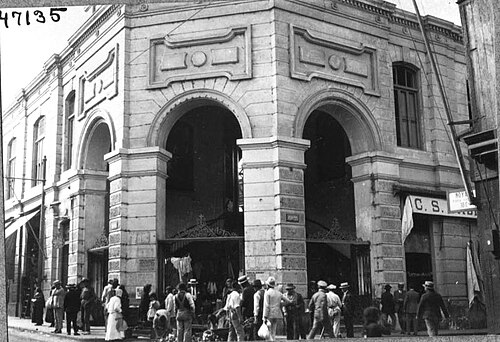
The Central Market of Lima, known locally as Mercado Central de Lima, stands in the historic centre of Peru's capital. It functions as a major municipal food market serving everyday commerce.
- Must see
- Market
- Lima
Language · 11 published
Country guide
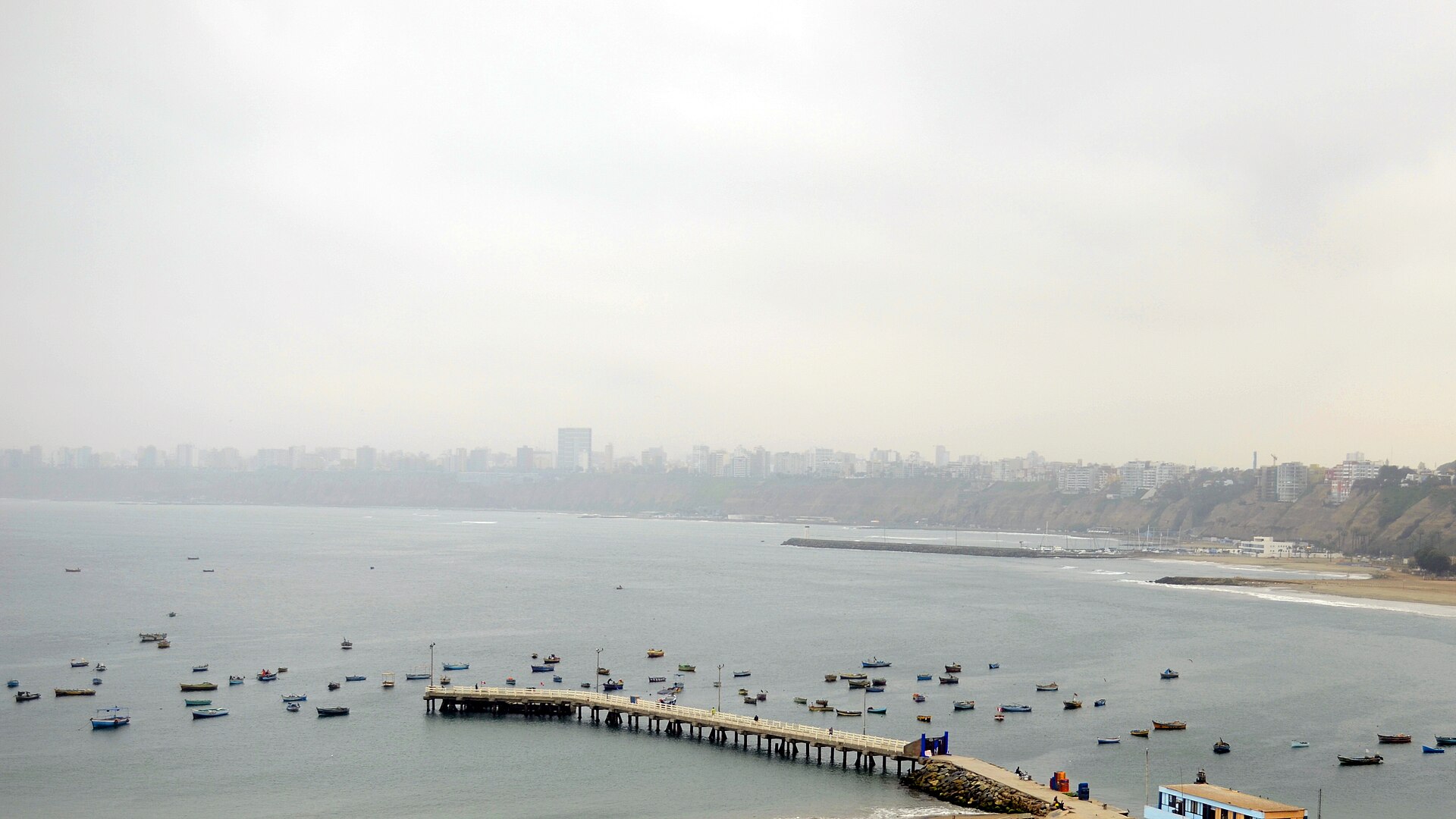
Peru is 1,285,216 square kilometres arranged in three long bands: an arid Pacific coast, the Andes behind it, and Amazon rainforest east of the mountains. Which band a city sits in decides nearly everything about visiting it — Lima, the capital, is a coastal city under grey winter cloud, Cusco sits high enough in the Andes to cost a first day doing nothing, and Iquitos in the rainforest has no road connecting it to the rest of the country. It is the third largest country in South America. The distances between those three worlds are why itineraries here are counted in flights rather than in bus rides.
Every city catalogued in this country so far, ranked by how much there is to see.
Photograph · Corminos · CC BY-SA 3.0
Photograph · gertrudis2010 · CC BY-SA 3.0
Ranked by importance — sitelinks, pageviews and heritage status, not editor preference.
100 places match
Category
Typical visit duration
Interests
The Central Market of Lima, known locally as Mercado Central de Lima, stands in the historic centre of Peru's capital. It functions as a major municipal food market serving everyday commerce.
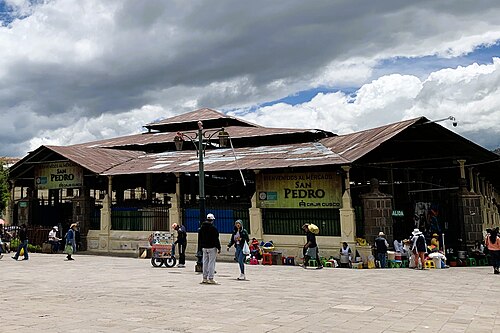
San Pedro Market, known locally as Mercado Central de San Pedro, is Cusco's principal covered public market. Located near the historic centre, this large iron-roofed building houses hundreds of vendors across multiple aisles.
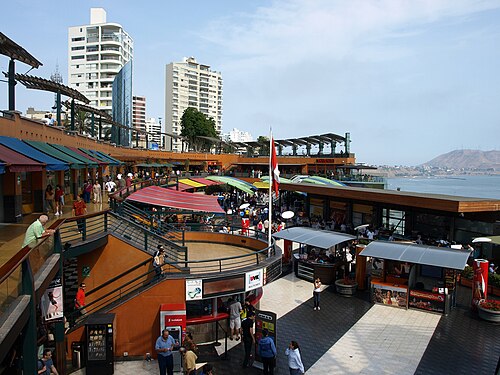
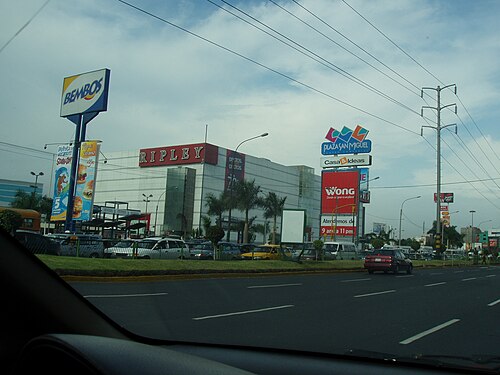
Larcomar is a shopping and entertainment complex integrated into the cliffs of Miraflores, a district of Lima, Peru.
Source: OpenStreetMap contributors, Wikidata ·
Ten to fourteen days can combine Lima, Cusco and the Sacred Valley with one additional region. Altitude adjustment and rail or road transfers need their own time, so compressing the Andes and Amazon into the same short visit is unwise.
Peru’s Migraciones authority publishes admission information. Passport, nationality and permitted-stay rules must be checked for the actual traveller, and any border or immigration form should come from the government service.
Lima is the principal air hub, with domestic services to Cusco, Arequipa and other gateways. Intercity buses cover many routes, and selected tourist trains serve the Sacred Valley and Machu Picchu area.
May to September is the broad dry-season window for many Andean routes. Lima’s coastal conditions and Amazon rainfall follow different patterns, so an itinerary spanning regions needs separate forecasts and access checks.
Peru uses the sol (PEN). Current acceptance and withdrawal charges are Not recorded here; confirm whether an operator expects soles, cards or advance payment before leaving a major city.
Peru records 105 for police and 116 for fire services. Type A and C sockets use 220 V; national tap-water guidance is Not recorded, so obtain local advice.