


2 min walk
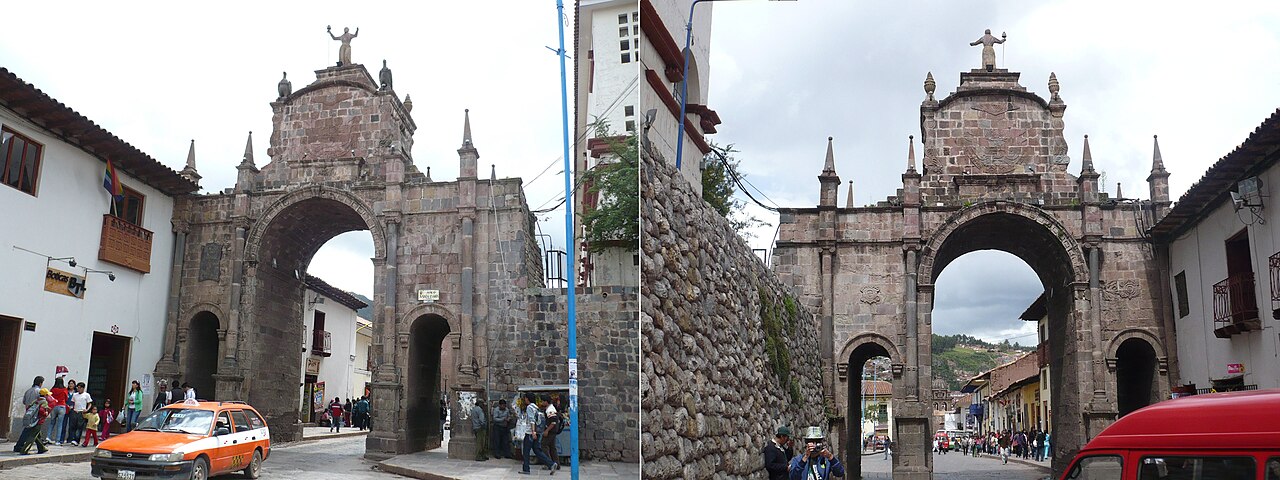
Santa Clara Church
- Must see · Heritage site
- Place of worship
Language · 11 published
Market · Cusco
Mercado de San Pedro

| Monday | 06:00 – 18:00 |
|---|---|
| Tuesday | 06:00 – 18:00 |
| Wednesday | 06:00 – 18:00 |
| Thursday | 06:00 – 18:00 |
| Friday | 06:00 – 18:00 |
| Saturday | 06:00 – 18:00 |
| Sunday | 06:00 – 18:00 |
Parsed from OpenStreetMap opening hours on 2026-08-26.
San Pedro Market, known locally as Mercado Central de San Pedro, is Cusco's principal covered public market. Located near the historic centre, this large iron-roofed building houses hundreds of vendors across multiple aisles. Established in the early twentieth century, it serves as the commercial heart of daily life for city residents. The market offers an unfiltered immersion into Andean food culture, from stacked produce to prepared meals. Visitors encounter cusqueño commerce directly without intermediary staging or tourist-oriented presentation. The structure itself, with its arched metal framework, represents period municipal architecture common to Peruvian highland cities of that era.
Checked 2026-08-26
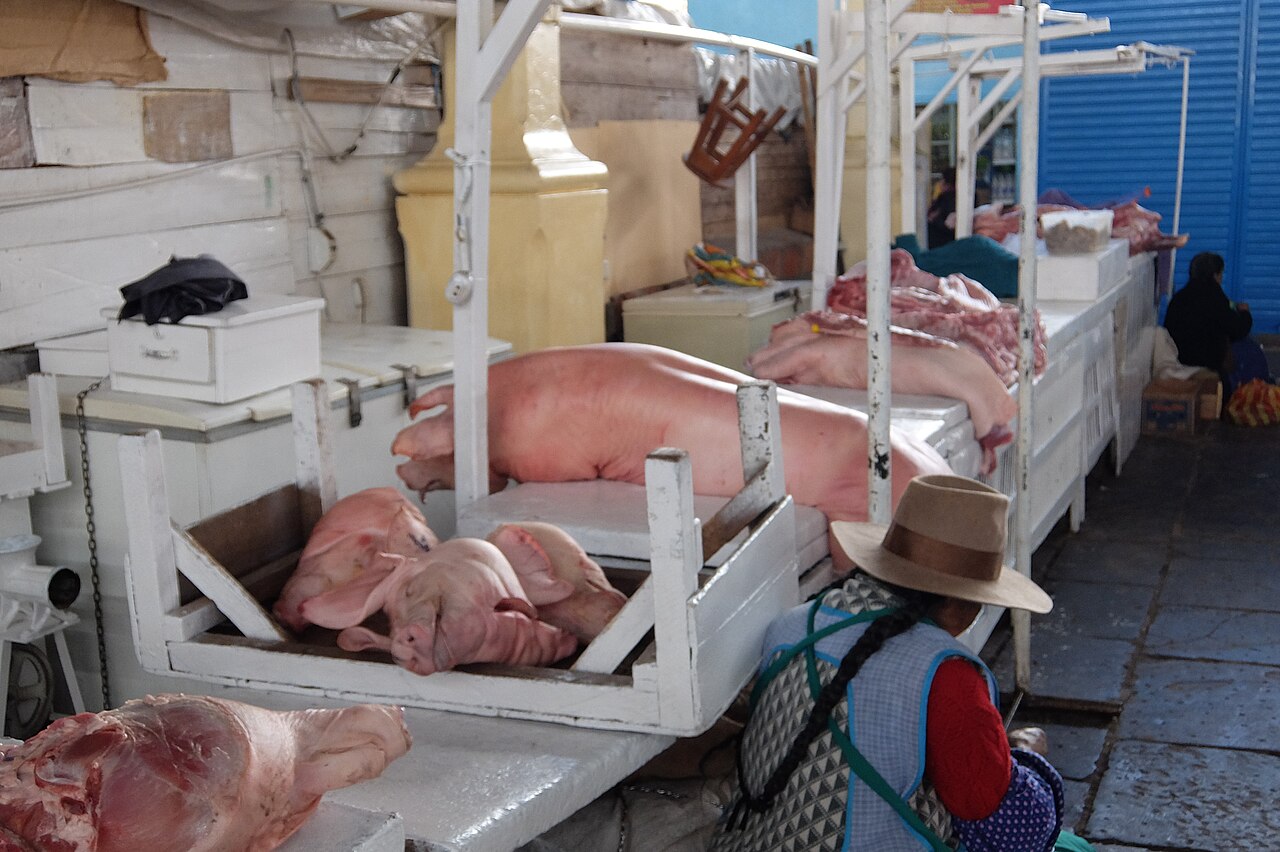
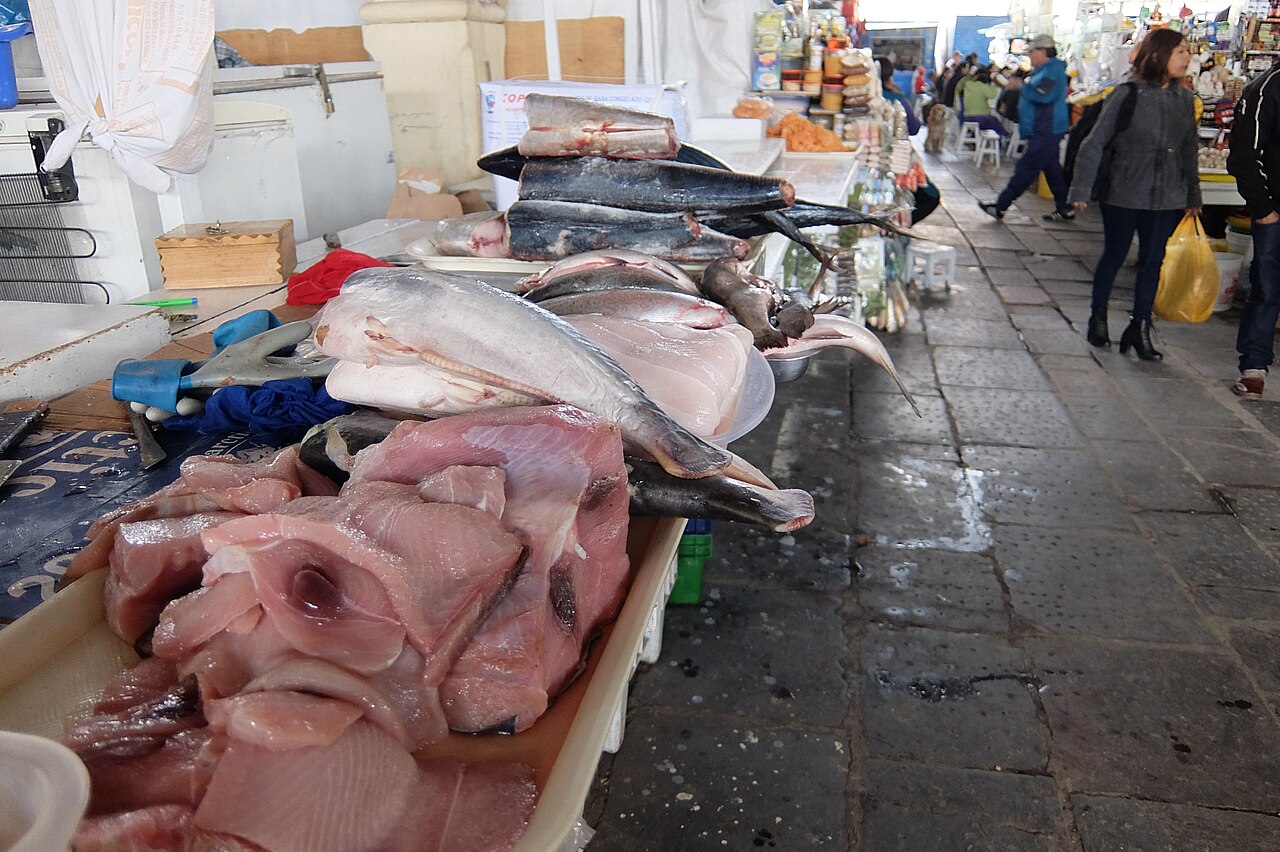
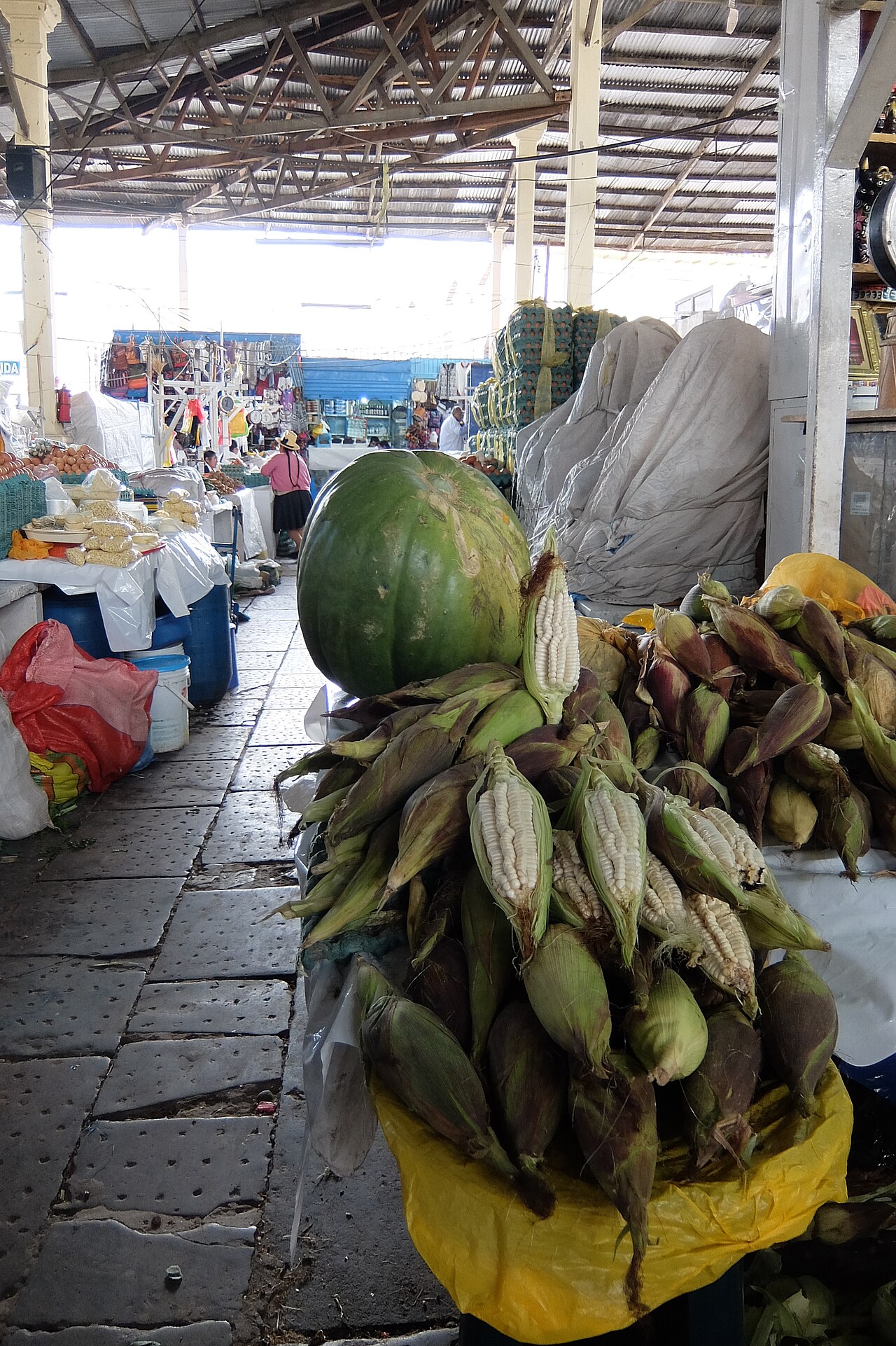
The interior contains densely packed stalls organised by product category. Vendors sell fresh fruits, vegetables, and tubers including regionally significant potato varieties. Meat and fish sections occupy dedicated areas with whole animal displays customary to Andean markets. Prepared food counters serve local dishes to seated customers. Dry goods, textiles, and household items occupy peripheral zones. Juice stands blend tropical and Andean fruits. Flower sellers cluster near entrances. The market integrates agricultural supply chains with immediate consumption, allowing observation of procurement practices unchanged across generations. Sanitary conditions vary by section, reflecting operational realities of high-volume traditional markets.
Checked 2026-08-26
A purposeful walkthrough requires approximately forty-five to ninety minutes depending on thoroughness and pace. Visitors intending to eat at prepared food counters should allocate additional time for ordering, consumption, and payment. Photography and careful observation of unfamiliar products extend duration substantially. Morning hours coincide with peak commercial activity and fullest product display. Those combining market exploration with surrounding neighbourhood walking should plan half-day availability. The covered structure permits unhurried examination regardless of weather conditions outside. Repeat visits reward familiarity, as vendor locations and available products shift with seasonal agricultural cycles and daily supply variations.
Checked 2026-08-26
Operator-confirmed hours are Not recorded pending review. Traditional markets in Andean cities typically open early morning and operate through early afternoon, with diminished activity by late afternoon. Morning visits generally correspond to freshest produce availability and highest vendor presence. Sunday trading patterns may differ from weekday operations. Seasonal agricultural variations affect product prominence throughout the year, with certain items appearing only during specific harvest periods. Festival periods in Cusco, particularly around Inti Raymi and other civic celebrations, may modify normal commercial patterns. Visitors should verify current operational status through local accommodation providers or municipal sources before planning dedicated visits.
Checked 2026-08-26
Operator-confirmed prices are Not recorded pending review. Public markets in Peru do not typically charge entrance fees. Individual transactions occur directly with vendors, with prices generally unmarked and subject to negotiation or established local rates. Prepared food items are paid per purchase at point of sale. No advance booking or reservation systems operate for market entry. Visitors should carry small denomination currency, as vendors may lack change for large notes. Cash transactions predominate; electronic payment acceptance cannot be assumed. Photography of vendors or their goods may incur implicit or explicit expectations of purchase. Budgeting requires individual assessment of intended purchases.
Checked 2026-08-26
The market occupies a position within walking distance of Cusco's Plaza de Armas, the central reference point of the historic district. Pedestrian navigation from the plaza proceeds generally westward across the railway line. Local comprehension identifies the location without difficulty. Taxi services recognise Mercado Central de San Pedro as a standard destination. Combis and local buses serve adjacent streets. The railway station proximity creates concentrated pedestrian traffic in surrounding blocks. Visitors arriving from San Blas or other elevated districts should anticipate descending to the market's lower elevation. Street signage varies in clarity; confirming direction with residents reduces navigation uncertainty in the immediate vicinity.
Checked 2026-08-26
Personal belongings require vigilant attention due to crowded aisle conditions and distraction potential. Wet floors in produce and fish sections present slip hazards. Raw meat displays may disturb visitors unaccustomed to unprocessed animal products. Food safety at prepared counters depends on individual vendor practices and visitor tolerance. Aggressive selling occurs in some stalls; polite refusal and continued walking generally suffice. Language barriers complicate transactions for non-Spanish speakers; prices may adjust accordingly. Altitude effects in Cusco, approximately 3,400 metres, compound physical exertion in the stuffy interior. Children and elderly visitors should moderate exposure duration. Respectful behaviour toward vendors and their workplace maintains appropriate visitor presence.
Checked 2026-08-26
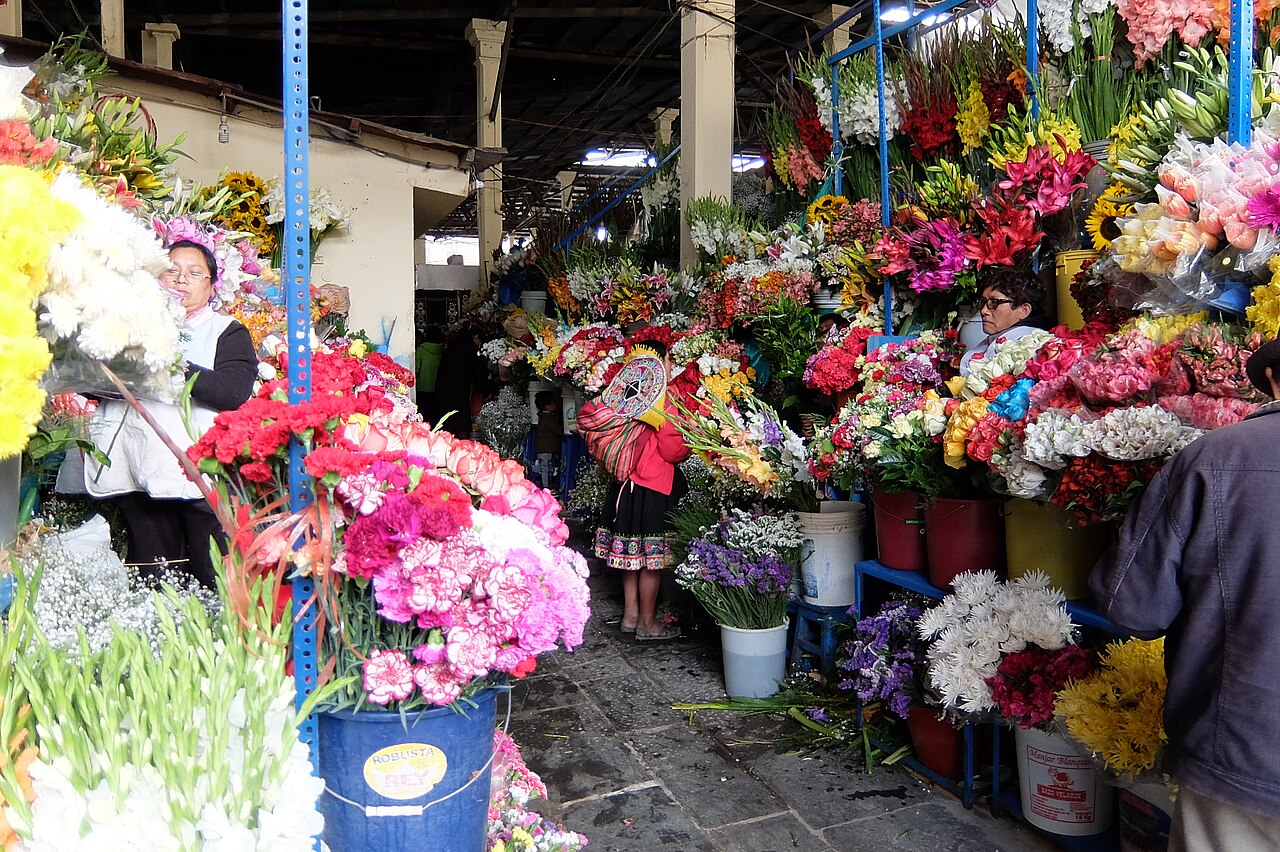
Photographic practice demands sensitivity to commercial and personal contexts. Vendors occupy workplaces, not staged environments; unsolicited close photography constitutes intrusion. Establishing rapport through greeting or purchase precedes respectful image-making. Some vendors explicitly prohibit photography; compliance is obligatory. Flash photography disturbs and may damage light-sensitive products. Tripods and elaborate equipment obstruct narrow aisles and attract undesirable attention. Images of identifiable individuals carry ethical implications beyond technical capture. The iron structure and produce displays offer architectural and still-life alternatives to human subjects. Morning light through roof openings creates variable illumination conditions. Reviewing images on-site risks device visibility and potential theft in crowded conditions.
Checked 2026-08-26
The market presents standard conditions of any busy commercial environment. Crowded aisles require personal belongings vigilance. Most visitors complete exploration without incident using normal urban precautions.
Food safety depends on individual vendor practices and visitor digestive adaptation to local preparation methods. High turnover counters generally indicate fresher preparation. Visitors with sensitive systems should exercise corresponding caution.
English proficiency is not typical. Basic Spanish facilitates transactions significantly. Pointing and displayed prices assist where language gaps exist, though negotiation complexity increases.
Bargaining practices vary by product category and individual vendor. Fixed pricing may operate for prepared foods and standardised goods. Agricultural products often accommodate negotiation, particularly with quantity purchases.
Cash in Peruvian soles is the reliable payment method. Small denominations assist transactions. Electronic payment infrastructure cannot be assumed at individual stalls.
The market offers product range, price potential, and cultural immersion unavailable in standardised retail formats. Supermarkets provide alternative convenience with different experiential and economic characteristics.
Loading the interactive map…
The interactive map could not be loaded.

Last updated:
Source: OpenStreetMap contributors, Wikidata ·