


01
2 hours
Mutrah Corniche
Mutrah Corniche is the waterfront promenade along the old harbour of Mutrah, a historic district of Muscat.
- Must see
- Activity
- Muscat
Language · 11 published
Country guide

Oman is 315,331 km2 holding roughly 5.46 million people, which makes it the third-largest country on the Arabian Peninsula and one of the least crowded. Muscat, the capital and largest city, is strung out along the Gulf of Oman between mountains and water instead of spreading from a centre, so seeing it means driving one long coastal road end to end. The country's northern tip is not attached to the rest: Musandam is an exclave enclosed by the United Arab Emirates, with its own coast on the Strait of Hormuz. Between the capital and the far south lies Arabian Sea coastline and desert.
Every city catalogued in this country so far, ranked by how much there is to see.
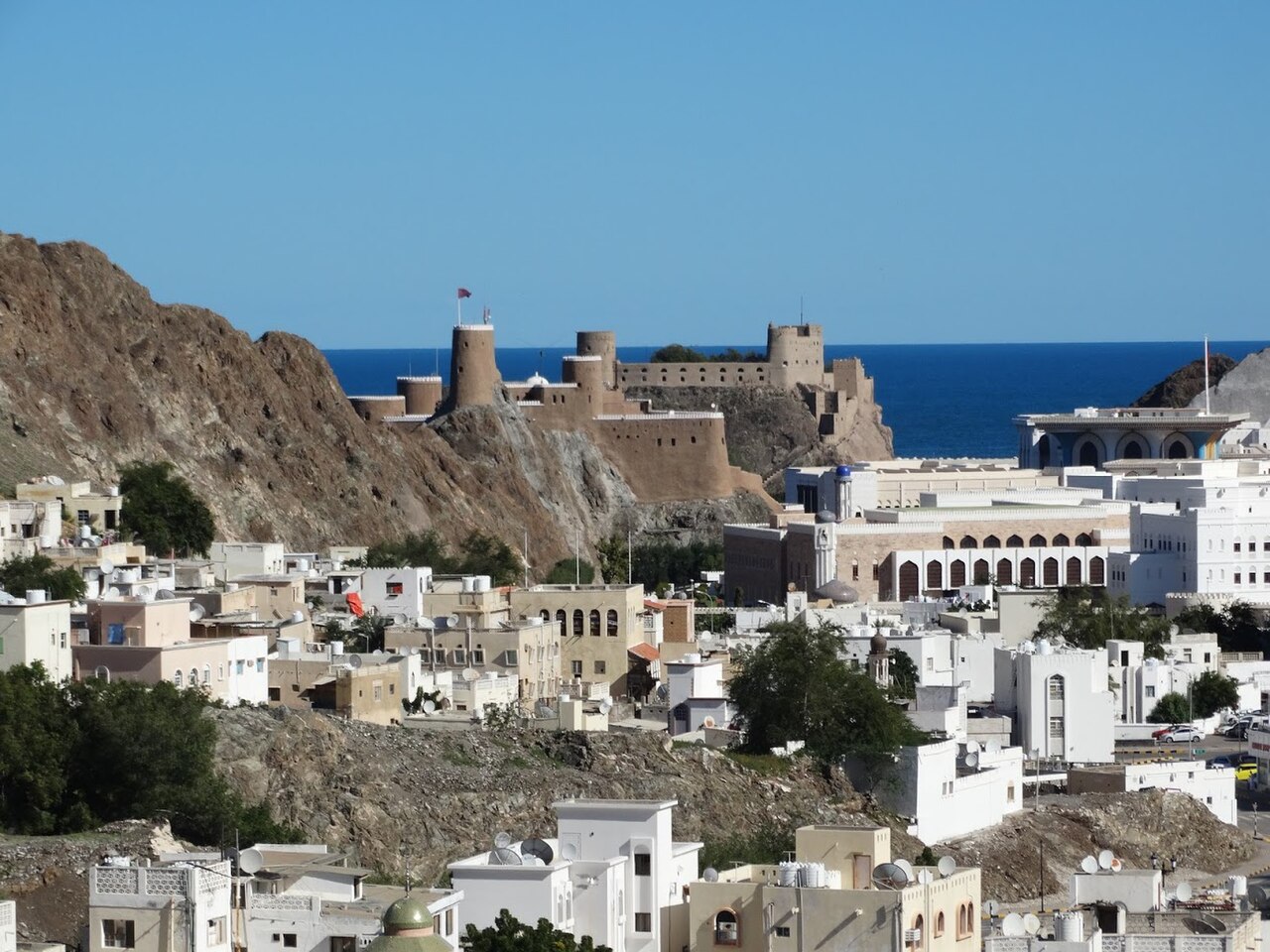
Photograph · Leon petrosyan · CC BY-SA 4.0
Ranked by importance — sitelinks, pageviews and heritage status, not editor preference.
63 places match
Category
Typical visit duration
Interests
Mutrah Corniche is the waterfront promenade along the old harbour of Mutrah, a historic district of Muscat.
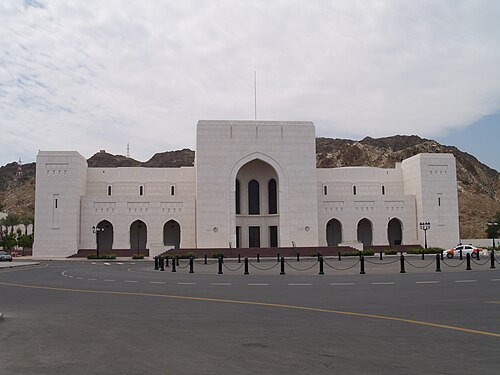
The National Museum is Oman's flagship cultural institution, established in 2013 to present the Sultanate's heritage from its earliest human settlement to the present. The purpose-designed building stands in historic Muscat opposite Qasr Al Alam Palace.

Bait Al Zubair Museum is a cultural institution in Muscat, Oman, dedicated to Omani heritage and arts.
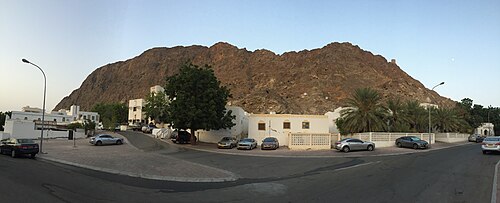
The Muscat Gate Museum occupies a reconstructed city gate structure that once controlled access to Oman's capital. Its Arabic name, Matḥaf Bawwābat Masqaṭ, reflects this fortified heritage.

Bait Al Baranda Museum, locally known as Bayt al-Baranda, is a cultural institution in Muscat, Oman. Housed in a historic building, the museum presents aspects of Omani heritage and history to visitors.

The Sultan's Armed Forces Museum is a military museum in Muscat, Oman. Its local name is Matḥaf Quwwāt as-Sulṭān al-Musallaḥa. The museum occupies a historic fort building and presents the military history of Oman.
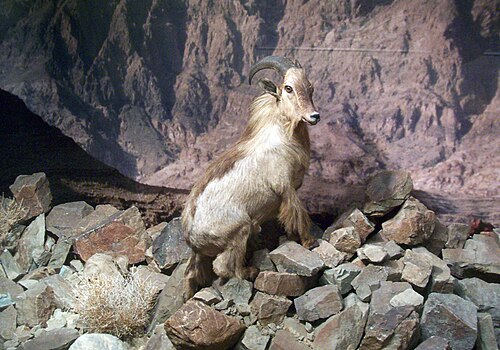
The Oman Natural History Museum is a national institution in Muscat dedicated to preserving and presenting the Sultanate's natural heritage. Its Arabic name is Matḥaf at-Tārīkh aṭ-Ṭabīʿī.
The Omani French Museum, known locally as al-Matḥaf al-ʿUmānī al-Faransī, is a museum in Muscat, Oman. It is housed in a historic building that was formerly the French Embassy in Muscat.
The Place and People Museum, locally named Matḥaf Ghāliyā lil-Fann al-Ḥadīth, is a cultural institution in Muscat, Oman. It operates under the broader umbrella of Omani heritage presentation, as referenced through official information channels.

Al Mouj Muscat is a waterfront master-planned community developed along the coast of Oman's capital. The local name al-Mawj Masqaṭ reflects its Arabic identity.

The Oman Oil and Gas Exhibition Centre, locally known as Markaz Maʿraḍ an-Nafṭ wa-l-Ghāz, is a petroleum industry museum in Muscat operated by Petroleum Development Oman (PDO).

The Museum of Omani Heritage is a public museum in Muscat dedicated to preserving and presenting Oman's cultural legacy. It occupies a distinct institutional role separate from other attractions in the capital.
Oman Aquarium is a large public aquarium situated inside Mall of Muscat. It serves as the city's principal contemporary family attraction focused on aquatic life.

Snow Oman is an indoor snow park located in Muscat, the capital city of Oman. It represents one of the city's most distinctive climate-controlled family attractions, offering visitors an artificial winter environment within a desert climate.


Source: OpenStreetMap contributors, Wikidata ·
Allow seven to ten days for Muscat, Nizwa, the Hajar Mountains and one desert or coastal leg. Salalah is a separate southern journey rather than a quick add-on, so include it only when the schedule can absorb a domestic flight and another base.
Oman’s Royal Oman Police eVisa portal is the authoritative place to check eligibility, stay length and document requirements. Apply through that service when required and match the application to the passport and purpose of travel; a Gulf itinerary does not create a common visa across neighbouring states.
A car or licensed driver is useful beyond Muscat because forts, wadis, mountain villages and desert camps are dispersed. Intercity buses serve principal towns, but access roads vary; confirm whether four-wheel drive is required and never enter a wadi when official flood warnings are active.
October through March is the practical window for Muscat, the interior and desert camping. Salalah’s khareef is a different seasonal proposition, and mountain temperatures can be much lower than the coast, so an Oman-wide itinerary needs region-specific weather checks.
The Omani rial is the official currency and is subdivided into one thousand baisa, which matters when reading prices. Carry cash for smaller inland stops while using banks or authorised exchange services; verify the currency and decimal placement before approving a payment.
For police, fire or ambulance assistance, save 9999; Oman uses Type G sockets at 240 V. National tap-water guidance is Not recorded here, so confirm locally at each hotel or camp, where supply arrangements may differ from Muscat.