Smart Self-Managed Tours

Country guide

New Zealand

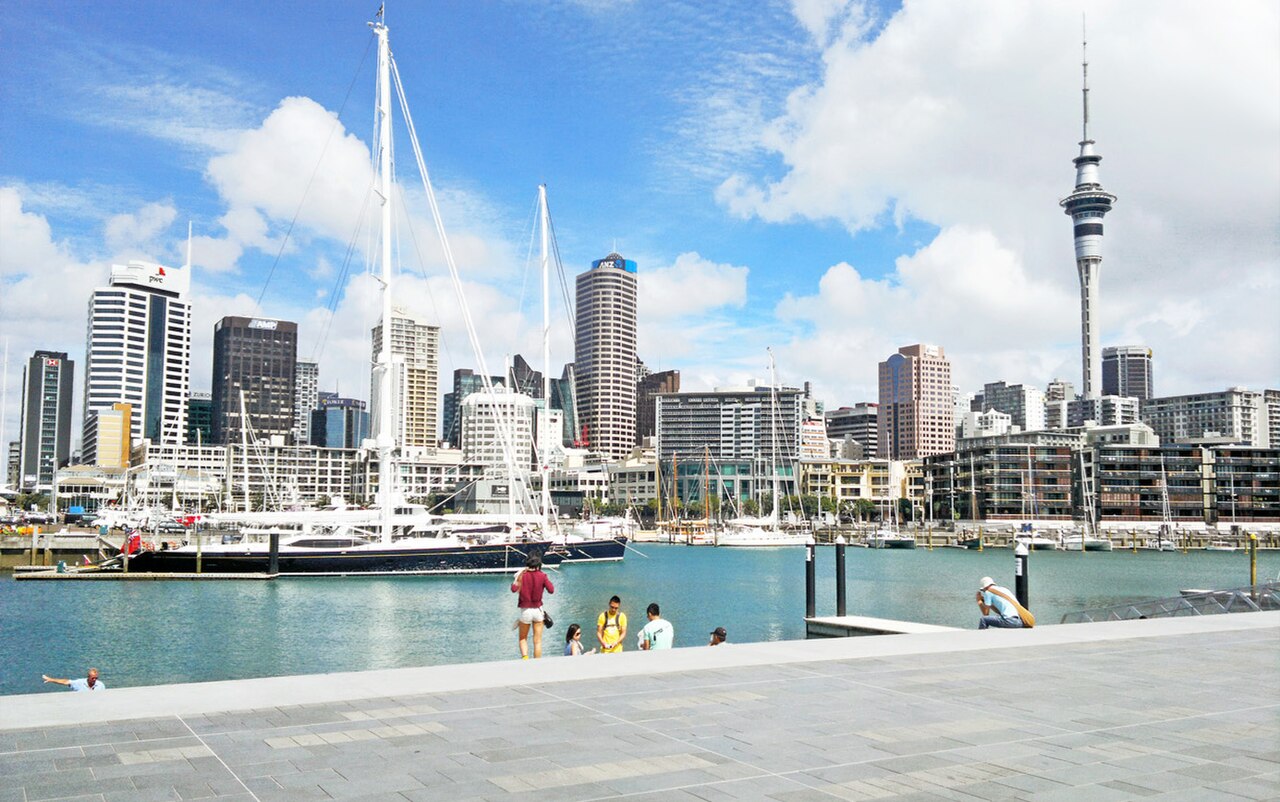
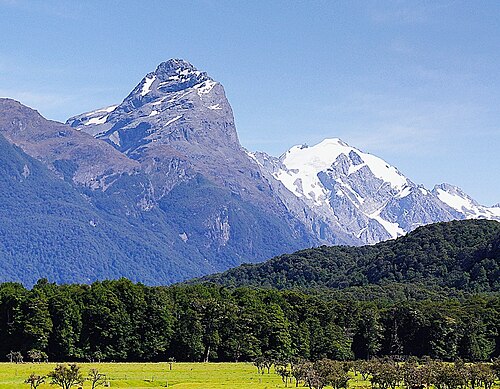
A photograph of New Zealand
Photograph · Michal Klajban · CC BY-SA 4.0

New Zealand runs more than 1,600 kilometres along a north-north-east axis, and its 5,355,150 people as of August 2026 are spread across 263,310 km2 of it. There are two main islands and over 700 smaller ones; the Cook Strait between the big two is 22 kilometres across at its narrowest. Auckland is the largest city and where most visitors land, Wellington is the capital and the crossing point south. The South Island carries the Southern Alps, raised by tectonic uplift and volcanism, and its road distances are consistently longer than the map makes them look.

Cities

Every city catalogued in this country so far, ranked by how much there is to see.

Practical information

Language spoken
English, Māori and New Zealand Sign Language
National practical orientation; regional and minority languages may also be used
Dialling code
+64
International calling code; local area and mobile prefixes still apply
Currency
New Zealand dollar (NZD)
Use the official local currency; card acceptance varies by place
Emergency number
111
Use only for an emergency; tourist assistance may use a separate number
Plug type
Type I · 230 V
Check that chargers support the recorded voltage before using an adapter
Tap water
Safe from treated public supplies
Follow local notices for remote or untreated supplies

Planning a visit

  1. January: no seasonality data recorded
  2. February: no seasonality data recorded
  3. March: no seasonality data recorded
  4. April: no seasonality data recorded
  5. May: no seasonality data recorded
  6. June: no seasonality data recorded
  7. July: no seasonality data recorded
  8. August: no seasonality data recorded
  9. September: no seasonality data recorded — this month
  10. October: no seasonality data recorded
  11. November: no seasonality data recorded
  12. December: no seasonality data recorded

Top things to see

Ranked by importance — sitelinks, pageviews and heritage status, not editor preference.

  1. Cecil Peak Cecil Peak
    03 20 min

    Cecil Peak

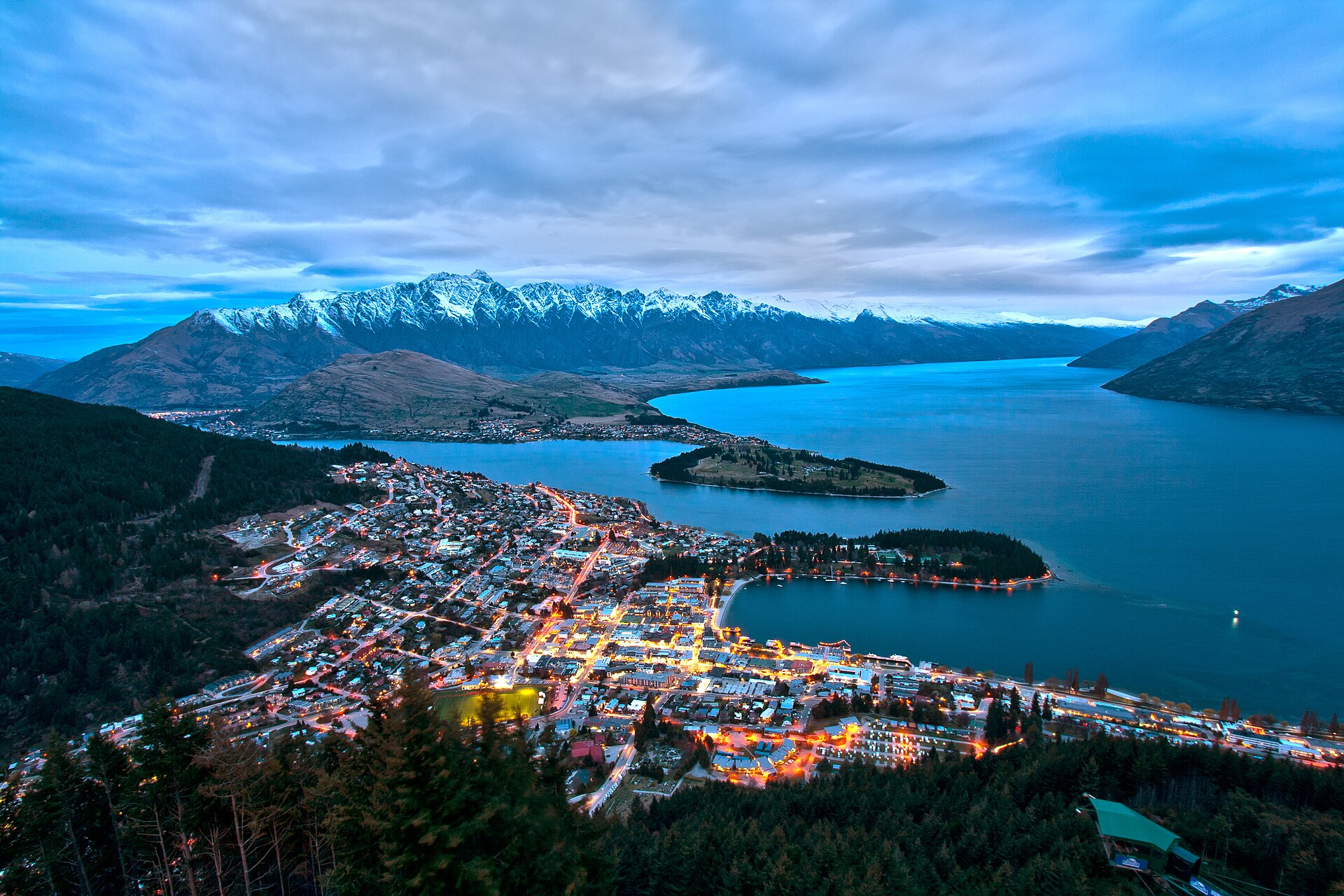
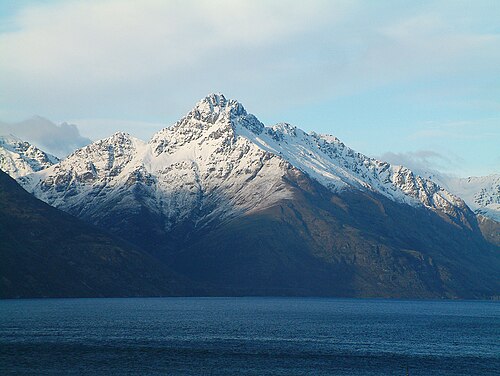
    Cecil Peak is a prominent mountain located on the western shore of Lake Wakatipu, directly opposite Queenstown township. It forms part of the distinctive skyline visible from much of the town and surrounding area.

    • High
    • Viewpoint
    • Queenstown
  2. North Head North Head
    04 20 min

    North Head

    Maungaūika / North Head

    Maungauika North Head is a volcanic summit and historic military reserve on Auckland's North Shore. The site occupies a prominent headland at the entrance to Waitemata Harbour, formed by volcanic activity.

    • High
    • Viewpoint
    • Auckland
  3. Ōwairaka / Mount Albert
    08 20 min

    Ōwairaka / Mount Albert

    Ōwairaka / Te Ahi-kā-a-Rakataura / Mount Albert

    • High
    • Viewpoint
    • Auckland
  4. Roys Peak
    10 20 min

    Roys Peak

    • High
    • Viewpoint
    • Queenstown
  5. Walter Peak Walter Peak
    12 20 min

    Walter Peak

    Walter Peak is a prominent mountain and pastoral high country station located on the western shore of Lake Wakatipu, opposite Queenstown.

    • High
    • Viewpoint
    • Queenstown
  6. Ash Hill
    13 20 min

    Ash Hill

    • High
    • Viewpoint
    • Auckland
  7. Matukutūruru
    14 20 min

    Matukutūruru

    Matukutūruru / Wiri Mountain

    • High
    • Viewpoint
    • Auckland
  8. Mount Hobson
    16 20 min

    Mount Hobson

    Maunga Hirakimatā / Mount Hobson

    • High
    • Viewpoint
    • Auckland
  9. Mount Saint John
    17 20 min

    Mount Saint John

    Te Kōpuke / Tītīkōpuke / Mount Saint John

    • High
    • Viewpoint
    • Auckland
  10. Puketāpapa
    19 20 min

    Puketāpapa

    Puketāpapa / Pukewīwī / Mount Roskill

    • High
    • Viewpoint
    • Auckland
  11. Takarunga / Mount Victoria Takarunga / Mount Victoria
    20 20 min

    Takarunga / Mount Victoria

    Takarunga, also known as Mount Victoria, is a volcanic cone summit in Devonport on Auckland's North Shore. The Maunga Authority manages this heritage landscape as part of the Tūpuna Maunga collective of Auckland's volcanic cones.

    • High
    • Viewpoint
    • Auckland
  12. Kohuora
    30 20 min

    Kohuora

    • High
    • Viewpoint
    • Auckland
  13. Mount Cambria
    32 20 min

    Mount Cambria

    Takaroro / Mount Cambria

    • High
    • Viewpoint
    • Auckland
  14. Pukaki Lagoon
    35 20 min

    Pukaki Lagoon

    Pūkaki Lagoon

    • High
    • Viewpoint
    • Auckland
  15. Purchas Hill
    36 20 min

    Purchas Hill

    Purchas Hill / Te Tauoma

    • High
    • Viewpoint
    • Auckland
  16. Little Rangitoto
    48 20 min

    Little Rangitoto

    Maungarahiri / Little Rangitoto

    • High
    • Viewpoint
    • Auckland
  17. McLennan Hills
    51 20 min

    McLennan Hills

    Te Apunga-o-Tainui / McLennan Hills

    • High
    • Viewpoint
    • Auckland
  18. Onepoto
    56 20 min

    Onepoto

    Onepoto Basin

    • High
    • Viewpoint
    • Auckland
  19. Pukeiti
    60 20 min

    Pukeiti

    • High
    • Viewpoint
    • Auckland
  20. Pukekawa
    61 20 min

    Pukekawa

    • High
    • Viewpoint
    • Auckland
  21. Somnus
    68 20 min

    Somnus

    • High
    • Viewpoint
    • Queenstown
  22. Tamahunga
    69 20 min

    Tamahunga

    • High
    • Viewpoint
    • Auckland
  23. Te Hopua a Rangi
    71 20 min

    Te Hopua a Rangi

    Te Hopua-a-Rangi / Gloucester Park

    • High
    • Viewpoint
    • Auckland
  24. Auahine
    77 20 min

    Auahine

    • Notable
    • Viewpoint
    • Auckland
  25. Hikurangi
    80 20 min

    Hikurangi

    • Notable
    • Viewpoint
    • Auckland
  26. Kaipakau
    81 20 min

    Kaipakau

    • Notable
    • Viewpoint
    • Auckland
  27. Kauri Hill
    82 20 min

    Kauri Hill

    • Notable
    • Viewpoint
    • Auckland
  28. Kikitangeo
    83 20 min

    Kikitangeo

    • Notable
    • Viewpoint
    • Auckland
  29. Kōpukanui
    84 20 min

    Kōpukanui

    • Notable
    • Viewpoint
    • Auckland
  30. Kuataika
    85 20 min

    Kuataika

    • Notable
    • Viewpoint
    • Auckland
  31. Mataia
    86 20 min

    Mataia

    • Notable
    • Viewpoint
    • Auckland
  32. Paehoka
    91 20 min

    Paehoka

    • Notable
    • Viewpoint
    • Auckland
  33. Peak
    93 20 min

    Peak

    • Notable
    • Viewpoint
    • Auckland
  34. Poroure
    94 20 min

    Poroure

    • Notable
    • Viewpoint
    • Auckland
  35. Puhoi
    95 20 min

    Puhoi

    Pūhoi

    • Notable
    • Viewpoint
    • Auckland
  36. Pukearu
    96 20 min

    Pukearu

    • Notable
    • Viewpoint
    • Auckland
  37. Pukekawa
    97 20 min

    Pukekawa

    • Notable
    • Viewpoint
    • Auckland
  38. Pukekohuhu
    98 20 min

    Pukekohuhu

    • Notable
    • Viewpoint
    • Auckland
  39. Pukekotare
    99 20 min

    Pukekotare

    • Notable
    • Viewpoint
    • Auckland

Source: OpenStreetMap contributors, Wikidata ·

Common questions

How long should a first trip to New Zealand be?

Two weeks is a sensible minimum for a limited North-and-South-Island combination; ten days is better spent on one island. Auckland works as the largest gateway and Queenstown as a southern base, but scenic roads and ferry or flight transitions make ambitious mileage deceptive.

What entry documents are needed for New Zealand?

Immigration New Zealand determines whether a traveller needs a Visitor Visa, an NZeTA or another permission. Verify the passport, purpose and arrival declaration requirements on its official service before departure; airline check-in is not the place to discover a missing authority.

What is the best way to travel around New Zealand?

Domestic flights link major regions, the Cook Strait ferry joins the islands, and coaches, rental cars or selected scenic trains cover ground routes. Driving is on the left, and rural journey estimates should allow for one-lane bridges, weather and viewpoint stops.

When is a practical time to visit New Zealand?

December to February suits many summer itineraries, while ski travel targets winter and shoulder seasons can be quieter. Alpine weather changes quickly in every season, so plan around the principal hike, pass or ferry rather than relying on one forecast for both islands.

What money and payment basics apply in New Zealand?

New Zealand uses the New Zealand dollar. Cards are routine in towns, but a backup method is prudent for remote fuel, small operators or service outages; confirm whether accommodation, ferry and activity prices include booking or card charges.

What practical safety details should I save for New Zealand?

Dial 111 for police, fire or ambulance; the electrical standard is Type I at 230 V. Treated public tap supplies are recorded as safe, while huts and remote sources need their own posted guidance; carry current road and weather information on long drives.