Smart Self-Managed Tours

City guide · New Zealand

Auckland

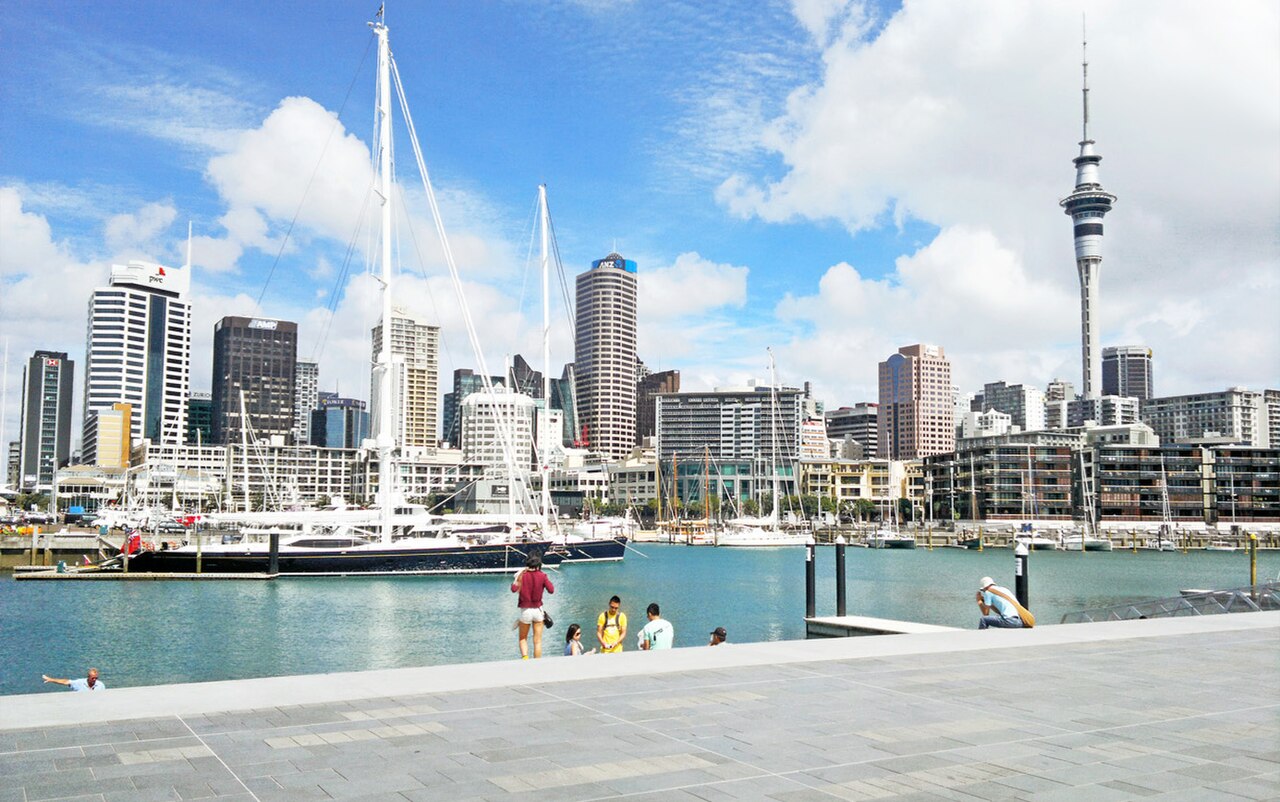
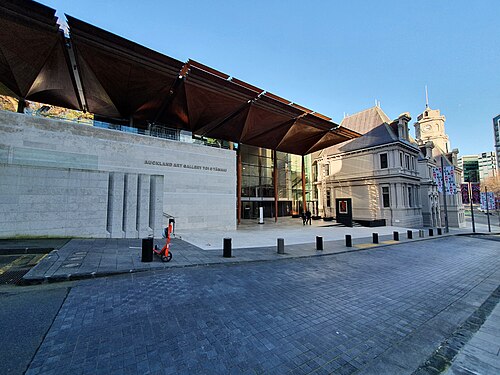
A photograph of Auckland
Photograph · ChewyPineapple · CC BY-SA 3.0

Auckland is organised by two harbours, volcanic terrain and a narrow urban isthmus. The city centre descends to the Waitematā waterfront, while Ponsonby, Parnell and Newmarket sit on separate ridges. Devonport and the harbour islands require water crossings, and the west-coast beaches lie beyond the central public-transport pattern. A useful visit therefore alternates compact neighbourhood walks with planned outward journeys.

Practical information

Language spoken
English, Māori and New Zealand Sign Language
National practical orientation; regional and minority languages may also be used
Dialling code
+64
International calling code; local area and mobile prefixes still apply
Currency
New Zealand dollar (NZD)
Use the official local currency; card acceptance varies by place
Emergency number
111
Use only for an emergency; tourist assistance may use a separate number
Plug type
Type I · 230 V
Check that chargers support the recorded voltage before using an adapter
Tap water
Safe from treated public supplies
Follow local notices for remote or untreated supplies

Turn this list into a plan

Set your days, your pace and the hours you actually want to be out. The planner works around closing days and travel time, and leaves room to eat.

Plan Auckland

Planning a visit

Suggested stay
Not recorded
Getting around
Walking, bus, train and ferry
  1. January: good time to visit
  2. February: good time to visit
  3. March: best time to visit
  4. April: best time to visit
  5. May: good time to visit
  6. June: viable with meaningful trade-offs
  7. July: viable with meaningful trade-offs
  8. August: viable with meaningful trade-offs
  9. September: viable with meaningful trade-offs — current month
  10. October: good time to visit
  11. November: best time to visit
  12. December: good time to visit
  • Best time
  • Good time
  • Viable with trade-offs
  • Difficult conditions

Sources

Top things to see

Ranked by importance — sitelinks, pageviews and heritage status, not editor preference.

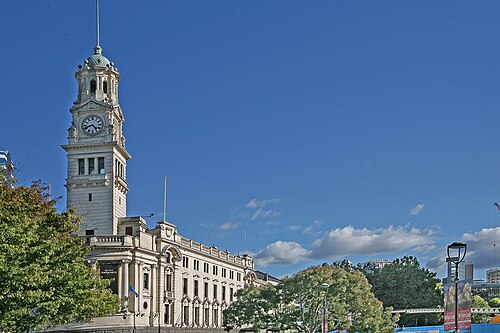
  1. Auckland Town Hall Auckland Town Hall
    02 1 hr 30 min

    Auckland Town Hall

    Auckland Town Hall is a historic civic building and performing arts venue in central Auckland, New Zealand. Opened in 1911, it was designed by architects J.

    • Must see
    • Art and culture venue
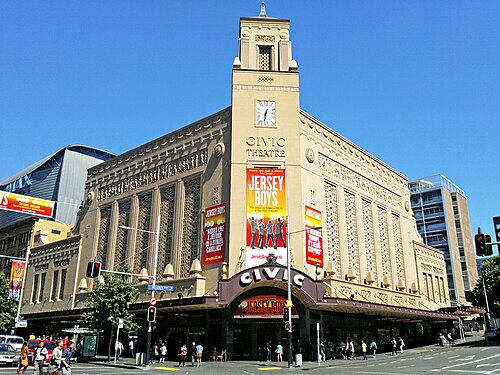
  2. Civic Theatre Civic Theatre
    03 1 hour

    Civic Theatre

    The Civic

    The Civic is Auckland’s landmark atmospheric theatre. The principal reason to include it is the auditorium, decorative interior, performance setting, and heritage character. Its setting is the Aotea arts precinct in central Auckland.

    • Must see
    • Art and culture venue
  3. Q Theatre Q Theatre
    04 1 hour

    Q Theatre

    Q Theatre is a performing arts venue located in Auckland, New Zealand. It serves as a hub for theatre, dance, and live performance in the city.

    • Must see
    • Art and culture venue
  4. The Basement Theatre The Basement Theatre
    05 1 hour

    The Basement Theatre

    Basement Theatre

    Basement Theatre is an independent performing arts venue located in Auckland's central city. Established as a hub for contemporary theatre and live performance, it occupies a distinctive underground space that has become synonymous with experimental and emerging New Zealand work.

    • Must see
    • Art and culture venue
  5. ASB Waterfront Theatre ASB Waterfront Theatre
    06 1 hour

    ASB Waterfront Theatre

    ASB Waterfront Theatre is a performing arts venue located in Auckland's Wynyard Quarter waterfront precinct. The theatre opened as a purpose-built home for Auckland Theatre Company, the city's largest professional theatre company.

    • Must see
    • Art and culture venue
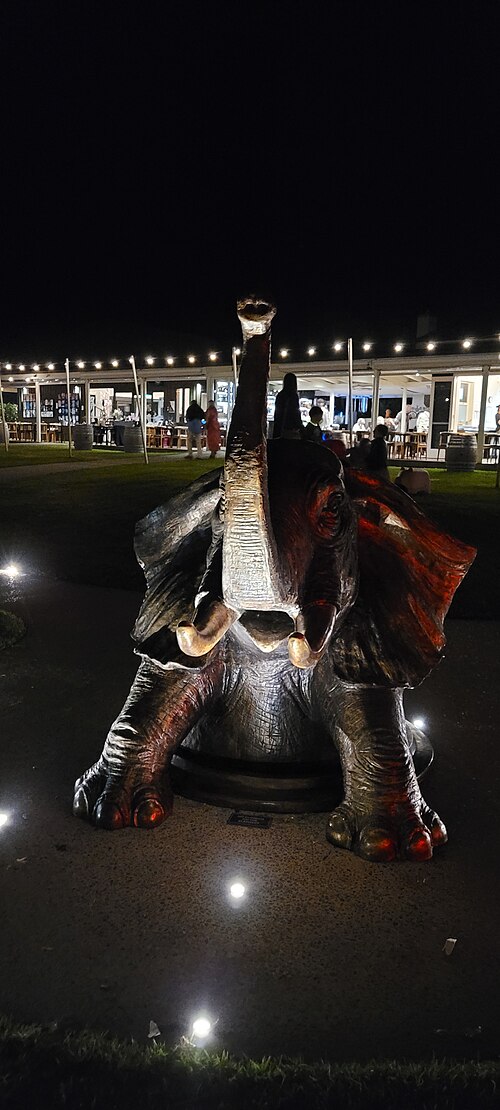
  6. Sculptureum Sculptureum
    07 1 hour

    Sculptureum

    Sculptureum is an art destination in Auckland's Matakana region, north of the central city. The attraction combines outdoor sculpture gardens with indoor gallery spaces, presenting works by New Zealand and international artists.

    • Must see
    • Art and culture venue

Source: OpenStreetMap contributors, Wikidata ·

How the city is laid out

Combine the central waterfront, Britomart and nearby city sights before climbing into an inner neighbourhood. Put Devonport or another harbour destination into a ferry-led block whose return sailing is known in advance. Western beaches need a dedicated excursion and should not share a day with island travel. This structure avoids repeatedly crossing the city and makes Auckland's geography part of the plan rather than an afterthought.

Checked 2026-08-26

Getting around

Auckland's centre is walkable but steep in places. Buses and trains connect the urban isthmus, while ferries are part of the everyday network for Devonport and selected islands. Match the mode to the geography: rail or bus for inland corridors, ferry for harbour crossings, and a separately checked connection for western landscapes. Consult Auckland's official visitor transport guidance and current operator timetables before departure.

Checked 2026-08-26

Common questions

How many days should I spend in Auckland?

No official city-wide duration is recorded. Begin with the centre and Waitematā waterfront, then add an inner neighbourhood, a ferry destination or a west-coast outing according to the days available.

How should I organise sightseeing in Auckland?

Plan the waterfront and central streets together. Use separate blocks for ridge-top neighbourhoods and for any harbour island, because ferry timing changes the shape of that day. Keep the west coast independent from both.

How do I get around Auckland?

Walk in the centre, use buses or trains along the isthmus and take ferries for harbour destinations. Check the official journey information for the exact sailing or connection rather than treating every Auckland trip as a road journey.

Can I explore Auckland mainly on foot?

The centre and waterfront join naturally on foot, although the climb to surrounding ridges is noticeable. Devonport, the islands, outer suburbs and western beaches all require transport beyond a central walking circuit.

Which Auckland trips need separate planning?

Harbour islands and west-coast beaches need separate planning. Confirm ferry returns for island visits and the full outward-and-back connection for regional landscapes before committing the day.