


2 min walk
Sakaro no Matsu
- Notable
- Historic monument
Language · 11 published
Place of worship · Osaka
福島天満宮
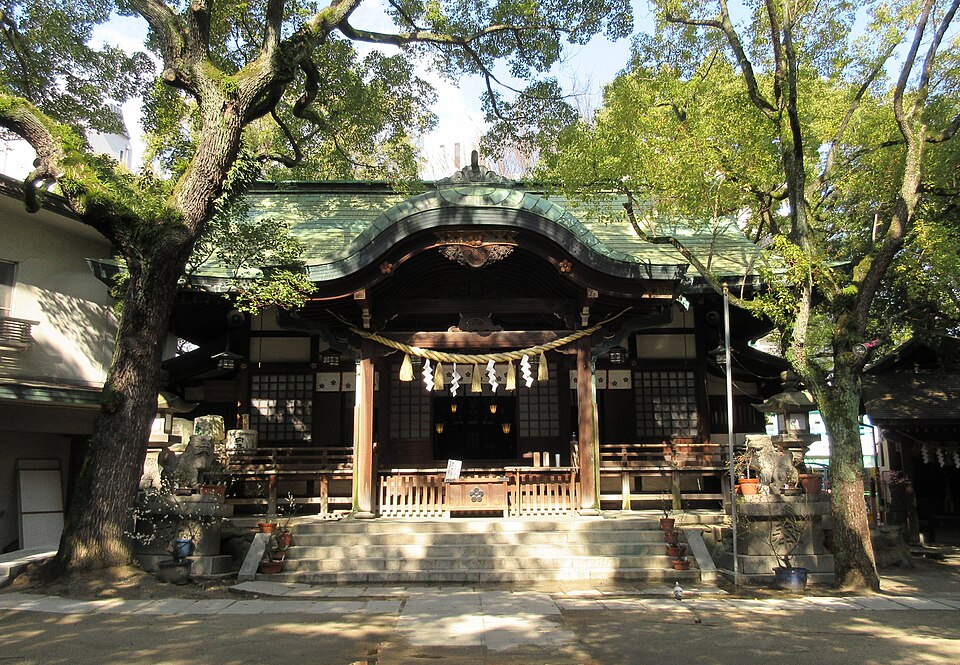
Fukushima Tenmangū is a Shinto shrine in Osaka's Fukushima Ward, dedicated to Tenjin, the deified scholar Sugawara no Michizane. The shrine holds significance as a place of worship for academic success and learning. Its local name is 福島天満宮. The shrine represents one of many Tenmangū shrines across Japan honoring this historical figure. Visitors come to pray for examinations, scholarly achievements, and intellectual pursuits. The shrine maintains traditional architectural elements characteristic of Japanese religious structures while serving as an active community spiritual center within urban Osaka.
Checked 2026-08-26
The shrine grounds contain the main hall and various subsidiary structures typical of Tenmangū shrines. Visitors will find sacred spaces for prayer and offering. The precinct includes natural elements such as trees that contribute to the contemplative atmosphere. Shrine buildings display traditional Japanese construction methods. Sacred objects and symbols associated with Tenjin worship are present. The grounds provide space for ritual activities and personal reflection. Specific interior contents, historical artifacts, and detailed architectural measurements are Not recorded pending review from authoritative sources.
Checked 2026-08-26
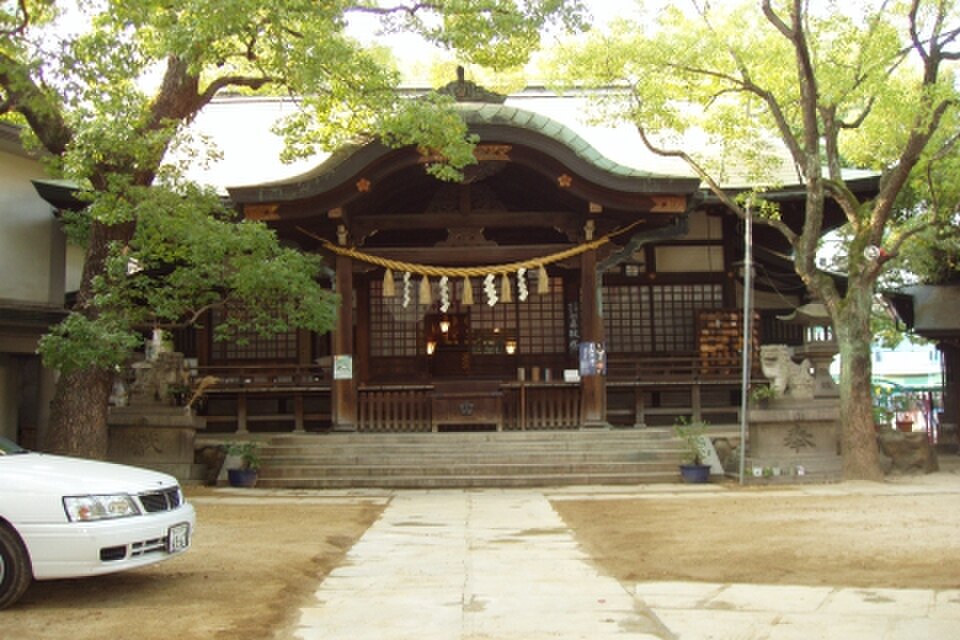
A visit to Fukushima Tenmangū typically requires approximately fifteen to thirty minutes for basic shrine observation and prayer. Visitors seeking a more contemplative experience may extend their stay. The compact urban location allows efficient integration into broader Osaka sightseeing itineraries. Those participating in formal rituals or visiting during festival periods should allocate additional time. The shrine's accessibility within the city makes it suitable for brief stops between other destinations. Individual pacing depends on personal spiritual practices and interest level in architectural observation.
Checked 2026-08-26
Operator-confirmed hours are Not recorded pending review. Visitors should consult official sources before planning their trip. Seasonal considerations include spring for plum blossoms, which hold symbolic association with Sugawara no Michizane, and autumn for changing foliage. Summer brings festival possibilities, while winter offers quieter atmosphere. The urban setting means year-round accessibility regardless of weather conditions. Morning visits typically provide calmer environments for prayer and reflection. Festival dates and special event schedules are Not recorded pending review from shrine authorities.
Checked 2026-08-26
Operator-confirmed prices are Not recorded pending review. Most Shinto shrines in Japan do not charge admission fees for general precinct access. Optional purchases may include omamori amulets, ema votive plaques, and omikuji fortune papers, with variable pricing. Visitors should carry cash for voluntary offerings and any optional items. Specific pricing structures, accepted payment methods, and any special access fees are Not recorded pending review. Budget-conscious travelers can experience the shrine without mandatory expenditures beyond personal choice. Fukushima Tenmangū also earns time in a osaka itinerary because A notable visitor place matched exactly to the production city pool by verified production identity. Its value becomes clearer when the stop is compared with the surrounding streets and the other ranked places nearby.
Checked 2026-08-26

Fukushima Tenmangū occupies a location in Osaka's Fukushima Ward, accessible via the city's extensive public transportation network. The nearest stations include those on the JR Loop Line and Osaka Metro systems. Walking from nearby stations through urban streets reaches the shrine precinct. Signage in Japanese assists navigation. Visitors should prepare mobile mapping applications or written directions. The central Osaka location facilitates combination with other regional attractions. Exact walking distances and optimal transit routes from specific stations are Not recorded pending review from transportation authorities.
Checked 2026-08-26
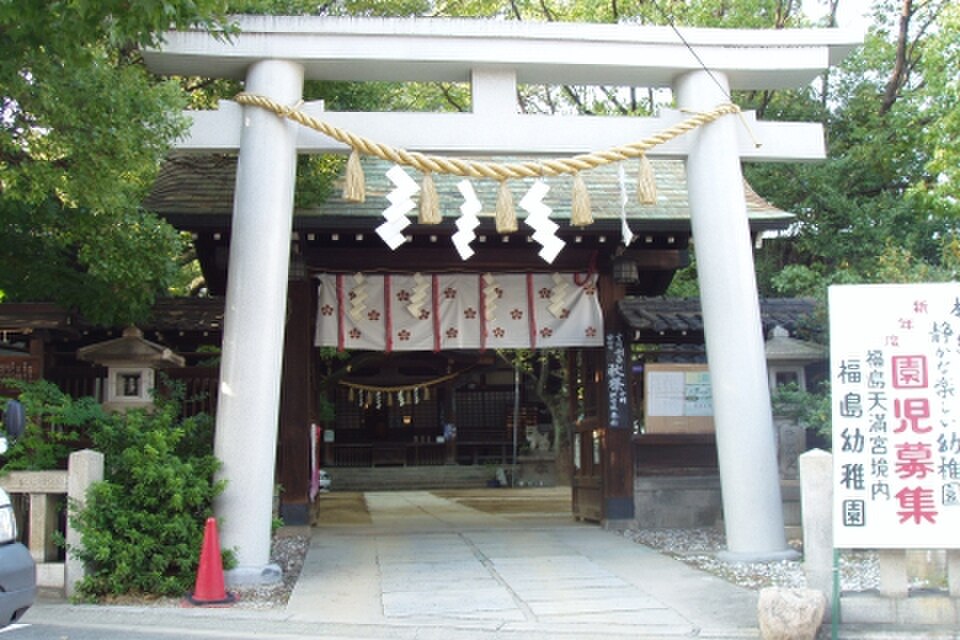
Visitors should observe standard Shinto shrine etiquette: bow upon entering through torii gates, cleanse hands and mouth at temizuya water pavilions when available, and maintain respectful quietude in prayer areas. Photography restrictions may apply in certain sacred spaces; observe posted signage. The urban location means surrounding streets carry regular traffic. Footwear should accommodate removal if entering interior spaces. Weather protection is advisable for outdoor precinct areas. Crowding levels fluctuate unpredictably. Personal belongings require standard urban vigilance. A flexible visit lets travellers connect Fukushima Tenmangū with the rest of the day without treating one room, viewpoint or photograph as the whole experience. The useful pace depends on personal interest and conditions on arrival.
Checked 2026-08-26
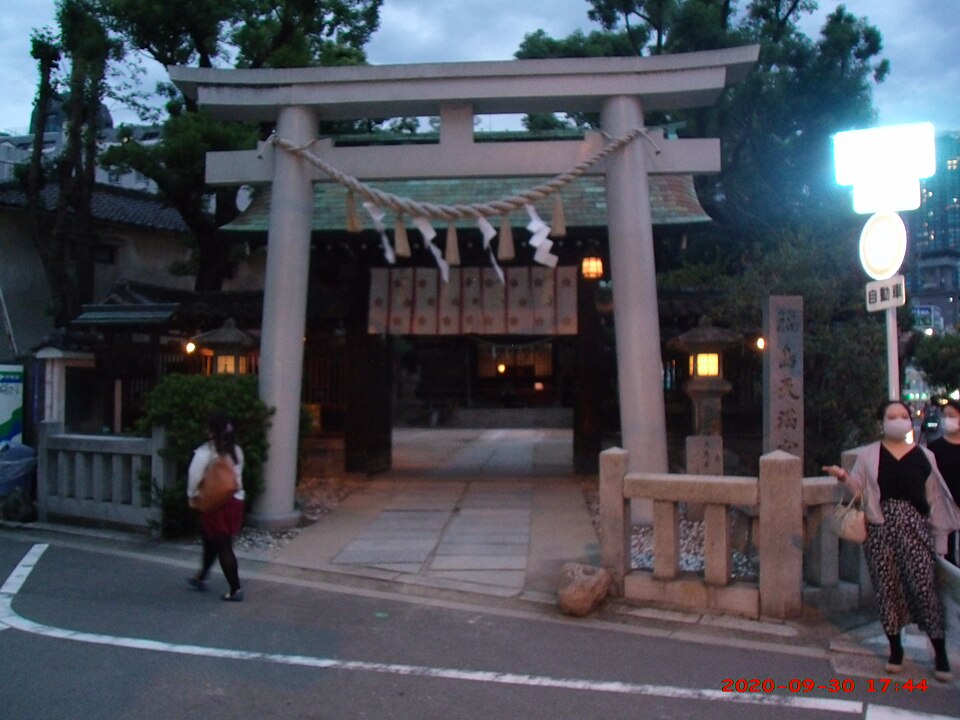
Photography opportunities encompass traditional shrine architecture, torii gates, and natural elements within the precinct. Visitors should exercise caution and respect religious sensitivities when capturing images. Tripod usage may require permission or be restricted. Interior photography of main halls typically faces limitations at active worship sites. Early morning and late afternoon lighting enhance architectural photography. Fellow visitors deserve privacy consideration. Commercial photography and drone operation require explicit authorization. Specific posted regulations at the shrine entrance should guide final photographic decisions.
Checked 2026-08-26
No. This shrine is located in Fukushima Ward, Osaka, and shares only a name with the prefecture affected by the 2011 disaster. They are geographically and administratively distinct locations.
Yes. As a Tenmangū dedicated to Sugawara no Michizane, patron deity of learning, students traditionally pray here for academic achievement and examination success.
Availability of English materials is Not recorded pending review. Visitors should not assume English support and may prepare translation applications.
Specific accessibility features and barrier-free accommodations are Not recorded pending review. Urban shrine grounds may present variable surface conditions.
Shrine amulets are commonly available at Tenmangū shrines, though specific inventory and pricing at this location are Not recorded pending review.
Festival schedules and dates are Not recorded pending review. Tenmangū shrines typically observe festivals associated with Tenjin, but visitors should verify current information with shrine authorities.
Loading the interactive map…
The interactive map could not be loaded.

Last updated:
Source: OpenStreetMap contributors, Wikidata ·