
6 min walk
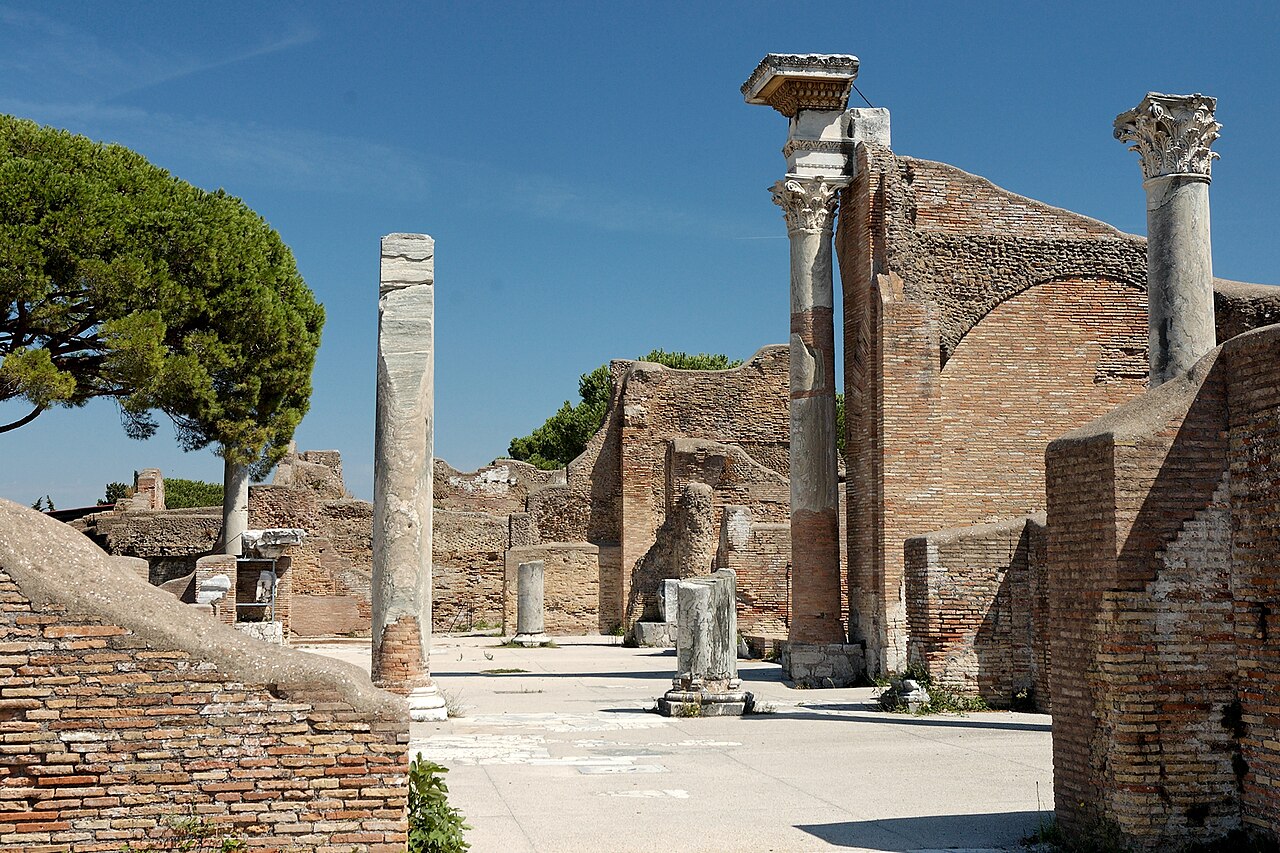
Loggia di Cartilio Poplicola (IV,IX,1)
- High
- Historic monument
Language · 11 published
Historic monument · Rome
| Monday | Closed |
|---|---|
| Tuesday | 08:30 – 19:00 |
| Wednesday | 08:30 – 19:00 |
| Thursday | 08:30 – 19:00 |
| Friday | 08:30 – 19:00 |
| Saturday | 08:30 – 19:00 |
| Sunday | 08:30 – 19:00 |
Checked 2026-08-31 · Source
Read from the OpenStreetMap access tags; anything not listed has no tag recorded.
Set the group type to family in the planner and the day window contracts to about three quarters of a solo day.
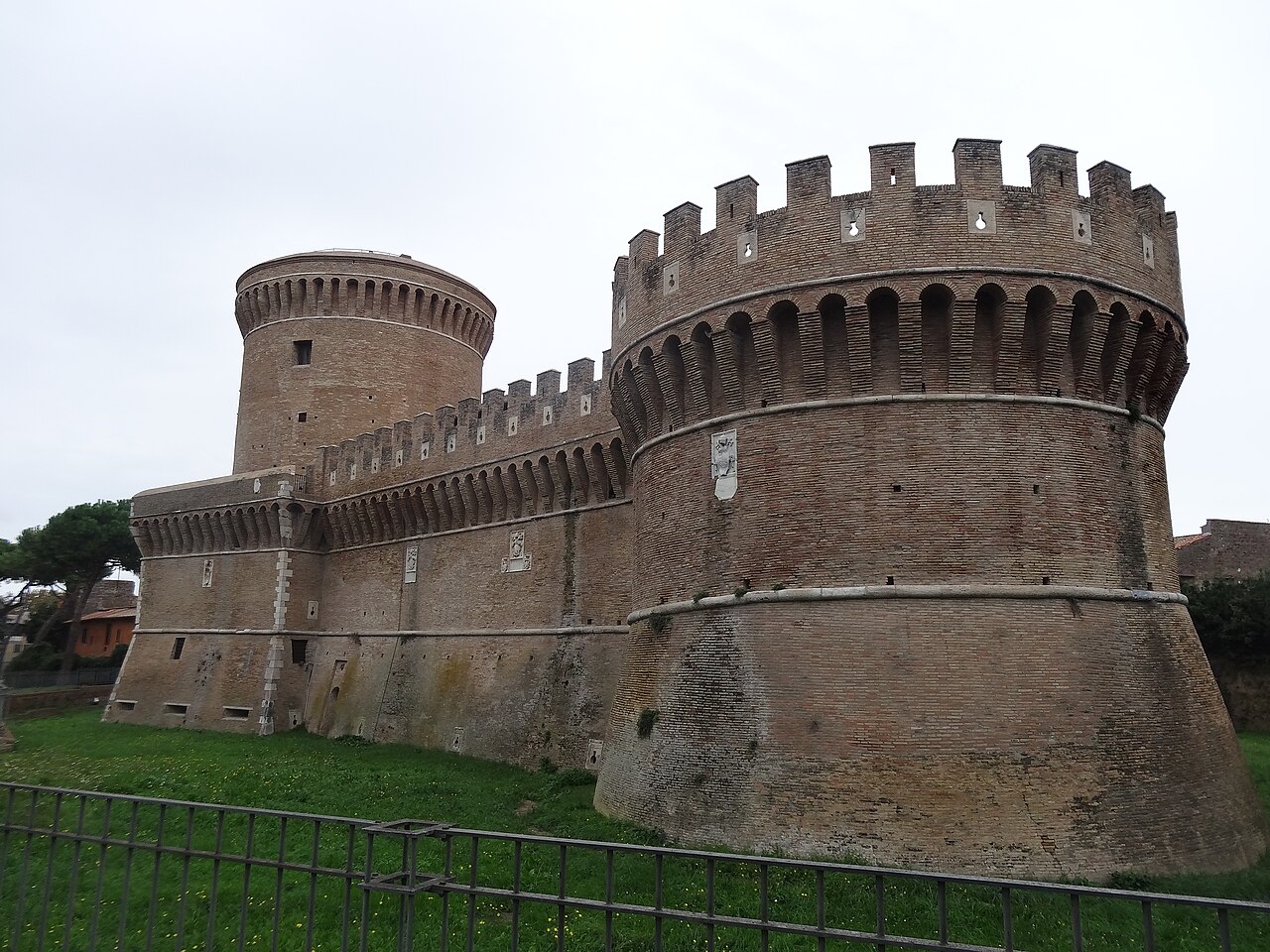
Ostia Antica is a large archaeological site located near Rome, preserving the remains of the ancient port city of Ostia. The site served as Rome's primary seaport for centuries, handling imports across the Mediterranean before silting and changing river courses led to its decline. Today it stands as one of Italy's most significant Roman ruins, offering extensive exploration of urban planning, commercial life, and domestic architecture from antiquity. The preserved streets, buildings, and artifacts provide substantial evidence of daily existence in a major Roman settlement outside the capital itself.
Checked 2026-08-26
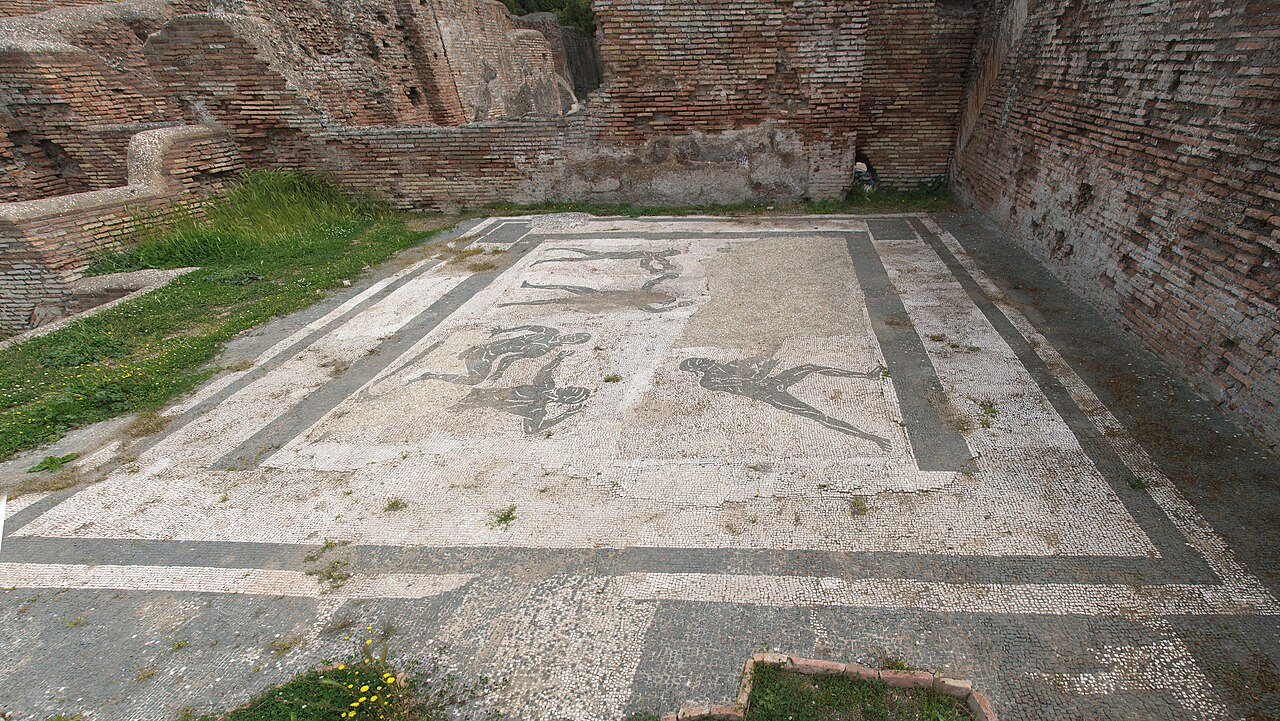
The archaeological zone contains numerous identifiable structures including a theatre, forum, baths, warehouses, shops, residences, and religious buildings. Mosaics and frescoes survive in various states of preservation across these spaces. The site layout reveals a functioning harbor city with clear commercial, residential, and public zones. Visitors can walk along ancient paved roads and enter multiple building interiors. The scale of preservation permits understanding of Roman urban organization. Specific artifact collections and their current display locations within or adjacent to the site are Not recorded pending review.
Checked 2026-08-26
A thorough visit to Ostia Antica requires substantial time commitment given the site's extensive footprint. Many visitors allocate a half-day or full day depending on depth of interest in archaeological examination. The open terrain and lack of modern shelter over much of the site means exposure to weather conditions throughout the visit. Comfortable footwear is essential for navigating uneven ancient surfaces. Those with limited mobility should assess path conditions carefully. The unshaded nature of large portions demands appropriate preparation for sun exposure during longer stays.
Checked 2026-08-26

Seasonal conditions significantly affect the visiting experience at this exposed archaeological site. Summer months bring intense sun and heat across the largely unshaded ruins, potentially causing discomfort during extended exploration. Spring and autumn generally offer more temperate conditions for outdoor walking. Winter visits encounter cooler temperatures and possible rain, with some surfaces becoming slippery. Visitors should verify current opening schedules through official channels before planning, as archaeological sites may adjust access seasonally or for maintenance without extensive advance publicity. Check the operator's own site for the travel date before relying on a schedule or fare.
Checked 2026-08-26
Admission requirements and access procedures apply to all visitors entering the archaeological zone. The site operates under heritage management authorities with established entry protocols. Various visitor categories may qualify for modified admission conditions according to standard Italian cultural site practices, though specific current eligibility and documentation requirements are Not recorded pending review. Visitors should consult official sources directly for current fee structures, available concession categories, and any reservation systems that may be in operation, particularly during periods of high demand. Check the operator's own site for the travel date before relying on a schedule or fare.
Checked 2026-08-26

Ostia Antica lies southwest of Rome's historic center, accessible by regional train service from Porta San Paolo station near the Piramide metro stop. The journey takes approximately thirty minutes. The archaeological site sits near the train station of the same name, permitting arrival without vehicle dependency. This public transport connection makes independent visiting feasible without organized tour participation. Return services operate with sufficient frequency for flexible departure timing. Visitors should verify current schedules as railway services may experience modifications. The route passes through contemporary urban and suburban landscapes before reaching the ancient site location.
Checked 2026-08-26
The archaeological environment presents physical hazards requiring visitor awareness. Uneven paving stones, irregular thresholds, and varying floor levels throughout ancient structures create trip risks. Some areas lack protective barriers at elevated positions or excavated drops. The extensive site means significant walking distances without reliable points for rest, water, or shelter. Mobile telephone coverage may be inconsistent across the zone. Visitors should carry adequate water and sun protection given limited commercial services within the archaeological area itself. Emergency assistance access may be delayed due to the site's size and layout.
Checked 2026-08-26

The open-air archaeological setting provides varied photographic opportunities across substantial terrain. Early and late daylight hours offer favorable illumination angles across the ruins and their textural surfaces. The site's scale permits compositions ranging from architectural detail to broader urban landscape views. Tripod use policies and any restrictions on commercial or specialized photography equipment are Not recorded pending review. Interior spaces with surviving decorative elements present challenging light conditions. Visitors should exercise judgment regarding appropriate behavior at archaeological sites, including refraining from touching or climbing structures for photographic positioning, which accelerates deterioration of ancient materials.
Checked 2026-08-26
No. Ostia Antica is the archaeological site of the ancient Roman port city, located inland from the coast due to historical shoreline changes. The modern Lido di Ostia is a separate coastal suburb of Rome with different character and attractions.
The site's substantial size makes combining with distant attractions challenging. Some visitors pair it with the nearby modern town or coastal area, though thorough exploration of the archaeology alone consumes significant time.
Formal guided tour availability, scheduling, and languages offered are Not recorded pending review. Visitors may encounter independent guides or arrange services through external providers, though official on-site offerings should be verified directly.
The ancient terrain presents significant accessibility challenges. Surfaces are uneven, thresholds are irregular, and many areas lack modern modifications. Prospective visitors with mobility considerations should seek current specific accessibility information from official sources before visiting.
Extensive commercial services within the site boundaries are Not recorded pending review. Visitors should prepare accordingly, carrying provisions particularly for longer visits, as the area's scale means considerable distance between any available refreshment points.
Both preserve Roman urban environments, though Ostia Antica receives fewer visitors, potentially permitting more contemplative exploration. The sites differ in destruction circumstances, preservation conditions, and surrounding modern development. Individual preference depends on priorities regarding crowd levels, travel distance from Rome, and specific architectural interests.
Loading the interactive map…
The interactive map could not be loaded.
Last updated:
Source: OpenStreetMap contributors, Wikidata ·

.jpg)
.jpg)
.jpg)