2 min walk
Catacombs of San Sebastiano
- Must see · Heritage site
- Historic monument
Language · 11 published
Historic monument · Rome
Via Appia Antica
| Monday | 00:00 – 23:59 |
|---|---|
| Tuesday | 00:00 – 23:59 |
| Wednesday | 00:00 – 23:59 |
| Thursday | 00:00 – 23:59 |
| Friday | 00:00 – 23:59 |
| Saturday | 00:00 – 23:59 |
| Sunday | 00:00 – 23:59 |
Checked 2026-08-31 · Source
Read from the OpenStreetMap access tags; anything not listed has no tag recorded.
Set the group type to family in the planner and the day window contracts to about three quarters of a solo day.
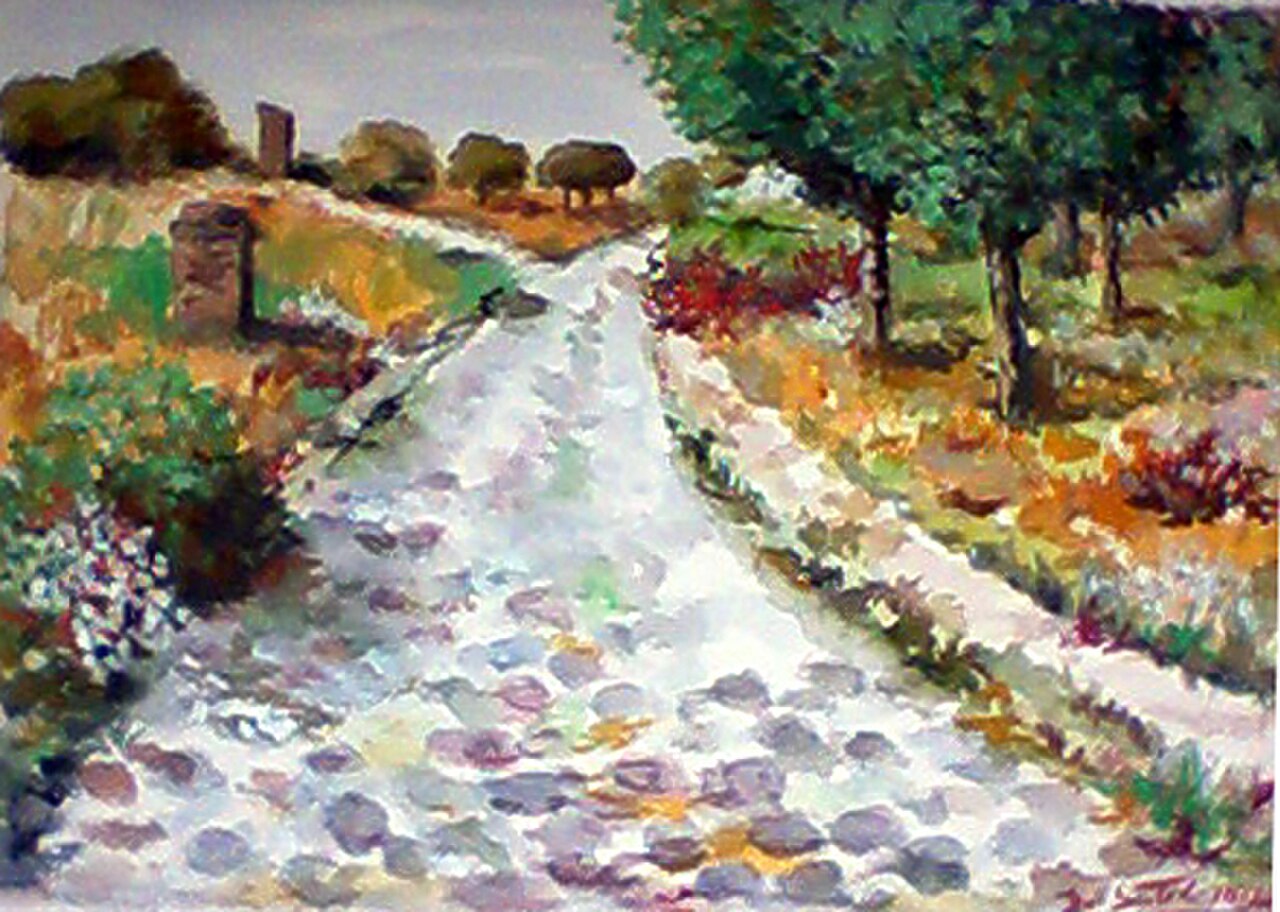
The Appian Way, or Via Appia Antica, is one of ancient Rome’s oldest roads. Construction began in 312 BCE, creating a military and commercial route from Rome toward Brindisi in southeastern Italy. The surviving Roman road forms the backbone of an archaeological park and open-air museum. Ancient paving, tombs, mausoleums and rural landscapes remain visible within modern Rome. The Appian Way suits travellers who want to leave the dense historic centre and experience Roman history through a long, atmospheric landscape rather than a single enclosed monument. Via Appia Antica is one of the oldest and most historically significant roads of ancient Rome, originally constructed in 312 BCE. The ancient basalt paving is extremely uneven with significant gaps between stones. Standard wheelchairs and strollers face substantial difficulties. Some modern parallel paths may offer limited alternatives, but comprehensive accessibility cannot be assured. Visitors with mobility concerns should research specific route options in advance.
Checked 2026-08-26 · Source
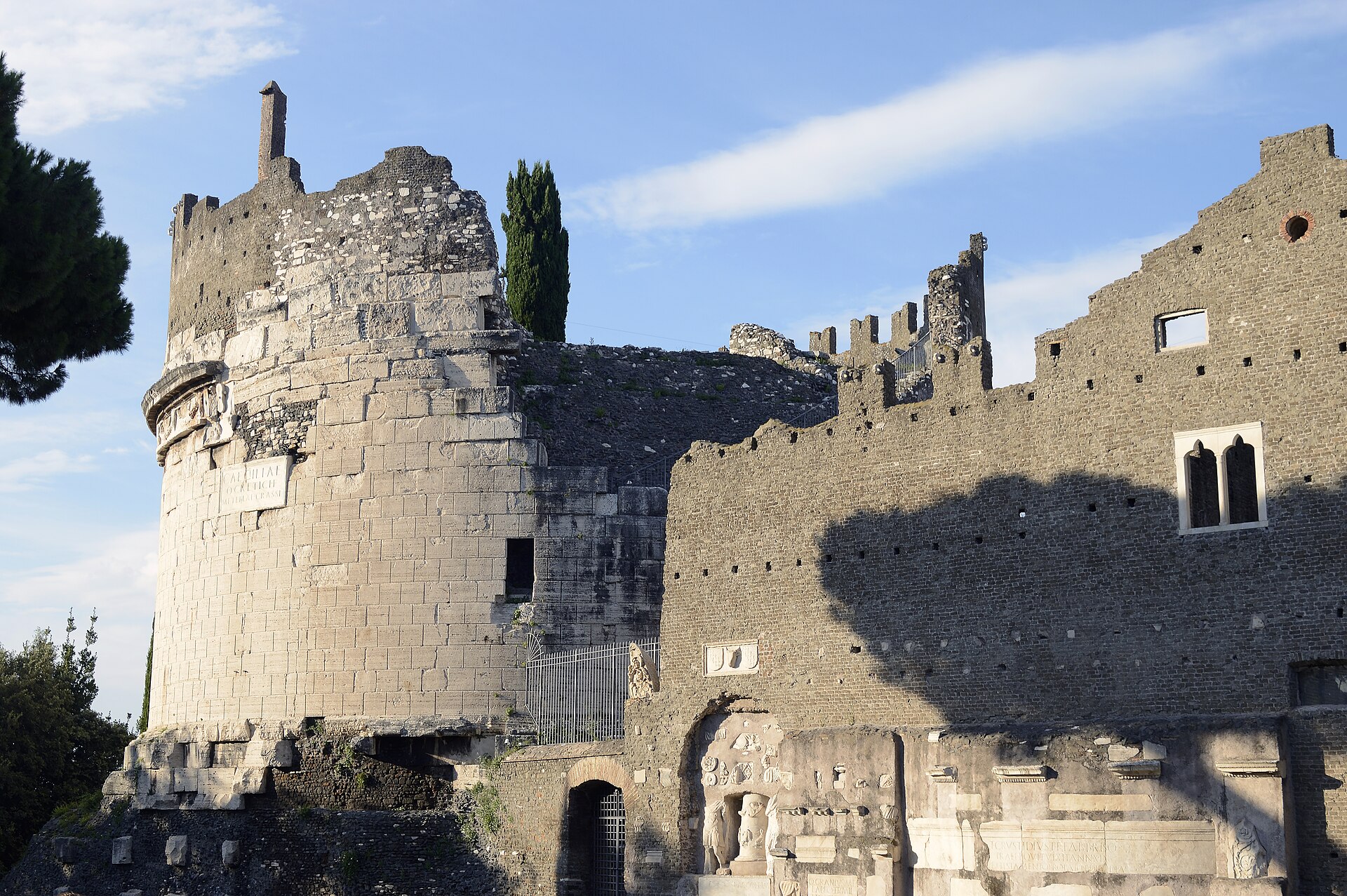
The road preserves substantial stretches of basalt paving, with funerary monuments and mausoleums continuing along the route. Roman burial law kept cemeteries outside the city walls, so the roadside monuments reveal how the ancient approach to Rome was used and experienced. Christian catacombs lie nearby, adding later religious history to the earlier Roman landscape. Pines, cypresses and Mediterranean vegetation frame the stones and tombs. The strongest experience comes from seeing the road, monuments and countryside together, with each element explaining the setting of the others.
Checked 2026-08-26 · Source
Plan the Appian Way as a half-day outing if you want to walk several kilometres and pause at monuments or catacombs. A shorter visit can focus on one accessible stretch, while a bicycle makes it easier to cover more of the archaeological park. The original road ran for about 560 kilometres to Brindisi, but the Roman segment near Rome is not a continuous walking route to the southern Italian city. Your time depends on whether the priority is walking, cycling, monuments, catacombs or photography.
Checked 2026-08-26 · Source
Spring and autumn offer the most comfortable conditions for a long outdoor walk, with milder temperatures than the height of summer. Summer brings strong sun, intense heat and limited shade beside much of the road. Winter can bring rain and muddy ground on unpaved sections. Early morning is useful in every season because the air is cooler and the road is quieter. Wear sun protection in warm weather and leave room in the day for the slower pace created by uneven paving and monument stops.
Checked 2026-08-26 · Source
The ancient road itself functions as a public route and does not typically require payment. Nearby monuments, museums and catacombs use separate admission arrangements, so an outing on the Appian Way can combine free walking with individually ticketed visits. The Catacombs of San Callisto and comparable sites have their own entry systems. Guided tours add a separate cost, as do bicycle rentals. Treat each attraction beside the road as its own stop when planning time and spending, rather than treating the archaeological park as one universal ticket.
Checked 2026-08-26 · Source
Buses connect central Rome with parts of the Via Appia Antica, but the final approach can involve a substantial walk along the historic road. A private car can reach designated parking areas, while sensitive sections of the ancient route restrict vehicle use. Cycling is a practical way to link monuments over a longer distance, with rental providers in Rome serving this type of outing. Walking directly from a metro station is generally a poor choice because the archaeological park stretches well beyond the central tourist area.
Checked 2026-08-26 · Source
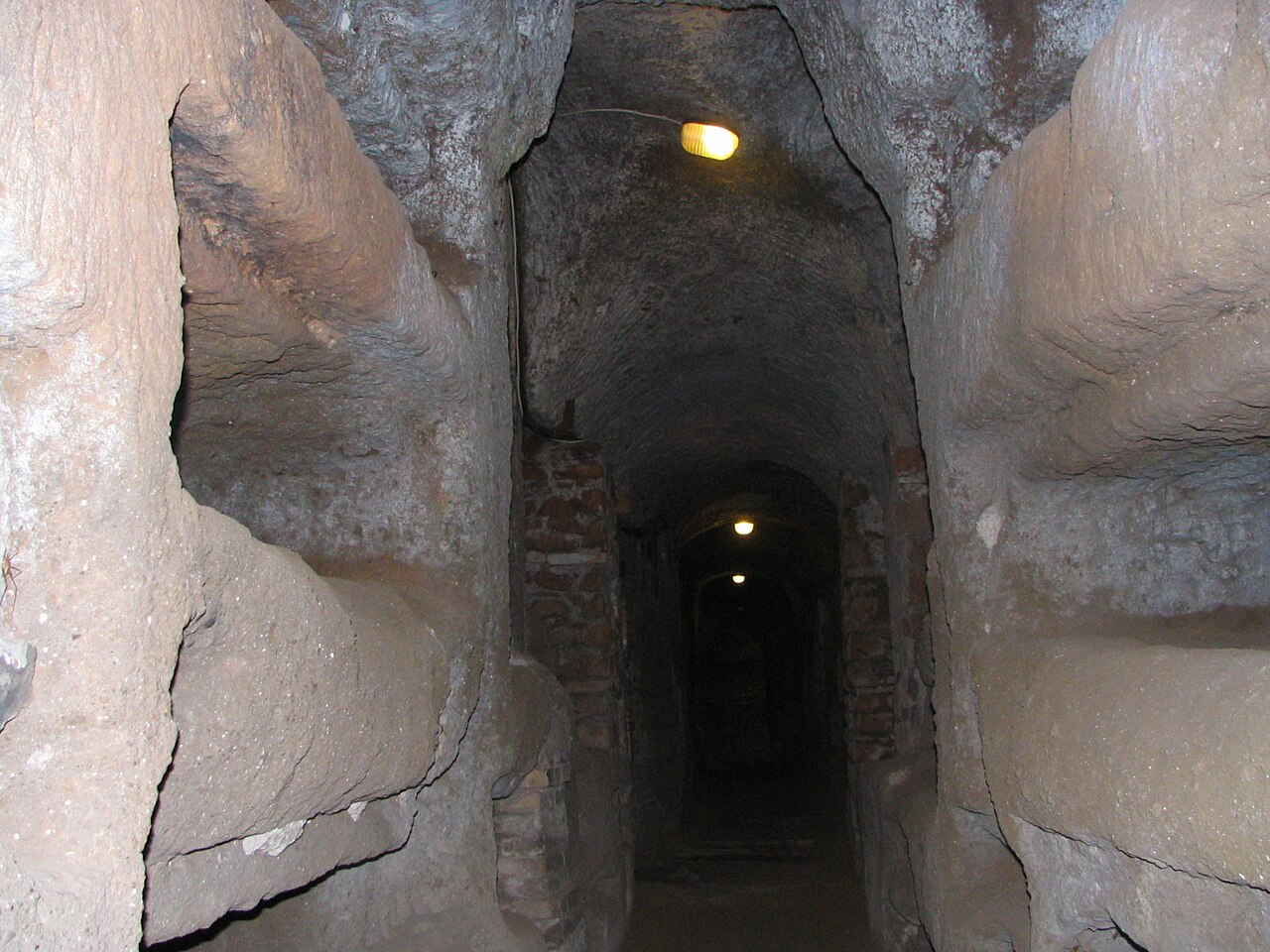
Ancient basalt paving is deeply uneven, with gaps and raised stones that make sturdy footwear essential. Motor vehicles share some sections, so keep to a safe line and watch approaching traffic. Shade and facilities are limited; carry water and sun protection for longer walks. The park includes isolated stretches and privately owned land, so stay on public routes and respect boundaries. Catacombs require descents into narrow underground passages, which can be difficult for wheelchair users and uncomfortable for visitors who dislike enclosed spaces.
Checked 2026-08-26 · Source
The Appian Way is especially rewarding for photographs that combine the road’s linear perspective with tombs, cypresses and open countryside. Morning and late-afternoon light bring out the texture of the basalt and the weathered surfaces of funerary monuments. A wide lens shows the relationship between road and landscape; a longer lens isolates details in the masonry. Catacomb interiors may restrict photography or flash, and tripods can obstruct walkers and vehicles on the road. Treat burial places with restraint and follow the rules of each enclosed site.
Checked 2026-08-26 · Source
The ancient basalt paving is extremely uneven, with large gaps and raised stones that make standard wheelchairs and strollers difficult to use.
No. The original route covered about 560 kilometres and crosses modern infrastructure, developed areas and private land. The archaeological park near Rome preserves the principal visitor sections.
Uneven basalt paving, gaps between stones, limited shade and occasional vehicle traffic make the route more demanding than an ordinary city street.
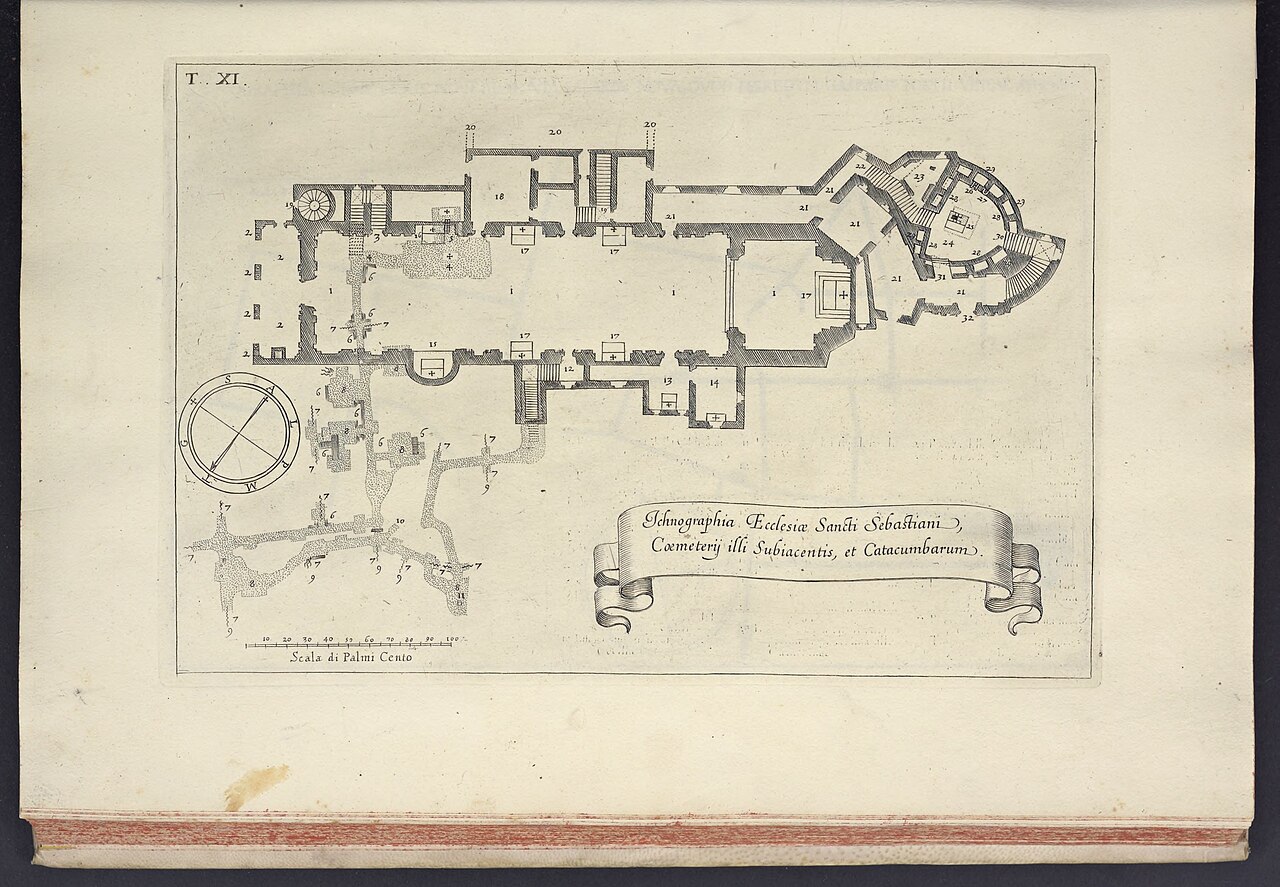
Yes. Christian catacombs stand near the road, so visitors can combine outdoor walking with an underground archaeological and religious site.
Yes. Cycling is a practical way to cover more of the archaeological park and connect monuments over distances that would take longer on foot.
The public road itself does not typically require payment, but nearby museums, monuments and catacombs use separate admission systems.
Loading the interactive map…
The interactive map could not be loaded.
Last updated:
Source: OpenStreetMap contributors ·