_07.jpg)
_-_information_board_01.jpg)
_-_information_board_02.jpg)
_-_information_board_03.jpg)
_-_tourist_sign_01.jpg)
_-_tourist_sign_02.jpg)
29 min walk
church Santa Maria Maddalena
- Notable · Heritage site
- Historic monument
Language · 1 published
Historic monument · Milan
Monastero di San Nicolao
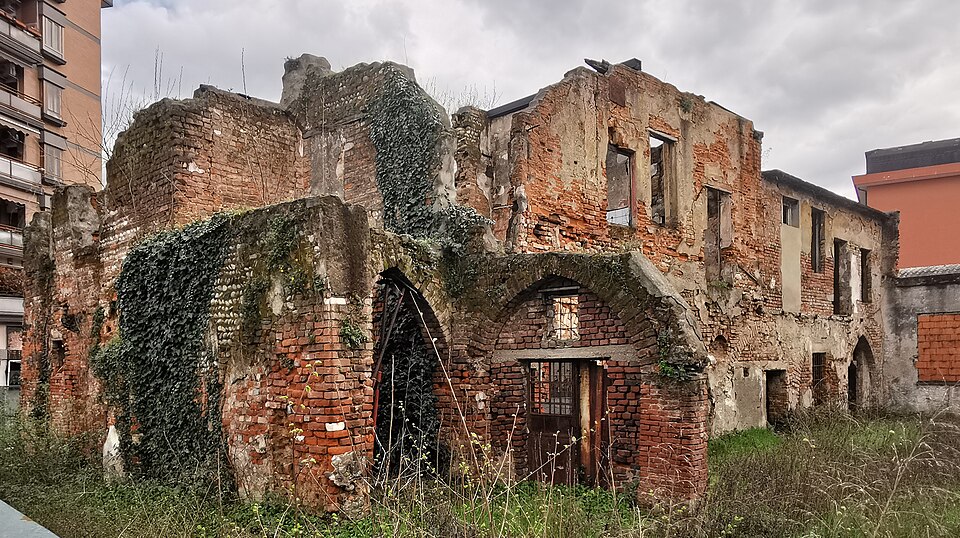
The Monastero di San Nicolao is a historic religious complex in Milan, associated with the Benedictine tradition. Its origins trace back centuries, reflecting the deep monastic heritage embedded in the city's urban fabric. The structure represents an important layer of Milan's ecclesiastical architecture, though it remains less prominent than the city's major cathedral or basilicas. Visitors encountering this site will find a building that speaks to Milan's broader narrative of religious foundations, charitable institutions, and the quiet persistence of monastic life alongside the city's commercial and cultural evolution. Its preservation contributes to understanding Milan's diverse sacred landscape.
Checked 2026-08-26
The interior features and specific artistic contents of the Monastero di San Nicolao are Not recorded in available sources. Monasteries of this period and type typically contained chapels, cloisters, refectories, and cells arranged around central courtyards, but no verified inventory of artworks, altarpieces, frescoes, or architectural details has been confirmed for this particular site. Visitors should not expect documented masterpieces comparable to those in Milan's more famous churches. The building's significance lies primarily in its institutional and architectural presence rather than in a catalogued collection of artistic treasures accessible to the public.
Checked 2026-08-26
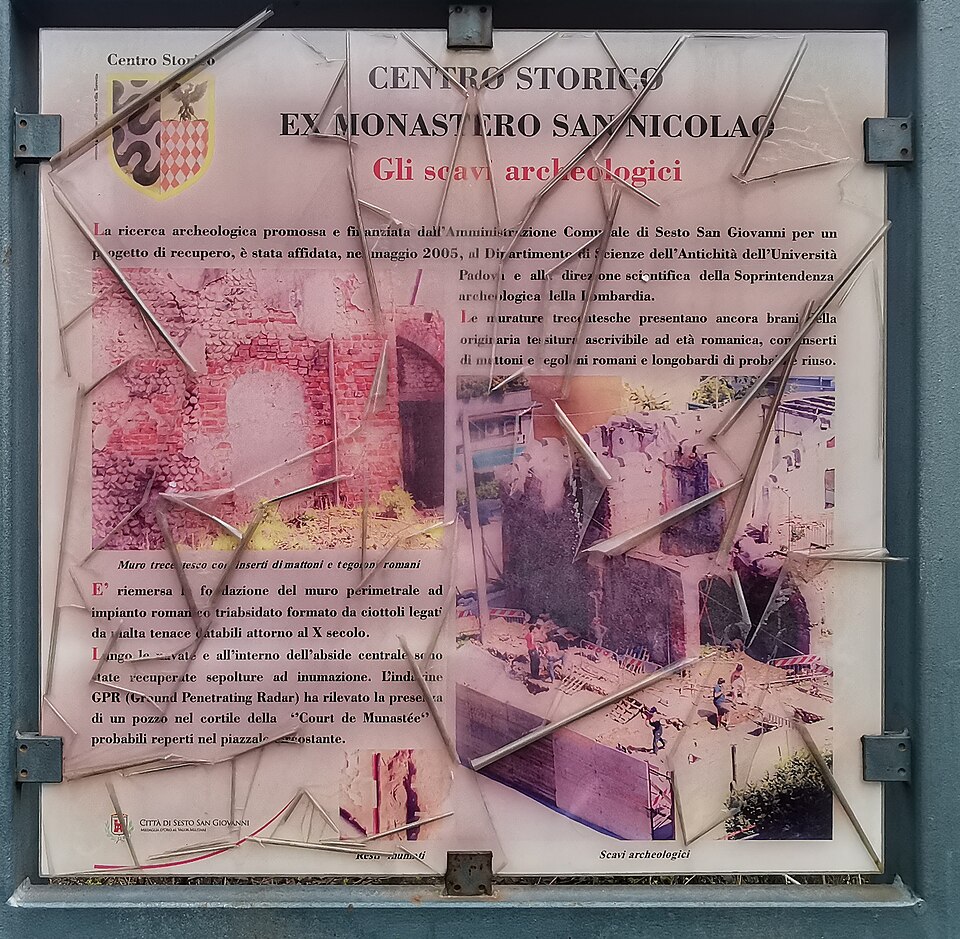
A visit to the Monastero di San Nicolao would likely require between thirty minutes and one hour, assuming standard access to exterior and limited interior spaces. This estimate reflects typical engagement with modest-scale religious sites rather than extensive museum complexes. Visitors should adjust expectations downward if the monastery maintains restricted access or active religious use limiting public circulation. The surrounding neighborhood may warrant additional exploration, but the site itself does not appear to demand prolonged visitation. Planning for a brief stop within a broader itinerary of Milan's northern or central districts would represent prudent scheduling.
Checked 2026-08-26
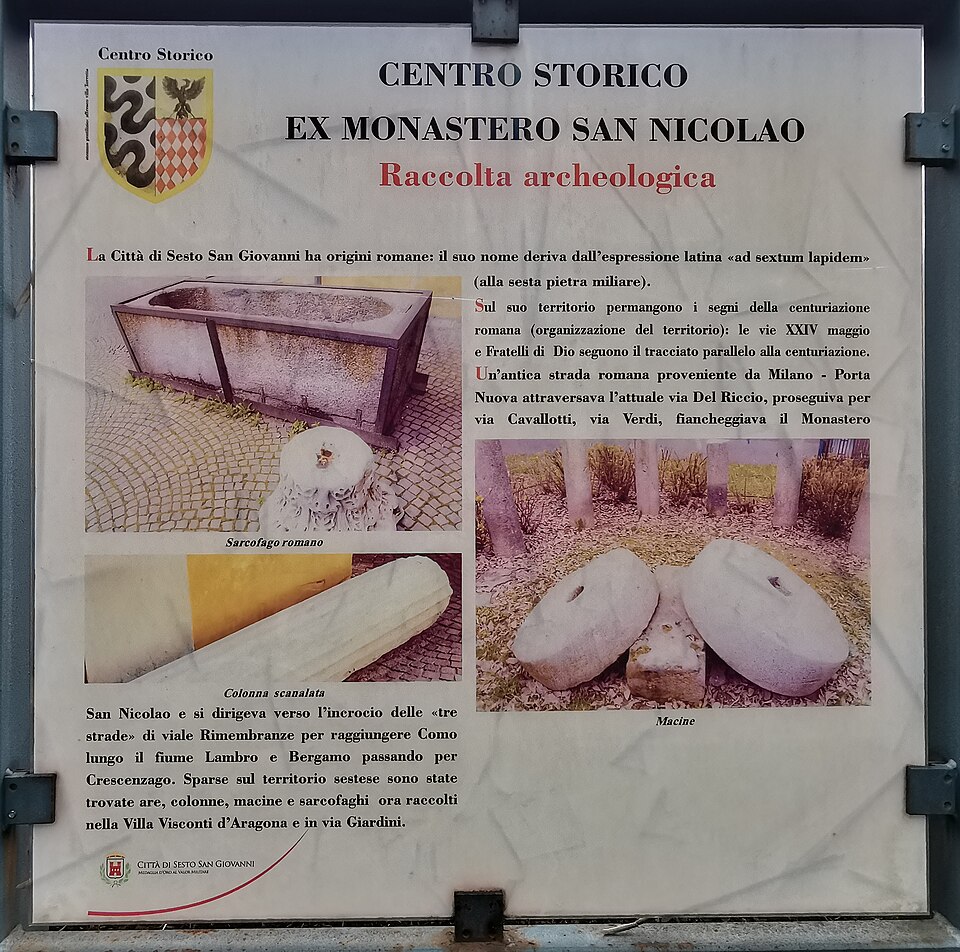
Operator-confirmed hours are Not recorded pending review. Visitors should not rely on assumed schedules for monastic sites, as active religious institutions often maintain irregular public access or restrict entry to specific liturgical times. Seasonal variations, feast days, and monastic observances may further complicate accessibility. Prior verification through direct contact or the referenced tourism portal is strongly advised before making a dedicated journey. Morning hours traditionally offer better prospects for encountering open religious sites in Italy, but this generalization does not constitute confirmed guidance for this specific monastery. Advance planning remains essential.
Checked 2026-08-26
Operator-confirmed prices are Not recorded pending review. Many historic religious sites in Milan operate without admission fees, particularly those maintaining active worship functions rather than museum conversions. However, voluntary donations may be solicited for maintenance or restoration purposes. Visitors should not assume free entry without verification, nor should they budget for standard museum ticketing. The absence of documented pricing structures in supplied sources precludes definitive guidance. Carrying modest cash for discretionary contributions represents reasonable preparation, but no specific amount can be recommended based on available information.
Checked 2026-08-26

The Monastero di San Nicolao is situated within Milan's urban core, accessible via the city's integrated public transportation network of metro, tram, and bus services. Milan's transit system operates extensively, with multiple lines serving central districts. Walking from nearby metro stations represents the most probable approach, though specific station names and walking distances are Not recorded. Visitors familiar with Italian city navigation should apply standard practices: consulting current transit maps, allowing for pedestrian connections, and recognizing that street-level wayfinding in historic districts often presents irregular layouts. Taxi or ride services offer alternatives but provide no confirmed advantage.
Checked 2026-08-26

Visitors should recognize that active monastic sites impose behavioral expectations distinct from secular attractions. Modest dress covering shoulders and knees typically applies to religious buildings in Italy. Photography restrictions may apply without posted signage, requiring verbal confirmation. Silence protocols could be enforced in prayer areas or cloisters. Accessibility limitations including stairs, uneven flooring, and absence of modern accommodations should be anticipated in historic structures. The monastery may lack visitor amenities such as restrooms, seating, or shelter from weather. Respect for resident communities takes precedence over tourist convenience at functioning religious institutions.
Checked 2026-08-26
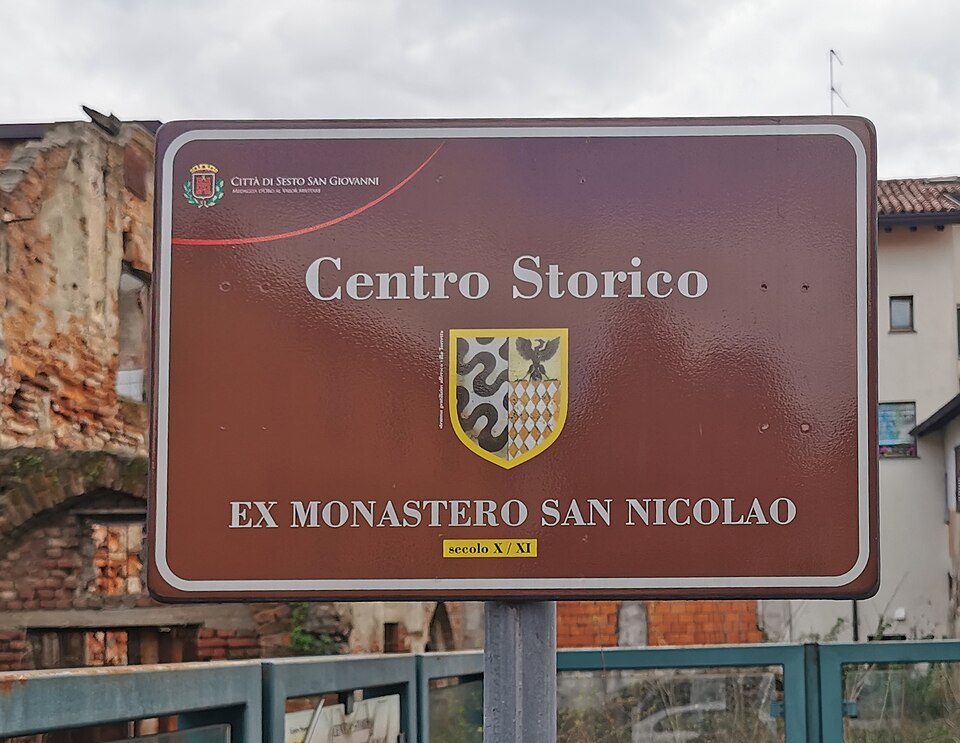
Photography policies at the Monastero di San Nicolao are Not recorded. Visitors must not assume permission to photograph interiors, exteriors, or religious activities. Italian monastic sites frequently prohibit interior photography entirely or restrict it to non-flash capture of architectural elements excluding altars and worshippers. Even where photography is technically permitted, discretion regarding resident privacy and devotional atmosphere remains obligatory. Exterior photography from public thoroughfares generally encounters fewer restrictions but should still avoid intrusive angles into private courtyards or living quarters. When uncertain, verbal inquiry to present attendants represents the only reliable practice.
Checked 2026-08-26
Public access status is Not recorded. Active monasteries often restrict entry; direct verification is essential.
Guided tour availability is Not recorded. No structured visitor program is documented in supplied sources.
Accessibility features are Not recorded. Historic religious sites typically present physical barriers to mobility-impaired visitors.
Service schedules and visitor participation policies are Not recorded. Inquiries to the institution directly would be required.
Commercial visitor facilities are Not recorded. Active monasteries generally do not operate retail amenities for tourists.
The Monastero di San Nicolao represents a secondary religious site without the documented artistic or architectural prominence of Milan's cathedral or major basilicas.
Loading the interactive map…
The interactive map could not be loaded.
Last updated:
Source: OpenStreetMap contributors, Wikidata ·