


.jpg)

2 min walk
Milan Cathedral
- Must see · Heritage site
- Historic monument
Language · 1 published
Historic monument · Milan
Galleria Vittorio Emanuele Secondo

The Galleria Vittorio Emanuele II is a historic shopping arcade in central Milan, Italy. Named after the first king of unified Italy, it opened in 1877 and represents one of Europe's oldest covered shopping galleries. The structure features a distinctive glass-and-iron dome and ornate neo-Renaissance architecture. It connects Piazza del Duomo with Piazza della Scala, forming a pedestrian thoroughfare between two of Milan's most significant public spaces. The galleria serves as both commercial destination and architectural monument. Galleria Vittorio Emanuele II also earns time in a milan itinerary because A primary visitor landmark supported by the three required source families and matched exactly to the production city pool. Its value becomes clearer when the stop is compared with the surrounding streets and the other ranked places nearby.
Checked 2026-08-26
The galleria contains luxury retail establishments, restaurants, and cafes along its four-story arcades. The floor displays intricate mosaic patterns incorporating symbols of Italian cities. High-end fashion houses maintain flagship presence within the historic structure. The central octagonal space beneath the dome functions as the galleria's focal point. Historic cafes with established reputations occupy ground-level positions. Upper levels contain additional commercial and hospitality spaces. The architectural details include ironwork, glass panels, and painted decorations throughout the vaulted passageways.
Checked 2026-08-26
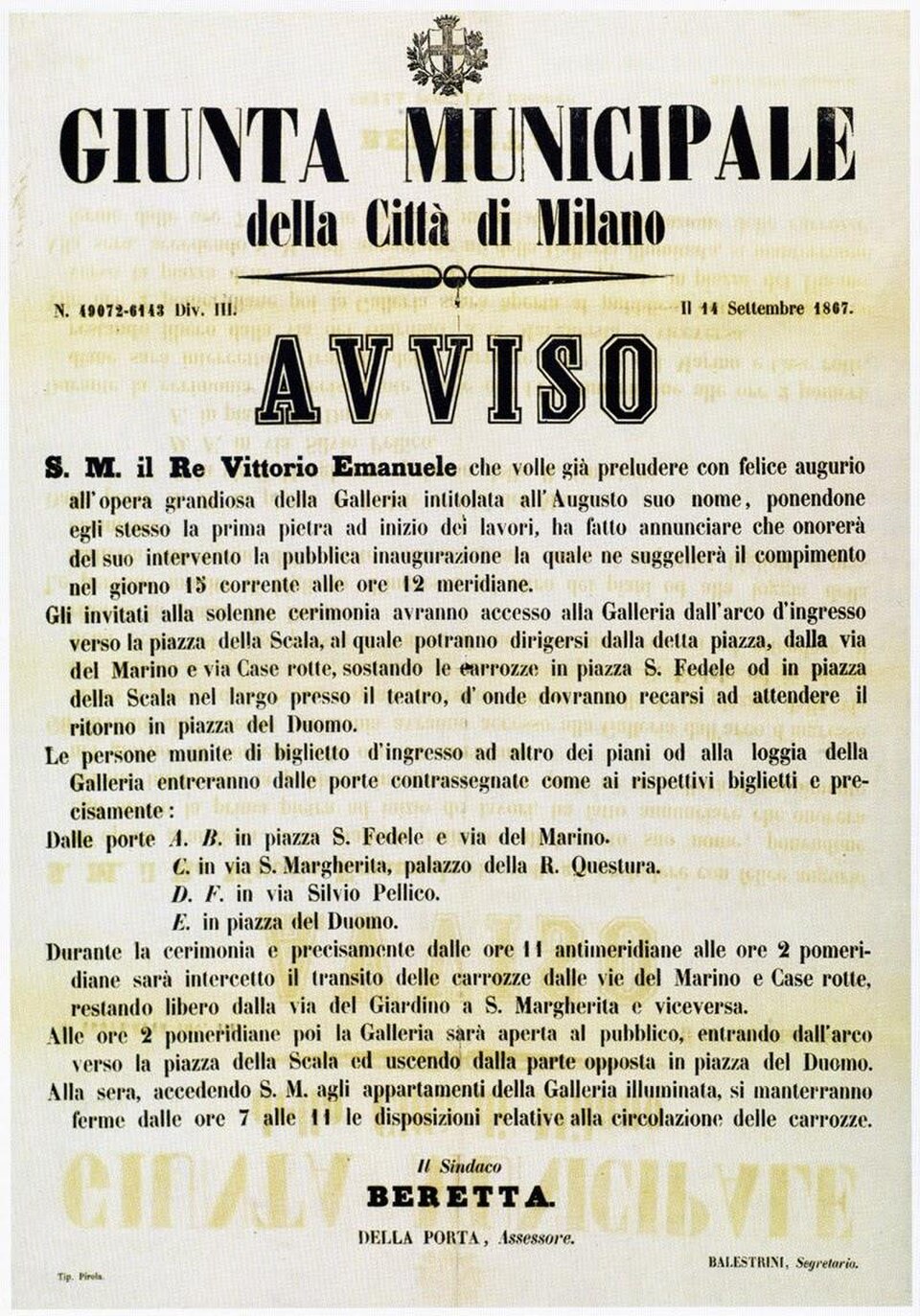
Visitor duration varies substantially based on purpose. Casual passage through the connecting arcades requires approximately fifteen to twenty minutes. Shopping visits extend considerably depending on retail engagement. Dining or cafe stops add thirty to ninety minutes. Architecture enthusiasts typically spend twenty to forty minutes examining structural details and mosaics. The galleria functions as thoroughfare for many Milan residents and workers, suggesting brief transit times are common. Evening visits for atmosphere or dining extend typical stays. No guided tour duration is recorded.
Checked 2026-08-26
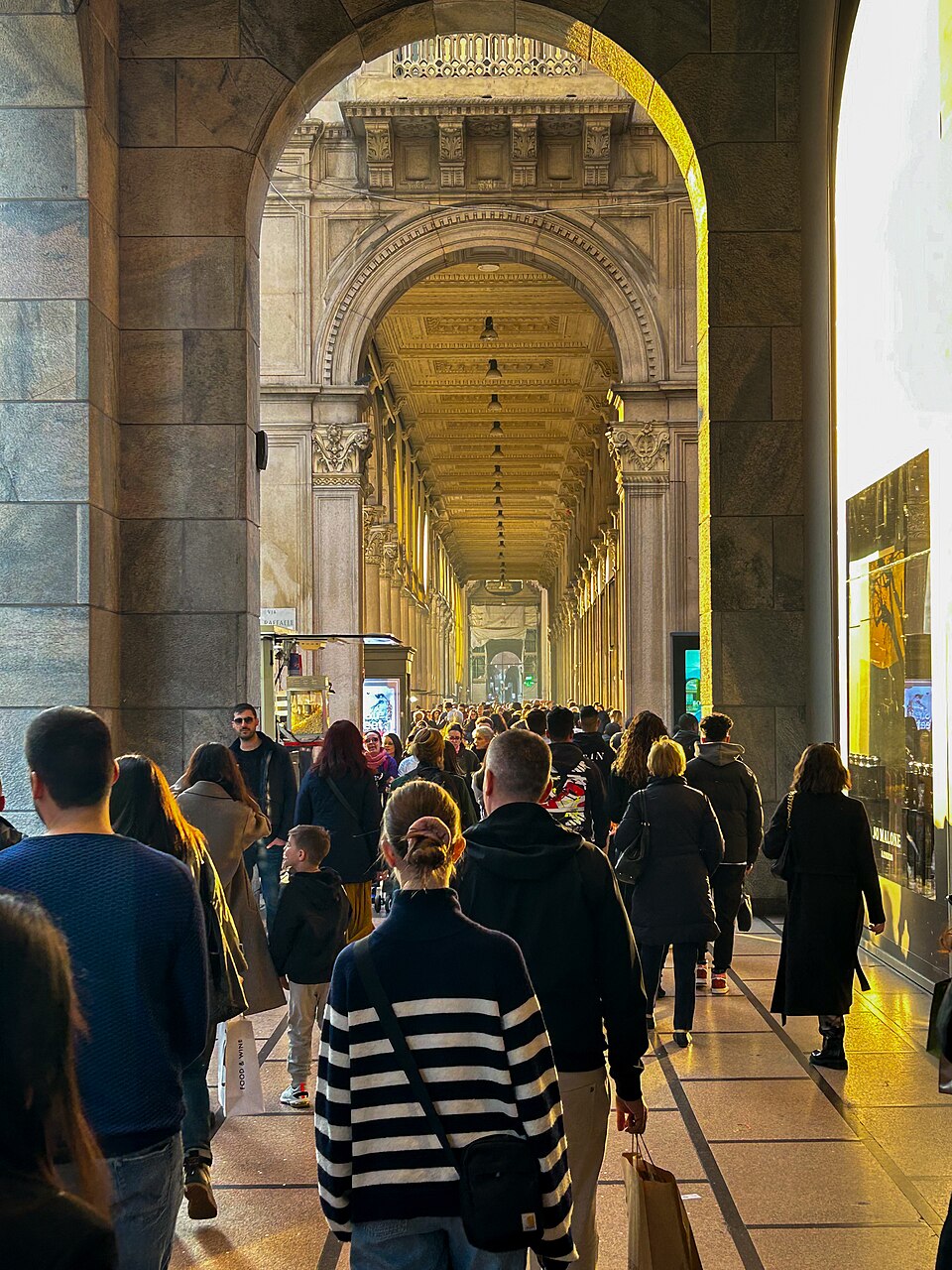
The galleria operates as public pedestrian passage with continuous access. Individual commercial establishments maintain independent operating schedules. Restaurant and cafe hours vary by operator. Seasonal factors influence crowd density, with summer months and December holiday periods typically experiencing elevated visitor numbers. Morning hours generally offer reduced congestion for photography and unhurried passage. Evening hours provide illuminated architectural viewing. Operator-confirmed hours for specific venues are Not recorded pending review. Weather conditions matter little given the covered structure, though adjacent outdoor spaces remain exposed.
Checked 2026-08-26
No general admission fee applies for passage through the galleria public walkways. Individual restaurants, cafes, and retail establishments set independent pricing. Luxury retail pricing reflects positioning. Historic cafes may command premium rates relative to surrounding establishments. Any special access programs or guided tour offerings are Not recorded pending review. Operator-confirmed prices for specific venues are Not recorded pending review. Budget-conscious visitors should anticipate elevated costs for dining and shopping compared to less central Milan locations. Window shopping and architectural observation incur no charge.
Checked 2026-08-26
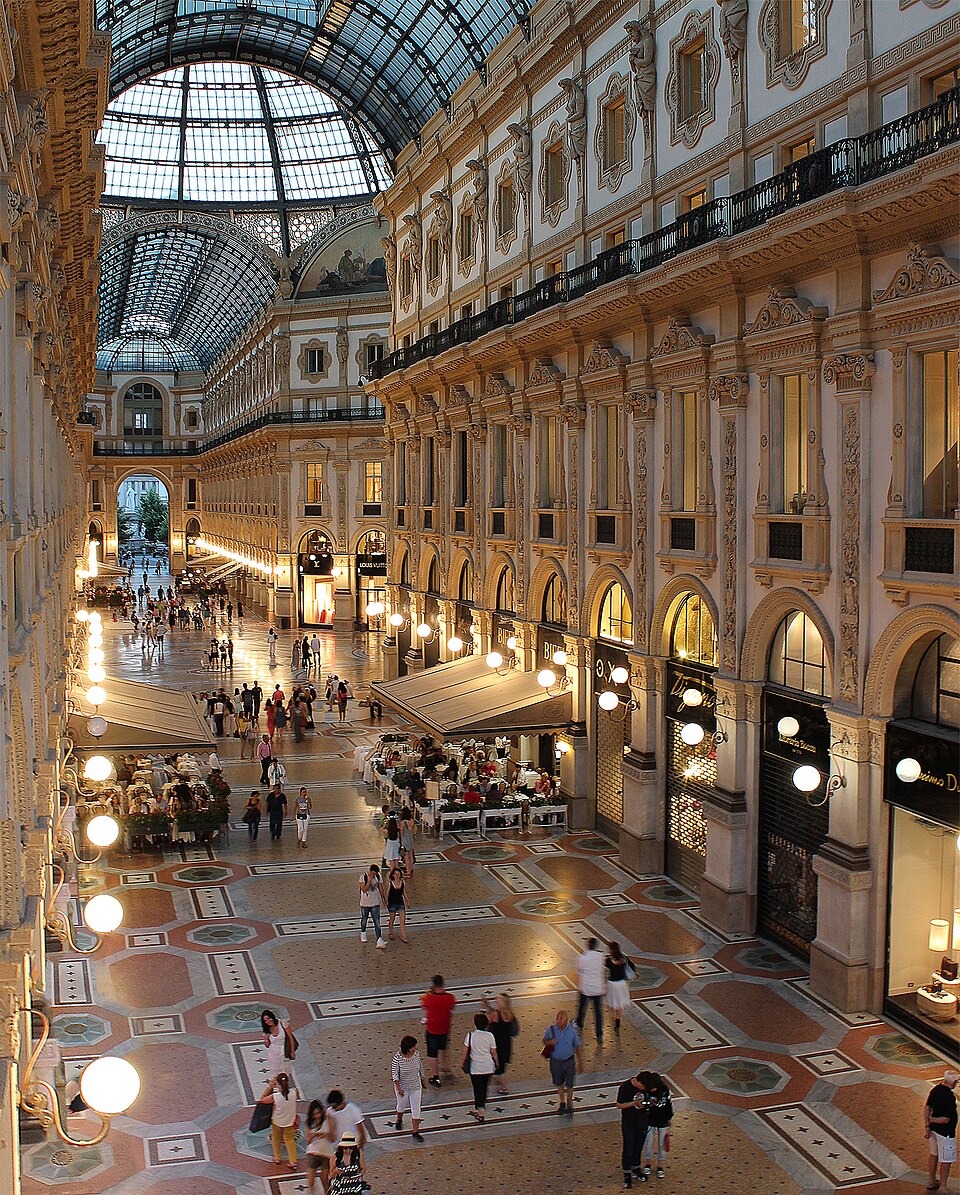
The galleria occupies central Milan between Piazza del Duomo and Piazza della Scala. Metro lines M1 and M3 serve Duomo station adjacent to the southern entrance. Multiple tram and bus routes converge in the surrounding area. The structure functions as pedestrian connector, making arrival on foot practical from numerous central accommodations. Milan Central Station lies approximately two kilometers northeast. Taxis and ride services access nearby streets, though immediate vehicle access to the galleria itself is restricted. Walking from Castello Sforzesco or Brera district requires approximately ten to fifteen minutes.
Checked 2026-08-26
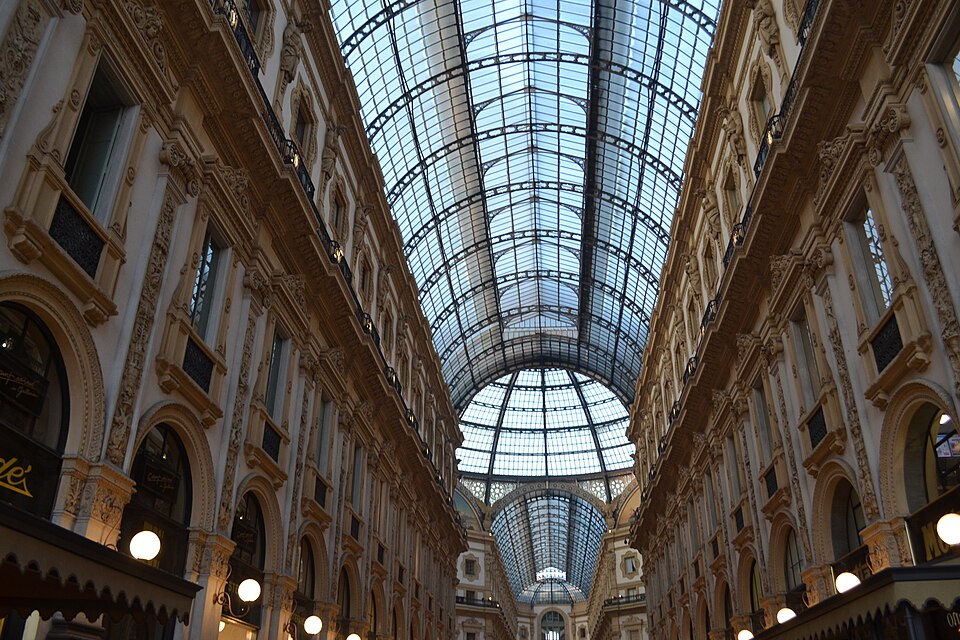
The galleria experiences persistent crowds, particularly at central intersection points beneath the dome. Pickpocketing risk exists in congested areas requiring personal belongings vigilance. Pigeon feeding, once common, is now discouraged. High-end retail pricing demands awareness before entering establishments. The mosaic floor features a bull image subject to worn tradition of heel-spinning for luck, creating localized congestion. Restaurant and cafe quality varies; established historic venues differ from newer operations. The covered structure provides weather protection but adjacent approach routes remain exposed. Wheelchair accessibility appears generally maintained though historic flooring may present irregularities.
Checked 2026-08-26
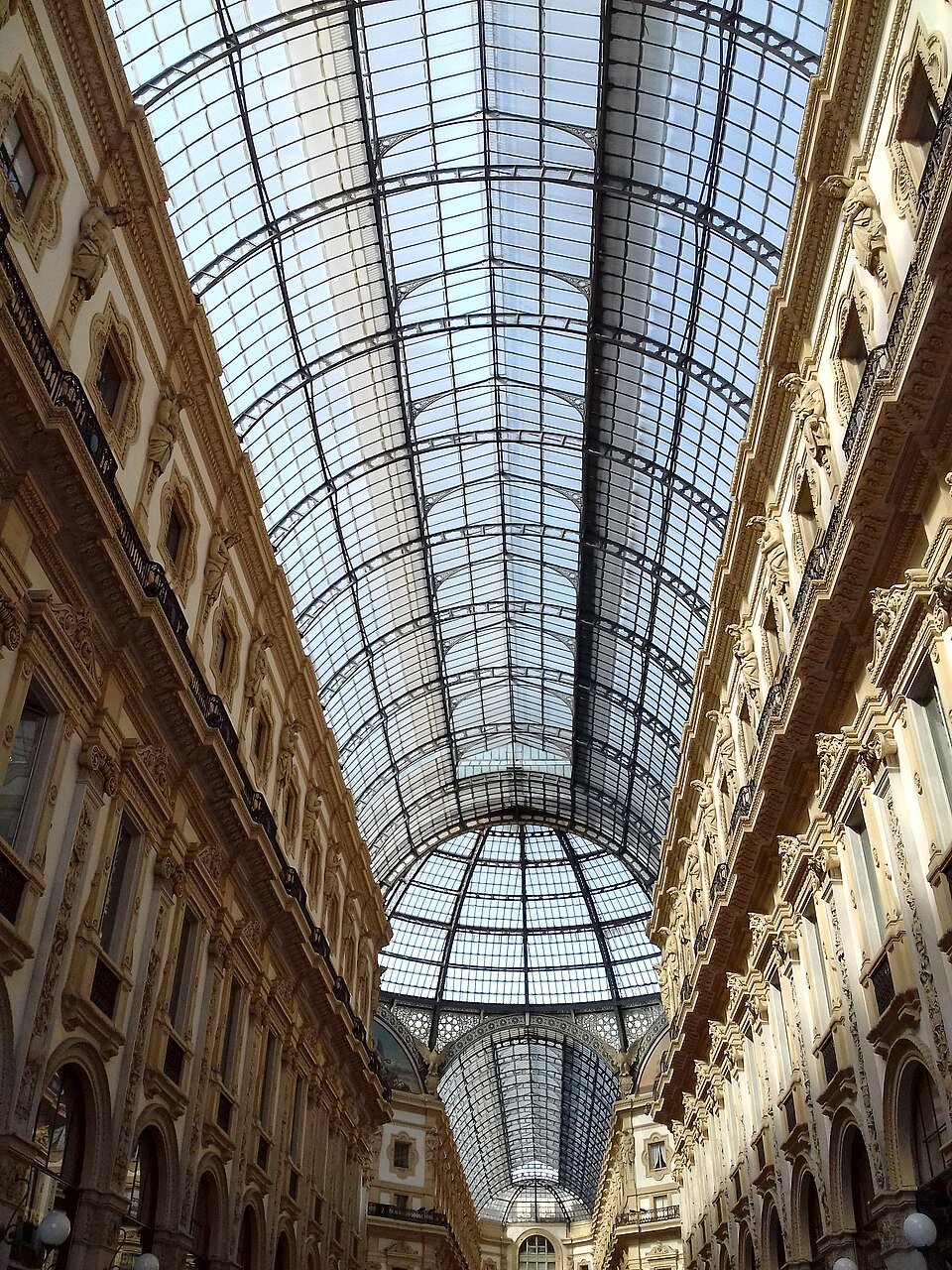
The central dome and octagonal intersection offer the most frequently photographed perspectives. Morning light through the glass roof provides favorable illumination conditions. Evening artificial lighting creates alternative atmospheric conditions. Tripod use may attract security attention in this commercial environment. The mosaic floor demands downward camera angles. Crowd density complicates unobstructed composition during peak hours. The Duomo facade visible from southern entrance provides contextual shots combining architecture. Interior retail displays may restrict photography. Upper-level vantage points appear inaccessible to general visitors. Reflections in shop windows present both opportunity and compositional challenge.
Checked 2026-08-26
No general admission fee applies for passage through the public pedestrian walkways connecting Piazza del Duomo and Piazza della Scala.
Morning hours typically experience reduced congestion compared to afternoon and evening periods, though the galleria maintains constant pedestrian flow as a central thoroughfare.
Some ground-level cafes carry established historic reputations, though quality and character vary, and visitors should exercise judgment regarding individual venues.
The covered glass-and-iron structure provides protection from precipitation, though approach routes from surrounding areas remain exposed to weather conditions.
The flat pedestrian passage appears generally wheelchair accessible, though historic flooring surfaces may present some irregularities requiring caution.
The structure directly connects Piazza del Duomo, containing Milan Cathedral, with Piazza della Scala, containing the opera house, functioning as pedestrian corridor between these major sites.
Loading the interactive map…
The interactive map could not be loaded.
Last updated:
Source: OpenStreetMap contributors, Wikidata ·