
.jpg)
.jpg)


15 min walk
church Santa Maria Maddalena
- Notable · Heritage site
- Historic monument
Language · 1 published
Historic monument · Milan
Pirelli HangarBicocca

| Monday | Closed |
|---|---|
| Tuesday | Closed |
| Wednesday | Closed |
| Thursday | 11:00 – 23:00 |
| Friday | 11:00 – 23:00 |
| Saturday | 11:00 – 23:00 |
| Sunday | 11:00 – 23:00 |
Parsed from OpenStreetMap opening hours on 2026-08-26.
Pirelli HangarBicocca is a contemporary art foundation housed in a former industrial complex in Milan's Bicocca district. Originally built as a Pirelli tyre factory in the early twentieth century, the vast converted hangar spaces now serve as exhibition venues for large-scale installations and site-specific works. The architectural transformation preserves the raw industrial character while creating dramatic white-cube galleries. It operates as a non-profit institution dedicated to presenting ambitious international contemporary art projects that require exceptional spatial dimensions. HangarBicocca also earns time in a milan itinerary because A visitor-relevant POI matched exactly to the production city pool; stored identity, local name and coordinates were copied without approximation. Its value becomes clearer when the stop is compared with the surrounding streets and the other ranked places nearby.
Checked 2026-08-26
The venue contains multiple exhibition spaces of extraordinary scale, most notably the Shed and the Cube, which accommodate monumental artworks not feasible in conventional museums. The permanent installation by Anselm Kiefer, The Seven Heavenly Palaces, comprises dramatically proportioned concrete towers. Temporary exhibitions rotate through the programme, featuring prominent contemporary artists working in immersive and large-format media. The institution maintains no permanent collection beyond the Kiefer work, instead focusing on commissioned and loaned temporary presentations that transform the industrial volumes.
Checked 2026-08-26

Visitors typically allocate between ninety minutes and three hours depending on exhibition density and personal engagement with contemporary art. The sheer physical scale of the spaces demands considerable walking; the Anselm Kiefer installation alone warrants sustained contemplation. Those attending opening events or artist talks should extend their visit accordingly. The minimal furnishing and expansive floors encourage unhurried pacing. Art professionals and enthusiasts may spend substantially longer analysing technical execution and spatial relationships within the converted industrial architecture. A flexible visit lets travellers connect HangarBicocca with the rest of the day without treating one room, viewpoint or photograph as the whole experience. The useful pace depends on personal interest and conditions on arrival.
Checked 2026-08-26

Operator-confirmed hours are Not recorded pending review. Visitors should consult the official Pirelli HangarBicocca website or contact the institution directly before planning their visit. Evening openings and special event schedules may offer alternative timing. The industrial spaces lack natural light modulation, making time of day aesthetically irrelevant for interior viewing. Weekday mornings potentially offer quieter conditions for contemplative engagement with large-scale works, though this depends on variable programming and educational group bookings that are not systematically documented in available sources.
Checked 2026-08-26
Operator-confirmed prices are Not recorded pending review. The foundation has historically operated with free admission for its main exhibition spaces, though special projects or events may involve ticketing. Visitors must verify current policy through official channels. Any paid programming would likely offer concession categories standard to Italian cultural institutions, including reductions for students, seniors, and affiliated professionals. Membership or donation schemes may provide additional benefits. Group arrangements and educational visits presumably require advance reservation regardless of pricing structure.
Checked 2026-08-26
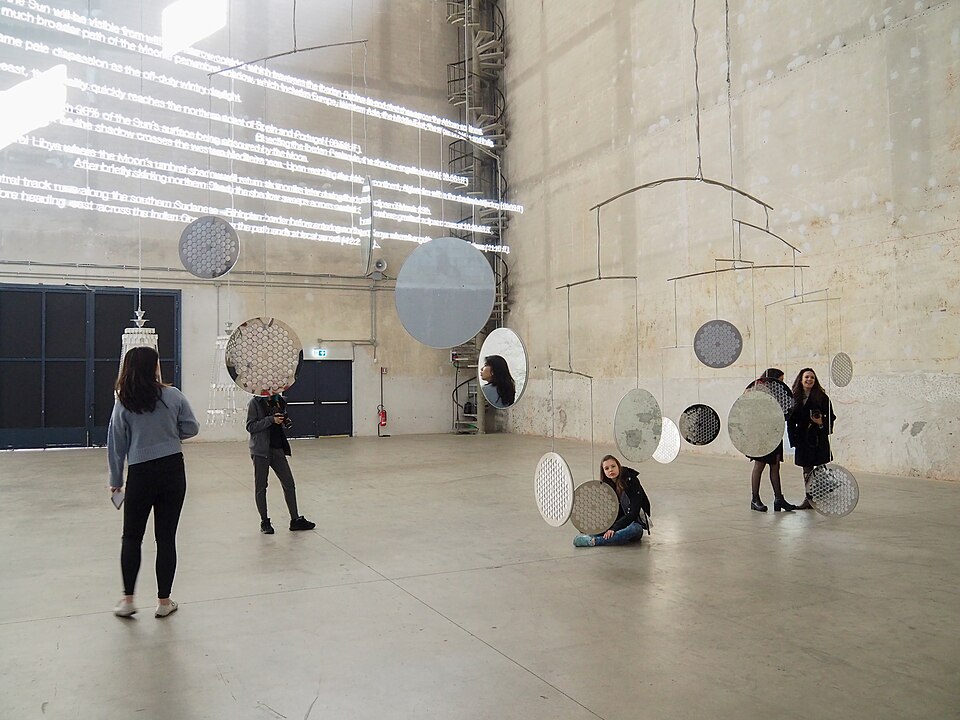
The Bicocca district lies north of Milan's historic centre, accessible via public transportation though specific route details are Not recorded. The area developed around former industrial zones now partially reconverted for university and cultural uses. Visitors should consult current transit maps for tram, bus, or metro connections serving the Via Chiese vicinity. The location demands more planning than central museum clusters. Signage and wayfinding from transit stops to the entrance may be limited given the industrial heritage context and ongoing urban transformation of the surrounding quarter.
Checked 2026-08-26

The monumental scale that distinguishes HangarBicocca can disorient visitors accustomed to intimate gallery experiences. Concrete floors and industrial materials present accessibility challenges for mobility-impaired visitors; specific accommodation provisions are Not recorded. The remote location relative to tourist concentrations requires attention to return-journey timing, especially if evening programming extends past regular transit frequencies. Weather protection may be limited during queueing or between entry points. The minimalist presentation aesthetic offers minimal interpretive scaffolding, potentially frustrating visitors seeking extensive curatorial guidance or contextual information.
Checked 2026-08-26
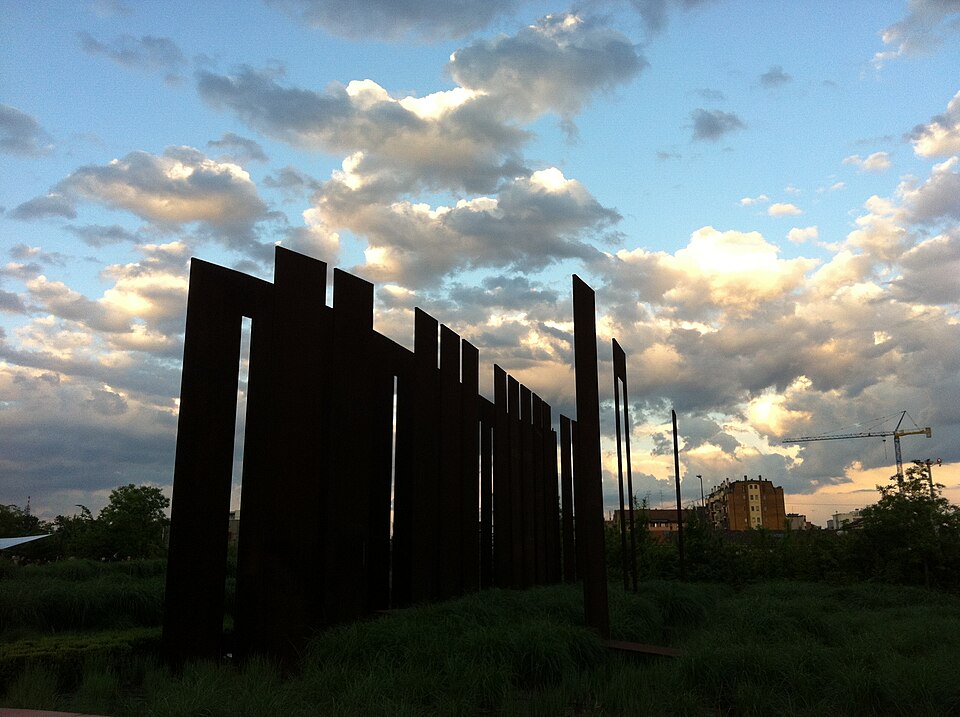
Photography policies are Not recorded and visitors must verify regulations on arrival or through official communication. Contemporary art venues frequently restrict documentation of specific works due to artist rights, conservation concerns, or installation integrity. Flash photography and tripod use are typically prohibited in most museum contexts. The dramatic architectural volumes and Kiefer's permanent installation would present compelling photographic subjects if permitted. Visitors should respect any signage and staff direction regarding image-making, particularly during temporary exhibitions where contractual arrangements with living artists may impose stricter controls than for historical collections.
Checked 2026-08-26
The institution presents contemporary art at monumental scale that may engage older children aesthetically, though specific family programming, age recommendations, or interactive elements are Not recorded. The vast spaces require substantial walking stamina.
Tour provision in Italian or English is Not recorded pending review. Visitors should consult the official website for current educational programming, as contemporary art foundations frequently offer scheduled or bookable interpretive services.
Food and beverage facilities within the venue are Not recorded. The Bicocca district's industrial heritage context suggests limited immediate dining options; visitors should plan accordingly before or after their visit.
Specific accessibility provisions, including lift access, ramping, or adapted restroom facilities, are Not recorded. The raw industrial conversion presents inherent physical challenges; direct contact with the institution is advised for mobility requirements.
The venue specialises in large-scale temporary contemporary art within preserved industrial architecture, contrasting with the Pinacoteca di Brera's historical painting collection or the Triennale's design focus. Its non-collecting status and exceptional spatial volumes create a distinct institutional identity.
The district contains University of Milano-Bicocca buildings and ongoing urban regeneration, though specific complementary visitor attractions are Not recorded. The location does not cluster with central Milan's dense museum concentrations, making dedicated excursion planning preferable to spontaneous combination.
Loading the interactive map…
The interactive map could not be loaded.
Last updated:
Source: OpenStreetMap contributors, Wikidata ·