

2 min walk
Museo Novecento
- Must see
- Museum
Language · 1 published
Museum · Florence
Museo Marino Marini (Chiesa di San Pancrazio)
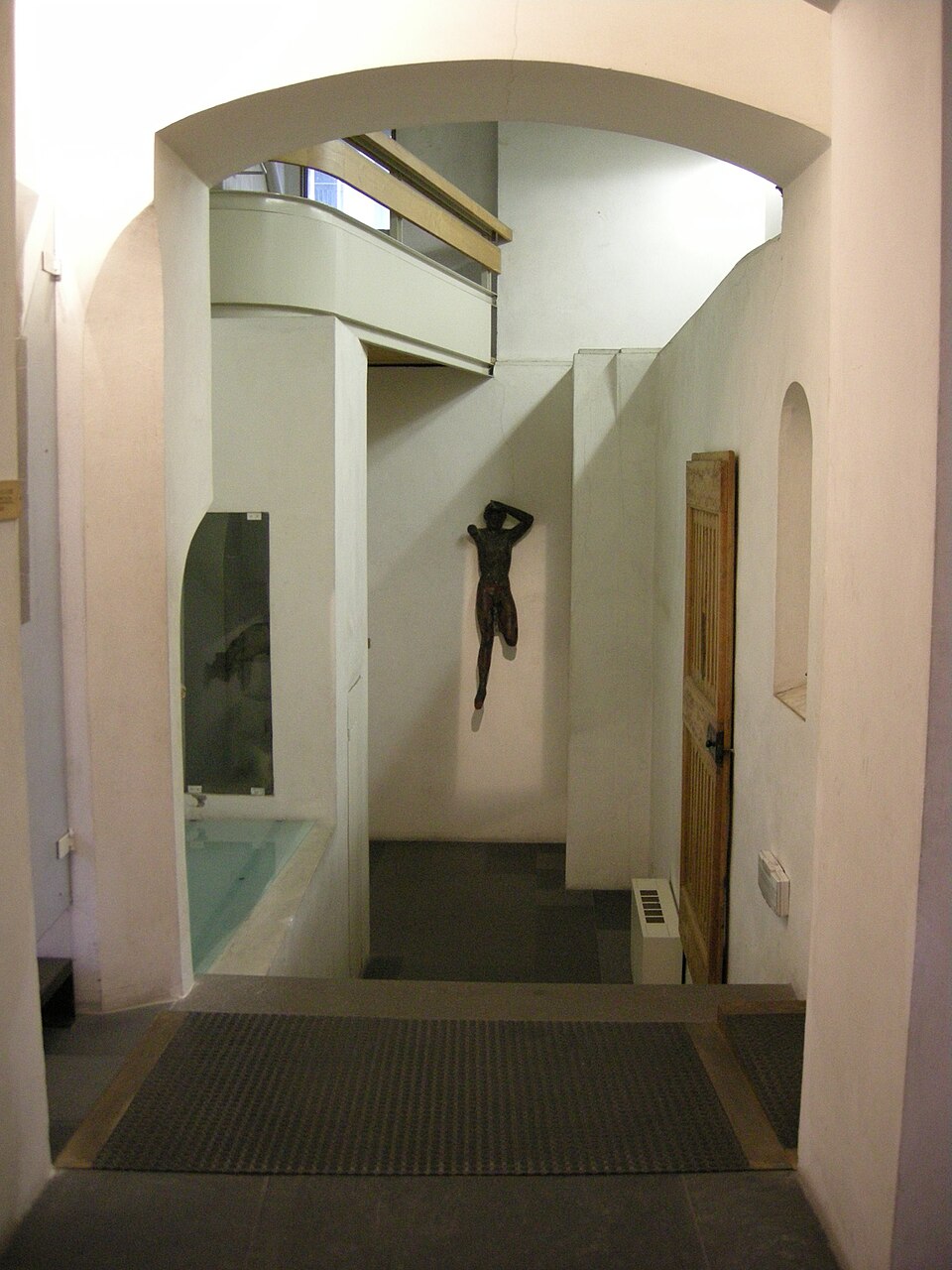
The Marino Marini Museum occupies the deconsecrated Chiesa di San Pancrazio in central Florence. It is dedicated to the work of Marino Marini, the twentieth-century Italian sculptor and painter. The church building itself dates from medieval origins and provides a striking historical setting for modern art display. The museum represents a significant example of adaptive reuse of religious architecture for cultural purposes in Florence. Its location in the historic centre places it within walking distance of other major attractions.
Checked 2026-08-26
The museum houses a substantial collection of Marini's work across multiple media. Visitors encounter sculptures in bronze, wood, and terracotta, alongside paintings and drawings. The collection traces the artist's development through his recurring themes of horse and rider, female figures, and portrait busts. The ecclesiastical architecture creates dramatic spatial relationships with the artworks. The juxtaposition of modern sculptural forms against the ancient church interior produces a distinctive exhibition environment. Not recorded whether temporary exhibitions or multimedia elements supplement the permanent display.
Checked 2026-08-26
Most visitors allocate between forty-five minutes and ninety minutes for the museum experience. The compact scale of the church interior permits efficient circulation, though art enthusiasts may linger longer with individual works. The contemplative atmosphere encourages unhurried viewing. Those combining this visit with nearby attractions in the Santa Maria Novella district should plan accordingly. The museum suits both dedicated art pilgrims and casual tourists seeking respite from more crowded Florentine destinations. Personal interest in twentieth-century Italian art significantly influences appropriate duration.
Checked 2026-08-26
Operator-confirmed hours are Not recorded pending review. Visitors should verify current opening times before planning their visit. The museum's indoor setting provides shelter from seasonal weather variations, making it theoretically suitable year-round. Morning visits may offer quieter conditions for contemplative engagement with the artworks. The absence of recorded seasonal closure patterns suggests consistent accessibility, though this remains unconfirmed. Tourists visiting Florence during peak summer months might appreciate this museum as an alternative to more congested attractions, assuming operational status.
Checked 2026-08-26
Operator-confirmed prices are Not recorded pending review. Visitors should consult official sources for current admission fees and any applicable concession categories. The museum may participate in combined ticketing arrangements with other Florentine cultural institutions, though this is not verified. Free entry circumstances, such as museum promotional days or specific visitor categories, remain undocumented. Budget-conscious travellers should investigate whether the museum appears on any city passes or cultural cards before assuming separate purchase requirements. Advance booking possibilities are unconfirmed. A flexible visit lets travellers connect Marino Marini Museum with the rest of the day without treating one room, viewpoint or photograph as the whole experience. The useful pace depends on personal interest and conditions on arrival.
Checked 2026-08-26
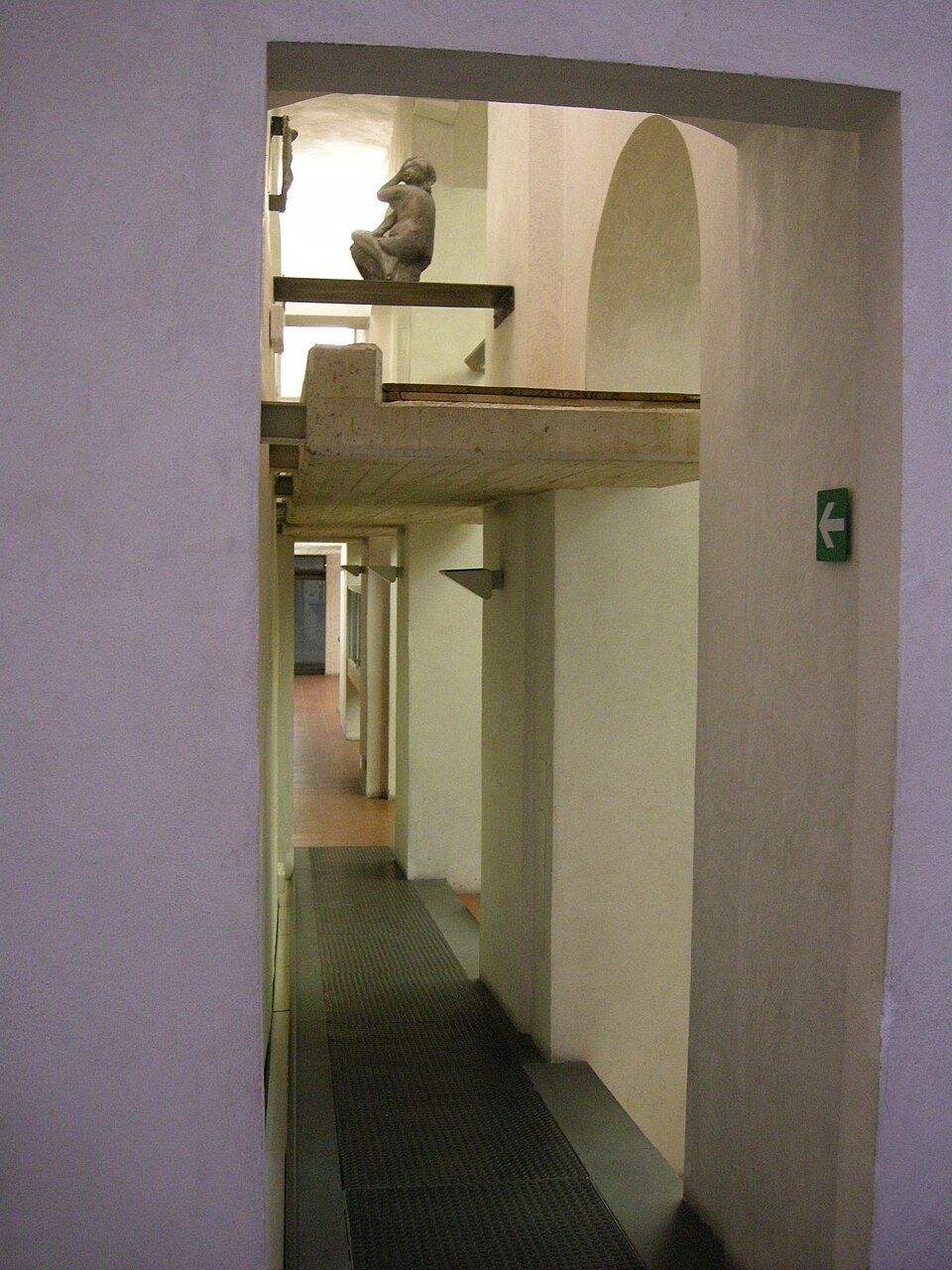
The museum occupies a central position in Florence's historic core, accessible predominantly on foot from surrounding landmarks. The Santa Maria Novella railway station lies within reasonable walking distance for arriving visitors. The dense medieval street pattern surrounding the museum precludes direct vehicle access. Public bus services operate in broader central Florence, requiring final approach by walking. Cyclists should note restricted traffic zones typical of Italian historic centres. The exact address and prominent nearby landmarks should guide pedestrian navigation through characteristic narrow Florentine streets.
Checked 2026-08-26
The adaptation of ecclesiastical architecture for museum purposes may present accessibility challenges. Original church features including steps, uneven flooring, and limited spatial configuration could impede mobility-impaired visitors. The dim atmospheric lighting appropriate for artwork conservation may reduce visibility in certain areas. Visitors should respect any protective barriers around sculptures. The museum's relative obscurity compared to major Florentine attractions may result in variable staffing levels or limited visitor services. No recorded security restrictions beyond standard museum protocols. Marino Marini Museum also earns time in a florence itinerary because A ranked visitor place retained from the city fact pack and matched exactly to the production city pool. Its value becomes clearer when the stop is compared with the surrounding streets and the other ranked places nearby.
Checked 2026-08-26
Photography policies within the museum are Not recorded. Visitors should observe posted signage or inquire with staff before capturing images. Many Italian museums restrict flash photography to protect sensitive materials, particularly works on paper. The dramatic interior architecture may tempt architectural photography regardless of collection-specific rules. Respect for fellow visitors' viewing experience should govern camera use in confined ecclesiastical spaces. Any commercial or publication photography almost certainly requires advance written permission from the administering institution. Selfie sticks and tripods typically face prohibition in Italian museum settings.
Checked 2026-08-26
The museum's specialised focus on twentieth-century sculpture may not engage young children extensively. The compact duration suits family scheduling. No recorded specific children's programmes or interactive elements.
Not recorded. Visitors should travel light given the church conversion context. Large bags may be restricted for security and space reasons common to Italian museums.
Not recorded. The museum's scale suggests self-guided exploration is practical. Audio guide availability is unconfirmed. Visitors seeking interpretative depth should verify current offerings.
Not recorded. The deconsecrated church setting may limit commercial facilities. Visitors should not depend on on-site refreshments or purchases.
The church is deconsecrated and functions exclusively as a museum. No religious services occur. The building's sacred architecture is preserved for cultural heritage purposes.
Not recorded. Both institutions honour the same artist. Visitors with specific interest in Marini's oeuvre might research complementary collections. This Florence location offers urban accessibility within a broader tourist itinerary.
Loading the interactive map…
The interactive map could not be loaded.
Last updated:
Source: OpenStreetMap contributors, Wikidata ·