
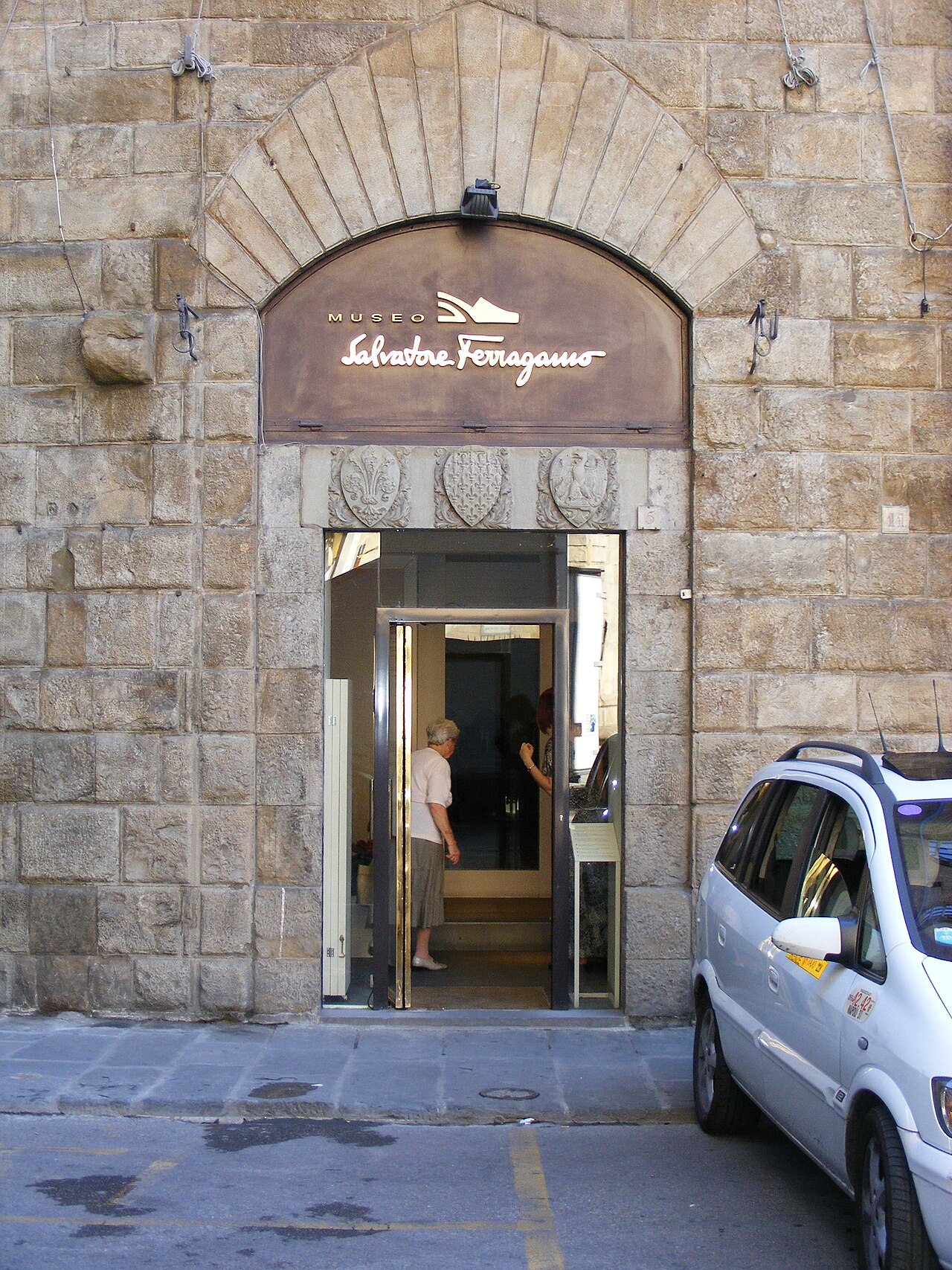
1 min walk
Salvatore Ferragamo Museum
- Must see · Heritage site
- Museum
Language · 11 published
Place of worship · Florence
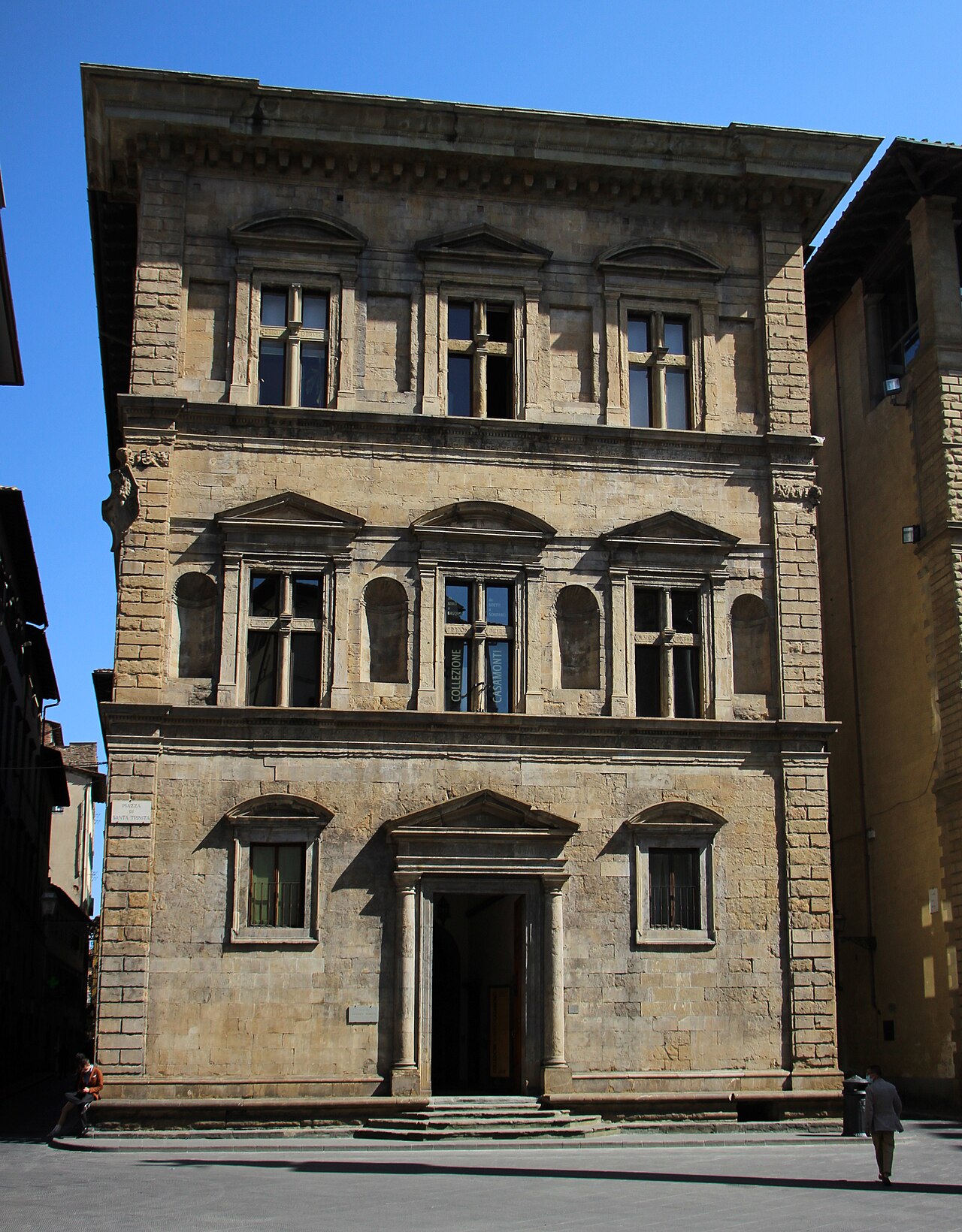
Basilica di Santa Trinita
Reviewed by Elena Voss · SSMTour Travel Editor

Basilica di Santa Trinita is a Roman Catholic church in central Florence, near the Arno River and Ponte Santa Trinita. The basilica belongs to the Vallumbrosan Order and combines an important religious function with Gothic architecture and major Florentine art. Its position in the historic centre makes it easy to include with a walking route through Florence, while its interior offers a quieter setting than the city’s most crowded headline attractions. Santa Trinita suits travelers interested in medieval church architecture, Renaissance painting, religious history, and the way living worship remains embedded in Florence’s historic streets.
Checked 2026-08-26 · Source
The artistic focus inside Basilica di Santa Trinita is the Sassetti Chapel, where Domenico Ghirlandaio painted frescoes showing scenes from the life of Saint Francis. The paintings include portraits of contemporary Florentine figures, linking religious storytelling with the social world of late fifteenth-century Florence. Other chapels, altars, tombs, and memorials extend the visit beyond a single artwork. Columns, vaulting, and later decorative changes show how the church developed across different periods. Give the interior time for both the large architectural structure and the close details in the chapels. Santa Trinita is an art stop as well as an active sacred space.
Checked 2026-08-26 · Source
Allow a moderate visit for the Basilica di Santa Trinita, with additional time if the Sassetti Chapel and Ghirlandaio frescoes are central to your Florence itinerary. A focused visitor can walk through the main interior relatively quickly, while an art-focused visit benefits from pausing at the fresco scenes, portraits, chapels, tombs, and architectural details. The church is compact compared with Florence’s largest basilicas, so it fits naturally between nearby historic-centre stops. Leave flexibility in the schedule because religious use can alter how visitors move through the interior. A thoughtful visit is measured by attention rather than by covering a large floor area.
Checked 2026-08-26 · Source
Morning can offer a calmer setting for viewing Santa Trinita’s art and architecture, especially when compared with Florence’s busiest headline attractions. The basilica remains a place of worship, so services can affect movement, silence, and access to chapels or other areas. Seasonal visitor numbers influence the wider historic centre, while the church’s central position makes it a useful stop throughout a day of walking. Plan the basilica alongside nearby landmarks rather than as an isolated destination. The best moment is one that leaves enough quiet time for the Sassetti Chapel and respects the religious activity taking place inside.
Checked 2026-08-26 · Source
Basilica di Santa Trinita is a church, and the available place information gives no fixed admission amount or universal visitor price. Religious worship and access connected with particular chapels, guided activities, or special arrangements can follow different rules. Carrying a way to make a voluntary contribution is considerate when a donation point is provided, but no amount should be assigned here. The key planning distinction is between entering a working church and joining a separately organized activity. Santa Trinita’s value comes from its religious setting, architecture, and frescoes, not from a standard museum ticket structure.
Checked 2026-08-26 · Source
Basilica di Santa Trinita stands in Florence’s historic centre near the Arno River and Ponte Santa Trinita. Walking is the most natural way to reach the church because the basilica sits among narrow historic streets and close to many other landmarks. Florence’s bus network serves the wider centre, but the place information does not identify a specific stop or route for the final approach. The historic core includes restricted-traffic streets, so drivers should not treat the church as a car-access destination. A walking route also lets you connect Santa Trinita with the river, bridges, and nearby Renaissance sights.
Checked 2026-08-26 · Source
Dress and conduct matter at Basilica di Santa Trinita: cover shoulders and knees, speak quietly, and give priority to worshippers and services. Historic floors and surfaces can be uneven, so walk carefully through the interior. Some chapels or artworks may have photography restrictions, and the surrounding historic centre has crowded streets where personal belongings need attention. The church offers a quieter experience than Florence’s largest attractions, but it remains part of a busy tourist city. Avoid blocking views or movement in the chapels, and treat the frescoes, tombs, memorials, and religious furnishings as protected parts of a living sacred building.
Checked 2026-08-26 · Source
The Sassetti Chapel and Ghirlandaio frescoes are the principal photographic interest inside Basilica di Santa Trinita, but image-making must remain subordinate to worship and conservation. Follow posted instructions about cameras, flash, tripods, and filming, and keep clear of people praying or moving through the chapel. The church’s architecture can also be appreciated without a camera: columns, vaulting, altars, and chapels create strong visual structure. Outside, the basilica’s Gothic façade and central Florence setting near the Arno provide an easier subject. Use quiet, non-disruptive photography and stop immediately when church staff indicate a restriction.
Checked 2026-08-26 · Source
The Sassetti Chapel contains Domenico Ghirlandaio’s frescoes depicting scenes from the life of Saint Francis.
The basilica is in central Florence near the Arno River and Ponte Santa Trinita.
Basilica di Santa Trinita belongs to the Vallumbrosan Order.
The chapel’s frescoes depict scenes from the life of Saint Francis and include portraits of contemporary Florentine figures.
Santa Trinita is more compact than Florence’s largest basilicas and offers a more intimate setting for art and worship.
Wear clothing that covers the shoulders and knees, and maintain quiet, respectful conduct inside the active church.
Loading the interactive map…
The interactive map could not be loaded.

Last updated:
Source: OpenStreetMap contributors, Wikidata ·